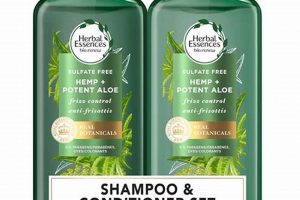
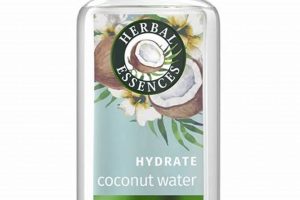
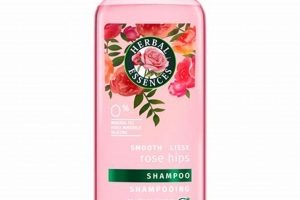
Products designed for hair cleansing and conditioning that incorporate botanical extracts are widely available. These formulations aim to clean the hair of impurities while simultaneously providing hydration and nutrients often derived from plants. For example, a particular line of these products utilizes various herbs and floral scents to provide a sensory experience during hair care routines.
The incorporation of herbal ingredients is intended to offer several advantages, including enhanced shine, improved manageability, and a revitalized scalp. Historically, botanical extracts have been used in personal care for their perceived therapeutic properties. These formulations attempt to blend traditional knowledge with modern cosmetic science to create hair care solutions that appeal to consumers seeking natural ingredients.
The following sections will delve deeper into the specific ingredients, benefits, and potential considerations associated with these types of botanical-infused hair care systems. This includes examination of common extracts used, the impact of these elements on hair health, and a balanced evaluation of their efficacy.
Optimizing Outcomes with Botanical Hair Care Systems
The subsequent guidelines are designed to maximize the potential benefits of utilizing hair cleansing and conditioning products infused with herbal extracts.
Tip 1: Select Formulations Aligned with Hair Type: Recognize that different hair types (oily, dry, fine, thick, color-treated) benefit from different formulations. Employ product selection focused on addressing specific needs, ensuring balanced hydration and cleansing.
Tip 2: Conduct Patch Testing: Prior to extensive use, perform a patch test on a small area of skin to identify potential allergic reactions to specific herbal ingredients. Discontinue use if irritation occurs.
Tip 3: Adhere to Recommended Usage Frequency: Avoid over-washing, which can strip the hair of its natural oils. Limit usage to the frequency recommended on the product label, typically two to three times per week, adjusting according to individual hair and scalp conditions.
Tip 4: Employ Proper Application Techniques: Distribute cleansing products evenly throughout the scalp, massaging gently to remove impurities. Rinse thoroughly to prevent residue build-up. Apply conditioning products primarily to the mid-lengths and ends of the hair, avoiding the scalp unless specified.
Tip 5: Monitor Scalp Health: Observe the scalp for signs of dryness, irritation, or product build-up. If issues arise, consider adjusting the product usage or exploring alternative formulations with different herbal extracts.
Tip 6: Supplement with Complementary Products: Enhance results by incorporating leave-in conditioners or hair masks containing similar herbal extracts to further nourish and protect the hair.
The effective integration of these guidelines will contribute to achieving desired outcomes, including improved hair health, enhanced shine, and reduced scalp irritation.
The next section will address common misconceptions surrounding botanical hair care and offer insights into realistic expectations for product performance.
1. Botanical Extracts

The integration of botanical extracts constitutes a core element within formulations marketed as “shampoo and conditioner herbal essence.” These extracts, derived from various plant sources, are incorporated for their purported therapeutic and aesthetic benefits concerning hair and scalp health. The cause-and-effect relationship is predicated on the belief that specific compounds within these extracts can positively influence hair strength, shine, hydration, and scalp condition. For example, extracts of chamomile are often included for their perceived soothing properties on the scalp, while aloe vera is commonly used for its moisturizing effects. The presence and concentration of these extracts are key differentiators within this product category.
The practical significance of understanding this connection lies in discerning genuine benefits from marketing claims. While some botanical extracts possess scientifically validated properties, others lack robust evidence supporting their efficacy in hair care applications. Therefore, consumers should critically evaluate ingredient lists and research the specific botanical extracts included to assess their potential benefits. Furthermore, the sourcing and processing methods of these extracts can influence their quality and effectiveness. For instance, organically grown and sustainably harvested botanical extracts may be preferred by environmentally conscious consumers.
In summary, botanical extracts are a defining characteristic of “shampoo and conditioner herbal essence,” shaping both the perceived and potential benefits of these products. A critical approach to evaluating the types, concentrations, and sourcing of these extracts is essential for informed decision-making. Challenges remain in standardizing the quality and efficacy of botanical extracts in hair care formulations, highlighting the need for continued research and transparent labeling practices.
2. Cleansing Efficacy

Cleansing efficacy represents a foundational attribute of any shampoo, including those marketed under the rubric of “shampoo and conditioner herbal essence.” This property describes the shampoo’s ability to effectively remove sebum, dirt, product buildup, and environmental pollutants from the hair and scalp. The desired outcome is clean hair without stripping essential oils, which can lead to dryness and damage. The cause-and-effect relationship is straightforward: inadequate cleansing results in oily, dull, and potentially irritated hair and scalp, while excessive cleansing compromises hair integrity. The effectiveness is influenced by the types and concentrations of surfactants (cleansing agents) within the formulation.
The practical significance of cleansing efficacy is paramount for maintaining hair health and aesthetic appeal. For example, a shampoo with inadequate cleansing properties may leave behind residue that weighs down the hair, reduces shine, and exacerbates scalp conditions like seborrheic dermatitis. Conversely, an overly aggressive shampoo may remove too much natural oil, leading to dryness, frizz, and breakage. Shampoos incorporating herbal extracts often attempt to balance cleansing power with gentle, natural ingredients aimed at minimizing harsh effects. Marketing claims emphasizing “gentle cleansing” or “sulfate-free” formulations reflect this concern for maintaining a healthy balance.
In summary, cleansing efficacy is a critical determinant of the overall performance and suitability of “shampoo and conditioner herbal essence.” Achieving an optimal balance between effective cleansing and gentle care is essential for maintaining healthy, aesthetically pleasing hair. Challenges remain in formulating shampoos that cater to diverse hair types and scalp conditions while incorporating natural ingredients. Consumers benefit from understanding the role of cleansing efficacy and selecting products that align with their specific needs.
3. Hydration Balance
Hydration balance is a critical characteristic in the evaluation of any “shampoo and conditioner herbal essence.” This refers to the product’s capability to cleanse hair effectively while simultaneously maintaining or restoring adequate moisture levels. The cause-and-effect relationship is such that improper hydration balance results in either excessively dry and brittle hair or limp and oily hair. A shampoo that strips away too much natural oil disrupts the hair’s protective barrier, leading to moisture loss. Conversely, if the product deposits too much oil or fails to remove residue properly, it can create a greasy texture. For example, individuals with naturally dry hair often seek formulations containing humectants and emollients to replenish lost moisture, while those with oily hair may require lighter formulations that cleanse without adding excessive hydration. The inclusion of botanical extracts, such as aloe vera or shea butter, is often intended to contribute to this hydration balance.
The practical significance of understanding hydration balance lies in selecting products that align with individual hair types and environmental conditions. Consider the case of a person living in a dry climate who uses a harsh, sulfate-based shampoo. The result would likely be severely dehydrated hair prone to breakage. In contrast, a person with fine, oily hair using a heavy, moisturizing shampoo would experience a lack of volume and a greasy appearance. Therefore, carefully considering the ingredients and claims related to hydration is essential. Products marketed as “hydrating” or “moisturizing” should be evaluated for their actual impact on the hair’s moisture levels. Proper application techniques, such as focusing conditioner on the ends of the hair, also contribute to maintaining appropriate hydration balance.
In summary, hydration balance is an indispensable component of effective “shampoo and conditioner herbal essence.” Achieving and maintaining this balance ensures hair that is clean, healthy, and aesthetically pleasing. Challenges persist in formulating products that cater to the diverse hydration needs of different hair types, particularly when incorporating natural ingredients. Continued research and transparent labeling are crucial to empower consumers in making informed choices and achieving optimal hair hydration.
4. Scalp Health
Scalp health is intrinsically linked to the efficacy and suitability of “shampoo and conditioner herbal essence.” The condition of the scalp directly influences hair growth, strength, and overall appearance. An unhealthy scalp, characterized by dryness, irritation, inflammation, or excessive oil production, can impede hair follicle function and lead to various dermatological issues. The selection and formulation of hair care products, including shampoos and conditioners containing herbal extracts, must prioritize maintaining a balanced scalp environment. The cause-and-effect relationship is evident: inappropriate product choices exacerbate existing scalp conditions, while appropriate choices promote a healthy scalp, fostering optimal hair growth. For example, individuals with sensitive scalps often benefit from products free of harsh sulfates and artificial fragrances, opting instead for formulations with soothing botanical extracts like chamomile or aloe vera. Ignoring the scalp’s specific needs can result in a cycle of irritation and compromised hair health.
The practical significance of understanding this connection lies in the ability to select products that address individual scalp conditions effectively. Consider the case of an individual experiencing dandruff or seborrheic dermatitis. The use of a shampoo containing antifungal agents, such as tea tree oil or pyrithione zinc, in conjunction with soothing herbal extracts, can help control the overgrowth of Malassezia yeast and reduce inflammation. Conversely, using a heavily fragranced or overly stripping shampoo can exacerbate these conditions, leading to increased itching and flaking. Furthermore, proper application techniques, such as gentle scalp massage during shampooing, can improve circulation and promote the absorption of beneficial ingredients. The marketing claims of “shampoo and conditioner herbal essence” often highlight their potential benefits for scalp health, emphasizing ingredients known for their anti-inflammatory, anti-itch, or moisturizing properties.
In summary, scalp health is a critical consideration in the selection and utilization of “shampoo and conditioner herbal essence.” Products must be chosen to address individual scalp conditions, promoting a balanced environment conducive to healthy hair growth. Challenges remain in formulating products that cater to diverse scalp needs while incorporating natural ingredients effectively. Continued research and transparent labeling practices are essential to empower consumers in making informed choices and achieving optimal scalp health. A proactive approach to scalp care, including regular assessment and appropriate product selection, contributes significantly to overall hair health and appearance.
5. Scent Profile

The scent profile of “shampoo and conditioner herbal essence” constitutes a significant component of its consumer appeal and perceived effectiveness. This refers to the overall olfactory experience created by the product, typically through the inclusion of fragrances derived from essential oils, botanical extracts, or synthetic aroma compounds. The cause-and-effect relationship is such that a pleasing scent enhances the user’s satisfaction with the product and can influence their perception of its cleansing or conditioning abilities. For example, a shampoo with a strong citrus scent might be perceived as more invigorating, while one with a lavender scent could be associated with relaxation. Therefore, the scent profile plays a role in shaping the overall user experience beyond the product’s functional performance.
The practical significance of the scent profile lies in its impact on consumer choice and brand loyalty. Individuals often select hair care products based on their preferred fragrances, even if the functional benefits are comparable to other options. Consider a scenario where two shampoos have similar cleansing and conditioning properties, but one boasts a unique and appealing scent. The latter is more likely to attract and retain customers. Manufacturers of “shampoo and conditioner herbal essence” often invest in developing signature scent profiles that differentiate their products from competitors. The careful selection and blending of fragrance notes are crucial to creating a desirable and memorable olfactory experience. Moreover, scent can evoke specific emotions or memories, further enhancing the product’s appeal. However, it’s crucial to note that fragrances can also be a source of irritation for individuals with sensitive skin or allergies.
In summary, the scent profile is an integral aspect of “shampoo and conditioner herbal essence,” influencing consumer perception and purchase decisions. A well-crafted scent enhances the user experience and contributes to brand differentiation. However, challenges exist in balancing the desire for appealing fragrances with the need to minimize potential skin irritations. Future developments may focus on creating hypoallergenic or naturally derived scent profiles to cater to a wider range of consumers. Transparency in fragrance ingredient labeling is also crucial to empower consumers in making informed choices.
6. Ingredient Sourcing

The origin and procurement of ingredients are critical determinants of the overall quality and ethical standing of “shampoo and conditioner herbal essence.” Ingredient sourcing encompasses the processes by which raw materials, including botanical extracts, surfactants, and other functional additives, are obtained. The practices employed in sourcing these ingredients can significantly impact environmental sustainability, ethical labor standards, and the final product’s efficacy and safety. A direct cause-and-effect relationship exists: responsible sourcing contributes to a higher quality product with minimal environmental impact, while irresponsible sourcing can lead to environmental degradation, exploitation of workers, and potentially compromised product safety. For example, botanical extracts derived from endangered plant species or harvested using unsustainable practices undermine biodiversity and ethical values. The increasing consumer awareness regarding these issues has elevated the importance of transparent and responsible ingredient sourcing within the hair care industry.
The practical significance of understanding ingredient sourcing lies in the ability to make informed purchasing decisions and support companies committed to ethical and sustainable practices. Consider the case of a company that sources its botanical extracts from certified organic farms, ensuring that no harmful pesticides or herbicides are used in the cultivation process. This not only benefits the environment but also potentially reduces the risk of exposure to harmful chemicals for consumers. Furthermore, companies that prioritize fair labor practices and pay fair wages to workers involved in harvesting and processing raw materials contribute to the well-being of communities in sourcing regions. Certifications such as Fair Trade and USDA Organic provide consumers with assurances that the products they are purchasing meet specific standards for ethical and sustainable sourcing. Responsible ingredient sourcing also involves minimizing transportation distances and utilizing environmentally friendly packaging materials, reducing the overall carbon footprint of the product.
In summary, ingredient sourcing is a pivotal aspect of “shampoo and conditioner herbal essence,” impacting product quality, environmental sustainability, and ethical considerations. Transparent and responsible sourcing practices contribute to a higher quality product and support companies committed to ethical values. Challenges persist in tracing the origins of all ingredients and ensuring adherence to strict standards throughout the supply chain. Consumers are increasingly demanding greater transparency and accountability, driving the industry towards more sustainable and ethical practices. Continued efforts to promote responsible ingredient sourcing will benefit both the environment and the well-being of communities involved in the production of hair care products.
7. Environmental Impact

The environmental impact associated with “shampoo and conditioner herbal essence” encompasses several interconnected factors, ranging from ingredient sourcing and manufacturing processes to packaging and post-consumer waste disposal. A distinct cause-and-effect relationship exists: unsustainable practices in any of these areas can lead to detrimental consequences for ecosystems, biodiversity, and resource depletion. For example, the use of environmentally persistent surfactants or the unsustainable harvesting of botanical extracts can disrupt aquatic ecosystems and contribute to deforestation. The significance of environmental impact as a component of “shampoo and conditioner herbal essence” is increasingly relevant, driven by heightened consumer awareness and regulatory scrutiny. The adoption of eco-friendly formulations, biodegradable packaging, and responsible sourcing practices represents a growing trend in the hair care industry, aiming to minimize the environmental footprint associated with these products.
Practical implications of this understanding manifest in various ways. Manufacturers are exploring alternative, plant-derived surfactants that exhibit lower toxicity and greater biodegradability compared to traditional petroleum-based options. The use of concentrated formulas, which require less packaging and water during transportation, is also gaining traction. Furthermore, refill programs and the adoption of recyclable or compostable packaging materials are designed to reduce waste generation. Real-world examples include companies partnering with environmental organizations to support reforestation efforts or investing in renewable energy sources to power their manufacturing facilities. Certification schemes, such as the ECOLOGO or Cradle to Cradle certifications, provide consumers with credible assurances regarding the environmental performance of specific products, facilitating informed purchasing decisions. The challenge, however, lies in balancing environmental considerations with product performance and cost-effectiveness, ensuring that sustainable options remain accessible to a broad range of consumers.
In summary, the environmental impact of “shampoo and conditioner herbal essence” is a multifaceted issue requiring a holistic approach that addresses all stages of the product lifecycle. Mitigating environmental harm necessitates the adoption of sustainable practices in ingredient sourcing, manufacturing, packaging, and waste management. While progress is being made in developing eco-friendly formulations and packaging solutions, continued innovation and collaboration among manufacturers, consumers, and regulatory bodies are essential to minimize the environmental footprint of the hair care industry. A commitment to transparency and continuous improvement is crucial for achieving a more sustainable future for “shampoo and conditioner herbal essence” and related products.
Frequently Asked Questions
The following section addresses common inquiries regarding hair cleansing and conditioning products marketed under the “herbal essence” designation. The information presented aims to clarify product attributes and usage considerations.
Question 1: Are “shampoo and conditioner herbal essence” products suitable for all hair types?
Suitability varies depending on the specific formulation. Products are often designed for specific hair types, such as oily, dry, fine, or color-treated hair. Careful examination of product labeling is essential to determine compatibility with individual hair characteristics.
Question 2: Do “herbal essence” products contain exclusively natural ingredients?
While these products emphasize herbal or botanical components, they may also contain synthetic ingredients. A thorough review of the ingredient list is recommended to identify all constituents.
Question 3: How often should “herbal essence” shampoo and conditioner be used?
Usage frequency depends on individual hair and scalp conditions, as well as product-specific recommendations. Over-washing can strip the hair of natural oils, while infrequent washing may lead to product buildup and scalp irritation. Adherence to label instructions is advised.
Question 4: Can “herbal essence” products cause allergic reactions?
Allergic reactions are possible, particularly to specific botanical extracts or fragrances. A patch test conducted prior to widespread use is recommended to assess individual sensitivity.
Question 5: Are “herbal essence” products environmentally friendly?
Environmental impact varies. Some products utilize sustainable sourcing practices and eco-friendly packaging, while others may not. Examination of product labeling and company practices is recommended to determine the extent of environmental responsibility.
Question 6: Do “herbal essence” products effectively treat scalp conditions like dandruff?
While some formulations may contain ingredients with anti-dandruff properties, the effectiveness varies. Individuals with persistent or severe scalp conditions should consult a dermatologist for appropriate treatment options.
This FAQ section provides a general overview of commonly asked questions. Consult product packaging and ingredient lists for specific details.
The next section will address consumer reviews and provide a balanced perspective on user experiences.
Shampoo and Conditioner Herbal Essence
This exploration has highlighted key attributes of products marketed as “shampoo and conditioner herbal essence,” including the integration of botanical extracts, cleansing efficacy, hydration balance, impact on scalp health, scent profiles, ingredient sourcing, and overall environmental impact. Each aspect contributes to the user experience and product effectiveness. Careful consideration of these factors is essential for making informed purchasing decisions.
The efficacy of any “shampoo and conditioner herbal essence” formulation is dependent on an individual’s specific hair type, scalp condition, and sensitivities. Consumers are encouraged to critically evaluate product claims, prioritize transparency in ingredient labeling, and seek professional advice when necessary to ensure optimal hair and scalp health. The industry bears the responsibility of continued research, sustainable practices, and clear communication to meet the evolving needs of consumers and the environment.