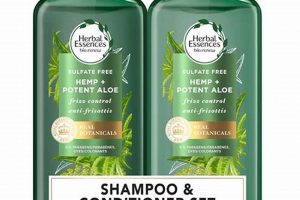
Products designed to cleanse hair while protecting the vibrancy and longevity of artificial hair color are a significant segment within the haircare market. These formulations typically feature gentle surfactants and lack harsh chemicals that can strip color molecules from the hair shaft, leading to premature fading. An example would be a formulated hair cleanser intended to extend the life and brilliance of color-treated hair.
The significance of such products stems from the desire of individuals to maintain their investment in professional hair coloring services. Maintaining color vibrancy not only saves money by reducing the frequency of salon visits, but also contributes to overall hair health by minimizing the need for repeated chemical processes. The development of these gentle cleansing agents reflects a growing awareness of the impact of haircare ingredients on color retention and hair integrity.
The subsequent sections will delve into specific ingredients commonly found in these formulations, examine their mechanisms of action in preserving hair color, and explore the factors to consider when selecting the most appropriate cleanser for individual hair types and coloring treatments. Understanding these aspects allows consumers to make informed choices and maximize the benefits of color-protecting haircare routines.
Maximizing Color Retention with Gentle Cleansing Agents
The following guidelines outline best practices for extending the life and vibrancy of color-treated hair by utilizing specialized cleansing products. Adherence to these recommendations contributes to both aesthetic appeal and hair health.
Tip 1: Select Sulfate-Free Formulations: Ingredients like sodium lauryl sulfate (SLS) and sodium laureth sulfate (SLES) can aggressively strip hair of its natural oils and color. Opt for products clearly labeled as sulfate-free to minimize color fading.
Tip 2: Employ Cool Water Rinses: Hot water causes the hair cuticle to open, allowing color molecules to escape. Finishing each wash with a cool or lukewarm water rinse helps to seal the cuticle and retain color.
Tip 3: Minimize Wash Frequency: Over-washing contributes to premature color loss. Extending the time between washes, when possible, can significantly prolong color vibrancy. Dry shampoo can be utilized to refresh hair between washes.
Tip 4: Utilize a Dedicated Conditioner: Color-treated hair often requires additional moisture. Employ a conditioner specifically designed for color-treated hair to replenish lost moisture and protect the hair shaft.
Tip 5: Incorporate UV Protection: Exposure to ultraviolet (UV) radiation can accelerate color fading. Utilize haircare products containing UV filters or wear a hat when spending extended periods outdoors.
Tip 6: Deep Condition Regularly: Implement a deep conditioning treatment once or twice a week to provide intense hydration and repair damage caused by coloring processes. This helps to maintain the structural integrity of the hair and retain color.
Tip 7: Avoid Alcohol-Based Styling Products: Styling products containing alcohol can dry out the hair and contribute to color fading. Choose alcohol-free alternatives to maintain moisture and color vibrancy.
By incorporating these practices into a regular haircare routine, individuals can significantly extend the life and vibrancy of their hair color, ultimately minimizing the need for frequent touch-ups and promoting overall hair health.
The subsequent discussion will explore specific ingredients to seek out in color-protecting formulations, and the benefits they offer to the health and appearance of color-treated hair.
1. Gentle Cleansing Agents
The efficacy of a color-safe shampoo hinges significantly on the nature of its cleansing agents. Traditional shampoos often employ harsh surfactants like sulfates, which, while effective at removing dirt and oil, can also strip away color molecules from the hair shaft. This leads to premature fading and necessitates more frequent coloring treatments. In contrast, color-safe options prioritize gentle cleansing agents, such as cocamidopropyl betaine or sodium cocoyl isethionate. These surfactants provide adequate cleansing without aggressively disrupting the hair’s cuticle layer, thereby preserving color vibrancy. For example, a shampoo containing sodium lauroyl sarcosinate, a milder alternative to sulfates, will effectively cleanse the hair while minimizing color loss compared to a shampoo formulated with sodium lauryl sulfate.
The selection of gentle cleansing agents represents a deliberate trade-off between cleansing power and color retention. While a stronger surfactant may leave hair feeling squeaky clean, it does so at the expense of color longevity. Therefore, color-safe shampoos often require a more careful balancing act in their formulation. Manufacturers may also incorporate conditioning agents or polymers alongside the cleansing agents to further protect the hair shaft and enhance color retention. The impact of these choices is readily apparent in observational studies where individuals using sulfate-free, color-safe shampoos report significantly less color fading compared to those using traditional, sulfate-based shampoos.
The understanding of the crucial role played by gentle cleansing agents allows consumers to make informed decisions when selecting haircare products. By scrutinizing ingredient lists and prioritizing formulations that feature milder surfactants, individuals can effectively maintain the vibrancy of their color-treated hair and extend the time between salon visits. While challenges remain in achieving optimal cleansing without any color loss, the availability of products formulated with gentle cleansing agents represents a significant advancement in the field of color-treated haircare, emphasizing the importance of informed purchasing decisions.
2. Sulfate-Free Composition
Sulfate-free composition represents a critical attribute of “herbal essences color safe shampoo”. The inclusion or exclusion of sulfates directly influences the product’s ability to protect color-treated hair. Sulfates, such as sodium lauryl sulfate (SLS) and sodium laureth sulfate (SLES), are highly effective surfactants commonly used in shampoos for their foaming and cleansing properties. However, these ingredients can also strip away natural oils and, crucially, artificial color molecules from the hair shaft. This stripping action leads to accelerated color fading, diminishing the aesthetic outcome and requiring more frequent and potentially damaging re-coloring procedures.
In contrast, a sulfate-free formulation relies on milder surfactants that cleanse the hair without aggressively disrupting the cuticle layer. This gentler approach allows color molecules to remain embedded within the hair shaft for a longer period, extending color vibrancy and reducing the need for frequent touch-ups. The practical significance of this difference is evident in the observed color retention longevity between users of sulfate-containing versus sulfate-free shampoos. Individuals employing sulfate-free products typically experience significantly less color fading over time. For instance, someone who colors their hair red might find that a sulfate-containing shampoo causes the color to fade noticeably after just a few washes, whereas a sulfate-free option could maintain the vibrancy for several weeks.
The move towards sulfate-free shampoos signifies an understanding of the delicate balance between effective cleansing and color preservation. While completely eliminating all potential for color fading may be unattainable, opting for a sulfate-free “herbal essences color safe shampoo” presents a tangible and significant step towards protecting and prolonging the lifespan of color-treated hair. The challenge lies in educating consumers about the impact of sulfates and the availability of effective sulfate-free alternatives, thereby empowering them to make informed choices that benefit both the appearance and the health of their hair.
3. pH-Balanced Formula

A pH-balanced formula is a foundational characteristic of an effective “herbal essences color safe shampoo”. The importance of this attribute lies in its direct influence on the integrity of the hair’s cuticle layer and its ability to retain artificial color molecules. A disruption in the hair’s natural pH can compromise these factors, leading to color fading and hair damage.
- Cuticle Integrity
The hair cuticle, the outermost layer of the hair shaft, acts as a protective barrier. A balanced pH, typically between 4.5 and 5.5, helps to keep the cuticle scales tightly closed and smooth. When the pH deviates significantly, either becoming too alkaline or too acidic, the cuticle scales lift. This lifting exposes the inner cortex, making the hair more susceptible to damage and allowing color molecules to leach out. A pH-balanced shampoo minimizes this cuticle disruption.
- Color Molecule Retention
Artificial hair color molecules are embedded within the cortex of the hair. A lifted cuticle provides a pathway for these molecules to escape during washing. By maintaining a slightly acidic pH, a color-safe shampoo helps to keep the cuticle sealed, thereby trapping the color molecules within the hair shaft. The consequence is extended color vibrancy and a reduction in the frequency of required color touch-ups. For instance, a shampoo with a pH of 7 or higher may accelerate color fading, while a pH-balanced formula significantly prolongs the color’s lifespan.
- Prevention of Hair Damage
A compromised cuticle, resulting from pH imbalance, renders the hair more vulnerable to environmental stressors and mechanical damage. Raised cuticle scales create a rough surface, increasing friction and leading to breakage, split ends, and frizz. A pH-balanced shampoo helps to maintain a smooth cuticle surface, reducing friction and protecting the hair from these types of damage. This is particularly important for color-treated hair, which is often already weakened by the chemical processes involved in coloring.
- Scalp Health
The scalp also benefits from a pH-balanced shampoo. The scalp’s natural pH is slightly acidic, which helps to maintain a healthy microbial balance and prevent irritation. Shampoos with a high pH can disrupt this balance, leading to dryness, itchiness, and dandruff. A pH-balanced formula is gentler on the scalp, helping to maintain its natural defenses and prevent these issues. A healthy scalp contributes to overall hair health and can indirectly improve color retention by minimizing inflammation and promoting optimal hair growth.
These interconnected aspects of a pH-balanced formula collectively contribute to the effectiveness of a “herbal essences color safe shampoo”. By maintaining cuticle integrity, retaining color molecules, preventing hair damage, and supporting scalp health, this attribute plays a vital role in preserving the vibrancy and health of color-treated hair. The selection of a pH-balanced shampoo represents a proactive step towards safeguarding the investment made in professional hair coloring services.
4. UV Protection

Ultraviolet (UV) radiation poses a significant threat to the longevity and vibrancy of artificial hair color. Similar to its effect on skin and other materials, UV exposure can degrade the chemical bonds within color molecules, leading to fading, discoloration, and an overall reduction in color intensity. Therefore, the inclusion of UV protection in a “herbal essences color safe shampoo” is a crucial component in preserving the aesthetic outcome of hair coloring treatments. The effect of UV radiation on hair color is well-documented; prolonged sun exposure without protection invariably results in noticeable color loss, particularly in darker or more vibrant shades. This is because UV rays break down the pigments, causing them to wash out more easily or alter their chemical structure.
The practical application of this understanding manifests in the formulation of color-safe shampoos that incorporate UV absorbers or sunscreens. These ingredients function by absorbing or reflecting UV radiation before it can reach and damage the color molecules within the hair shaft. Common UV absorbers used in haircare products include benzophenones and octinoxate. For example, a color-safe shampoo might list “ethylhexyl methoxycinnamate” (octinoxate) among its ingredients, indicating its UV-protective properties. Regular use of such a shampoo helps to shield the hair from the damaging effects of sunlight, thereby extending the lifespan of the color and reducing the frequency of costly salon visits. This is particularly relevant for individuals who spend considerable time outdoors or live in regions with high UV indices.
In summary, UV protection is an indispensable attribute of a “herbal essences color safe shampoo.” It directly addresses the damaging effects of sunlight on artificial hair color, contributing to enhanced color retention and prolonged vibrancy. The challenge lies in effectively communicating the importance of UV protection to consumers, encouraging them to prioritize this feature when selecting haircare products. Furthermore, research continues to explore novel and more effective UV-absorbing compounds that can be incorporated into shampoo formulations, ensuring optimal protection against the pervasive threat of solar radiation. Ignoring the need for protection can negate the benefits of color treatment.
5. Hydrating Properties
Hydrating properties represent a critical dimension of effective color-safe haircare, particularly within the context of a product like “herbal essences color safe shampoo.” Hair coloring processes inherently cause structural changes within the hair shaft, often leading to dryness, increased porosity, and overall weakening. The chemical reactions involved in depositing or removing color can strip the hair of its natural oils and disrupt the cuticle’s integrity, making it more susceptible to moisture loss. Therefore, a color-safe shampoo that lacks adequate hydrating capabilities can exacerbate these issues, accelerating color fading and compromising hair health. The incorporation of hydrating ingredients directly counteracts these adverse effects, replenishing lost moisture and reinforcing the hair’s natural barrier function. Without proper hydration, color-treated hair becomes brittle and prone to breakage, diminishing both its aesthetic appeal and structural integrity. For instance, hair that undergoes frequent bleaching is particularly vulnerable to damage and requires intense hydration to restore its health and elasticity.
The integration of hydrating agents into “herbal essences color safe shampoo” serves multiple purposes beyond simply moisturizing the hair. Ingredients such as glycerin, panthenol (pro-vitamin B5), aloe vera, and various natural oils contribute to improved manageability, reduced frizz, and enhanced shine. Glycerin, a humectant, attracts moisture from the environment and binds it to the hair shaft, while panthenol penetrates the hair to provide long-lasting hydration and strengthen its structure. Aloe vera soothes the scalp and adds moisture without weighing the hair down, and natural oils like argan or coconut oil provide essential fatty acids that nourish and protect the hair. Moreover, well-hydrated hair is more resilient to environmental stressors, such as heat styling and UV radiation, which can further contribute to color fading and damage. Regular use of a hydrating color-safe shampoo can therefore mitigate the cumulative effects of coloring and styling, preserving both color vibrancy and hair health. The selection of appropriate hydrating agents is a key factor in determining the overall effectiveness of the shampoo in maintaining the condition of color-treated hair.
In summary, the inclusion of robust hydrating properties is not merely an optional feature but a fundamental requirement for a “herbal essences color safe shampoo” to effectively protect and maintain color-treated hair. By replenishing lost moisture, strengthening the hair shaft, and enhancing its resilience to damage, hydrating ingredients play a crucial role in preserving both color vibrancy and overall hair health. The challenge lies in formulating products that provide optimal hydration without compromising the shampoo’s cleansing ability or weighing the hair down. Continued research and innovation in haircare technology are essential to developing more effective and targeted hydrating agents that can address the specific needs of color-treated hair. The absence of hydrating capabilities would render the product deficient in addressing the multifaceted needs of color-treated hair.
6. Herbal Extracts Benefits

The incorporation of herbal extracts within “herbal essences color safe shampoo” represents a strategic enhancement aimed at addressing the specific needs of color-treated hair. While the primary function of such a shampoo is to gently cleanse and preserve color vibrancy, the inclusion of herbal extracts introduces secondary benefits that support overall hair health and resilience. The cause-and-effect relationship is evident: the selection of specific herbal extracts is intended to directly address the damaging effects often associated with hair coloring processes. For example, extracts such as chamomile can provide soothing properties to the scalp, mitigating irritation that might arise from chemical treatments. Similarly, extracts like rosemary may stimulate circulation in the scalp, potentially promoting hair growth and strengthening the hair follicles. This contrasts with formulations that solely focus on color protection, neglecting the underlying health of the hair itself.
The practical significance of utilizing herbal extracts lies in their multifaceted action. They provide nutrients, antioxidants, and anti-inflammatory compounds that can counteract the dryness, brittleness, and reduced elasticity often observed in color-treated hair. A real-life example includes the use of green tea extract, rich in antioxidants, to protect hair from environmental damage and UV radiation, thereby further preserving color and preventing oxidative stress. Another illustration would be the inclusion of lavender extract, which not only contributes a pleasant fragrance but also possesses calming properties that can reduce stress-related hair loss. In essence, the presence of herbal extracts transforms the shampoo from a mere cleansing agent to a holistic treatment that addresses both the aesthetic and health-related aspects of color-treated hair. The effects of herbal extracts directly contribute to hair health.
In summary, the integration of herbal extracts is not merely a marketing tactic but a deliberate formulation choice designed to enhance the overall efficacy of “herbal essences color safe shampoo.” These extracts offer a range of benefits beyond basic cleansing and color protection, contributing to improved scalp health, increased hair strength, and enhanced resilience to environmental stressors. The challenge lies in selecting and incorporating extracts that are not only effective but also compatible with the other ingredients in the shampoo, ensuring that they do not compromise color vibrancy or cause adverse reactions. The use of these extracts contributes to the health of color-treated hair.
Frequently Asked Questions
The following questions address common concerns and misconceptions regarding the use and efficacy of cleansing products designed for color-treated hair.
Question 1: Is a color-safe shampoo necessary for all types of hair coloring?
While beneficial for all color-treated hair, its use is particularly critical for vibrant or pastel shades, and hair that has undergone lightening processes. These treatments often render the hair more porous and susceptible to color loss.
Question 2: How does a color-safe shampoo differ from a regular shampoo?
Color-safe formulations typically exclude harsh sulfates and incorporate gentle surfactants to minimize color stripping. They may also contain ingredients that help to seal the hair cuticle and protect against UV damage, features generally absent in standard shampoos.
Question 3: Can a color-safe shampoo restore color that has already faded?
No. Color-safe shampoos are designed to prevent further color loss, not to restore color that has already faded. Color-depositing products are required to replenish lost pigment.
Question 4: Are all sulfate-free shampoos automatically color-safe?
Not necessarily. While the absence of sulfates is a positive indicator, a truly color-safe shampoo should also possess a balanced pH and may include ingredients that provide UV protection and hydration. Thorough ingredient list review is advisable.
Question 5: How frequently should color-safe shampoo be used?
Washing frequency should be minimized to extend color vibrancy. Over-washing, even with a color-safe product, can lead to gradual color loss. The use of dry shampoo between washes is a viable option.
Question 6: Can color-safe shampoo be used on non-color-treated hair?
Yes. Color-safe shampoos are generally gentle and can be used on any hair type, including non-color-treated hair. The gentler formulation may be particularly beneficial for individuals with dry or sensitive scalps.
In summary, understanding the specific properties and limitations of color-safe shampoos is essential for maximizing their benefits and maintaining the vibrancy of color-treated hair.
The subsequent section will explore the long-term benefits of integrating a dedicated cleansing routine for color-treated hair into overall haircare practices.
Conclusion
Throughout this discussion, several key attributes of “herbal essences color safe shampoo” have been examined. These include the use of gentle cleansing agents, a sulfate-free composition, pH-balanced formulation, UV protection, hydrating properties, and the inclusion of herbal extracts. Each of these factors contributes to the overarching goal of preserving color vibrancy and maintaining the health and integrity of color-treated hair. The selection of an appropriate shampoo is not merely a superficial choice but a critical step in safeguarding the investment made in professional hair coloring services.
The sustained use of a dedicated cleansing routine for color-treated hair yields tangible long-term benefits, reducing the frequency of salon visits and minimizing the potential for damage caused by repeated chemical processes. Individuals are encouraged to carefully consider the ingredients and properties of their haircare products, recognizing the direct impact on the longevity and appearance of their hair color. Prioritizing the use of products formulated to protect color-treated hair reflects a commitment to both aesthetic appeal and the overall health and well-being of the hair. This proactive approach not only preserves color but also maintains the integrity and vitality of the hair.