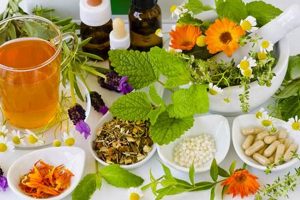
These supplements represent a blend of vitamins and minerals derived from plant sources. They aim to provide nutritional support using botanical ingredients, offering an alternative to synthetic formulations. An example includes a product containing extracts from fruits, vegetables, and herbs known for their vitamin and mineral content, encapsulated for convenient consumption.
The appeal of these preparations stems from a perceived connection to nature and a belief in the inherent benefits of plant-based nutrients. Historically, traditional medicine systems have long utilized plants for their therapeutic properties, which informs the modern usage of these supplements. Potential advantages may include improved bioavailability and enhanced absorption of nutrients due to the presence of naturally occurring co-factors found in the plant extracts.
This exploration will delve into the formulation, sourcing, and regulation surrounding these dietary aids. Further discussion will address considerations for efficacy, safety, and appropriate use within a balanced lifestyle.
Guidance on Plant-Based Nutrient Supplements
The following information offers insights regarding the selection and utilization of supplements containing plant-derived vitamins and minerals.
Tip 1: Prioritize Transparency in Sourcing. Reputable manufacturers will clearly indicate the botanical sources of their ingredients. Look for certifications or documentation confirming the origin and quality of the plant extracts used.
Tip 2: Scrutinize Ingredient Lists Carefully. Beyond the primary plant extracts, examine the full ingredient list for potential allergens, artificial additives, or unnecessary fillers. Opt for formulations with minimal excipients.
Tip 3: Research Bioavailability and Absorption. Some plant-derived nutrients may have varying degrees of bioavailability compared to their synthetic counterparts. Investigate studies or information regarding the absorption rates of specific ingredients in a given supplement.
Tip 4: Consider Synergistic Effects. Certain combinations of plant extracts may offer enhanced benefits due to synergistic interactions. Research the potential advantages of formulations containing multiple botanical ingredients.
Tip 5: Adhere to Recommended Dosages. The concentration of active compounds in plant extracts can vary. Always follow the manufacturer’s recommended dosage guidelines to avoid potential adverse effects.
Tip 6: Consult with a Healthcare Professional. Individuals with pre-existing medical conditions or those taking medications should seek guidance from a qualified healthcare provider before incorporating any new supplement into their regimen.
Tip 7: Monitor for Potential Interactions. Plant extracts can interact with certain medications. Closely monitor for any unexpected side effects or changes in medication effectiveness.
These guidelines emphasize the importance of informed decision-making when selecting and using supplements containing plant-derived nutrients. Prioritizing transparency, research, and professional consultation is essential for maximizing potential benefits and minimizing risks.
The subsequent section will address regulatory aspects and quality control standards relevant to these products.
1. Botanical Sources

The selection of botanical sources is fundamental to the composition and potential efficacy of supplements derived from plants. These sources directly determine the specific array of vitamins, minerals, and other phytonutrients present in the final product, influencing its purported health benefits.
- Plant Species Selection
The choice of plant species dictates the specific nutrient profile. Different plants accumulate varying concentrations of vitamins, minerals, and bioactive compounds. For example, Acerola cherries are often chosen for their high vitamin C content, while spirulina is selected for its comprehensive range of vitamins, minerals, and antioxidants. This selection is critical in determining the primary focus of the supplement.
- Geographic Origin and Growing Conditions
The geographic location where the plants are grown, along with environmental factors such as soil composition, sunlight exposure, and rainfall, significantly affects their nutritional content. Plants grown in nutrient-rich soil under optimal conditions generally exhibit higher concentrations of beneficial compounds. Sourcing from specific regions known for optimal growing conditions can therefore enhance the quality of the supplement.
- Extraction Methods
The methods used to extract nutrients from the plant material impact the purity and concentration of the final product. Different extraction techniques, such as solvent extraction or cold pressing, can selectively isolate specific compounds while minimizing the inclusion of unwanted substances. Selecting appropriate extraction methods is crucial for preserving the integrity of the desired nutrients.
- Organic vs. Conventional Farming Practices
The farming practices employed in cultivating the source plants influence the presence of pesticides, herbicides, and other contaminants in the final supplement. Organic farming practices minimize the use of synthetic chemicals, resulting in a purer product with potentially reduced exposure to harmful substances. Opting for supplements derived from organically grown plants can be a consideration for consumers seeking to minimize chemical exposure.
The botanical sources, therefore, represent a critical control point in the manufacturing of supplements derived from plants. Careful selection of plant species, consideration of geographic origin and growing conditions, optimization of extraction methods, and adherence to organic farming practices all contribute to the overall quality, safety, and potential efficacy of such preparations. The origin of these sources and how they are processed are crucial in determining the final product’s characteristics and subsequent impact on health.
2. Nutrient Profile
The nutrient profile of a supplement derived from plants is a critical determinant of its potential health benefits. It defines the specific array and concentration of vitamins, minerals, and other bioactive compounds present, thereby dictating its ability to address nutritional gaps or support specific physiological functions.
- Vitamin and Mineral Composition
This aspect refers to the types and quantities of essential vitamins and minerals present. The inclusion of specific nutrients, such as Vitamin D, B vitamins, or iron, directly impacts the supplement’s ability to address deficiencies or support overall health. For example, a product might emphasize B-complex vitamins derived from quinoa sprouts to support energy metabolism. The selection and quantities must align with established Recommended Daily Allowances (RDAs) to provide meaningful nutritional support without exceeding safe upper limits.
- Phytonutrient Content
Beyond vitamins and minerals, plant sources often contain a diverse range of phytonutrients, such as flavonoids, carotenoids, and polyphenols. These compounds may possess antioxidant, anti-inflammatory, or other beneficial properties that contribute to overall well-being. For instance, a formulation incorporating turmeric extract may provide curcuminoids known for their anti-inflammatory effects. The presence and concentration of these phytonutrients contribute to the supplement’s unique functional profile.
- Standardization of Active Compounds
To ensure consistency and efficacy, reputable manufacturers often standardize the concentration of key active compounds within the extract. This involves measuring and adjusting the amount of a specific compound, such as ginsenosides in ginseng extract or silymarin in milk thistle extract, to meet a predetermined level. Standardization provides a more reliable and predictable dose of the active ingredient responsible for the desired effect.
- Bioavailability Considerations
The nutrient profile must also account for bioavailability, which refers to the proportion of nutrients that are absorbed and utilized by the body. Some plant-derived nutrients may have limited bioavailability compared to their synthetic counterparts. The formulation may include ingredients or techniques to enhance absorption, such as piperine to improve curcumin absorption or liposomal encapsulation to protect sensitive nutrients. Bioavailability directly influences the effective delivery of nutrients to target tissues.
In conclusion, a comprehensive nutrient profile is essential for evaluating the potential benefits of supplements derived from plants. It encompasses the vitamin and mineral composition, phytonutrient content, standardization of active compounds, and bioavailability considerations. By carefully examining these aspects, consumers and healthcare professionals can make informed decisions regarding the selection and use of these products to support individual health needs.
3. Bioavailability
Bioavailability, in the context of supplements containing plant-derived vitamins and minerals, refers to the fraction of ingested nutrients that is absorbed from the digestive tract and becomes available for use in the body’s physiological processes. The bioavailability of nutrients within these supplements is not uniformly high and represents a critical factor determining their potential efficacy. The chemical form of the nutrient, the presence of other compounds in the formulation that may either enhance or inhibit absorption, and individual factors such as gut health all contribute to bioavailability variations. For example, iron from plant sources (non-heme iron) is generally less bioavailable than iron from animal sources (heme iron). This difference necessitates careful consideration of iron source and potential co-administration with absorption enhancers like vitamin C.
The significance of bioavailability extends beyond the simple presence of nutrients. A supplement may contain a high quantity of a particular vitamin or mineral, but if a substantial portion is not absorbed, the actual benefit to the consumer is diminished. Formulations of plant-derived multivitamins often incorporate strategies to improve bioavailability, such as using specific extraction methods, encapsulating nutrients in liposomes, or including compounds that promote absorption. For instance, curcumin, a key phytonutrient in turmeric, has notoriously poor bioavailability. Supplement formulations often include piperine, a component of black pepper, known to enhance curcumin absorption, thereby increasing its potential anti-inflammatory effects.
Understanding bioavailability is essential for both manufacturers and consumers. Manufacturers must develop formulations that maximize nutrient absorption, while consumers must be aware that the listed nutrient content of a supplement does not guarantee effective delivery to the body’s cells. Challenges in assessing bioavailability in vivo remain, but in vitro studies and clinical trials can provide valuable insights. Ultimately, bioavailability represents a crucial link between supplement composition and physiological impact, impacting the potential benefit and warranting careful consideration when evaluating supplements containing plant-derived nutrients.
4. Formulation Integrity
Formulation integrity, in the context of supplements containing plant-derived vitamins and minerals, is paramount to ensure safety, efficacy, and consistency. It encompasses various aspects of the manufacturing process, from ingredient sourcing to final product packaging. Compromised formulation integrity can lead to reduced potency, contamination, or even adverse health effects. A critical component of a plant-based multivitamin, its absence renders label claims unreliable. An example would be a supplement containing inconsistent levels of a specific active compound like ginsenosides in ginseng, leading to unpredictable physiological effects. Such variability undermines consumer confidence and may render the product ineffective.
Achieving and maintaining formulation integrity involves rigorous quality control measures throughout the manufacturing process. This includes verifying the identity and purity of raw materials, monitoring the extraction and processing methods, and conducting stability testing to ensure the product retains its potency over time. Contamination prevention protocols are also essential to mitigate the risk of introducing harmful substances, such as heavy metals or pesticides. For example, proper sourcing of plant materials from certified organic farms minimizes pesticide exposure, while adherence to Good Manufacturing Practices (GMP) reduces the risk of microbial contamination. Practical applications include the use of high-performance liquid chromatography (HPLC) to verify the concentration of active ingredients, and inductively coupled plasma mass spectrometry (ICP-MS) to detect heavy metal contaminants.
In summary, formulation integrity is not merely an optional aspect but rather a fundamental requirement for supplements containing plant-derived nutrients. It directly affects product safety, efficacy, and reliability. Challenges remain in ensuring consistent quality across different batches and manufacturers, highlighting the need for stringent regulatory oversight and consumer awareness. By prioritizing formulation integrity, manufacturers can build trust with consumers and contribute to the responsible use of plant-based multivitamins as part of a comprehensive approach to health and wellness.
5. Safety Profile

The safety profile of supplements incorporating plant-derived vitamins and minerals is a critical consideration for consumers and healthcare practitioners. Unlike single-nutrient supplements or pharmaceutical drugs, these preparations often contain complex mixtures of bioactive compounds, presenting unique challenges in assessing potential adverse effects and interactions.
- Herb-Drug Interactions
One significant aspect of the safety profile relates to the potential for interactions between plant-derived components and pharmaceutical drugs. Certain herbal ingredients can alter the metabolism or excretion of medications, leading to either increased or decreased drug levels in the body. For example, St. John’s Wort is known to induce enzymes that metabolize numerous drugs, potentially reducing their effectiveness. Careful evaluation of a patient’s medication list, coupled with knowledge of known herb-drug interactions, is crucial to avoid adverse outcomes.
- Allergic Reactions and Sensitivities
Supplements derived from plants may trigger allergic reactions or sensitivities in susceptible individuals. Plant-based ingredients can contain allergenic proteins or compounds that provoke immune responses. Common allergens include ragweed, chamomile, and certain tree nuts. Thorough review of the ingredient list and awareness of personal allergies or sensitivities are necessary to minimize the risk of adverse reactions. Cross-reactivity between related plant species can also occur, further complicating allergen identification.
- Dosage Considerations and Toxicity
The safety profile is closely tied to the dosage of plant-derived components. While some ingredients may be safe at low doses, exceeding recommended levels can lead to adverse effects. Certain plants contain toxic compounds that, even in small amounts, can cause harm. For example, pyrrolizidine alkaloids found in some herbal sources can cause liver damage with prolonged exposure. Adherence to recommended dosage guidelines and awareness of potential toxicity are crucial to prevent adverse health outcomes. The “dose makes the poison” principle applies to plant-derived supplements as it does to pharmaceuticals.
- Contamination and Adulteration
The safety profile can be compromised by contamination or adulteration of the supplement product. Plant-based ingredients may be contaminated with heavy metals, pesticides, or other environmental pollutants during cultivation or processing. Adulteration, the intentional addition of undeclared ingredients, is also a concern. Independent testing and certification programs can help verify the purity and authenticity of supplements, reducing the risk of exposure to harmful contaminants or undisclosed substances.
Collectively, these facets underscore the importance of a comprehensive assessment of the safety profile when considering supplements containing plant-derived vitamins and minerals. Awareness of potential herb-drug interactions, allergies, dosage-related toxicity, and contamination risks is essential to minimize potential harm and promote the safe and responsible use of these products.
6. Regulation Adherence
Regulation adherence constitutes a critical component in the production and distribution of supplements derived from plants, directly impacting consumer safety and product reliability. Inadequate regulatory oversight can lead to inconsistent product quality, inaccurate labeling, and potential exposure to harmful contaminants. Conversely, stringent adherence to established regulations promotes transparency, ensures product integrity, and safeguards public health. The relationship is causal: compliance with regulations serves as a preventative measure, mitigating risks associated with improperly manufactured or misrepresented products.
The importance of regulation adherence extends to various aspects of production, encompassing sourcing, manufacturing practices, and labeling requirements. For instance, regulations often mandate the verification of plant species to prevent the substitution of less expensive or potentially toxic alternatives. Similarly, adherence to Good Manufacturing Practices (GMPs) ensures that supplements are produced in a controlled environment, minimizing the risk of contamination with heavy metals, pesticides, or microbial pathogens. Labeling regulations require accurate and truthful information regarding ingredient composition, dosage recommendations, and potential allergens, enabling consumers to make informed choices. Failure to comply with these regulations can result in legal action, product recalls, and reputational damage for manufacturers.
In conclusion, regulation adherence is not merely a legal obligation but an ethical imperative for manufacturers of supplements containing plant-derived nutrients. It serves as a fundamental pillar of consumer protection, fostering trust and ensuring that these products meet established standards of quality and safety. Challenges remain in harmonizing regulations across different jurisdictions and enforcing compliance effectively. Continued emphasis on regulatory strengthening and heightened consumer awareness are essential to promote the responsible use of plant-based supplements within a comprehensive approach to health and wellness.
Frequently Asked Questions
This section addresses common inquiries concerning supplements containing plant-derived vitamins and minerals, providing informative responses to enhance understanding and promote responsible usage.
Question 1: Are herbal multivitamins superior to synthetic multivitamins?
The perceived superiority of supplements derived from plants is a subject of ongoing debate. Scientific evidence does not consistently demonstrate that nutrients from botanical sources are inherently more bioavailable or effective than their synthetic counterparts. The key lies in the specific formulation, the quality of ingredients, and individual physiological factors, rather than the source alone.
Question 2: How can the safety of a herbal multivitamin be assessed?
Evaluating the safety profile requires careful consideration of several factors. These include reviewing the ingredient list for potential allergens or contraindications, researching known herb-drug interactions, and adhering to recommended dosage guidelines. Independent third-party certifications can provide additional assurance of product purity and quality.
Question 3: What is the ideal dosage for a herbal multivitamin?
The optimal dosage varies depending on individual needs, health status, and the specific formulation of the supplement. Dosage recommendations provided by the manufacturer should be followed carefully. Consultation with a healthcare professional is advisable to determine appropriate dosage levels and address any potential safety concerns.
Question 4: Can herbal multivitamins replace a balanced diet?
Supplements derived from plants should not be considered a substitute for a balanced and varied diet. A healthy diet provides a wide range of essential nutrients and bioactive compounds that cannot be fully replicated by a single supplement. Such preparations should be viewed as complementary to a nutritious diet, not as a replacement.
Question 5: Are there specific populations who should avoid herbal multivitamins?
Certain populations, including pregnant or breastfeeding women, individuals with pre-existing medical conditions, and those taking medications, should exercise caution or avoid the use of supplements derived from plants. Consultation with a healthcare provider is essential to assess potential risks and benefits in these specific circumstances.
Question 6: How does one verify the authenticity and purity of a herbal multivitamin?
Verifying authenticity and purity involves several steps. Scrutinizing the product label for detailed ingredient information, researching the manufacturer’s reputation and quality control practices, and seeking out third-party certifications from reputable organizations can all contribute to ensuring product quality and safety. Contacting the manufacturer directly to request documentation or test results may also be beneficial.
In summary, these answers emphasize the importance of informed decision-making, diligent research, and consultation with healthcare professionals when considering the use of supplements derived from plants. A cautious and evidence-based approach is crucial to maximizing potential benefits and minimizing risks.
The subsequent section will provide concluding thoughts on the role of plant-derived multivitamins in supporting overall health and well-being.
Herbal Multivitamin
This exploration has elucidated various facets of supplements derived from plants, from botanical sourcing and nutrient profiles to bioavailability, formulation integrity, safety considerations, and regulatory compliance. The analysis underscores the complexity inherent in these preparations, demanding a discerning approach from both manufacturers and consumers. The botanical origins of the components, while appealing to some, necessitate rigorous quality control measures to ensure safety and efficacy. Consumers must exercise caution in selecting and utilizing these products, recognizing that “natural” does not automatically equate to “safe” or “superior.”
The landscape of plant-derived multivitamins is continuously evolving, driven by ongoing research and shifting consumer preferences. While such supplements may offer potential benefits as part of a comprehensive health strategy, they are not a panacea. A continued emphasis on evidence-based decision-making, coupled with informed consultation with healthcare professionals, is paramount. Future advancements in standardization, bioavailability enhancement, and rigorous clinical testing are crucial to unlocking the full potential of supplements derived from plants and solidifying their role in promoting overall well-being.