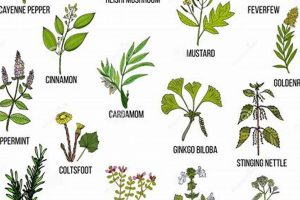
Approaches utilizing natural plant-derived remedies to address the inability to achieve or maintain an erection sufficient for satisfactory sexual activity represent a growing area of interest. These treatments often involve the ingestion of specific herbs or herbal combinations believed to promote blood flow, enhance libido, or otherwise improve erectile function. A prominent example includes the use of Panax ginseng, purported to enhance nitric oxide production, a crucial element in achieving and sustaining an erection.
The appeal of these alternative methods stems from a perceived lower risk of side effects compared to pharmaceutical interventions. Historically, herbal remedies have played a significant role in traditional medicine systems across various cultures for addressing sexual health concerns. Proponents suggest potential benefits include improved cardiovascular health, reduced stress, and hormonal balance, all factors that can indirectly contribute to better erectile function. However, rigorous scientific validation and standardized dosages remain areas of ongoing investigation.
The subsequent sections will delve into specific herbs commonly cited for their potential effects on erectile function, examining the available evidence, potential risks, and important considerations for individuals exploring these options. This includes a review of herbs like yohimbe, maca, and horny goat weed, alongside a discussion of the crucial need for consultation with qualified healthcare professionals before initiating any herbal treatment regimen.
Guidance on Herbal Approaches for Erectile Dysfunction
Navigating herbal treatments for erectile dysfunction requires careful consideration and a commitment to informed decision-making. The following guidance is intended to assist individuals in understanding key aspects of this approach.
Tip 1: Consult with a Qualified Healthcare Professional: Prioritize consultation with a physician or qualified herbalist before commencing any herbal regimen. This is crucial to rule out underlying medical conditions and to ensure the chosen herbs do not interact negatively with existing medications.
Tip 2: Research the Evidence Base: Scrutinize the available scientific evidence supporting the efficacy of specific herbs. Rely on reputable sources, such as peer-reviewed journals and systematic reviews, rather than anecdotal accounts or marketing materials.
Tip 3: Source Herbs from Reputable Suppliers: Obtain herbal products from trusted suppliers that adhere to quality control standards. This ensures the purity and potency of the herbs, minimizing the risk of contamination or adulteration.
Tip 4: Understand Potential Side Effects: Be aware of the potential side effects associated with each herb. Some herbs can cause adverse reactions, such as gastrointestinal distress, headaches, or allergic reactions. Monitor for any unusual symptoms and discontinue use if they occur.
Tip 5: Adhere to Recommended Dosages: Follow the recommended dosages provided by healthcare professionals or reputable herbalists. Exceeding the recommended dose can increase the risk of side effects without necessarily enhancing efficacy.
Tip 6: Recognize Individual Variability: Understand that responses to herbal treatments can vary significantly from person to person. Factors such as age, health status, and genetics can influence the effectiveness and tolerability of herbs.
Tip 7: Maintain Realistic Expectations: Recognize that herbal treatments may not provide immediate or dramatic results. It may take several weeks or months to experience noticeable improvements. A holistic approach, including lifestyle modifications, may be necessary for optimal outcomes.
Implementing these guidelines promotes a safe and informed approach to exploring natural remedies. It emphasizes the importance of personalized care and scientific rigor when addressing erectile dysfunction.
The subsequent discussion will explore specific herbal treatments and their potential role in a comprehensive strategy for addressing erectile dysfunction.
1. Safety Profiles

The evaluation of safety profiles is paramount when considering plant-derived remedies for erectile dysfunction. Understanding the potential risks and adverse effects associated with each herb is essential for mitigating harm and ensuring responsible usage.
- Pre-existing Conditions and Contraindications
Certain herbal remedies may be contraindicated for individuals with specific pre-existing medical conditions. For example, yohimbe, often promoted for erectile dysfunction, can exacerbate anxiety disorders or interact negatively with blood pressure medications. A thorough review of medical history and potential drug interactions is necessary to avoid adverse events.
- Potential Side Effects
Herbs, despite their natural origin, are not devoid of potential side effects. Common adverse reactions can include gastrointestinal distress, headaches, dizziness, or allergic reactions. Some herbs may also affect liver or kidney function, requiring monitoring in susceptible individuals. Awareness of potential side effects allows for prompt intervention and minimizes the risk of serious complications.
- Dosage and Toxicity
The dosage of herbal remedies significantly impacts their safety profile. Excessive doses can increase the risk of toxicity, leading to severe health consequences. Standardized dosages, based on scientific evidence, are crucial for minimizing potential harm. Variability in herb potency necessitates careful sourcing from reputable suppliers and adherence to recommended guidelines.
- Long-Term Effects
The long-term effects of many herbal remedies remain largely unknown. Limited research exists regarding the safety of prolonged use, particularly at high doses. Caution is advised when considering long-term herbal treatment, and regular monitoring for any adverse effects is recommended.
A comprehensive understanding of safety profiles enables informed decision-making when considering plant-derived remedies for erectile dysfunction. A collaborative approach involving healthcare professionals and careful self-monitoring is essential to mitigate risks and optimize therapeutic outcomes.
2. Scientific Validation

The determination of a potential benefit for plant-derived remedies aimed at improving erectile function depends critically on rigorous scientific validation. Without such validation, claims of efficacy remain unsubstantiated, potentially misleading consumers and hindering access to effective care.
- Randomized Controlled Trials (RCTs)
RCTs represent the gold standard for evaluating the efficacy of any treatment. In the context of herbal remedies for erectile dysfunction, RCTs involve comparing the effects of the herb to a placebo or standard treatment, with participants randomly assigned to each group. The results of well-designed RCTs provide the strongest evidence for or against the herb’s effectiveness. For example, several RCTs have explored the effect of Panax ginseng on erectile function, with some showing promising results while others have yielded inconclusive findings. Such inconsistencies underscore the need for careful interpretation of the available evidence.
- Meta-Analyses and Systematic Reviews
Meta-analyses and systematic reviews synthesize the findings of multiple studies, providing a comprehensive overview of the available evidence. These analyses can help to resolve conflicting results from individual studies and identify trends that may not be apparent from examining individual trials. For instance, a systematic review of studies on L-arginine, an amino acid often included in herbal formulations for erectile dysfunction, might reveal a small but statistically significant improvement in erectile function, but only at high doses with potential side effects. Such analyses are essential for informed decision-making.
- Mechanism of Action Studies
Understanding the mechanisms by which an herb is proposed to improve erectile function is crucial for assessing its plausibility and potential efficacy. These studies investigate the herb’s effects on relevant physiological processes, such as nitric oxide production, smooth muscle relaxation, or hormone levels. For example, research has shown that icariin, a compound found in horny goat weed, may inhibit phosphodiesterase type 5 (PDE5), the same enzyme targeted by sildenafil (Viagra). However, the concentrations of icariin required to achieve this effect in vitro may be much higher than those typically achieved with oral supplementation, raising questions about its clinical relevance.
- Quality Control and Standardization
The reproducibility of research findings on herbal remedies depends on consistent quality control and standardization of the herbal products used in the studies. Variations in plant species, growing conditions, harvesting methods, and extraction processes can significantly affect the chemical composition and potency of herbal products. Without proper standardization, it is difficult to compare results across studies or to ensure that consumers are receiving a product that is consistent with the one tested in clinical trials. For example, the amount of ginsenosides, the active compounds in Panax ginseng, can vary widely depending on the source and processing methods. Scientific validation therefore depends not only on clinical trials but also on ensuring the quality and consistency of the herbal products being tested.
The application of scientific validation principles remains paramount when evaluating any natural treatment strategy. The presence or absence of such data guides appropriate clinical decisions, ensuring patient safety and optimizing therapeutic outcomes. Therefore, individuals exploring options should focus on the evidence base when seeking natural interventions.
3. Individual Suitability

The determination of the most appropriate plant-derived remedy for erectile dysfunction is inextricably linked to the concept of individual suitability. The inherent variability in human physiology, pre-existing medical conditions, and concurrent medication regimens necessitates a personalized approach. What may represent a safe and effective option for one individual could prove ineffective or even harmful to another. This variability underscores the critical importance of carefully evaluating individual factors before initiating any herbal treatment.
A real-life example of the significance of individual suitability can be seen in the use of yohimbe. While yohimbe may enhance erectile function in some men by increasing blood flow, it can also trigger anxiety, elevate blood pressure, and interact negatively with antidepressants. For an individual with pre-existing anxiety or hypertension, yohimbe could therefore be contraindicated, regardless of its potential benefits for erectile dysfunction. Similarly, individuals with allergies to certain plants may experience adverse reactions to herbal remedies derived from those plants. The failure to consider individual factors can lead to suboptimal outcomes and potentially harmful consequences.
The practical significance of understanding individual suitability lies in the ability to tailor treatment plans to meet the specific needs and characteristics of each individual. This requires a thorough assessment of medical history, current medications, and any relevant lifestyle factors. By taking these factors into account, healthcare professionals can help individuals to select herbal remedies that are both safe and potentially effective for their specific situation, maximizing the likelihood of positive outcomes and minimizing the risk of adverse effects. This personalized approach represents a departure from a one-size-fits-all mentality, recognizing that what constitutes a favorable intervention varies widely across individuals.
4. Dosage Precision

The determination of the most suitable plant-derived remedy for erectile dysfunction is inextricably linked to dosage precision. The efficacy and safety of herbal interventions depend critically on administering appropriate quantities of active compounds. Sub-therapeutic doses may yield no discernible benefit, while excessive dosages can increase the risk of adverse effects. Therefore, achieving optimal outcomes relies on accurate and consistent dosing.
Illustratively, consider the example of Panax ginseng. While some studies suggest a potential benefit of Panax ginseng for erectile function, these studies often employ specific dosages ranging from 600-1000mg daily. Lower dosages may not produce the desired physiological effect, while higher dosages could, in some individuals, cause insomnia or digestive upset. The specific ginsenoside content, a key active component, also varies among Panax ginseng products, further complicating dosage considerations. The standardized extract ensures a consistent amount of active components, which leads to better and repeatable results.
In summary, precision is necessary to minimize risks and maximize efficacy. Careful attention to individual needs, along with consideration of the product’s potency and its administration guidelines, remains essential. This process emphasizes the importance of consulting healthcare professionals for tailored guidance in selecting remedies to address erectile dysfunction.
5. Source Reliability

The attainment of purported advantages from plant-derived remedies for erectile dysfunction is directly contingent upon the reliability of the source from which the products are obtained. The variability inherent in herbal products necessitates rigorous scrutiny of suppliers. Substandard manufacturing practices, adulteration with synthetic compounds, and inaccurate labeling can significantly compromise both the efficacy and safety of such treatments, rendering any potential benefits negligible and introducing potential health risks. The presence of undisclosed pharmaceuticals, heavy metals, or pesticides represents a critical concern in unregulated markets. Consequently, the selection of a reputable source emerges as a paramount determinant in achieving a beneficial outcome.
Consider the case of herbal aphrodisiacs purchased online from unverified vendors. Independent analyses have frequently revealed the presence of prescription-strength phosphodiesterase-5 (PDE5) inhibitors, the active ingredient in drugs like sildenafil, tadalafil, and vardenafil, which should only be used under medical supervision. Individuals consuming these adulterated products may experience adverse effects, particularly those with pre-existing cardiovascular conditions or who are taking interacting medications. Furthermore, the inconsistent dosages of these undeclared pharmaceuticals can lead to unpredictable and potentially dangerous outcomes. Conversely, purchasing herbal products from established manufacturers adhering to Good Manufacturing Practices (GMP) and conducting third-party testing provides a greater assurance of product quality, purity, and accurate labeling.
In summation, the selection of credible and verifiable suppliers is crucial for harnessing any possible benefits from plant-derived remedies. Thorough due diligence, including verification of manufacturing standards, independent testing reports, and transparent labeling practices, is essential to mitigate the risks associated with adulterated or substandard herbal products. Reliance on unverified sources can not only negate any potential therapeutic effects but also expose individuals to potentially harmful substances, undermining the very purpose of seeking natural interventions. The absence of source reliability ultimately invalidates the potential for obtaining a superior plant-derived remedy.
6. Potential Interactions

The selection of an optimal herbal treatment approach for erectile dysfunction requires meticulous consideration of potential interactions. Interactions between herbal remedies and conventional pharmaceuticals, other herbs, or even dietary supplements can significantly alter the efficacy and safety profiles of all involved substances. A synergistic interaction may enhance the effects of a medication, leading to toxicity, while an antagonistic interaction can diminish the therapeutic benefits. The absence of careful evaluation for these potential interactions transforms an otherwise promising herbal treatment into a potentially hazardous undertaking. Thus, an understanding of possible interactions is a crucial component when assessing what constitutes a superior natural remedy.
A clinically relevant example is the co-administration of Ginkgo biloba, often promoted for its vasodilatory effects, and anticoagulant medications such as warfarin. Ginkgo biloba possesses inherent antiplatelet properties. When combined with warfarin, the risk of bleeding significantly increases. Similarly, St. John’s Wort, sometimes explored for its potential mood-elevating effects, can induce cytochrome P450 enzymes, thereby reducing the plasma concentrations of numerous pharmaceuticals, including certain antidepressants, cardiovascular medications, and even some erectile dysfunction drugs. Such interactions can compromise the effectiveness of prescribed treatments. Furthermore, the combination of multiple herbs, each with its own set of bioactive compounds, further compounds the complexity and unpredictability of potential interactions. The lack of comprehensive pharmacokinetic and pharmacodynamic data for many herbal combinations presents a significant challenge in accurately predicting the consequences of concurrent use.
In conclusion, the evaluation of potential interactions forms a critical element in the selection and implementation of any herbal treatment strategy for erectile dysfunction. A thorough review of all medications, supplements, and dietary habits, coupled with consultation with a knowledgeable healthcare professional, is imperative to mitigate the risks associated with herb-drug interactions. This rigorous assessment ensures that the chosen herbal remedy can be safely and effectively integrated into an individual’s overall healthcare regimen, thereby maximizing the potential benefits while minimizing the potential for adverse outcomes. The failure to address potential interactions undermines the very premise of seeking natural interventions for health concerns.
Frequently Asked Questions
This section addresses common queries regarding the utilization of plant-derived remedies for erectile dysfunction, providing evidence-based answers to promote informed decision-making.
Question 1: Are herbal treatments a guaranteed cure for erectile dysfunction?
Herbal treatments are not a guaranteed cure. Efficacy varies depending on individual factors, underlying causes of erectile dysfunction, and the specific herbs employed. Some individuals may experience improvement, while others may not. A comprehensive evaluation by a healthcare professional is essential.
Question 2: Can herbal remedies be safely combined with prescription medications for erectile dysfunction?
Combining herbal remedies with prescription medications can pose significant risks due to potential interactions. Such combinations may alter the efficacy or increase the toxicity of either the herbal remedy or the prescription medication. Consultation with a physician is crucial before combining treatments.
Question 3: How can the quality and purity of herbal products be ensured?
Quality and purity can be partially ensured by selecting products from reputable manufacturers that adhere to Good Manufacturing Practices (GMP) and provide third-party testing results. Independent laboratory analysis can further verify the composition and potency of herbal products.
Question 4: What are the potential side effects associated with common herbal remedies for erectile dysfunction?
Potential side effects vary depending on the specific herb. Common side effects may include gastrointestinal distress, headaches, dizziness, or allergic reactions. Certain herbs may also interact negatively with pre-existing medical conditions or medications. A thorough review of potential side effects is necessary before use.
Question 5: Is a prescription required to obtain herbal remedies for erectile dysfunction?
In most jurisdictions, a prescription is not required to obtain many herbal remedies. However, it is strongly advised to consult with a healthcare professional before initiating any herbal treatment regimen, regardless of prescription status.
Question 6: How long does it typically take to experience noticeable results from herbal treatments for erectile dysfunction?
The time required to experience noticeable results varies considerably. Some individuals may experience improvements within a few weeks, while others may require several months. The response depends on factors such as the underlying cause of erectile dysfunction, the specific herbs used, and individual physiology.
In summary, while certain plant-derived remedies may offer potential benefits for erectile dysfunction, they are not a substitute for conventional medical care. Careful evaluation of individual suitability, potential interactions, and product quality is essential to mitigate risks and optimize outcomes.
The ensuing discussion will provide concluding remarks, summarizing the key considerations discussed.
Best Herbal Treatment for Erectile Dysfunction
This discussion has explored the complexities surrounding the concept of a “best herbal treatment for erectile dysfunction.” It has highlighted the necessity of rigorous scientific validation, careful consideration of individual suitability and potential interactions, and unwavering attention to product quality and source reliability. These factors collectively underscore the absence of a universally applicable or guaranteed solution within the realm of plant-derived remedies.
The responsible exploration of alternative treatments demands a commitment to informed decision-making, guided by evidence-based practices and professional medical advice. The pursuit of improved health outcomes requires a balanced perspective, acknowledging both the potential benefits and the inherent limitations of natural interventions. Further research is essential to fully elucidate the efficacy and safety profiles of various herbal remedies, ultimately empowering individuals to make well-informed choices in consultation with their healthcare providers.