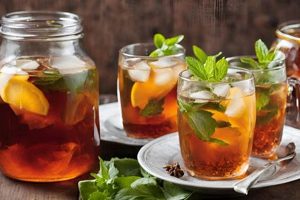
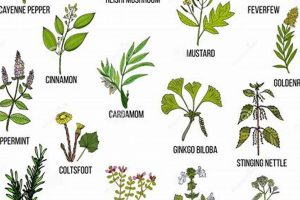
![Top Picks: Best Herbal Tea for Cold Relief [Guide] | The Ultimate Herbal Remedies Guide: Natural Healing for a Healthier Life](data:image/svg+xml;base64,PHN2ZyB4bWxucz0iaHR0cDovL3d3dy53My5vcmcvMjAwMC9zdmciIHdpZHRoPSI0NzQiIGhlaWdodD0iMjY2IiB2aWV3Qm94PSIwIDAgNDc0IDI2NiI+PHJlY3Qgd2lkdGg9IjEwMCUiIGhlaWdodD0iMTAwJSIgc3R5bGU9ImZpbGw6I2NmZDRkYjtmaWxsLW9wYWNpdHk6IDAuMTsiLz48L3N2Zz4= "Herbal Tea") Herbal Tea for Cold Relief [Guide]" width="100%" style="margin-right: 8px;margin-bottom: 8px;" />
Herbal Tea for Cold Relief [Guide]" width="100%" style="margin-right: 8px;margin-bottom: 8px;" />Specific plant-based infusions can provide relief from the discomfort associated with upper respiratory infections. These beverages leverage the inherent properties of various herbs to address symptoms such as congestion, sore throat, and general malaise. For instance, a warm drink prepared with dried elderflower is often consumed to potentially lessen the duration and severity of such ailments.
The practice of utilizing botanical preparations to soothe cold symptoms has historical roots in numerous cultures. Their purported benefits extend beyond simple hydration, encompassing anti-inflammatory, antiviral, and immune-boosting properties. Consequently, these traditional remedies are often considered complementary approaches to conventional treatments for common viral infections.
The following sections will explore several of these preparations in detail, outlining their purported mechanisms of action and highlighting relevant considerations for their consumption. Emphasis will be placed on providing evidence-based information to facilitate informed decision-making regarding their integration into wellness practices during periods of illness.
Guidance on Selecting and Utilizing Botanical Infusions for Cold Symptom Relief
The following guidelines offer practical advice on incorporating specific plant-based preparations to mitigate the effects of common upper respiratory infections. Adherence to these recommendations may contribute to enhanced comfort and potentially shortened duration of symptoms.
Tip 1: Prioritize Ingredient Quality: Opt for loose-leaf or certified organic varieties whenever possible. This minimizes exposure to potential contaminants and ensures a higher concentration of beneficial compounds.
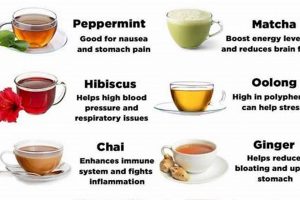
Tip 2: Consider Specific Symptom Targeting: Different herbs address different symptoms. Peppermint may alleviate congestion, while chamomile can promote relaxation and sleep. Select blends based on individual needs.
Tip 3: Maintain Adequate Hydration: Regular consumption is crucial. Aim for at least three to four cups per day, spacing intake throughout the day for consistent symptom management.
Tip 4: Adhere to Recommended Steeping Times: Prolonged steeping does not necessarily equate to greater potency. Follow package instructions carefully to avoid bitterness or unintended extraction of undesirable compounds.
Tip 5: Monitor for Potential Allergic Reactions: Introduce new herbs gradually to identify any adverse reactions. Discontinue use immediately if symptoms such as skin irritation or difficulty breathing occur.
Tip 6: Regard Dosage Appropriately: Excessive consumption, while rare, can lead to side effects. Consume herbal beverages in moderation and be mindful of the recommended dosage levels.
Tip 7: Supplement, Do Not Replace: Remember that these are supplemental measures. Seek professional medical advice for persistent or severe symptoms, or if there is no improvement with your cold.
Effective utilization of these botanical remedies necessitates careful consideration of individual needs and potential interactions. By adhering to quality sourcing, targeted selection, and mindful consumption, individuals can potentially enhance the therapeutic benefits of these traditional preparations.
The subsequent discussion will address potential contraindications and interactions with common medications, further reinforcing the importance of informed decision-making.
1. Symptom Specificity

The selection of an appropriate herbal beverage for cold symptom relief necessitates a targeted approach based on the specific ailments experienced. The efficacy of a botanical infusion is significantly enhanced when its constituent herbs are chosen to address the individual’s unique symptom profile, ensuring a more direct and potentially more effective therapeutic intervention.
- Congestion Alleviation
Certain herbs, such as peppermint and eucalyptus, possess decongestant properties. Their volatile oils can help to loosen mucus and clear nasal passages, providing relief from nasal congestion and facilitating easier breathing. Utilizing preparations containing these herbs is pertinent for individuals experiencing significant nasal blockage.
- Sore Throat Soothing
Inflammation and irritation of the throat can be mitigated through the use of herbs with demulcent properties. Slippery elm and licorice root, for example, create a soothing coating on the throat lining, reducing discomfort during swallowing. These herbs are valuable for individuals with sore throats.
- Cough Suppression
Herbs like thyme and marshmallow root have antitussive effects, helping to suppress coughing. Thyme’s expectorant properties can also aid in clearing mucus from the respiratory tract. A targeted preparation that incorporates herbs with antitussive and expectorant properties is advantageous for those with persistent coughs.
- Immune Support
While not directly addressing specific symptoms, some herbs, such as elderberry and echinacea, are purported to possess immune-boosting properties. These herbs may support the body’s natural defenses and potentially reduce the duration of the illness. Consider their use to support overall well-being during a cold, though more research is needed to confirm their efficacy.
The strategic selection of herbal infusions, tailored to address the unique spectrum of symptoms presented during a cold, contributes to a more effective and targeted approach to symptom management. Individual needs and the specific profile of symptoms should dictate the choice of botanical preparations. This targeted strategy is important for an herbal remedy to be considered the “best”.
2. Ingredient Quality

The assessment of whether an herbal tea is considered optimal for cold relief is intrinsically linked to the quality of its constituent ingredients. The inherent chemical composition of herbs is significantly influenced by factors such as cultivation methods, harvesting practices, and post-harvest processing. Consequently, variations in these factors can directly impact the concentration of active compounds responsible for therapeutic effects. For example, chamomile flowers grown in pesticide-free environments and harvested at peak bloom are likely to yield a more potent anti-inflammatory infusion compared to those cultivated with synthetic chemicals and harvested prematurely.
The sourcing and handling of herbal ingredients also contribute to their overall quality. Herbs stored improperly, exposed to excessive light, heat, or moisture, can degrade, leading to a reduction in potency and potentially the formation of undesirable compounds. Therefore, certified organic and ethically sourced herbs, processed and packaged to minimize degradation, are preferable. An example would be sourcing ginger root from regions known for their high-quality ginger production, where traditional cultivation methods are used, leading to a rhizome with a higher concentration of gingerol, a key anti-inflammatory compound. Furthermore, freshness matters; herbs should ideally be used within a reasonable timeframe after harvesting to ensure that they have retained their volatile oils and active components.
In conclusion, the link between ingredient quality and the efficacy of an herbal beverage for cold relief is direct and undeniable. The selection of high-quality, ethically sourced, and properly processed herbal ingredients is crucial for maximizing therapeutic benefits and minimizing the risk of contaminants or degradation. This focus on quality is a fundamental prerequisite for any preparation aiming to be recognized as an optimal choice for mitigating cold symptoms, thus reinforcing the point that ingredient quality is important in identifying the “best herbal tea for cold”.
3. Potential Interactions

The assessment of an herbal tea’s suitability for cold symptom relief necessitates a careful consideration of potential interactions with pre-existing medical conditions and concurrent medications. Ignoring these interactions can lead to adverse effects, undermining the intended benefits and potentially exacerbating health concerns. The “best herbal tea for cold” is one that poses minimal risk of such interactions.
- Anticoagulant Medications
Certain herbs, such as chamomile, ginger, and garlic, possess natural anticoagulant properties. When combined with pharmaceutical anticoagulants like warfarin or heparin, they can increase the risk of bleeding. Individuals on these medications must exercise caution and consult with a healthcare professional prior to consuming herbal infusions containing these ingredients. The potential for increased bleeding risk is a significant factor in determining the safety profile of the “best herbal tea for cold”.
- Medications Metabolized by the Liver
The liver’s cytochrome P450 enzyme system is responsible for metabolizing many medications. Some herbs, like St. John’s Wort (though not commonly used for colds), can induce or inhibit these enzymes, altering the metabolism of other drugs. This could lead to either reduced effectiveness of the medication or increased drug toxicity. Therefore, it’s important to ascertain whether any herbs in the infusion can influence drug metabolism, impacting the choice of the “best herbal tea for cold”.
- Sedative Medications
Herbs with sedative properties, such as chamomile, valerian root, and lavender, can potentiate the effects of sedative medications, including benzodiazepines and antihistamines. This can lead to excessive drowsiness, impaired coordination, and increased risk of falls. Individuals taking sedative medications should use caution when consuming herbal blends containing these herbs. Awareness of potential additive sedative effects is paramount in choosing the “best herbal tea for cold”.
- Blood Pressure Medications
Some herbs can influence blood pressure, either raising or lowering it. For example, licorice root can potentially increase blood pressure in some individuals. This is particularly relevant for individuals taking antihypertensive medications, as it can interfere with the effectiveness of these drugs. Careful consideration of the potential impact on blood pressure is essential when determining the suitability of the “best herbal tea for cold”.
The existence of these potential interactions underscores the importance of informed decision-making when selecting an herbal beverage for cold relief. A thorough review of individual medication lists and medical conditions, coupled with consultation with a healthcare provider or qualified herbalist, can help mitigate these risks and ensure that the chosen herbal infusion is both safe and effective, increasing the chance to select “best herbal tea for cold” without negative interactions.
4. Individual Tolerance

The selection of the most suitable herbal infusion for mitigating cold symptoms is intrinsically linked to the concept of individual tolerance. Physiological variations, pre-existing sensitivities, and idiosyncratic reactions to specific botanical compounds render a universally applicable “best” solution unattainable. The efficacy and safety of any herbal remedy are contingent upon an individual’s unique response to its constituents.
Adverse reactions to herbal teas, though generally infrequent, can manifest in various forms, ranging from mild gastrointestinal discomfort to more severe allergic responses. For instance, an individual with a known ragweed allergy may experience cross-reactivity to chamomile, a common ingredient in soothing herbal blends. Similarly, individuals with pre-existing gastrointestinal conditions may find that certain herbs exacerbate their symptoms, leading to discomfort rather than relief. Consider an individual with Irritable Bowel Syndrome who finds that peppermint, often recommended for decongestion, triggers abdominal cramping. In such scenarios, careful consideration of individual tolerance is paramount in selecting an alternative, symptom-specific remedy that is both effective and well-tolerated. This personalized approach underscores the importance of recognizing that the “best herbal tea for cold” is subjective and dependent on individual factors.
In summation, individual tolerance is a critical determinant in the selection of an herbal remedy for cold symptom relief. Recognizing that physiological variations and pre-existing sensitivities can significantly impact the efficacy and safety of herbal infusions is essential for ensuring a positive therapeutic outcome. Ignoring individual tolerance can lead to adverse reactions and undermine the intended benefits. Therefore, a personalized approach, informed by careful self-assessment and, when necessary, consultation with a healthcare professional, is crucial for identifying an herbal tea that is both effective and well-tolerated, thus representing the “best” choice for the individual in question.
5. Proper Preparation

Optimal extraction of bioactive compounds from plant material is intrinsically linked to preparation methods. Consequently, the effectiveness of any plant-based beverage intended for cold symptom relief is directly influenced by adherence to established protocols for infusion.
- Water Temperature
Specific temperature ranges are critical for extracting the desired constituents while minimizing the release of undesirable compounds. For example, excessively hot water can degrade volatile oils in delicate herbs like chamomile, diminishing its calming properties. Conversely, water that is too cool may not effectively extract the therapeutic compounds from denser materials such as ginger root. Employing a thermometer to ensure the correct water temperature, typically between 170F and 212F (77C to 100C) depending on the herb, is paramount for maximizing the therapeutic potential.
- Steeping Time
The duration of infusion significantly impacts the concentration of bioactive compounds in the final product. Insufficient steeping will result in an under-extracted beverage, while excessive steeping can lead to the release of bitter tannins or other undesirable components. Adhering to recommended steeping times, typically ranging from 5 to 15 minutes depending on the herb, is crucial for achieving an optimal balance of flavor and therapeutic potency. For example, steeping green plant leaves too long may create unpalatable and less enjoyable tea.
- Herb-to-Water Ratio
The ratio of plant material to water directly influences the concentration of active compounds in the infusion. Using an insufficient quantity of herb will result in a weak and ineffective beverage, while excessive quantities may lead to an overly concentrated and potentially bitter brew. Following recommended ratios, typically ranging from 1 teaspoon to 1 tablespoon of dried herb per cup of water, depending on the herb’s density and potency, is essential for achieving a balanced and therapeutic infusion.
- Covering During Steeping
Covering the infusion vessel during steeping helps to prevent the loss of volatile aromatic compounds, which often contribute to the therapeutic properties of the beverage. This simple step helps to retain the beneficial oils that might otherwise evaporate, ensuring a more potent and effective final product. Covering the container or tea cup will retain beneficial elements, thus increasing the value of the herbal tea.
Proper preparation, encompassing precise control over water temperature, steeping time, herb-to-water ratio, and containment of volatile components, is not merely a matter of culinary preference; it is an integral factor in determining the therapeutic effectiveness of an herbal tea for cold relief. Adherence to these established protocols significantly enhances the extraction and preservation of bioactive compounds, maximizing the potential for symptomatic alleviation.
Frequently Asked Questions Regarding Botanical Infusions for Cold Symptom Relief
This section addresses prevalent inquiries concerning the application of specific plant-based beverages in mitigating the discomfort associated with upper respiratory infections.
Question 1: Are all herbal teas equally effective for cold symptom relief?
No. The efficacy varies depending on the specific herbs used and their known therapeutic properties. Some herbs possess decongestant qualities, while others offer anti-inflammatory or analgesic effects. Selection should align with the symptoms presented.
Question 2: How does one determine the appropriate dosage of an herbal tea for cold relief?
Dosage recommendations vary depending on the herb and the individual. Following package instructions or consulting a qualified herbalist is advised. Starting with lower doses and gradually increasing as needed, while monitoring for adverse reactions, is a prudent approach.
Question 3: Are there potential side effects associated with consuming botanical beverages for colds?
Yes. While generally considered safe for most individuals, specific herbs can cause adverse reactions in susceptible individuals. Allergic reactions, gastrointestinal upset, and interactions with medications are potential concerns. Discontinuing use upon experiencing any adverse symptoms is recommended.
Question 4: Can herbal teas replace conventional medical treatments for colds?
No. Botanical infusions are best viewed as complementary therapies. They should not replace conventional medical treatments, especially in cases of severe or persistent symptoms. Seeking professional medical advice is crucial for proper diagnosis and management of respiratory infections.
Question 5: How can one ensure the quality and purity of herbal tea ingredients?
Selecting reputable brands that prioritize organic or wild-crafted herbs is recommended. Examining product labels for certification of quality and purity is also advisable. Sourcing from trusted suppliers can minimize the risk of contamination with pesticides or adulterants.
Question 6: Can botanical infusions be safely administered to children experiencing cold symptoms?
Caution is advised when administering herbal teas to children. Some herbs may be contraindicated for certain age groups or medical conditions. Consulting a pediatrician or qualified healthcare professional before administering herbal remedies to children is strongly recommended.
In conclusion, while botanical infusions offer a potential avenue for symptom alleviation during a cold, a discerning approach is warranted. Awareness of potential interactions, side effects, and the importance of quality control is crucial for responsible utilization.
The subsequent section will offer concluding remarks, summarizing essential points to consider when seeking botanical remedies for cold symptom relief.
Conclusion
The preceding exploration has underscored the complexities involved in identifying the “best herbal tea for cold.” While anecdotal evidence and traditional practices suggest potential benefits, a discerning approach is warranted. Key considerations include the specificity of symptoms, the quality of ingredients, awareness of potential interactions with medications or pre-existing conditions, individual tolerance, and the application of proper preparation methods. The efficacy of any botanical infusion is contingent upon a holistic assessment of these factors, recognizing that a universally applicable solution is unlikely.
Ultimately, the integration of herbal remedies into wellness practices during periods of illness necessitates a commitment to informed decision-making. Individuals are encouraged to consult with qualified healthcare professionals or experienced herbalists to tailor their selection and usage to their unique needs and circumstances. Prudent application, guided by evidence-based information and professional guidance, can maximize the potential for therapeutic benefits while minimizing the risk of adverse effects, ensuring a safer and more effective experience with plant-based remedies. The selection of “best herbal tea for cold” should be undertaken with deliberation, rather than casual presumption.