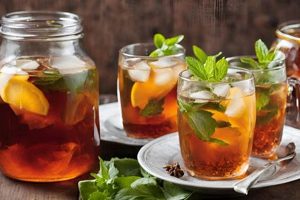
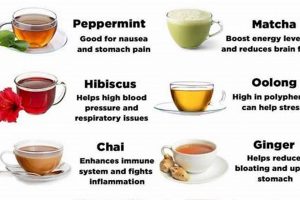
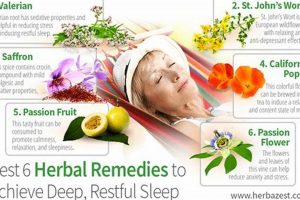
The selection of specific plant-derived infusions can offer a calming effect, potentially mitigating the symptoms associated with unease and worry. For example, consuming a warm beverage made from chamomile flowers is a common practice employed to encourage relaxation before sleep.
These natural remedies have been utilized for centuries across various cultures, appreciated for their gentle approach to promoting well-being. The perceived advantages include reduced muscle tension, a decrease in mental agitation, and an overall improvement in mood, often without the adverse side effects associated with pharmaceutical interventions. Historical records document the use of such botanicals in traditional medicine systems as far back as ancient civilizations.
The subsequent discussion will explore several varieties renowned for their anxiolytic properties, examining their purported mechanisms of action and outlining potential considerations for incorporating them into a daily routine. Furthermore, factors influencing the effectiveness of these options, such as preparation methods and individual sensitivities, will be addressed.
Guidance on Selecting Relaxant Herbal Infusions
The following recommendations are intended to provide informed guidance regarding the utilization of certain herbal infusions to address feelings of unease and apprehension. These suggestions are presented for informational purposes only and should not substitute professional medical advice.
Tip 1: Prioritize Purity and Source: When acquiring herbal products, prioritize those from reputable suppliers who adhere to stringent quality control standards. Opt for certified organic options to minimize exposure to pesticides and other potentially harmful chemicals.
Tip 2: Observe Brewing Protocols: Adherence to proper brewing techniques is essential for optimal extraction of beneficial compounds. Consult packaging instructions for specific temperature and steeping time recommendations for each herb.
Tip 3: Commence with Small Quantities: Introduce new herbal infusions gradually to assess individual tolerance and identify any potential allergic reactions. Begin with a small serving size and monitor for adverse effects.
Tip 4: Maintain Consistency: Consistent consumption over a period of weeks may be necessary to observe noticeable benefits. Integrate the chosen infusion into a regular daily or nightly routine.
Tip 5: Consider Blending Varieties: Combining complementary herbs can potentially enhance overall effectiveness. Research synergistic pairings and consult with a qualified herbalist for personalized blend recommendations.
Tip 6: Be Mindful of Potential Interactions: Certain herbs may interact with pharmaceutical medications. Consult with a healthcare professional to assess potential contraindications, especially if currently taking prescription drugs.
Tip 7: Practice Mindful Consumption: Engage in the ritual of preparing and consuming the infusion with intention. Create a calming environment and focus on the sensory experience to enhance relaxation.
Incorporating these suggestions can contribute to a more informed and potentially beneficial experience with herbal infusions intended to promote relaxation and reduce feelings of apprehension. However, individual responses may vary, and professional medical guidance remains paramount.
The subsequent section will offer an overview of specific herbal infusions commonly associated with anxiolytic effects, providing further insight into their purported mechanisms of action.
1. Herb Source
The origin and cultivation of herbs exert a significant influence on the therapeutic potential of botanical infusions intended for managing stress and unease. The environmental conditions, agricultural practices, and post-harvest handling procedures directly impact the concentration of active compounds, the presence of contaminants, and the overall quality of the final product. Consequently, a discerning approach to herb sourcing is paramount for individuals seeking tangible benefits.
- Geographic Origin and Environmental Factors
The location where an herb is grown profoundly affects its chemical composition. Soil composition, climate, altitude, and exposure to sunlight influence the production of essential oils, flavonoids, and other bioactive substances. For instance, chamomile grown in regions with optimal sunlight and well-drained soil may exhibit higher concentrations of apigenin, a compound associated with calming effects. Variations in environmental conditions can lead to inconsistencies in the potency and efficacy of herbal preparations.
- Cultivation Practices and Agricultural Standards
Conventional agricultural practices often involve the use of synthetic pesticides, herbicides, and fertilizers, which can contaminate the herbs and potentially negate their beneficial effects. Organic cultivation methods, on the other hand, prioritize the use of natural pest control and soil enrichment techniques, minimizing the risk of chemical residues. Herbs cultivated according to certified organic standards provide assurance that they have been grown without the use of harmful substances, enhancing their safety and therapeutic value.
- Harvesting and Post-Harvest Handling
The timing of harvest and the methods employed for drying, storing, and processing herbs significantly impact their quality and shelf life. Harvesting herbs at their peak maturity, when they contain the highest concentration of active compounds, is crucial. Proper drying techniques, such as air-drying in a cool, dark, and well-ventilated environment, help preserve the integrity of the herbs. Improper storage, such as exposure to light, heat, or moisture, can degrade the active compounds and diminish the effectiveness of the herbal infusion.
- Authentication and Quality Control
Adulteration, the deliberate or unintentional substitution of herbs with inferior or unrelated species, poses a significant challenge to the herbal industry. To ensure authenticity and quality, rigorous testing and analysis are necessary. Reputable suppliers employ techniques such as macroscopic and microscopic examination, chemical fingerprinting, and DNA barcoding to verify the identity and purity of their herbs. Certificates of analysis (COAs) provide valuable information about the chemical composition, potency, and absence of contaminants.
The aforementioned factors underscore the critical importance of selecting herbal infusions from sources that prioritize quality, sustainability, and transparency. Opting for herbs that are organically grown, properly harvested and processed, and rigorously tested for authenticity and purity can significantly enhance the likelihood of experiencing the desired therapeutic effects. While the specific chemical profile of an herb is key to unlocking potential benefits, it is impossible to guarantee the impact of botanical remedies for a specific issue such as unease without additional considerations.
2. Brewing Method
The brewing method employed in the preparation of herbal infusions exerts a direct influence on the extraction of bioactive compounds, consequently impacting the potential anxiolytic effects. Variations in water temperature, steeping time, and container materials affect the solubility and stability of these compounds, ultimately determining the composition and potency of the resulting beverage. An inadequate brewing process may fail to liberate sufficient quantities of therapeutic substances, rendering the infusion ineffective. Conversely, excessive heat or prolonged steeping can degrade delicate volatile oils, diminishing the intended calming properties.
For instance, chamomile, frequently cited for its relaxant attributes, requires careful handling during infusion. Boiling water can denature the apigenin compound, considered crucial for its calming effect. A recommended procedure involves using water heated to approximately 80-85C (176-185F) and steeping the flowers for 5-7 minutes in a covered vessel. This minimizes the loss of volatile oils and optimizes the extraction of beneficial compounds. Similarly, the preparation of lavender infusion necessitates gentle heating to prevent the evaporation of its aromatic components. The choice of container, such as glass or ceramic, also plays a role, as certain materials may interact with the herbal constituents.
In summary, the selection of an appropriate brewing method constitutes an indispensable component in harnessing the potential calming benefits of herbal infusions. Diligence in adhering to recommended temperatures, steeping durations, and container specifications ensures the efficient extraction and preservation of bioactive compounds, thereby maximizing the likelihood of achieving the intended anxiolytic effects. A failure to appreciate and implement these brewing subtleties diminishes the chances of deriving the desired therapeutic outcome.
3. Dosage Control
Dosage control constitutes a critical element in the utilization of herbal infusions intended to mitigate unease. The anxiolytic effects of botanicals are often dose-dependent, exhibiting a threshold below which therapeutic benefits are minimal or absent. Conversely, exceeding an optimal dosage can precipitate adverse reactions, counteracting the desired outcome. The concentration of active constituents varies among different herbal preparations, necessitating careful attention to recommended serving sizes. An appropriate dosage balances efficacy with safety, maximizing the likelihood of achieving a calming effect while minimizing the potential for negative consequences. For instance, valerian root, known for its sedative properties, can induce daytime drowsiness or gastrointestinal distress if consumed in excessive quantities. Adherence to established dosage guidelines or consultation with a qualified herbalist is paramount.
Precise dosage control enables a more predictable and consistent response to herbal interventions. Variances in individual physiology, metabolism, and sensitivity to specific compounds necessitate personalized adjustments. A standardized approach to dosage, based on body weight, age, and health status, facilitates the tailoring of herbal regimens to individual needs. Moreover, consistent monitoring of the effects of a particular dosage enables informed adjustments, optimizing the therapeutic benefits over time. Individuals who meticulously track their herbal intake and symptom response are better equipped to identify effective dosage levels and potential adverse reactions. This iterative process enhances the overall safety and efficacy of herbal self-care practices.
In summary, dosage control is not merely a technical consideration but a fundamental principle governing the responsible and effective application of herbal infusions for managing unease. By carefully calibrating the amount of herbal material consumed, individuals can optimize the potential benefits while mitigating the risks. A thorough understanding of dosage recommendations, coupled with attentive self-monitoring and professional guidance when necessary, empowers individuals to harness the therapeutic potential of herbal infusions with greater confidence and safety. Neglecting dosage control undermines the potential benefits and increases the probability of experiencing adverse effects, thereby diminishing the overall value of herbal interventions.
4. Individual Sensitivity
Individual sensitivity represents a pivotal factor influencing the efficacy and safety of herbal infusions intended for anxiolytic purposes. The physiological and psychological response to specific botanicals varies considerably among individuals, necessitating a personalized approach to selection and utilization. Genetic predispositions, existing health conditions, concurrent medications, and psychological factors all contribute to the spectrum of individual sensitivity observed in clinical and anecdotal reports.
- Pharmacokinetic Variability
Pharmacokinetics, the study of drug absorption, distribution, metabolism, and excretion (ADME), exhibits significant inter-individual variation. Genetic polymorphisms affecting liver enzymes, such as cytochrome P450 enzymes, can alter the rate at which individuals metabolize herbal compounds. For example, individuals with slower metabolic rates may experience prolonged effects from a standard dose of chamomile, potentially leading to excessive drowsiness. Conversely, rapid metabolizers may require higher doses to achieve the desired anxiolytic effect. This pharmacokinetic variability underscores the need for cautious dose titration and observation of individual responses.
- Allergic and Hypersensitivity Reactions
Herbal infusions, like any natural substance, can elicit allergic or hypersensitivity reactions in susceptible individuals. Allergies to specific plant families, such as Asteraceae (daisy family), to which chamomile belongs, can manifest as skin rashes, itching, hives, or, in severe cases, anaphylaxis. Individuals with known allergies to related plants should exercise caution when considering herbal infusions. Furthermore, even in the absence of a known allergy, individuals may exhibit idiosyncratic hypersensitivity reactions to specific compounds present in herbal preparations. These reactions can be unpredictable and necessitate immediate medical attention.
- Psychological Factors and Expectation Effects
The psychological context surrounding the consumption of herbal infusions can significantly influence their perceived effectiveness. Expectation effects, such as the placebo effect, can contribute to the anxiolytic benefits reported by some individuals. Beliefs about the efficacy of herbal remedies, prior experiences, and the perceived ritual of preparing and consuming the infusion can all shape the psychological response. While expectation effects should not be dismissed, it’s crucial to distinguish them from genuine pharmacological effects. Understanding the interplay between psychological factors and the intrinsic properties of herbal compounds is essential for a comprehensive assessment of their therapeutic potential.
- Interactions with Existing Health Conditions
Pre-existing health conditions can significantly modify an individual’s response to herbal teas for stress and anxiety. For instance, individuals with low blood pressure should exercise caution with herbs that possess hypotensive effects, as this can lead to dizziness or fainting. Furthermore, individuals with liver or kidney dysfunction may have impaired ability to metabolize or excrete herbal constituents, increasing the risk of adverse effects. Certain herbal compounds can also interact with autoimmune conditions, either exacerbating symptoms or interfering with conventional treatments. A thorough medical history and consultation with a healthcare professional are crucial for individuals with pre-existing health conditions who are considering the use of herbal infusions.
The foregoing discussion highlights the multifaceted nature of individual sensitivity in relation to botanical infusions. Ignoring these considerations can lead to ineffective outcomes or adverse reactions. A personalized approach, informed by medical history, allergy assessments, and an understanding of pharmacokinetic variability, maximizes the potential benefits while mitigating the risks. The selection of a purportedly suitable herbal tea must be accompanied by vigilance and attentive monitoring of individual responses, emphasizing that “best” is a subjective determination contingent upon unique physiological and psychological characteristics.
5. Underlying Condition
The presence of an undiagnosed or improperly managed health ailment significantly modulates the selection and efficacy of botanical infusions aimed at alleviating unease. Attributing anxiety solely to situational factors overlooks the potential contribution of physiological imbalances that necessitate targeted medical intervention. The appropriateness of particular herbal remedies, therefore, becomes contingent upon a comprehensive assessment of existing health conditions.
- Thyroid Disorders
Hyperthyroidism, characterized by excessive thyroid hormone production, frequently manifests as anxiety, irritability, and palpitations. In such instances, herbal infusions possessing stimulant properties, such as those containing caffeine or high concentrations of adaptogens, may exacerbate these symptoms. Conversely, hypothyroidism, or insufficient thyroid hormone production, can contribute to fatigue and depression, potentially necessitating a different set of herbal considerations or medical treatments altogether.
- Cardiovascular Disease
Cardiac arrhythmias and other cardiovascular conditions can trigger anxiety and panic attacks. The use of certain herbs, such as those containing ephedra or high levels of licorice, may interact with cardiovascular medications or exacerbate underlying heart conditions. Careful consideration of potential drug-herb interactions is crucial for individuals with cardiovascular disease considering herbal infusions for anxiety relief.
- Chronic Pain Syndromes
Chronic pain conditions, such as fibromyalgia and chronic back pain, often coexist with anxiety and depression. The selection of appropriate herbal remedies must account for the potential for herb-drug interactions with pain medications, as well as the potential for certain herbs to either alleviate or exacerbate pain symptoms. A holistic approach integrating pain management strategies with anxiety reduction techniques is often necessary.
- Gastrointestinal Disorders
Irritable bowel syndrome (IBS) and other gastrointestinal disorders are frequently associated with anxiety. The selection of herbal infusions must consider the potential for certain herbs to either alleviate or exacerbate digestive symptoms. For instance, chamomile may soothe digestive upset in some individuals, while peppermint can trigger heartburn in others. A careful assessment of individual digestive sensitivities is essential.
In summary, the presence of an underlying condition fundamentally alters the selection process for botanical infusions. Overlooking this aspect can lead to ineffective or even detrimental outcomes. The most effective strategy involves a comprehensive medical evaluation to identify any underlying health issues, followed by a collaborative approach between the individual, a medical professional, and a qualified herbalist to determine the safest and most appropriate herbal interventions.
6. Medication Interaction
Concurrent usage of pharmaceutical medications and botanical infusions necessitates careful consideration, as the potential for interactions can significantly impact both the efficacy of the medications and the safety of the individual. Understanding these interactions is critical in selecting appropriate herbal teas intended for mitigating stress and unease.
- Cytochrome P450 Inhibition/Induction
Many pharmaceuticals are metabolized by cytochrome P450 (CYP450) enzymes in the liver. Certain herbal constituents can inhibit or induce these enzymes, altering drug metabolism. For instance, St. John’s Wort, though not typically consumed as a tea, is a known CYP3A4 inducer, potentially reducing the effectiveness of drugs like birth control pills, antidepressants, and anticoagulants. The extent of this interaction is dose-dependent and varies among individuals based on genetic factors and overall health. Even seemingly innocuous herbal teas can possess mild enzyme-altering properties. A qualified healthcare provider or pharmacist should be consulted to evaluate potential interactions.
- Additive Sedative Effects
Combining sedative herbal teas with prescription anxiolytics or hypnotics can result in additive central nervous system depression. Herbs like valerian, chamomile, and lavender possess mild sedative properties. When co-administered with benzodiazepines, opioids, or antihistamines, the combined effect can lead to excessive drowsiness, impaired cognitive function, and increased risk of falls. This is particularly concerning in elderly individuals or those with pre-existing respiratory conditions. Prudent monitoring for signs of over-sedation is essential in patients using these combinations.
- Impact on Anticoagulation
Certain herbal teas can influence blood clotting mechanisms, potentially interacting with anticoagulant medications like warfarin. Herbs containing coumarin-like compounds, such as chamomile, can enhance the effects of anticoagulants, increasing the risk of bleeding. Conversely, other herbs may possess pro-coagulant properties, potentially reducing the effectiveness of anticoagulants and increasing the risk of thrombosis. Regular monitoring of coagulation parameters, such as INR (International Normalized Ratio), is necessary in patients using anticoagulants who also consume herbal teas.
- Modulation of Neurotransmitter Systems
Some herbal teas can modulate neurotransmitter systems in the brain, potentially interacting with psychiatric medications. For example, St. John’s Wort affects serotonin, dopamine, and norepinephrine levels. This can lead to serotonin syndrome when combined with SSRIs (selective serotonin reuptake inhibitors) or MAOIs (monoamine oxidase inhibitors). Even less potent herbs may have subtle effects on neurotransmitter activity, potentially altering the response to psychiatric medications. Consultation with a psychiatrist or qualified healthcare provider is crucial to assess the risks and benefits of combining herbal teas with psychiatric medications.
Acknowledging the potential for interactions between pharmaceutical medications and botanical infusions underscores the importance of open communication with healthcare providers. Individuals should disclose all herbal supplements and teas they consume to allow for informed decision-making regarding medication management. A comprehensive understanding of potential interactions enables the selection of safer and more effective herbal interventions for mitigating stress and unease while minimizing the risk of adverse outcomes.
7. Consistent Use
The attainment of discernible anxiolytic effects from plant-derived infusions necessitates sustained and regular consumption. Sporadic or infrequent utilization typically fails to elicit the desired reduction in unease or tension, underscoring the critical role of consistent use as a fundamental component in realizing the purported benefits. The cumulative impact of continued exposure to bioactive compounds, as opposed to intermittent intake, facilitates the gradual modulation of physiological processes associated with anxiety.
For instance, individuals incorporating chamomile tea into a daily nighttime routine often report a progressive improvement in sleep quality and a decrease in generalized anxiety levels over a period of weeks. This sustained effect contrasts sharply with the negligible impact observed following isolated consumption. Similarly, consistent intake of lavender infusions has been associated with a reduction in subjective anxiety scores in clinical studies, highlighting the importance of prolonged exposure for therapeutic efficacy. The underlying mechanisms likely involve the gradual modulation of neurotransmitter systems and the reduction of stress hormones. However, these effects are contingent upon unwavering adherence to a regular consumption schedule, rendering occasional indulgence insufficient for achieving meaningful and lasting anxiolytic benefits.
In conclusion, while the inherent properties of certain herbal infusions may contribute to the reduction of anxiety symptoms, the realization of these benefits remains inextricably linked to the practice of consistent use. The accumulation of bioactive compounds and their sustained influence on physiological processes necessitate adherence to a regular consumption schedule. The occasional or sporadic use of herbal teas is unlikely to yield substantial or durable anxiolytic effects, emphasizing the practical significance of consistent use as a cornerstone of effective herbal self-care for managing unease.
Frequently Asked Questions
The following addresses common inquiries regarding the use of herbal infusions to manage unease. The information provided is for educational purposes and does not constitute medical advice.
Question 1: Are herbal infusions a substitute for professional mental health treatment?
Herbal infusions are not intended to replace professional medical or psychological care. If experiencing persistent or severe stress or anxiety, a qualified healthcare provider should be consulted for proper diagnosis and treatment. Herbal remedies may serve as a complementary approach under medical supervision.
Question 2: How quickly can the anxiolytic effects of herbal infusions be observed?
The onset of noticeable anxiolytic effects varies among individuals and depends on factors such as the specific herbs used, dosage, consistency of use, and individual sensitivity. Some individuals may experience a subtle calming effect shortly after consumption, while others may require several weeks of regular use to observe significant benefits.
Question 3: Are there potential side effects associated with herbal infusions?
While generally considered safe, herbal infusions can cause side effects in some individuals. Common side effects may include allergic reactions, digestive upset, and drowsiness. Certain herbs may interact with medications or exacerbate existing health conditions. Consulting with a healthcare professional prior to using herbal infusions is recommended, particularly for individuals with pre-existing medical conditions or those taking prescription medications.
Question 4: Is organic certification essential for herbal infusions?
Opting for certified organic herbal infusions minimizes the risk of exposure to pesticides, herbicides, and other potentially harmful chemicals. While organic certification is not strictly essential, it provides assurance that the herbs have been cultivated according to environmentally sustainable practices.
Question 5: Can herbal infusions be safely consumed during pregnancy or breastfeeding?
Many herbs are contraindicated during pregnancy and breastfeeding due to potential risks to the developing fetus or infant. Consulting with a qualified healthcare provider or herbalist is crucial prior to using any herbal infusion during pregnancy or breastfeeding to ensure safety and avoid potential adverse effects.
Question 6: Is it possible to develop a tolerance to the anxiolytic effects of herbal infusions?
While tolerance can develop with prolonged use of some sedative herbs, it is generally less pronounced compared to pharmaceutical anxiolytics. Cycling between different herbal infusions or taking occasional breaks can help prevent tolerance and maintain effectiveness.
In summary, herbal infusions may offer a complementary approach to managing mild stress and anxiety, but they are not a substitute for professional medical care. Individual responses vary, and potential side effects and interactions should be carefully considered. Consultation with a healthcare provider is always recommended prior to incorporating herbal remedies into a health regimen.
The subsequent discussion will delve into specific herbal varieties commonly associated with anxiolytic effects.
Conclusion
The selection of an appropriate botanical infusion demands careful consideration of various factors, encompassing herb sourcing, brewing methodology, dosage control, individual sensitivities, underlying medical conditions, potential medication interactions, and consistency of use. The convergence of these elements determines the ultimate efficacy and safety of any purported anxiolytic herbal preparation.
The integration of such natural remedies warrants diligent research and, ideally, the guidance of a qualified healthcare professional to ensure responsible and effective utilization. The pursuit of well-being necessitates informed choices, underscoring the importance of a comprehensive approach to managing stress and anxiety.