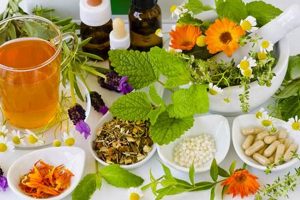
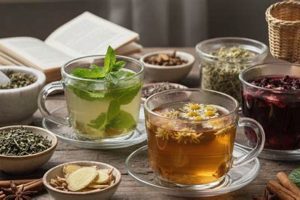
A concentrated liquid derived from a blend of herbs, produced through extraction and reduction of water content, results in a potent, flavorful solution. This product offers convenience and versatility, as a small amount can be diluted with water or other liquids to create a beverage with the characteristics of brewed herbal tea. For example, a single ounce can yield multiple servings, making it a cost-effective option for frequent consumers of herbal infusions.
Its value lies in ease of use, extended shelf life compared to fresh preparations, and the potential for standardized potency. Historically, methods for concentrating plant extracts have been employed for preservation and medicinal applications. Modern formulations often retain the perceived health benefits associated with their herbal ingredients, such as relaxation, digestive support, or antioxidant properties. This offers a controlled and efficient delivery mechanism for those seeking the advantages of botanical remedies in a convenient format.
The following sections will further examine the production methods, common ingredients, potential applications, and considerations regarding quality control and regulatory aspects associated with these concentrated herbal preparations. This examination will provide a more detailed understanding of their role in the broader context of herbal products and consumer beverages.
Tips for Utilizing Herbal Tea Concentrate
The following guidelines provide information on optimizing the use of concentrated herbal infusions, ensuring both efficacy and safety.
Tip 1: Dilution Ratios. Adhere strictly to manufacturer-recommended dilution ratios. Over-concentration may lead to unpleasant taste or adverse effects, while under-dilution diminishes the intended therapeutic benefit.
Tip 2: Storage Conditions. Store the product in a cool, dark place, away from direct sunlight and heat. Improper storage can degrade active compounds and reduce its effectiveness.
Tip 3: Ingredient Awareness. Review the ingredient list carefully, especially if one has known allergies or sensitivities to specific herbs. Cross-reactivity between botanical species can occur.
Tip 4: Consultation with Healthcare Professionals. Individuals with pre-existing medical conditions or those taking prescription medications should consult with a healthcare professional before incorporating concentrated herbal infusions into their routine. Potential drug interactions exist.
Tip 5: Monitoring for Adverse Reactions. Pay close attention to one’s body and discontinue use if any adverse reactions, such as allergic symptoms or digestive upset, are experienced.
Tip 6: Understanding Potency. Recognize that concentrates are more potent than traditional brewed teas. Adjust consumption accordingly and begin with lower doses.
Tip 7: Quality Assurance. Select concentrates from reputable manufacturers that employ rigorous quality control measures and third-party testing to ensure purity and accurate labeling.
These recommendations are intended to promote responsible and informed use. By adhering to these guidelines, individuals can maximize the benefits while minimizing potential risks.
The subsequent section will address the regulatory landscape and quality control standards governing the production and sale of these products.
1. Extraction Methods and Herbal Tea Concentrate

Extraction methods directly determine the composition and quality of herbal tea concentrate. The process used to draw out beneficial compounds from herbs dictates which components are present in the final product and their concentration. For example, water-based extraction, or maceration, is a traditional method that yields a concentrate rich in water-soluble compounds such as polysaccharides and certain flavonoids. However, this method may not effectively extract fat-soluble components. In contrast, solvent extraction using ethanol can capture a broader spectrum of compounds, including alkaloids and terpenoids, resulting in a more complex and potentially more potent concentrate. The choice of extraction method is, therefore, a critical factor in defining the final characteristics of the herbal tea concentrate. Because the extraction methods affect the properties.
Supercritical fluid extraction (SFE) using carbon dioxide represents an advanced technique that offers selective extraction and minimal solvent residue. This method allows for precise control over the extraction process, enabling the targeted removal of specific compounds while preserving the integrity of others. The resulting concentrate is often of higher purity and exhibits enhanced stability. Different extraction methods can affect the flavour profiles as well. Herbal concentrate produced with water could have the original flavour notes and scents preserved. The resulting extract produced using CO2 extraction could have completely different properties. All methods play a crucial part in the industry.
The selection of an appropriate extraction method is paramount for producing herbal tea concentrates that are both effective and safe. Understanding the capabilities and limitations of each method allows manufacturers to tailor their processes to optimize the extraction of desired compounds while minimizing the presence of unwanted substances. The connection between extraction methods and the final properties of the concentrate highlights the importance of informed decision-making in the production of high-quality herbal tea products. This understanding is crucial for ensuring consistent potency, safety, and overall consumer satisfaction.
2. Herbal Sources and Herbal Tea Concentrate

The quality, efficacy, and characteristics of any herbal tea concentrate are fundamentally determined by the source of the herbs used in its production. The botanical species, geographical origin, cultivation practices, and processing methods employed all significantly impact the final product.
- Botanical Identification and Purity
Accurate botanical identification is paramount to ensure the correct plant species is utilized. Adulteration with related or entirely different species can compromise safety and efficacy. For example, accidental substitution of Digitalis purpurea (foxglove) for a purported medicinal herb could have severe, potentially fatal, consequences due to the presence of cardiac glycosides. Proper authentication through microscopic analysis and DNA barcoding is essential to prevent such occurrences. Purity of the plant material, achieved through standardized harvesting and post-harvest handling, further ensures product safety and reduces the risk of contamination.
- Geographical Origin and Growing Conditions
The geographical origin of the herbs profoundly affects their chemical composition. Soil composition, climate, and altitude influence the production of secondary metabolites, the active compounds responsible for the therapeutic effects of many herbs. For instance, Echinacea purpurea grown in nutrient-rich soil may exhibit higher concentrations of immunostimulatory compounds compared to those grown in depleted soils. Similarly, herbs cultivated in environments with high UV radiation often produce elevated levels of protective antioxidants. This variability necessitates careful selection of herbal sources based on their proven efficacy and quality.
- Cultivation Practices: Organic vs. Conventional
Cultivation practices, whether organic or conventional, influence the presence of pesticide residues and other contaminants in the herbal material. Organic cultivation minimizes synthetic inputs, reducing the risk of chemical contamination. Conventional cultivation may rely on pesticides, herbicides, and fertilizers, potentially leaving residues in the final product. Rigorous testing for pesticide residues is essential, regardless of the cultivation method employed, to ensure consumer safety and compliance with regulatory standards. The certification of the product shows that the safety measurements were fulfilled.
- Post-Harvest Processing and Storage
Proper post-harvest processing and storage techniques are crucial for preserving the integrity of the herbal material. Drying methods, such as air-drying, freeze-drying, or kiln-drying, can affect the retention of volatile compounds and the overall quality of the herbs. Improper storage conditions, such as exposure to moisture, heat, or light, can lead to degradation of active constituents and microbial contamination. Appropriate storage in airtight containers, away from direct sunlight and extreme temperatures, is essential to maintain the quality and potency of the herbs used in herbal tea concentrate.
These interconnected factors highlight the critical role of herbal sourcing in the production of high-quality herbal tea concentrate. Manufacturers must prioritize sourcing from reputable suppliers who implement rigorous quality control measures, ensuring accurate botanical identification, purity, and sustainable harvesting practices. By carefully considering these elements, manufacturers can produce concentrates that are safe, effective, and consistently deliver the desired therapeutic benefits.
3. Potency Standardization and Herbal Tea Concentrate
Potency standardization is a critical process in the production of herbal tea concentrate, directly influencing the reliability and predictability of its effects. The inherent variability in herbal sources, stemming from factors such as growing conditions, harvest time, and processing methods, necessitates standardization to ensure consistent levels of active compounds. Without standardization, the concentration of key constituents in a given batch of concentrate may fluctuate significantly, leading to inconsistent therapeutic outcomes for consumers. This variability undermines the credibility and effectiveness of the product.
Standardization involves identifying specific chemical markers within the herb and quantifying their concentration in the final product. This process often employs techniques such as high-performance liquid chromatography (HPLC) or gas chromatography-mass spectrometry (GC-MS) to accurately measure the levels of these marker compounds. For example, a manufacturer of chamomile concentrate might standardize the product to contain a specific percentage of apigenin, a flavonoid compound known for its calming properties. This ensures that each batch of chamomile concentrate delivers a consistent level of apigenin, regardless of the natural variation in the chamomile flowers used. The consequences for consumer health are not to be taken lightly.
The practical significance of potency standardization lies in its ability to provide consumers with a reliable and predictable product. By ensuring consistent levels of active compounds, standardization allows individuals to confidently incorporate herbal tea concentrate into their wellness routines, knowing that each serving will deliver the intended effect. Furthermore, standardization facilitates accurate dosing, reducing the risk of both under-dosing, which may result in therapeutic failure, and over-dosing, which could lead to adverse effects. This commitment to quality control enhances consumer trust and promotes the responsible use of herbal products.
4. Dilution Requirements and Herbal Tea Concentrate

Dilution requirements are an intrinsic aspect of herbal tea concentrate, directly influencing its palatability, safety, and intended therapeutic effects. The concentrated nature of the product necessitates precise dilution to achieve a beverage that is both palatable and delivers the desired concentration of active constituents. Failure to adhere to recommended dilution ratios can result in a beverage that is either unpleasantly strong and potentially harmful due to excessive concentrations of bioactive compounds, or conversely, too weak to provide the intended benefits. For instance, a concentrate of valerian root, known for its sedative properties, requires careful dilution to avoid over-sedation. Conversely, insufficient dilution may render the beverage ineffective in promoting relaxation.
Manufacturers typically provide specific dilution guidelines based on the potency of the concentrate and the desired strength of the final beverage. These guidelines often specify a ratio of concentrate to water or other diluents, such as juice or tea. These ratios are determined through careful formulation and testing to ensure optimal taste and efficacy. Furthermore, dilution requirements may vary depending on individual preferences and sensitivities. Individuals new to a particular herbal concentrate are often advised to begin with a lower concentration and gradually increase it to assess their tolerance and response. The appropriate dilution ensures consumer safety.
In summary, understanding and adhering to the recommended dilution requirements are paramount for the safe and effective use of herbal tea concentrate. Accurate dilution ensures a palatable beverage with the intended therapeutic benefits while minimizing the risk of adverse effects. This aspect of herbal tea concentrate underscores the importance of consumer education and responsible product labeling in promoting safe and informed use.
5. Storage Stability

Storage stability represents a critical factor in determining the shelf life, efficacy, and safety of herbal tea concentrate. The concentrated nature of these products renders them particularly susceptible to degradation over time, influenced by factors such as temperature, light, oxygen exposure, and inherent chemical properties of the constituent herbs. Maintaining stability is essential for preserving the integrity of the concentrate and ensuring that consumers receive a product that meets the advertised potency and quality standards throughout its stated shelf life.
- Degradation of Active Compounds
The active compounds responsible for the purported therapeutic benefits of herbal tea concentrate are prone to degradation. For example, volatile oils, such as those found in peppermint or lavender concentrates, can evaporate over time, reducing the aroma and potentially diminishing the intended effect. Similarly, light-sensitive compounds, such as flavonoids and carotenoids, may undergo photochemical degradation when exposed to light, leading to a loss of antioxidant activity. This degradation can significantly alter the chemical profile of the concentrate and compromise its overall efficacy.
- Microbial Contamination
Water activity, even in concentrated form, can support microbial growth if not properly controlled. Bacteria, molds, and yeasts can proliferate, leading to spoilage, off-flavors, and potential health hazards. Improperly sealed containers or contamination during manufacturing can introduce microorganisms that thrive in the concentrate, particularly if it contains sugars or other readily metabolized substances. Preservatives, such as potassium sorbate or sodium benzoate, are often added to inhibit microbial growth and extend the shelf life of the concentrate. However, the effectiveness of these preservatives depends on proper formulation and storage conditions.
- Chemical Reactions and Interactions
The complex mixture of compounds in herbal tea concentrate can undergo chemical reactions over time, leading to the formation of new substances or the degradation of existing ones. For example, oxidation can occur, particularly in concentrates containing unsaturated fatty acids or polyphenols, resulting in the development of rancidity or discoloration. Interactions between different herbal extracts can also occur, leading to precipitation, cloudiness, or changes in viscosity. These chemical changes can affect the appearance, taste, and stability of the concentrate, potentially rendering it unmarketable or less effective.
- Packaging and Storage Conditions
The type of packaging material and the storage conditions significantly influence the stability of herbal tea concentrate. Impermeable containers, such as glass bottles or high-barrier plastics, help to protect the concentrate from oxygen, moisture, and light. Storage at cool temperatures, ideally below 25C, slows down the rate of degradation reactions and inhibits microbial growth. Exposure to direct sunlight or extreme temperature fluctuations should be avoided. Proper labeling, including clear storage instructions and expiration dates, is essential to inform consumers about the optimal conditions for maintaining the quality of the concentrate.
The interplay between these facets underscores the importance of careful formulation, processing, packaging, and storage practices in ensuring the stability of herbal tea concentrate. Manufacturers must conduct rigorous stability testing to determine the shelf life of their products and to identify appropriate packaging materials and storage conditions. By addressing these factors, manufacturers can provide consumers with herbal tea concentrates that retain their potency, safety, and desired characteristics throughout their intended shelf life, fostering trust and promoting responsible use.
6. Consumer Safety

Consumer safety is paramount in the context of herbal tea concentrate, directly impacting public health and trust in herbal products. The concentrated nature of these products amplifies potential risks associated with adulteration, contamination, and improper dosage. A failure to prioritize safety can lead to adverse health effects, undermining the credibility of the herbal industry and potentially leading to stricter regulatory oversight. The cause-and-effect relationship is clear: inadequate safety measures directly result in risks to consumers. The presence of heavy metals, pesticides, or undeclared pharmaceutical ingredients in herbal tea concentrate represents a direct threat to consumer health.
The practical significance of understanding consumer safety lies in the ability to implement robust quality control measures throughout the production process. This includes rigorous testing for contaminants, accurate botanical identification, and clear labeling regarding dosage and potential interactions. For instance, certain herbs can interact with prescription medications, and failure to disclose this information poses a serious risk to consumers. Consider the example of a consumer with a heart condition who unknowingly consumes an herbal tea concentrate containing licorice root, which can elevate blood pressure and interfere with their medication. This scenario underscores the importance of transparent and comprehensive labeling practices.
In conclusion, consumer safety is not merely a component of herbal tea concentrate production; it is the foundation upon which the industry’s integrity rests. Challenges remain in ensuring consistent quality control and addressing the potential for adulteration. By prioritizing consumer safety through stringent testing, transparent labeling, and adherence to best manufacturing practices, the herbal tea concentrate industry can build trust and deliver safe and effective products to consumers.
7. Quality Control and Herbal Tea Concentrate
Quality control is indispensable to the production of safe and effective herbal tea concentrate. The concentrated nature of these products elevates the importance of stringent quality control measures at every stage, from raw material sourcing to final product release. A lapse in quality control can directly lead to the presence of contaminants, adulterants, or inconsistencies in potency, all of which pose significant risks to consumers. For example, failure to adequately test raw herbs for heavy metals can result in a concentrate with elevated levels of lead, arsenic, or mercury, potentially causing serious health problems. The cause-and-effect relationship is evident: insufficient quality control directly translates to compromised product safety.
Effective quality control programs incorporate multiple layers of testing and verification. Botanical identification, using methods such as microscopy and DNA barcoding, ensures that the correct plant species are used, preventing accidental substitution with toxic or ineffective alternatives. Analyses for pesticide residues, heavy metals, and microbial contaminants safeguard against the presence of harmful substances. Furthermore, potency testing, often involving chromatographic techniques, verifies that the concentrate contains the claimed levels of active compounds. Consider the case of a manufacturer who discovers, through routine testing, that a batch of echinacea concentrate is significantly lower in alkylamides, the compounds responsible for its immunostimulatory effects. This finding allows the manufacturer to reject the batch and take corrective actions, preventing a substandard product from reaching consumers. The practical application of rigorous quality control safeguards product integrity.
In conclusion, quality control is not merely a procedural formality in the production of herbal tea concentrate; it is the cornerstone of product safety and efficacy. The challenges of ensuring consistent quality, particularly given the inherent variability of herbal sources, necessitate a commitment to robust testing, transparent sourcing practices, and adherence to best manufacturing standards. Prioritizing quality control protects consumers, builds trust in herbal products, and supports the responsible growth of the herbal industry.
Frequently Asked Questions About Herbal Tea Concentrate
The following section addresses common inquiries concerning herbal tea concentrate, providing factual information and dispelling misconceptions.
Question 1: Is herbal tea concentrate safe for children?
The safety of herbal tea concentrate for children depends on the specific herbs included and the concentration of the product. Certain herbs are contraindicated for pediatric use, while others may be safe in appropriately diluted forms. Consultation with a qualified healthcare professional is recommended before administering herbal tea concentrate to children to ensure safety and proper dosage.
Question 2: Can herbal tea concentrate interact with prescription medications?
Yes, herbal tea concentrate has the potential to interact with prescription medications. Some herbs can alter the metabolism or absorption of drugs, leading to increased or decreased drug levels in the body. Individuals taking prescription medications should consult with a healthcare provider or pharmacist before using herbal tea concentrate to assess potential interactions.
Question 3: How should herbal tea concentrate be stored to maintain its quality?
Herbal tea concentrate should be stored in a cool, dark place, away from direct sunlight and heat. The container should be tightly sealed to prevent oxidation and moisture absorption. Following the manufacturer’s storage recommendations is crucial to preserve the potency and stability of the concentrate.
Question 4: What is the shelf life of herbal tea concentrate?
The shelf life of herbal tea concentrate varies depending on the formulation, packaging, and storage conditions. Typically, properly stored concentrate can maintain its quality for 12 to 24 months. Expiration dates provided by the manufacturer should be strictly observed to ensure product effectiveness and safety.
Question 5: How is the potency of herbal tea concentrate standardized?
Potency standardization involves measuring the concentration of specific chemical markers within the herbal extract. Analytical techniques, such as high-performance liquid chromatography (HPLC), are used to quantify these markers and ensure that each batch of concentrate contains a consistent level of active compounds. Standardized products provide a more predictable and reliable therapeutic effect.
Question 6: Can herbal tea concentrate be used as a substitute for prescription medication?
No, herbal tea concentrate should not be used as a substitute for prescription medication without the guidance of a qualified healthcare professional. While some herbs may possess therapeutic properties, they are not intended to replace conventional medical treatments. Individuals with medical conditions should always consult with their doctor before making changes to their treatment plan.
In summary, herbal tea concentrate offers potential benefits, but it is essential to use these products responsibly and with appropriate caution. Consulting with healthcare professionals, following recommended dosages, and adhering to proper storage guidelines are crucial for ensuring safety and maximizing efficacy.
The next section addresses regulatory aspects associated with the production and sale of these products.
Conclusion
This exploration has dissected the multifaceted aspects of herbal tea concentrate, from extraction methodologies and herbal sourcing to potency standardization, dilution requirements, storage stability, consumer safety, and quality control. Each element is critical to ensuring the production of a safe, effective, and reliable product. The inherent variability in herbal sources, combined with the potential for contamination and adulteration, necessitates rigorous adherence to best practices and stringent quality control measures. Without these precautions, the potential benefits of herbal tea concentrate may be outweighed by the risks.
The future of herbal tea concentrate rests on a commitment to transparency, scientific validation, and consumer education. As the demand for natural health products continues to grow, it is imperative that manufacturers, regulators, and consumers alike prioritize safety and quality. Further research is needed to fully understand the therapeutic potential of various herbal combinations and to establish evidence-based guidelines for their use. Only through a collective effort can the industry ensure that herbal tea concentrate delivers consistent benefits while safeguarding public health.