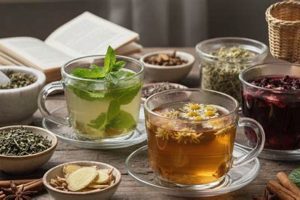
The consumption of botanical infusions, commonly referred to as herbal teas, during gestation presents a complex issue. These beverages, derived from various plant parts such as leaves, flowers, and roots, are often perceived as natural and benign alternatives to caffeinated drinks. However, the physiological changes experienced during pregnancy can alter how the body processes various substances, potentially affecting both the expectant parent and the developing fetus. As an illustration, chamomile tea, often used for its calming properties, may interact with blood-thinning medications and may not be advisable in large quantities during pregnancy.
Careful consideration of dietary choices during this period is paramount. The potential benefits of specific herbal infusions, such as easing morning sickness or promoting relaxation, must be weighed against possible risks. Historically, various cultures have used herbal remedies for pregnancy-related ailments, but traditional knowledge may not always align with current scientific understanding. The active compounds within these plants can cross the placental barrier and affect fetal development; thus, understanding their pharmacological properties is crucial.
This analysis will delve into the safety profiles of commonly consumed herbal infusions during gestation. It will explore the potential risks and benefits associated with specific plants, offering evidence-based guidance to support informed decision-making regarding dietary choices during this significant period.
Guidance on Herbal Infusions During Pregnancy
The following recommendations aim to provide clarity regarding the consumption of botanical infusions during gestation, emphasizing informed choices for maternal and fetal well-being.
Tip 1: Consult Healthcare Providers: Prior to incorporating any herbal infusion into the diet, a consultation with a qualified healthcare professional is essential. Individual medical histories and specific pregnancy circumstances necessitate personalized recommendations.
Tip 2: Identify Safe Herbs: Certain herbal ingredients are generally recognized as safe for limited consumption during gestation. Examples include ginger (for nausea relief), and red raspberry leaf tea (in the third trimester to potentially tone the uterus). However, moderation remains crucial.
Tip 3: Avoid Herbs with Uterine Stimulant Properties: Herbs known to stimulate uterine contractions, such as blue cohosh and pennyroyal, should be strictly avoided due to the risk of premature labor or miscarriage.
Tip 4: Research Potential Interactions: Herbal ingredients can interact with medications. It is imperative to disclose all herbal consumption to healthcare providers to assess and mitigate any potential adverse interactions.
Tip 5: Exercise Caution with Unknown Blends: Pre-packaged herbal tea blends may contain a variety of ingredients, some of which may be contraindicated during pregnancy. Scrutinize ingredient lists carefully and seek professional guidance when uncertainty exists.
Tip 6: Limit Daily Intake: Even when consuming herbs deemed safe, moderation is vital. Excessive consumption of any herbal infusion can potentially lead to adverse effects. Sticking to one cup per day is generally considered a cautious approach unless otherwise advised.
Tip 7: Be Aware of Contamination Risks: Choose herbal teas from reputable sources to minimize the risk of contamination with pesticides, heavy metals, or other harmful substances. Opting for organic varieties is recommended.
Adhering to these guidelines promotes a more informed and cautious approach to the consumption of botanical infusions during this important period. Prioritizing open communication with healthcare providers enables personalized risk assessment and contributes to the overall well-being of both the pregnant individual and the developing fetus.
These tips serve as a foundation for further exploration of specific herbal safety profiles during gestation. The subsequent sections will delve into the scientific evidence supporting these recommendations.
1. Herb Identification

Accurate herb identification is fundamental to assessing the safety of botanical infusions during gestation. Misidentification poses significant risks, as various plants possess vastly different pharmacological properties, some of which can be detrimental to both the pregnant individual and the developing fetus. The absence of precise herb identification undermines any attempt to establish safety guidelines, rendering consumption potentially hazardous.
- Morphological Misidentification
Morphological similarities between different plant species can lead to unintentional substitution of harmful plants for those intended for consumption. For instance, some plants with abortifacient properties may resemble those traditionally used for morning sickness relief. The consequences of such misidentification can range from mild gastrointestinal distress to severe complications, including miscarriage.
- Taxonomic Ambiguity
Inconsistent or outdated taxonomic classifications can further complicate accurate identification. Regional variations in plant names and ambiguous common names contribute to confusion, making it challenging to ensure the intended herb is used. A lack of standardized nomenclature necessitates rigorous verification through scientific databases and expert consultation.
- Adulteration and Substitution
Commercial herbal tea products are susceptible to adulteration and substitution, where manufacturers may intentionally or unintentionally include ingredients not listed on the label. Economic incentives or supply chain disruptions can drive such practices, exposing consumers to undisclosed and potentially dangerous substances. Third-party testing and certification can mitigate these risks.
- Lack of Standardized References
The absence of comprehensive and readily accessible identification resources presents a significant challenge. While botanical field guides exist, their accuracy and completeness may vary, and they may not be readily available to the general public. Online databases and expert consultations provide supplementary resources but require critical evaluation.
The implications of herb misidentification extend beyond individual consumption, potentially affecting public health recommendations and regulatory oversight. Robust identification protocols, standardized nomenclature, and accessible information resources are essential to ensuring the safe utilization of botanical infusions during gestation.
2. Dosage Control

Dosage control represents a critical determinant of the safety profile of botanical infusions during gestation. The principle, “the dose makes the poison,” applies significantly to herbal consumption, as even purportedly safe herbs can exhibit adverse effects at elevated concentrations. The physiological alterations characteristic of pregnancy can influence drug metabolism, potentially amplifying the impact of herbal constituents, necessitating careful regulation of intake. An example includes ginger, often recommended for nausea relief. While small amounts are generally considered safe, excessive consumption may exert anticoagulant effects or cause heartburn. Consequently, adherence to established dosage guidelines is paramount in mitigating risk during this vulnerable period.
Further emphasizing the significance of dosage, various herbal compounds demonstrate dose-dependent effects. For instance, chamomile, frequently consumed for its calming properties, may exhibit sedative effects at low doses. However, higher doses could potentially interact with central nervous system depressants or anticoagulant medications, presenting challenges for women undergoing medical treatment during pregnancy. This underscores the importance of adhering to recommendations from healthcare professionals regarding the precise quantity and frequency of herbal infusion consumption.
In summary, effective dosage control is not merely a component of safety but a governing principle in the safe utilization of herbal infusions during gestation. By carefully managing the quantity consumed, mitigating potential interactions, and acknowledging the influence of pregnancy physiology, expectant individuals can minimize risks and optimize the potential benefits of herbal remedies. Ongoing research and standardized dosage guidelines remain crucial to refining these practices and promoting informed decision-making.
3. Gestational Stage

The trimester of pregnancy constitutes a crucial factor influencing the safety profile of botanical infusions. Physiological changes and developmental milestones unique to each gestational phase alter both maternal susceptibility and fetal vulnerability to various substances. Consequently, herbal infusions deemed acceptable during one trimester may pose risks during another.
- First Trimester (Weeks 1-12)
Organogenesis, the formation of fetal organs, occurs primarily during the first trimester. This period represents heightened sensitivity to teratogenic agents. Certain herbal constituents, even at low doses, can disrupt developmental processes, leading to congenital anomalies. Herbs with emmenagogue properties, such as pennyroyal, are strictly contraindicated due to the risk of inducing uterine contractions and miscarriage.
- Second Trimester (Weeks 13-27)
The second trimester is characterized by rapid fetal growth and maturation. While the risk of major structural malformations decreases, exposure to certain herbal constituents can still affect organ function and development. Some herbs may exhibit hepatotoxic or nephrotoxic effects, potentially impairing fetal liver and kidney function. Careful consideration of individual herbal safety profiles is warranted.
- Third Trimester (Weeks 28-40)
During the third trimester, the focus shifts to fetal weight gain and preparation for birth. Certain herbal infusions, such as red raspberry leaf tea, are traditionally used to tone the uterus and prepare for labor. However, caution remains essential, as even these herbs can stimulate premature contractions in susceptible individuals. Furthermore, herbs with anticoagulant properties should be avoided to minimize the risk of postpartum hemorrhage.
- Throughout Gestation
Regardless of the specific gestational stage, certain general principles apply. Herbs with known toxicity, such as comfrey and sassafras, should be universally avoided. Furthermore, potential interactions between herbal constituents and medications should be carefully evaluated. Consultation with a qualified healthcare professional is essential to ensure informed decision-making throughout pregnancy.
The consideration of gestational stage underscores the importance of individualized risk assessment when evaluating the safety of botanical infusions during gestation. While certain herbs may offer potential benefits for managing pregnancy-related discomforts, their use must be carefully weighed against potential risks at each phase of development. Prioritizing evidence-based guidance and healthcare professional consultation contributes to optimal maternal and fetal outcomes.
4. Potential Interactions

The possibility of interactions between herbal constituents and pharmaceutical medications or pre-existing medical conditions significantly impacts the safety profile of botanical infusions during gestation. These interactions can alter the efficacy of prescribed treatments or exacerbate underlying health issues, thereby posing risks to both the pregnant individual and the developing fetus. Therefore, an awareness of potential interactions is crucial when considering the consumption of botanical infusions during pregnancy.
- Herb-Drug Interactions
Certain herbal constituents can interfere with the absorption, metabolism, or excretion of prescription medications. For instance, St. John’s Wort, while not typically consumed as a tea, serves as an illustrative example of enzyme induction. Its constituents induce cytochrome P450 enzymes, accelerating the metabolism of numerous drugs, including certain antidepressants and oral contraceptives, thereby reducing their effectiveness. During gestation, such interactions could compromise the management of pre-existing conditions or pregnancy-related complications.
- Herb-Condition Interactions
Botanical infusions can exacerbate pre-existing medical conditions. Individuals with hypertension should exercise caution with herbs containing constituents that elevate blood pressure. Similarly, those with bleeding disorders should avoid herbs exhibiting anticoagulant properties, such as high doses of ginger or garlic, as these may increase the risk of hemorrhage. Furthermore, individuals with autoimmune disorders should approach herbal consumption with caution, as certain herbs can stimulate the immune system, potentially triggering flare-ups.
- Additive or Synergistic Effects
The combined effects of herbal infusions and medications can be additive or synergistic, amplifying their individual effects. For example, consuming chamomile tea, known for its sedative properties, in conjunction with prescription anxiolytics could lead to excessive drowsiness or respiratory depression. During gestation, these enhanced effects could pose significant risks to both maternal and fetal well-being, necessitating careful monitoring and dosage adjustments.
- Impact on Nutrient Absorption
Certain herbal constituents can interfere with the absorption of essential nutrients. For instance, tannins present in some teas can bind to iron, inhibiting its absorption from the digestive tract. Iron deficiency is a common concern during pregnancy, and impaired absorption could exacerbate this issue, potentially leading to anemia. Therefore, careful consideration of timing and dietary modifications may be necessary to mitigate these effects.
In conclusion, the potential for interactions underscores the importance of thorough evaluation before incorporating botanical infusions into the diet during gestation. Disclosure of all herbal consumption to healthcare providers is essential to assess potential risks and ensure the safety of both the pregnant individual and the developing fetus. A comprehensive approach to risk management necessitates a careful review of medical history, current medications, and potential interactions between herbal constituents and pharmaceutical agents.
5. Source Quality

The origin and processing of herbal ingredients represent a critical determinant of the safety of botanical infusions consumed during gestation. Contamination, adulteration, and misidentification risks inherent in substandard sourcing practices directly compromise the integrity and safety of these products. The quality of the source material significantly influences the presence of potentially harmful substances, thereby establishing a direct correlation with the central query. For example, herbal teas sourced from regions with elevated levels of heavy metals in the soil may contain lead, mercury, or cadmium, posing developmental risks to the fetus. Similarly, the presence of pesticides, herbicides, or other agricultural chemicals, resulting from unsustainable farming practices, can introduce toxic compounds into the final product.
The importance of verifiable source quality extends beyond the presence of contaminants. Adulteration, the deliberate or unintentional substitution of one herb for another, can expose pregnant individuals to potentially harmful substances. Commercial herbal tea blends lacking rigorous quality control mechanisms are particularly vulnerable to this issue. One example is the substitution of Senna leaves, a potent laxative, for milder herbs, which may lead to dehydration and electrolyte imbalances, particularly concerning during pregnancy. Transparent sourcing practices, including documentation of cultivation methods, harvesting procedures, and manufacturing processes, are essential in ensuring product authenticity and minimizing the risk of adulteration. Third-party certification from reputable organizations can provide further assurance of product quality and safety.
In summary, source quality constitutes an indispensable component of ensuring the safety of herbal infusions during gestation. Contamination, adulteration, and misidentification risks are significantly reduced through the implementation of stringent sourcing practices and rigorous quality control measures. Prioritizing transparency, third-party certification, and reputable suppliers enables pregnant individuals to make informed choices and minimize potential adverse effects, contributing to optimal maternal and fetal outcomes. The establishment and enforcement of standardized regulations governing herbal product sourcing remain crucial in safeguarding public health.
6. Individual Variability

Individual variability significantly influences the safety profile of botanical infusions during gestation. The physiological and metabolic responses to herbal constituents exhibit considerable variation among individuals, stemming from factors such as genetics, pre-existing health conditions, and concurrent medication use. Consequently, a botanical infusion deemed safe for one pregnant individual may pose risks to another.
- Genetic Polymorphisms
Genetic variations in drug-metabolizing enzymes affect the rate at which individuals process herbal constituents. Individuals with slower metabolic rates may experience prolonged exposure to active compounds, increasing the risk of adverse effects. For example, variations in CYP450 enzyme activity influence the metabolism of numerous herbal compounds, potentially leading to unpredictable drug interactions or exaggerated physiological responses. During pregnancy, these genetic differences can impact both maternal and fetal well-being.
- Pre-existing Health Conditions
Underlying health conditions can alter the way the body responds to herbal infusions. Individuals with liver or kidney dysfunction may exhibit impaired clearance of herbal constituents, leading to elevated levels in the bloodstream and increased risk of toxicity. Conditions such as hypertension, diabetes, or autoimmune disorders can interact with specific herbs, exacerbating symptoms or interfering with medical management. Therefore, a comprehensive assessment of pre-existing health conditions is essential before recommending herbal infusions during gestation.
- Gut Microbiome Composition
The composition of the gut microbiome influences the metabolism of certain herbal compounds. Gut bacteria can transform plant constituents into active metabolites, which may exhibit different pharmacological properties compared to the original compound. Variations in microbiome composition can lead to significant differences in the absorption, distribution, and metabolism of herbal constituents, affecting both efficacy and safety. During pregnancy, changes in the gut microbiome can further complicate these interactions.
- Gestational Age and Physiological Changes
The trimester of pregnancy influences individual responses to herbal infusions. Physiological changes, such as increased blood volume, altered hormone levels, and modified renal function, affect drug distribution and clearance. These changes can amplify or attenuate the effects of herbal constituents. Additionally, the developing fetus exhibits varying degrees of susceptibility to specific compounds depending on the gestational stage, necessitating individualized risk assessment.
Acknowledging and addressing individual variability is paramount to ensuring the safe utilization of botanical infusions during gestation. Personalized recommendations, based on a comprehensive assessment of genetic factors, pre-existing health conditions, gut microbiome composition, and gestational age, are essential to minimize risks and optimize maternal and fetal outcomes. Healthcare professionals should prioritize individualized risk assessment and provide evidence-based guidance, considering the unique circumstances of each pregnant individual.
Frequently Asked Questions
The following addresses common inquiries regarding the safety of botanical infusions, often termed herbal teas, during gestation. The information presented aims to clarify prevalent misconceptions and provide evidence-based guidance.
Question 1: Are all herbal infusions safe to consume during gestation?
No, not all herbal infusions are considered safe for consumption during gestation. Certain botanical constituents can exert adverse effects on both the pregnant individual and the developing fetus. Consultation with a qualified healthcare professional is essential before incorporating any herbal infusion into the diet during this period.
Question 2: Which herbal infusions are generally considered safe during gestation?
Some herbal infusions, when consumed in moderation, may be considered relatively safe. Examples include ginger (for nausea relief), and red raspberry leaf tea (typically in the third trimester, potentially to tone the uterus). However, individual circumstances and potential interactions with medications must be considered. Healthcare professional consultation is advised.
Question 3: What types of herbal infusions should be strictly avoided during gestation?
Herbal infusions with known uterine stimulant properties, such as blue cohosh and pennyroyal, should be strictly avoided due to the risk of premature labor or miscarriage. Other herbs with documented toxicity, such as comfrey and sassafras, also necessitate avoidance.
Question 4: How can one ascertain the safety of a pre-packaged herbal tea blend during gestation?
Pre-packaged herbal tea blends may contain a variety of ingredients, some of which may be contraindicated during gestation. Scrutinize ingredient lists meticulously and seek professional guidance when uncertainty exists. Opting for single-ingredient herbal infusions from reputable sources can mitigate risks.
Question 5: Can herbal infusions interact with prescription medications during gestation?
Yes, herbal constituents can interact with prescription medications, potentially altering their efficacy or increasing the risk of adverse effects. Disclosure of all herbal consumption to healthcare providers is imperative to assess and mitigate potential interactions.
Question 6: Is the consumption of herbal infusions during gestation regulated?
The regulation of herbal products varies across jurisdictions. In some regions, herbal products are subject to less stringent regulations compared to pharmaceutical drugs. Therefore, consumers should exercise caution and prioritize products from reputable manufacturers with verifiable quality control practices.
The information provided in this FAQ section serves as a general guide and should not substitute professional medical advice. Always consult with a qualified healthcare provider before consuming herbal infusions during gestation.
The subsequent section will address practical guidelines for selecting and preparing herbal infusions during pregnancy, focusing on risk mitigation and informed decision-making.
Conclusion
The preceding analysis underscores the multifaceted considerations surrounding the question of whether herbal teas are safe during pregnancy. The safety profile of these beverages is not absolute but contingent upon factors encompassing herb identification, dosage control, gestational stage, potential interactions, source quality, and individual variability. The absence of a universally applicable “safe” list necessitates a cautious, evidence-based approach to consumption.
Given the potential for adverse effects on both maternal and fetal health, informed decision-making is paramount. Consultation with a qualified healthcare professional, meticulous scrutiny of product labels, and adherence to established safety guidelines are essential components of risk mitigation. Future research endeavors should prioritize the identification of specific herbal constituents exhibiting documented safety during gestation, facilitating the development of evidence-based recommendations and promoting optimal pregnancy outcomes. The proactive and informed utilization of available information remains the most effective strategy for ensuring responsible herbal consumption during this critical period.