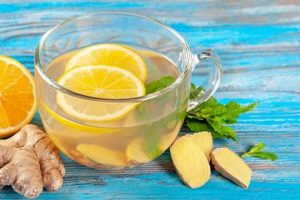
Certain plant-derived infusions are believed to support the reduction of body mass. These beverages are prepared by steeping herbs, spices, or other plant material in hot water, extracting their beneficial compounds. They represent a category of drinks sought after for their potential contribution to a balanced diet and exercise regimen.
The appeal of these beverages lies in their potential to offer supplementary support for metabolic processes and appetite control. Historically, various cultures have incorporated different plants into their diets for their perceived health benefits, including weight management. The consumption of these infusions is often seen as a natural approach to augmenting traditional weight loss strategies.
The following sections will examine specific examples of plant-based infusions commonly associated with supporting a healthy weight, along with an overview of their purported mechanisms of action and considerations for their responsible consumption.
Guidance on Incorporating Plant-Based Infusions for Weight Management
The subsequent recommendations are presented to provide guidance on the appropriate and informed consumption of plant-based infusions as a potential adjunct to a comprehensive weight management plan.
Tip 1: Select Teas with Documented Benefits: Prioritize infusions containing ingredients like green tea, oolong tea, or ginger, which have demonstrated, albeit sometimes limited, effects on metabolism and appetite. Research the scientific literature to understand the available evidence.
Tip 2: Adhere to Recommended Dosage: Excessive consumption may lead to adverse effects. Follow the brewing instructions and dosage recommendations provided by the manufacturer or a qualified herbalist. More is not necessarily better.
Tip 3: Be Mindful of Caffeine Content: Certain plant-based infusions, such as green tea, contain caffeine. Limit intake, especially in the evening, to avoid sleep disturbances. Consider caffeine-free alternatives if sensitivity is a concern.
Tip 4: Hydrate Adequately: While these infusions can contribute to fluid intake, do not rely solely on them for hydration. Ensure sufficient water consumption throughout the day to support overall health and bodily functions.
Tip 5: Integrate with a Balanced Diet and Exercise: Plant-based infusions are not a standalone solution for weight loss. They should be integrated into a comprehensive plan that includes a calorie-controlled diet and regular physical activity.
Tip 6: Consult a Healthcare Professional: Individuals with pre-existing medical conditions or those taking medications should consult a physician or registered dietitian before incorporating new plant-based infusions into their diet. Potential interactions exist.
Tip 7: Choose Reputable Brands: Opt for infusions from reputable sources that adhere to quality control standards. This helps ensure the purity and safety of the product.
Careful selection and responsible consumption of plant-based infusions can be a complementary strategy to support weight management efforts. However, it is crucial to acknowledge their limitations and prioritize a holistic approach.
The following section will discuss the importance of consulting healthcare professionals and potential risks.
1. Metabolic Rate Influence

The term “metabolic rate influence,” as it pertains to plant-based infusions and weight management, refers to the capacity of certain herbal compounds to alter the body’s energy expenditure. A higher metabolic rate results in the consumption of more calories at rest, theoretically contributing to a caloric deficit necessary for weight loss. The purported link between certain infusions and weight loss hinges on the premise that they can stimulate thermogenesis, the process of heat production in the body, which requires energy expenditure. For example, compounds present in green tea, such as catechins and caffeine, are believed to synergistically increase energy expenditure and promote fat oxidation.
The increase in metabolic rate resulting from the consumption of these infusions is typically modest and varies significantly among individuals. Factors such as genetics, body composition, and the habitual intake of stimulants play a crucial role. Studies examining the effects of green tea extract on metabolic rate often show statistically significant, but clinically modest, increases in daily energy expenditure, often in the range of 50-100 calories. While this alone is unlikely to result in substantial weight loss, it may contribute to a cumulative effect when combined with dietary modifications and exercise.
In conclusion, while some plant-based infusions may exert a measurable influence on metabolic rate, their practical significance in isolation is limited. The understanding of this connection should inform a broader weight management strategy that prioritizes evidence-based approaches, with these infusions serving as a potential, but not primary, adjunct. The challenge remains in translating research findings into practical, sustainable benefits for individuals seeking to manage their weight.
2. Appetite Control Potential
The capacity of certain plant-based infusions to influence appetite is a significant consideration in the context of weight management. The rationale behind their inclusion in weight loss strategies lies in the potential to reduce overall caloric intake by promoting satiety or modulating hunger signals.
- Fiber Content and Satiety
Some infusions, particularly those containing plant matter that is not fully filtered out during preparation, may contribute a small amount of fiber. Fiber is known to promote satiety by increasing bulk in the digestive tract and slowing gastric emptying. This extended feeling of fullness can lead to a reduction in food consumption. However, the fiber content in most herbal teas is negligible, making this mechanism a less prominent factor.
- Hormonal Modulation
Specific compounds found in certain herbs may influence appetite-regulating hormones such as ghrelin (which stimulates hunger) and leptin (which signals satiety). While research in this area is ongoing, some studies suggest that certain herbal extracts could potentially modulate these hormonal signals, leading to decreased appetite. This effect is not fully understood and likely varies depending on the specific herb and individual physiology.
- Psychological Factors
The act of preparing and consuming a warm beverage can be psychologically comforting and may contribute to a sense of fullness. This behavioral aspect can play a role in managing appetite, particularly in individuals who tend to overeat in response to stress or emotional triggers. The routine and mindfulness associated with tea consumption can provide a substitute for other less healthy coping mechanisms.
- Effects on Digestion
Some herbal infusions are traditionally used to aid digestion and reduce bloating. By improving digestive comfort, these infusions might indirectly influence appetite by reducing feelings of fullness or discomfort that can lead to overeating. For instance, ginger tea has been shown to alleviate nausea and promote gastric emptying, potentially impacting subsequent food intake.
The potential for appetite control associated with plant-based infusions is multifaceted and influenced by various factors. While some mechanisms are supported by scientific evidence, the magnitude of the effect is often modest and should be considered within a comprehensive weight management strategy that includes dietary modifications and exercise. Further research is necessary to fully elucidate the specific effects of different herbs on appetite regulation.
3. Ingredient Safety Profiles

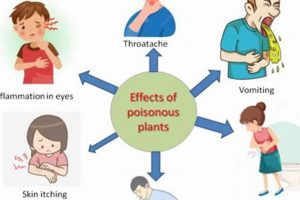
The evaluation of “ingredient safety profiles” is paramount when considering plant-based infusions for weight management. The designation of a beverage as a candidate for “best herbal tea for weight loss” should not solely rely on its purported efficacy; a rigorous assessment of its potential risks and interactions is equally crucial. Adverse effects, stemming from inherent toxicity, allergic reactions, or interactions with medications, can undermine any potential benefit. For instance, senna, sometimes included in weight loss teas for its laxative properties, carries the risk of electrolyte imbalance and dependency with prolonged use. This exemplifies how a seemingly beneficial ingredient can pose significant health risks if not properly understood and regulated.
The presence of contaminants, such as heavy metals or pesticides, represents another dimension of the “ingredient safety profiles” consideration. Plant material sourced from regions with lax environmental regulations may contain elevated levels of these substances, posing a long-term health hazard. Choosing products from reputable manufacturers who conduct thorough testing for contaminants is, therefore, a critical step in ensuring the safety of the infusion. Furthermore, certain herbs can interact with common medications, potentially altering their efficacy or increasing the risk of adverse effects. For example, St. John’s Wort, sometimes promoted for mood elevation and indirect weight management benefits, can interfere with the metabolism of various drugs, including antidepressants and oral contraceptives. Therefore, anyone taking prescription medication should consult a healthcare professional before incorporating any herbal infusion into their diet.
In conclusion, a comprehensive understanding of the “ingredient safety profiles” is indispensable when evaluating plant-based infusions for weight management. The potential for adverse effects, contaminants, and drug interactions necessitates a cautious approach, prioritizing products from reputable sources and consulting with healthcare professionals, particularly for individuals with pre-existing medical conditions or those taking medications. A beverage’s inclusion in the category of “best herbal tea for weight loss” must be predicated on both its efficacy and a thoroughly vetted safety profile.
4. Hydration Contribution Level

The extent to which a plant-based infusion contributes to overall fluid intake is a critical aspect when evaluating its suitability within a weight management strategy. Adequate hydration is essential for numerous physiological processes, including metabolism, nutrient transport, and waste removal. Therefore, the “Hydration Contribution Level” of any candidate for a weight management aid must be carefully considered.
- Total Fluid Intake and Satiety
Consuming a beverage, regardless of its specific composition, can contribute to feelings of fullness and potentially reduce overall caloric intake. Replacing calorie-dense beverages with plant-based infusions can create a caloric deficit, thereby supporting weight loss efforts. The “Hydration Contribution Level” directly influences this effect by promoting satiety and helping to manage appetite.
- Impact on Metabolic Processes
Water is vital for optimal metabolic function. Dehydration can slow metabolic processes, potentially hindering weight loss efforts. Plant-based infusions, by contributing to overall fluid intake, can help maintain optimal hydration levels and support efficient metabolic function. The “Hydration Contribution Level” ensures that the body has sufficient fluid to carry out essential metabolic tasks.
- Role in Digestive Health
Adequate hydration is essential for healthy digestion and preventing constipation. Plant-based infusions can contribute to digestive health by providing fluids that aid in the breakdown and absorption of nutrients. Some infusions may also contain compounds that promote digestive motility, further enhancing digestive health. The “Hydration Contribution Level” ensures the proper functioning of the digestive system, indirectly supporting weight management.
- Effects on Exercise Performance
Maintaining adequate hydration is crucial for optimal physical performance. Dehydration can lead to fatigue, reduced endurance, and impaired muscle function. Plant-based infusions can support exercise performance by providing fluids that help maintain hydration levels during physical activity. The “Hydration Contribution Level” is particularly important for individuals who are actively engaged in exercise as part of their weight management plan.
The “Hydration Contribution Level” of plant-based infusions is a multifaceted consideration that extends beyond simple fluid intake. It influences satiety, metabolic processes, digestive health, and exercise performance, all of which are relevant to weight management. While the specific composition of the infusion may offer additional benefits, the underlying contribution to overall hydration is a fundamental factor in evaluating its suitability as a weight management aid.
5. Dietary Integration Synergy
The effectiveness of any plant-based infusion marketed for weight management is fundamentally contingent upon its seamless incorporation into a comprehensive dietary regimen. This “Dietary Integration Synergy” dictates whether the potential benefits of the infusionbe it metabolic enhancement, appetite suppression, or improved digestionare realized within the context of an individual’s overall eating habits.
- Caloric Balance Adherence
The inclusion of any infusion, regardless of its inherent properties, is inconsequential if it does not align with a caloric deficit necessary for weight reduction. A plant-based beverage, even one with purported metabolic benefits, cannot offset excessive caloric intake from other dietary sources. “Dietary Integration Synergy” in this context means that the infusion serves as a complement to a calorie-controlled diet, not a replacement for it.
- Macronutrient Profile Compatibility
The timing and composition of meals surrounding the consumption of an infusion can influence its impact on satiety and metabolism. For instance, consuming a plant-based infusion with a protein-rich meal may enhance feelings of fullness and support muscle preservation during weight loss. Conversely, combining an infusion with a high-carbohydrate meal may mitigate any potential benefits. “Dietary Integration Synergy” necessitates careful consideration of macronutrient ratios in relation to the infusion’s consumption.
- Micronutrient Enhancement
Some plant-based infusions may contribute essential vitamins and minerals to the diet, particularly if they are derived from nutrient-rich herbs. This micronutrient supplementation can support overall health and well-being during weight loss, when dietary restrictions may increase the risk of nutrient deficiencies. “Dietary Integration Synergy” emphasizes the importance of selecting infusions that complement the micronutrient profile of the overall diet.
- Behavioral Modification Reinforcement
The ritual of preparing and consuming a plant-based infusion can serve as a positive behavioral cue, encouraging mindful eating and reducing the likelihood of impulsive snacking. This behavioral reinforcement is particularly relevant for individuals who struggle with emotional eating or food cravings. “Dietary Integration Synergy” highlights the potential of infusions to promote positive dietary habits and enhance long-term weight management success.
The concept of “Dietary Integration Synergy” underscores the importance of viewing plant-based infusions not as standalone solutions, but as integral components of a well-structured dietary plan. The effectiveness of any infusion is maximized when it is strategically incorporated into a regimen that addresses caloric balance, macronutrient ratios, micronutrient adequacy, and behavioral modifications, all of which contribute to sustainable weight management.
Frequently Asked Questions
This section addresses common inquiries regarding the use of plant-based infusions as an adjunct to weight loss strategies. The information provided is intended for educational purposes and should not be construed as medical advice. Consultation with a healthcare professional is recommended prior to implementing any new dietary regimen.
Question 1: Can any plant-based infusion guarantee weight loss?
No plant-based infusion offers a guaranteed path to weight loss. Weight management is a multifaceted process that requires a holistic approach encompassing dietary modification, regular physical activity, and lifestyle adjustments. Plant-based infusions may offer supportive benefits, but they are not a standalone solution.
Question 2: Are there potential side effects associated with consuming weight loss infusions?
Yes, certain ingredients commonly found in weight loss infusions may induce adverse effects. These can include gastrointestinal distress, electrolyte imbalances (particularly with diuretic or laxative ingredients), and interactions with medications. Thoroughly research the ingredient profile of any infusion prior to consumption.
Question 3: How should plant-based infusions be incorporated into a weight loss diet?
Plant-based infusions are best integrated as part of a balanced diet that emphasizes whole, unprocessed foods and portion control. They should not replace nutrient-dense meals or be relied upon as a primary source of sustenance. Consider infusions as a complement to a healthy eating plan.
Question 4: Is caffeine content a concern in weight loss infusions?
Caffeine is a stimulant present in several plant-based infusions, most notably green tea and yerba mate. Individuals sensitive to caffeine may experience anxiety, insomnia, or increased heart rate. Decaffeinated varieties or caffeine-free alternatives should be considered for those with sensitivities.
Question 5: How much of a weight loss infusion should one consume daily?
Dosage recommendations vary depending on the specific infusion and individual tolerance. Adhering to the manufacturer’s instructions or consulting with a qualified herbalist is advisable. Excessive consumption can increase the risk of adverse effects.
Question 6: Are all commercially available weight loss infusions safe and regulated?
Not all commercially available weight loss infusions undergo rigorous safety testing and regulation. It is essential to select products from reputable manufacturers that adhere to quality control standards. Look for certifications from independent testing organizations.
The information presented in this FAQ section serves to provide clarity on the use of plant-based infusions for weight management. Responsible and informed consumption is paramount to minimizing potential risks and maximizing potential benefits.
The subsequent section will address the importance of consulting healthcare professionals and potential risks.
The exploration of “best herbal tea for weight loss” reveals a complex interplay of potential benefits and inherent limitations. While certain plant-derived infusions may offer modest support for metabolic processes, appetite regulation, and overall well-being, they are not a singular solution for weight reduction. The efficacy and safety of these beverages are contingent upon careful ingredient selection, responsible consumption, and integration into a comprehensive weight management plan that encompasses dietary modification and regular physical activity.
The responsible and informed utilization of plant-based infusions requires a critical evaluation of scientific evidence, individual physiological factors, and potential risks. Individuals seeking to incorporate these beverages into their weight management strategies should prioritize consultation with healthcare professionals to ensure safety and optimize outcomes. The pursuit of sustainable weight loss demands a holistic approach, where plant-based infusions serve as a complementary component within a broader framework of evidence-based practices and personalized lifestyle adjustments.