This product is a natural deworming solution formulated with a blend of herbs. It is designed to support the digestive health of animals by addressing internal parasites. As an example, it might be administered to livestock or pets exhibiting signs of worm infestation.
The appeal of such formulations lies in their potential to offer a gentler alternative to synthetic dewormers. Herbal remedies have been used for centuries in traditional veterinary practices. Many producers and pet owners seek these options believing they provide a more holistic approach to animal wellness, minimizing potential side effects associated with conventional medications and supporting long-term health.
Understanding the specific herbal ingredients, proper dosage, and efficacy of this type of product is essential. The following sections will explore these key aspects, providing a detailed examination of its composition, usage guidelines, and evidence-based effectiveness.
Important Considerations for Natural Deworming
Effective utilization of a natural deworming product requires a nuanced understanding of animal health and parasite management. The following recommendations are offered to maximize its potential benefits.
Tip 1: Accurate Identification is Crucial: Before administering any deworming agent, confirm the presence and type of internal parasites. Fecal egg counts, performed by a veterinarian or qualified technician, provide valuable diagnostic information to guide treatment decisions.
Tip 2: Implement a Rotational Strategy: Repeated, exclusive reliance on a single deworming method, whether herbal or synthetic, can contribute to parasite resistance. Incorporate a rotational strategy that includes different types of dewormers, pasture management techniques, and strategic grazing to minimize resistance development.
Tip 3: Adhere Strictly to Dosage Recommendations: Accurate dosing is essential for efficacy and animal safety. Follow the manufacturer’s instructions precisely, adjusting the dosage based on the animal’s weight, age, and overall health status. Overdosing can lead to adverse reactions, while underdosing may result in incomplete parasite control.
Tip 4: Support Immune Function: A robust immune system is a vital component of parasite resistance. Provide animals with a balanced diet, adequate access to clean water, and appropriate mineral supplementation to optimize immune function. Consider incorporating immune-boosting herbs or supplements into the animal’s diet.
Tip 5: Practice Strategic Pasture Management: Effective pasture management is critical for minimizing parasite exposure. Implement rotational grazing, ensuring adequate rest periods for pastures to break parasite life cycles. Consider harrowing pastures to expose parasite eggs to sunlight and desiccation.
Tip 6: Monitor Treatment Effectiveness: After completing a deworming course, conduct follow-up fecal egg counts to assess the efficacy of the treatment. This allows for timely adjustments to the deworming protocol if necessary and prevents the development of significant parasite burdens.
Tip 7: Consult with a Veterinary Professional: A veterinarian’s guidance is invaluable in developing a comprehensive parasite management plan. They can provide accurate diagnoses, recommend appropriate treatment protocols, and monitor animal health throughout the process. Natural deworming should ideally be part of a larger, veterinarian-supervised program.
These insights emphasize that effective parasite management is a multifaceted endeavor. Integrating accurate diagnostics, strategic treatment approaches, and proactive environmental management is essential for maintaining animal health and minimizing the impact of internal parasites.
The following sections will delve further into the scientific evidence supporting the efficacy of herbal deworming and explore practical applications in various animal husbandry settings.
1. Natural Ingredients

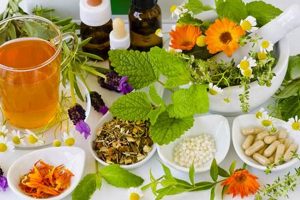
The formulation of herbal deworming solutions, such as molly’s herbals wormer, hinges on the careful selection and combination of natural ingredients. These components are chosen for their purported anthelmintic properties and are intended to offer a gentler alternative to synthetic medications.
- Herbal Anthelmintics
Certain herbs contain compounds believed to disrupt the lifecycle or physiology of internal parasites. Examples include wormwood (Artemisia absinthium), which contains thujone and is traditionally used against intestinal worms, and black walnut hulls (Juglans nigra), which contain juglone, a compound with alleged anthelmintic and antifungal properties. The presence and concentration of these compounds within the molly’s herbals wormer formulation directly influences its potential efficacy.
- Supportive Botanicals
Beyond direct anthelmintic action, some ingredients serve supportive roles. These botanicals may aid in digestion, reduce inflammation, or bolster the animal’s immune system. For instance, ginger (Zingiber officinale) can promote gut motility and alleviate nausea, potentially mitigating side effects associated with parasite die-off. The inclusion of these supportive elements reflects a holistic approach to animal wellness when using molly’s herbals wormer.
- Bioavailability Enhancers
The bioavailability, or the degree to which a substance is absorbed and becomes available at the target site, is a critical factor. Some natural ingredients may enhance the bioavailability of other anthelmintic compounds within the molly’s herbals wormer product. Piperine, found in black pepper (Piper nigrum), is known to increase the absorption of certain nutrients and pharmaceuticals. Optimizing bioavailability is essential for maximizing the therapeutic potential of herbal dewormers.
- Synergistic Combinations
The effectiveness of herbal formulations often stems from the synergistic interaction of multiple ingredients. The combined effect may exceed the sum of the individual effects, leading to enhanced anthelmintic activity. The specific combination of herbs within molly’s herbals wormer is likely based on traditional knowledge and empirical observations regarding their complementary actions. Further research may be needed to fully elucidate these synergistic mechanisms.
The selection and rationale behind the natural ingredients in molly’s herbals wormer are fundamental to its intended purpose. Understanding the properties, interactions, and potential benefits of each component is crucial for informed usage and assessment of its efficacy in managing internal parasites in animals. The emphasis on natural ingredients reflects a broader trend toward holistic animal care and a desire to minimize reliance on synthetic pharmaceuticals.
2. Target Parasites

The efficacy of molly’s herbals wormer is intrinsically linked to the spectrum of parasites it is designed to combat. This relationship dictates the product’s suitability for specific animal health challenges. The active compounds within the herbal formulation exert their anthelmintic effects via various mechanisms, each targeting particular parasite species or life stages. For instance, if molly’s herbals wormer primarily contains ingredients effective against nematodes (roundworms), its use in animals infected with cestodes (tapeworms) would be inappropriate and ineffective. Accurate identification of the target parasite through fecal egg counts or other diagnostic methods is therefore a prerequisite for rational use.
The formulation of molly’s herbals wormer should ideally be guided by an understanding of the local parasite epidemiology. In regions where resistance to conventional dewormers is prevalent, the product may offer a supplementary or alternative approach, provided that its active ingredients retain efficacy against the resistant parasite strains. Furthermore, the product’s effectiveness can vary depending on the host species. A formulation effective in horses might not be equally effective in sheep or goats due to differences in parasite biology, digestive physiology, or metabolic processes. Manufacturers should provide clear guidance on the target parasites and host species for which molly’s herbals wormer is intended. Real-world examples include the use of specific herbal blends targeting Haemonchus contortus in small ruminants, a parasite known for developing resistance to synthetic anthelmintics, and formulations aimed at controlling ascarids in horses, particularly in young foals where parasite burdens can be significant.
In summary, the practical significance of understanding the connection between molly’s herbals wormer and its target parasites lies in ensuring appropriate and effective parasite management. Challenges include the potential for misdiagnosis, the emergence of resistance to herbal anthelmintics, and the need for standardized testing methodologies to assess product efficacy. This understanding forms a crucial component of a holistic animal health strategy, emphasizing the importance of informed decision-making based on diagnostic findings and veterinary consultation.
3. Dosage Guidelines

Accurate adherence to dosage guidelines is paramount when administering molly’s herbals wormer. Incorrect dosage can lead to therapeutic failure or adverse reactions, thereby negating the intended benefits of the product and potentially compromising animal health.
- Weight-Based Calculation
Dosage is frequently determined by the animal’s body weight. For instance, the label might specify a dosage of “X ml per Y kg of body weight.” Precise weighing of the animal is therefore essential. Underestimation of weight can result in underdosing, leading to ineffective parasite control and promoting parasite resistance. Overestimation can lead to overdosing, increasing the risk of toxicity. Regular monitoring of animal weight and recalibration of dosage is advisable, particularly in growing animals.
- Concentration of Active Ingredients
The concentration of active herbal ingredients within the molly’s herbals wormer formulation dictates the volume required for effective treatment. Variations in manufacturing processes or herbal source material can affect the concentration. Consequently, reliance on outdated dosage information or formulations from different batches can compromise efficacy. Manufacturers should provide clear and updated information regarding the concentration of active ingredients and corresponding dosage adjustments.
- Route of Administration
The route of administration (e.g., oral drench, feed additive, topical application) influences the absorption and bioavailability of the active herbal compounds. For example, an oral drench may result in more rapid and complete absorption compared to a feed additive, where consumption and absorption rates can vary. Dosage adjustments may be necessary depending on the chosen route of administration. Furthermore, proper administration technique is critical. Incorrect drenching can lead to aspiration pneumonia, particularly in young or debilitated animals.
- Frequency and Duration of Treatment
The frequency and duration of treatment courses are crucial for eradicating parasites at different life stages. A single dose may be sufficient for some parasites, while others require repeated treatments to disrupt their lifecycle. The molly’s herbals wormer label should provide specific instructions regarding the treatment schedule, considering the biology of the target parasites and the potential for re-infection. Deviation from the recommended schedule can result in incomplete parasite control and the persistence of clinical signs.
In summary, conscientious adherence to dosage guidelines is indispensable for the safe and effective use of molly’s herbals wormer. This necessitates accurate weight assessment, awareness of active ingredient concentration, selection of appropriate administration routes, and adherence to the recommended treatment schedule. Veterinarian consultation and periodic fecal egg counts are highly recommended to optimize treatment outcomes and minimize the risk of adverse effects and parasite resistance.
4. Efficacy Monitoring

Efficacy monitoring represents a critical component in the responsible and effective utilization of molly’s herbals wormer. It provides the data necessary to determine whether the product is achieving its intended purpose of parasite control, allowing for adjustments to treatment strategies as needed.
- Fecal Egg Counts (FEC)
Fecal egg counts are the primary method for assessing the efficacy of anthelmintic treatments. A pre-treatment FEC establishes a baseline level of parasite burden, while a post-treatment FEC, typically performed 10-14 days after administration of molly’s herbals wormer, quantifies the reduction in parasite egg shedding. A significant reduction, typically defined as greater than 90%, indicates effective treatment. Failure to achieve this level of reduction suggests resistance or an inappropriate choice of anthelmintic. These counts are crucial for guiding future treatment decisions.
- Fecal Egg Count Reduction Test (FECRT)
The Fecal Egg Count Reduction Test compares the FECs of a treated group of animals to those of an untreated control group. This helps determine the true efficacy of molly’s herbals wormer while accounting for natural fluctuations in parasite burdens or environmental factors that might influence egg shedding. A significant difference between the treated and control groups confirms the product’s anthelmintic activity under specific conditions.
- Clinical Observation
While FECs provide quantitative data, clinical observation provides valuable qualitative information. Improvement in clinical signs associated with parasitism, such as improved body condition, decreased diarrhea, or reduced coughing, can indicate effective parasite control with molly’s herbals wormer. However, it is important to note that clinical signs can be subjective and influenced by other factors, making FECs a more reliable measure of efficacy.
- Post-Mortem Examination
In cases where animals succumb to parasitic disease, post-mortem examination can provide definitive evidence of the presence and type of internal parasites. This can help determine whether the failure of molly’s herbals wormer was due to resistance, inappropriate product selection, or other underlying health issues. Post-mortem findings can inform future treatment strategies and contribute to a better understanding of parasite epidemiology in a given region.
By integrating these methods, animal managers can obtain a comprehensive assessment of molly’s herbals wormer’s performance. The practice is essential for informed decision-making, allowing for adjustments to treatment protocols and the prevention of widespread parasite resistance. This multi-faceted approach to efficacy monitoring is indispensable for responsible animal health management.
5. Animal Safety

Animal safety is a paramount consideration in the use of any deworming product, including molly’s herbals wormer. The potential for adverse reactions and the overall impact on the animal’s well-being must be carefully evaluated before and during treatment.
- Dosage Precision
Accurate dosage is crucial for minimizing the risk of toxicity. Even natural substances can be harmful if administered in excessive amounts. Molly’s herbals wormer requires careful weight-based dosage calculations to avoid overdosing, which could lead to gastrointestinal upset, neurological effects, or other adverse reactions. Underdosing, conversely, may lead to ineffective parasite control and prolonged exposure to parasitic burdens. Strict adherence to the manufacturer’s recommendations and veterinary guidance is essential.
- Ingredient Interactions
The herbal ingredients within molly’s herbals wormer may interact with other medications or supplements the animal is receiving. Certain herbs can affect the metabolism of drugs or alter their efficacy. Veterinarians should be informed of all substances the animal is being given to assess potential interactions and adjust treatment protocols accordingly. Such proactive management reduces the risk of unforeseen adverse events.
- Underlying Health Conditions
The health status of the animal influences its susceptibility to adverse effects from any deworming agent. Animals with compromised liver or kidney function may be less able to process and eliminate the herbal compounds in molly’s herbals wormer, increasing the risk of toxicity. Pregnant or lactating animals require special consideration, as some herbal ingredients can be teratogenic or excreted in milk. A thorough veterinary examination is recommended to assess the animal’s overall health before initiating treatment.
- Source and Quality Control
The quality and source of the herbal ingredients used in molly’s herbals wormer significantly impact animal safety. Contamination with heavy metals, pesticides, or other toxins can pose a serious risk. Reputable manufacturers implement rigorous quality control measures to ensure the purity and safety of their products. Consumers should seek out products from trusted sources and carefully review product labels for information regarding ingredient sourcing and quality assurance practices.
The multifaceted nature of animal safety underscores the importance of a cautious and informed approach to using molly’s herbals wormer. The responsible use of this, or any deworming product necessitates vigilance, proactive risk assessment, and collaboration with veterinary professionals to ensure the well-being of the animal.
6. Veterinary Consultation

Veterinary consultation is a crucial element in the responsible and effective use of molly’s herbals wormer. The selection and administration of any anthelmintic product, including herbal formulations, should ideally occur under the guidance of a qualified veterinary professional. The complexities of parasite identification, animal health assessment, and potential product interactions necessitate expert oversight. The decision to utilize molly’s herbals wormer should be preceded by a veterinary examination to rule out underlying health conditions that may contraindicate its use or necessitate alternative treatment strategies. Furthermore, veterinarians possess the expertise to accurately diagnose parasitic infections through fecal egg counts and other diagnostic methods, ensuring that molly’s herbals wormer is appropriate for the specific parasite(s) affecting the animal.
The veterinarian’s role extends beyond initial assessment to encompass ongoing monitoring of treatment efficacy and animal health. Follow-up fecal egg counts, conducted at intervals recommended by the veterinarian, provide objective data on the effectiveness of molly’s herbals wormer. Clinical observation of the animal’s overall condition and response to treatment is also essential. Real-world examples include cases where initial fecal egg counts revealed a mixed parasite population, necessitating the use of a combination therapy that included molly’s herbals wormer in conjunction with another anthelmintic agent. In other cases, veterinary consultation identified underlying immune deficiencies that compromised the animal’s ability to respond to treatment, prompting the implementation of supportive care measures to enhance the efficacy of molly’s herbals wormer.
In summary, veterinary consultation represents a safeguard against inappropriate or ineffective use of molly’s herbals wormer. It facilitates accurate diagnosis, informed treatment decisions, and ongoing monitoring of animal health. The lack of veterinary oversight increases the risk of therapeutic failure, adverse drug reactions, and the development of anthelmintic resistance. Veterinary guidance is, therefore, an indispensable component of a comprehensive parasite management program utilizing molly’s herbals wormer or any other deworming product. The partnership between animal owner and veterinarian promotes responsible animal care and contributes to optimal health outcomes.
Frequently Asked Questions About Molly’s Herbals Wormer
This section addresses common inquiries and concerns regarding the use of this herbal deworming product. Information is presented in a concise and factual manner.
Question 1: Is Molly’s Herbals Wormer a substitute for conventional dewormers?
Molly’s Herbals Wormer may serve as a complementary or alternative treatment option, depending on the specific parasitic infection and the animal’s overall health. Its efficacy can vary, and veterinary consultation is recommended to determine the most appropriate treatment strategy. In some cases, conventional dewormers may be necessary for effective parasite control.
Question 2: How long does it take for Molly’s Herbals Wormer to work?
The timeframe for observing a noticeable reduction in parasite burden varies depending on the severity of the infection, the type of parasite, and the animal’s individual response. Fecal egg counts, performed after the recommended treatment course, provide the most accurate assessment of efficacy. Veterinary guidance is recommended to determine the optimal monitoring schedule.
Question 3: Are there any known side effects associated with Molly’s Herbals Wormer?
While Molly’s Herbals Wormer is generally considered safe, potential side effects may include mild gastrointestinal upset, such as diarrhea or loss of appetite. Allergic reactions are also possible, although rare. Veterinary supervision is recommended to monitor for any adverse effects and adjust treatment accordingly.
Question 4: Can Molly’s Herbals Wormer be used in pregnant or lactating animals?
The safety of Molly’s Herbals Wormer in pregnant or lactating animals has not been definitively established. Consultation with a veterinarian is essential to weigh the potential benefits against the risks before administering this product to these animals. Alternative treatment options may be more appropriate.
Question 5: How should Molly’s Herbals Wormer be stored?
Molly’s Herbals Wormer should be stored according to the manufacturer’s instructions, typically in a cool, dry place away from direct sunlight. Proper storage is essential to maintain the product’s potency and prevent degradation of its active ingredients. Expired product should be disposed of properly.
Question 6: Can Molly’s Herbals Wormer be used preventatively?
The use of Molly’s Herbals Wormer as a preventative measure is not generally recommended without veterinary guidance. Regular fecal egg counts and strategic deworming based on diagnostic findings are more effective approaches to parasite management. Overuse of any anthelmintic product can contribute to parasite resistance.
The information provided in this FAQ section is intended for informational purposes only and should not be construed as veterinary advice. Consultation with a qualified veterinarian is essential for accurate diagnosis and appropriate treatment of parasitic infections in animals.
The following section will summarize best practices for integrating Molly’s Herbals Wormer into a comprehensive animal health program.
Conclusion
Molly’s Herbals Wormer has been examined in terms of its composition, target parasites, dosage, efficacy monitoring, and safety considerations. Effective utilization necessitates precise administration based on accurate weight assessment, awareness of ingredient concentrations, and appropriate route selection. Veterinary consultation is crucial for accurate diagnosis, treatment planning, and ongoing monitoring. The reliance on herbal components reflects a growing interest in holistic animal health approaches, but careful attention must be paid to quality control, potential interactions, and the importance of evidence-based evaluation.
Optimal parasite management requires a comprehensive strategy integrating diagnostics, strategic treatment protocols, and environmental management practices. Continued research and standardized testing methodologies are essential to further evaluate the efficacy of Molly’s Herbals Wormer and other herbal anthelmintics. Prioritizing animal well-being through responsible product selection and veterinary oversight remains paramount in safeguarding animal health and minimizing the development of anthelmintic resistance.