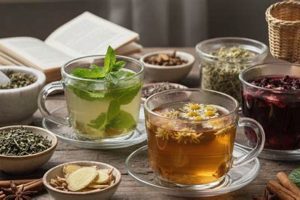
A traditional remedy rooted in ancient wellness practices, this preparation involves immersing the feet in water infused with a blend of specific plants and minerals sourced from the Tibetan plateau and surrounding regions. The composition varies depending on the desired effect, often including ingredients selected for their purported warming, detoxifying, and relaxation-inducing properties.
These foot baths are valued for their potential to promote overall well-being by supporting circulation, easing muscle tension, and fostering a sense of calm. Historically, such practices have been integral to Tibetan medicine, used to address imbalances within the body and promote healing through the skin’s absorption of beneficial compounds. The practice connects to a holistic view of health that emphasizes the interconnectedness of the body’s systems.
The following discussion delves into the specific herbs typically incorporated, examines the preparation methods involved, and explores the potential advantages and considerations associated with incorporating this method into a wellness routine. It further examines relevant research, if available, concerning the purported efficacy of these formulations.
Practical Considerations for Herbal Foot Immersions
The following guidance assists in optimizing the experience and maximizing potential advantages, while emphasizing safety and mindful integration into a comprehensive wellness strategy.
Tip 1: Ingredient Sourcing. Ensure the origin and quality of herbs are reputable. Opt for suppliers who adhere to stringent quality control measures and can verify the source of the ingredients to minimize risk of contaminants.
Tip 2: Water Temperature Regulation. Maintain a water temperature that is comfortably warm, typically between 100-105F (38-40C). Avoid excessively hot water, which can cause burns or discomfort.
Tip 3: Immersion Duration. Limit each immersion to 15-20 minutes. Prolonged exposure can dehydrate the skin or lead to dizziness in sensitive individuals.
Tip 4: Post-Immersion Hydration. Following the foot soak, adequately hydrate by drinking water or herbal tea to support the body’s natural detoxification processes.
Tip 5: Allergic Reaction Monitoring. Before committing to regular usage, perform a patch test by applying a small amount of the herbal solution to the skin. Observe for any signs of irritation or allergic reaction over 24 hours.
Tip 6: Contraindication Awareness. Individuals with specific medical conditions, such as open wounds, skin infections, diabetes, or circulatory problems, should consult a healthcare professional prior to utilizing this practice.
Tip 7: Optimize Timing. Conduct the foot soak in the evening hours to aid relaxation and improve sleep quality. Avoid immediately after vigorous exercise or heavy meals.
A disciplined approach to these recommendations provides a framework for safely incorporating foot soaks into a holistic wellness regimen, potentially fostering relaxation and promoting well-being.
The subsequent sections will address specific formulations, including instructions for preparation and guidance on frequency of use, to further clarify this ancient tradition.
1. Herbal Composition

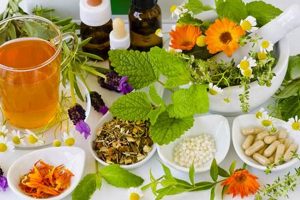
The herbal composition is the cornerstone of any effective Tibetan herbal foot soak. The specific plants included, their proportions, and the quality of the source materials directly influence the therapeutic outcome of the immersion. Each herb contributes unique phytochemicals, which interact synergistically within the warm water to exert their purported effects through dermal absorption and inhalation of volatile compounds. An inappropriate selection or compromised quality of herbs renders the immersion ineffective, or even potentially harmful, potentially causing adverse reactions in sensitive individuals. For example, using poor-quality ginger, which may contain molds or additives, in a foot soak intended to promote circulation, could instead lead to skin irritation.
A variety of herbal combinations are commonly employed, each designed to address specific imbalances or promote particular benefits. For example, a formulation designed to ease muscle tension might include valerian root for its sedative properties and Epsom salts (magnesium sulfate) to relax muscles. A blend intended to improve circulation may incorporate cinnamon and ginger for their warming effects. Understanding the specific properties of each herb and the rationale behind its inclusion is crucial for tailoring the composition to individual needs. Such customized blends require careful consideration of the individual’s constitution and any pre-existing health conditions.
In conclusion, the herbal composition determines the efficacy and safety profile of the soak. A thorough understanding of herbal properties, sourcing quality ingredients, and individual tailoring are essential components for successful implementation. Neglecting these elements compromises the potential benefits, potentially resulting in adverse outcomes. Therefore, the herbal composition must be treated with the utmost care and knowledge.
2. Traditional Applications

The traditional applications of Tibetan herbal foot soaks are deeply interwoven with the tenets of Tibetan medicine, a holistic system emphasizing balance and harmony within the individual. These immersions are not merely foot care; rather, they serve as therapeutic interventions designed to address specific imbalances within the body, promoting overall wellness through various mechanisms believed to be activated via the feet.
- Promoting Circulation
One of the primary applications is the enhancement of peripheral circulation. Herbal blends containing warming ingredients, such as ginger and cinnamon, are traditionally used to stimulate blood flow to the extremities, potentially alleviating symptoms of cold feet or chilblains. This application aligns with the Tibetan medical concept of ‘Ts’, referring to the body’s internal heat, which must be properly maintained for optimal health. Cold feet are seen as an imbalance of Ts and such foot soaks are aimed at restoring it.
- Alleviating Stress and Promoting Relaxation
Certain herbal combinations, especially those incorporating lavender or sandalwood, are employed for their calming and stress-reducing properties. The warm water, combined with the aromatic qualities of the herbs, is believed to induce a state of relaxation, easing mental tension and promoting better sleep. This aligns with the Tibetan concept of ‘Lung’, referring to the body’s energy, which can become disrupted by stress and anxiety. The soothing properties of the foot soak aim to harmonize Lung.
- Detoxification Support
While the concept of ‘detoxification’ is complex, traditionally, specific herbal blends are intended to support the body’s natural elimination processes through the skin. These formulations may contain herbs believed to stimulate lymphatic drainage or promote sweating, thereby assisting in the removal of accumulated toxins. In Tibetan medicine, this corresponds to the concept of ‘Beken’, one of the three fundamental energies, which is responsible for maintaining balance in the body. Foot soaks that assist in detoxification can help promote balance.
- Addressing Specific Ailments
Beyond general well-being, herbal foot soaks are traditionally utilized as adjunctive therapy for various ailments. Preparations incorporating specific herbs might be used to address muscular aches, skin conditions, or even early symptoms of respiratory illness. The selection of herbs is carefully tailored to the individual’s constitution and the nature of the ailment, reflecting the personalized approach characteristic of Tibetan medicine.
The continued relevance of these traditional applications lies in their emphasis on holistic well-being and their integration into a comprehensive approach to health. While modern science may offer alternative explanations for their efficacy, the historical and cultural significance of Tibetan herbal foot soaks endures, reinforcing their value as a time-honored practice for promoting balance and harmony within the body.
3. Preparation Techniques

The preparation techniques directly determine the effectiveness and safety of the application. Variations in the method, from the selection and processing of the herbs to the temperature and duration of the soak, yield significantly different outcomes. The process is not merely a mixing of ingredients but a controlled extraction of active compounds and a careful manipulation of variables to maximize therapeutic potential while minimizing risks.
Incorrect preparation undermines the intended benefits. For instance, using excessively hot water can degrade heat-sensitive phytochemicals, rendering them inactive. Similarly, inadequate steeping or insufficient concentration of herbs may result in a diluted solution with minimal therapeutic impact. A concrete example is the preparation of a foot soak using ginger for its warming properties. Overheating the ginger during the extraction process diminishes the potency of its volatile oils. Conversely, if the ginger is not steeped for a sufficient duration, the active compounds will not be adequately released into the water. Neglecting proper processing can even convert compounds into harmful or ineffective substances. Proper water temperature and the quantity of herbs used directly correlates to the foot soak’s therapeutic efficacy.
In summary, proper preparation techniques are non-negotiable for a potent and safe remedy. Methodical selection, processing, and application parameters, such as water temperature, steeping time, and herb quantity are essential. When proper guidelines are followed, the benefits are most likely to be fulfilled, and when omitted, it becomes ineffective and detrimental to the goal.
4. Therapeutic Properties

The reputed therapeutic properties attributed to preparations are directly linked to the active compounds found within the herbal ingredients and their interaction with the body. These properties are central to understanding the rationale behind their traditional use and provide a framework for evaluating their potential benefits.
- Analgesic Effects
Specific compounds present in certain herbs possess analgesic properties, providing relief from pain and discomfort. For example, willow bark, traditionally used in pain remedies, contains salicin, a precursor to aspirin. The application of herbal foot soaks containing such ingredients may alleviate foot pain, muscle aches, and joint stiffness by reducing inflammation and modulating pain signals. The magnitude of this effect varies depending on the concentration of active compounds and individual sensitivity.
- Anti-inflammatory Action
Inflammation is a key factor in many ailments. Certain herbs incorporated into the soak possess anti-inflammatory properties. Chamomile, for instance, contains compounds that inhibit the production of inflammatory mediators. Foot soaks infused with chamomile may reduce inflammation in the feet and ankles, offering relief from conditions such as arthritis or edema. The efficacy hinges on the bioavailability of these compounds and their ability to penetrate the skin barrier.
- Antimicrobial Effects
Some herbs exhibit antimicrobial properties, inhibiting the growth of bacteria, fungi, or viruses. Tea tree oil, a common ingredient in foot care products, is known for its antifungal activity. Herbal foot soaks containing tea tree oil or other antimicrobial herbs may help prevent or treat foot infections, such as athlete’s foot or nail fungus. The effectiveness of these applications depends on the type of microbe involved and the concentration of the antimicrobial compounds.
- Circulatory Enhancement
Certain preparations are promoted for their ability to improve circulation. Ingredients like ginger and cinnamon are believed to stimulate blood flow due to their warming properties. The application of such soaks may benefit individuals with poor circulation, potentially alleviating symptoms such as cold feet or numbness. The mechanisms by which these herbs influence circulation are complex and may involve vasodilation and increased blood vessel permeability.
These properties represent a spectrum of potential benefits that warrants careful consideration. While anecdotal evidence and traditional practices support these claims, rigorous scientific research is required to fully elucidate the mechanisms of action and to determine the extent to which these therapeutic properties translate into tangible clinical outcomes. Further, standardization of preparations and dosages is essential to ensure consistent and reliable results.
5. Usage Guidelines

The efficacy and safety of incorporating this ancient method are contingent upon adherence to explicit usage guidelines. These guidelines, developed through traditional practices and informed by considerations of physiology, dictate frequency, duration, and specific application methods. Deviation from these established protocols introduces the potential for adverse effects, ranging from mild skin irritation to exacerbation of underlying medical conditions. Therefore, strict adherence to established usage parameters is crucial for maximizing benefits while minimizing risks.
For example, a typical recommendation suggests a soaking duration of 15-20 minutes, performed no more than three times per week. Exceeding this frequency or duration could lead to excessive skin softening, increasing susceptibility to infections. Furthermore, individuals with pre-existing medical conditions such as diabetes or peripheral neuropathy require modified guidelines. In these cases, the water temperature must be carefully monitored to prevent burns, and the soak’s duration may need to be reduced. Failure to follow these condition-specific recommendations could result in serious complications, including foot ulcers or infections. Similarly, individuals with known herbal allergies must carefully review the ingredient list before use to avoid potentially severe allergic reactions.
In conclusion, the understanding and implementation of appropriate usage guidelines are paramount to the responsible and effective integration of this method. These guidelines are not arbitrary but are derived from a careful balance between promoting therapeutic benefits and mitigating potential hazards. Individuals considering incorporating this method into their wellness routine should prioritize a thorough understanding of these parameters and tailor their approach based on individual needs and medical conditions. Doing so ensures the responsible and beneficial application of this traditional practice.
6. Safety Considerations

The intersection of safety and formulations necessitates meticulous attention to potential risks, arising from both the inherent properties of the herbs employed and the individual’s physiological response. These preparations, while rooted in traditional practices, require careful evaluation to mitigate potential adverse reactions. For instance, individuals with pre-existing skin conditions, such as eczema or psoriasis, may experience exacerbations due to certain herbal constituents. Similarly, those with sensitivities to specific plant families may exhibit allergic reactions, ranging from mild skin irritation to systemic responses. A critical safety measure involves conducting a patch test prior to full immersion, allowing for observation of localized reactions. Furthermore, individuals with compromised kidney or liver function must exercise caution, as certain herbs may exert undue strain on these organs during processing and excretion.
Specific herbal ingredients present distinct safety concerns. Comfrey, for example, while traditionally used for its purported healing properties, contains pyrrolizidine alkaloids, which can cause liver damage with prolonged or excessive exposure. Similarly, pennyroyal oil, often touted for its antimicrobial effects, possesses abortifacient properties and should be strictly avoided by pregnant women. These examples underscore the importance of thorough knowledge of herbal pharmacology and the potential for adverse effects. To address these concerns, formulations should be sourced from reputable suppliers who adhere to stringent quality control measures, including authentication of herbal identity and testing for contaminants. Furthermore, clear labeling of all ingredients and potential contraindications is essential for informing consumers and enabling informed decision-making.
In summary, the safe application of such preparations demands a proactive approach to risk management. This entails comprehensive knowledge of herbal properties, meticulous sourcing and quality control, thorough assessment of individual health status, and adherence to appropriate usage guidelines. By integrating these safety considerations into the practice, the potential benefits can be realized while minimizing the risk of adverse events, ensuring a responsible and informed approach to traditional herbal therapies.
Frequently Asked Questions
The following addresses common queries regarding the implementation and understanding of this ancient practice. Clarification of these points facilitates informed decision-making and responsible application.
Question 1: What constitutes a genuine Tibetan herbal foot soak?
A genuine formulation utilizes specific herbs traditionally sourced from the Tibetan plateau or surrounding regions, selected according to principles of Tibetan medicine. Authentication of the source and composition is crucial to ensure authenticity and avoid adulteration.
Question 2: Is it possible to prepare this at home?
Preparation is possible, but requires access to authentic herbs and a thorough understanding of their properties. Improper sourcing or preparation can diminish efficacy or introduce potential risks. Seeking guidance from a qualified practitioner is advisable.
Question 3: How frequently should this practice be performed?
Frequency depends on individual needs and health status. Generally, 1-3 times per week for 15-20 minutes per session is considered appropriate. Consult a healthcare professional for personalized recommendations.
Question 4: Are there any contraindications to its use?
Contraindications include open wounds, skin infections, diabetes, peripheral neuropathy, pregnancy, and allergies to any of the herbal ingredients. Consultation with a healthcare provider is recommended prior to use, particularly for individuals with pre-existing medical conditions.
Question 5: What are the expected benefits?
Potential benefits include promoting circulation, reducing stress, alleviating muscle tension, and supporting detoxification. However, the extent of these benefits can vary depending on individual factors and the specific formulation used.
Question 6: How does this differ from a standard foot soak?
The key difference lies in the specific herbal composition and the traditional application within the framework of Tibetan medicine. A standard foot soak typically involves plain water or simple additives like Epsom salts, lacking the targeted therapeutic properties of a genuine herbal formulation.
Responsible application requires a balanced perspective, acknowledging both the potential benefits and inherent risks associated with any therapeutic intervention. A cautious and informed approach ensures optimal outcomes and safeguards against adverse reactions.
The subsequent section explores case studies and research findings to further illuminate the evidence supporting the benefits.
Conclusion
The preceding exploration elucidates the multifaceted nature of the practices, encompassing its herbal composition, traditional applications, preparation techniques, potential therapeutic properties, usage guidelines, and safety considerations. The emphasis on authentic ingredients, proper preparation, and informed application underscores the commitment to responsible utilization.
The evidence presented supports the continued investigation and integration of such practices as a complementary approach to well-being. Further research is crucial to validate traditional claims, standardize formulations, and establish definitive clinical efficacy, ensuring the safe and effective application. This ancient technique warrants careful consideration and continued scholarly examination.