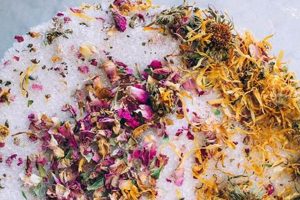
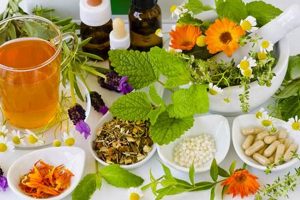
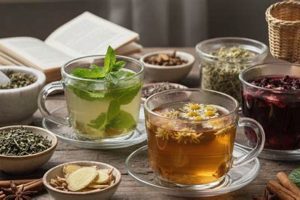
Botanical substances have been employed across cultures for centuries in attempts to alleviate feelings of unease and apprehension. These natural remedies are often formulated into consumable products intended to promote a sense of calm and well-being. For example, preparations containing valerian root are sometimes ingested before sleep to ease nervous tension, while others might use chamomile tea throughout the day for its purportedly soothing effects.
The perceived value of these plant-derived treatments lies in their accessibility, tradition of use, and purported lower incidence of side effects compared to some pharmaceutical options. Historically, various societies have relied heavily on indigenous flora to address mental and emotional distress. The continued interest in these traditional approaches suggests a desire for holistic and natural methods of managing everyday stress and unease.
The subsequent sections will delve into the scientific evidence supporting the efficacy of specific botanicals, exploring their potential mechanisms of action and outlining important safety considerations. Furthermore, the discussion will address the regulatory landscape surrounding these products and offer guidance on responsible consumption.
Guidance on Using Botanical Remedies for Anxiety
Implementing plant-derived solutions requires a mindful approach, recognizing that individual responses may vary and potential interactions with other substances exist.
Tip 1: Consult a Healthcare Professional: Prior to initiating any new regimen, seek guidance from a qualified medical practitioner. This is especially crucial for individuals with pre-existing medical conditions or those taking prescription medications. A healthcare professional can assess potential interactions and ensure appropriateness.
Tip 2: Research Reputable Brands: The market for natural health products is diverse. Thoroughly investigate brands to ensure they adhere to quality control standards. Look for certifications from independent testing organizations to verify the purity and potency of ingredients.
Tip 3: Begin with Low Doses: Start with a minimal effective dosage as indicated on the product label or as recommended by a healthcare professional. This allows for monitoring of individual reactions and minimization of potential adverse effects.
Tip 4: Monitor for Side Effects: Pay close attention to any changes in physical or mental well-being after starting a botanical regimen. Discontinue use and consult a healthcare professional if unexpected or adverse reactions occur.
Tip 5: Be Aware of Potential Interactions: Certain botanical compounds can interact with prescription drugs, over-the-counter medications, and other herbal supplements. Provide a comprehensive list of all substances being consumed to your healthcare provider to assess for potential conflicts.
Tip 6: Consider Lifestyle Modifications: While incorporating plant-based options, do not neglect the importance of fundamental lifestyle adjustments. Regular exercise, a balanced diet, and sufficient sleep are essential components of managing anxiety.
Tip 7: Understand Limitations: Recognize that while some plant-derived solutions may offer mild anxiety relief, they are not a substitute for professional mental healthcare interventions for moderate to severe anxiety disorders.
Careful consideration of sourcing, dosage, and potential interactions is paramount for the responsible utilization of plant-derived options. A balanced approach combining natural remedies with lifestyle adjustments and professional guidance may offer the most comprehensive support.
The concluding section will summarize key considerations and provide resources for further exploration.
1. Safety and Interactions

The intersection of safety and interactions with botanical remedies for anxiety represents a critical domain demanding meticulous consideration. The consumption of plant-derived substances, while often perceived as benign, carries inherent risks of adverse effects and potentially harmful interactions with concurrently administered pharmaceuticals. Ignoring these factors can negate any intended therapeutic benefit and, in certain cases, precipitate serious health complications. For example, kava, once widely used for its anxiolytic properties, has been linked to liver damage, leading to its restriction or prohibition in several countries. This underscores the imperative for rigorous pre-emptive safety assessments and monitoring.
The complexity arises from the diverse chemical composition of botanical extracts, many of which contain multiple bioactive compounds. These compounds can influence various physiological pathways, potentially altering the metabolism, absorption, or excretion of conventional drugs. A patient taking warfarin, an anticoagulant, and concurrently consuming ginger, which also possesses antiplatelet properties, may experience an elevated risk of bleeding. Therefore, a thorough understanding of the pharmacological properties of each botanical substance and potential synergistic or antagonistic effects with other medications is crucial. This knowledge gap often necessitates reliance on comprehensive drug interaction databases and consultation with qualified healthcare professionals knowledgeable in both conventional and alternative medicine.
In summary, prioritizing safety and proactively addressing potential interactions are non-negotiable aspects of incorporating botanical options for anxiety management. The inherent complexity of botanical pharmacology requires diligence in gathering accurate information, engaging in open communication with healthcare providers, and monitoring for any signs of adverse reactions. A cautious and informed approach minimizes risks and optimizes the potential for safe and effective anxiety relief.
2. Efficacy Evidence
The evaluation of effectiveness constitutes a crucial element in determining the value of botanical substances intended for anxiety relief. The mere historical use of a particular plant-derived product does not automatically confirm its anxiolytic properties. Establishing efficacy requires rigorous scientific investigation, typically through well-designed clinical trials. These studies should employ appropriate control groups, standardized outcome measures for anxiety assessment, and sufficient sample sizes to yield statistically significant results. The absence of such evidence renders any claims of anxiety reduction suspect and potentially misleading. For example, while lavender aromatherapy is widely promoted for relaxation, only a subset of clinical trials demonstrate a significant reduction in anxiety symptoms compared to placebo. This variability underscores the need for critical evaluation of the available data.
The interpretation of efficacy evidence for botanical anxiolytics is further complicated by several factors. Variation in product formulations, including differences in plant species, extraction methods, and dosage levels, can significantly impact outcomes. Furthermore, the subjective nature of anxiety symptoms and the potential for placebo effects can influence study results. High-quality meta-analyses, which combine data from multiple independent studies, can help to address these limitations and provide a more comprehensive assessment of efficacy. However, the availability of such analyses is often limited for many botanical remedies. The German Commission E monographs, for example, provide a useful summary of traditional uses and safety data for many herbal medicines, but they often lack detailed analysis of efficacy trials.
In conclusion, solid efficacy evidence is paramount for validating the use of botanical options for anxiety. While anecdotal reports and traditional use can provide a basis for further investigation, they do not substitute for rigorous scientific evaluation. Healthcare professionals and consumers should critically assess the available evidence, considering study design, sample size, and product standardization, before making informed decisions regarding the use of botanical anxiolytics. A cautious approach, prioritizing evidence-based practice, is essential for maximizing potential benefits while minimizing risks.
3. Quality Control

The correlation between stringent quality control measures and the efficacy and safety of herbal medications intended for anxiety relief is undeniable. Compromised quality control directly undermines the therapeutic potential and introduces significant risks to consumers. Contamination with heavy metals, pesticides, or adulterants can lead to adverse health effects, potentially exacerbating anxiety symptoms rather than alleviating them. Variable concentrations of active compounds, resulting from inadequate quality control, render dosing unpredictable and can lead to either therapeutic failure or toxicity. For example, if an herbal supplement labeled as containing a specific amount of valerian root extract actually contains significantly less due to poor manufacturing processes, the individual seeking anxiety relief may not experience the intended effects. Conversely, if the concentration is higher than stated, the individual might experience unexpected sedative effects or other adverse reactions.
Quality control in herbal medicine manufacturing encompasses a range of processes, from verifying the botanical identity of the raw materials to ensuring consistent extraction and formulation. High-performance liquid chromatography (HPLC) and other analytical techniques are essential for quantifying the levels of key active compounds and detecting contaminants. Good Manufacturing Practices (GMP) guidelines provide a framework for establishing quality control standards throughout the production chain. Reputable manufacturers adhere to GMP standards and subject their products to third-party testing to verify purity, potency, and authenticity. However, the herbal supplement industry is not uniformly regulated, and substandard products continue to enter the market. This necessitates vigilant consumer awareness and a proactive approach to selecting reputable brands.
In conclusion, the maintenance of rigorous quality control standards is a non-negotiable aspect of producing reliable and safe herbal medications for anxiety. From sourcing authentic plant materials to employing advanced analytical techniques and adhering to GMP guidelines, quality control safeguards the consumer from potential harm and ensures the therapeutic potential of the herbal product. The potential consequences of neglecting quality control range from therapeutic failure to serious health risks, emphasizing the critical importance of prioritizing quality in the selection and use of herbal anxiolytics.
4. Dosage Precision

The effectiveness and safety of botanical substances for anxiety management are inextricably linked to dosage precision. Unlike conventional pharmaceuticals, herbal medications often contain complex mixtures of compounds, making accurate dosing a significant challenge. Variations in potency between different batches of the same herb can further complicate matters, necessitating a meticulous approach to ensure consistent and predictable outcomes.
- Variable Bioactive Compound Concentrations
Herbal medications are derived from natural sources, where the concentration of active constituents can fluctuate due to environmental factors, growing conditions, and harvesting practices. This inherent variability means that a standardized dose by weight or volume may not deliver a consistent amount of the active compounds believed to be responsible for the anxiolytic effect. For example, the level of hypericin in St. John’s Wort can vary significantly, impacting its efficacy in alleviating depressive symptoms, which often co-occur with anxiety.
- Individual Metabolic Differences
Individual differences in metabolism, age, body weight, and overall health status influence how the body processes and responds to herbal medications. The same dose that is effective for one person might be ineffective or even harmful to another. Genetic variations in drug-metabolizing enzymes can also play a crucial role. A slow metabolizer may experience exaggerated effects from a standard dose, while a rapid metabolizer may require a higher dose to achieve the desired outcome. This variability highlights the importance of starting with a low dose and gradually titrating upwards, under the guidance of a healthcare professional.
- Potential for Herb-Drug Interactions
Many herbal medications can interact with prescription drugs, either by increasing or decreasing their effects. Dosage precision is crucial in mitigating the risk of these interactions. For example, an individual taking an SSRI antidepressant concurrently with St. John’s Wort, even at seemingly appropriate dosages, may experience serotonin syndrome, a potentially life-threatening condition caused by excessive serotonin levels. Careful consideration of potential interactions and dosage adjustments is necessary to minimize adverse events.
- Formulation and Delivery Method
The method of preparation and delivery can impact the bioavailability and absorption of active compounds in herbal medications. Different formulations, such as capsules, teas, tinctures, or extracts, may have varying degrees of bioavailability. For instance, liposomal delivery systems can enhance the absorption of certain herbal compounds, allowing for lower and potentially more effective dosages. Understanding how formulation affects drug delivery is crucial for determining the appropriate dosage and achieving optimal therapeutic outcomes.
In summary, achieving dosage precision with botanical anxiety remedies is a complex undertaking, requiring careful consideration of variability in plant material, individual patient factors, potential drug interactions, and formulation characteristics. A collaborative approach involving healthcare professionals, pharmacists, and knowledgeable herbalists is essential to ensure safe and effective use of these medications.
5. Mechanism Exploration

Deciphering the underlying biological mechanisms by which botanical substances exert their potential anxiolytic effects constitutes a critical area of investigation. While anecdotal evidence and traditional use may suggest efficacy, a comprehensive understanding of the involved pathways is essential for validating therapeutic claims, optimizing dosing strategies, and minimizing potential adverse effects.
- Neurotransmitter Modulation
Many herbal remedies are hypothesized to influence neurotransmitter activity in the brain, particularly those systems involved in regulating mood and anxiety. For instance, some compounds may enhance the activity of gamma-aminobutyric acid (GABA), an inhibitory neurotransmitter that promotes relaxation and reduces neuronal excitability. Valerian root, for example, is believed to increase GABA levels in the synapse, potentially contributing to its calming effects. Other botanicals may interact with serotonin or dopamine pathways, further modulating mood and anxiety responses. Scutellaria baicalensis (baikal skullcap) is thought to influence GABAergic activity. Understanding these specific interactions allows for a more targeted approach to herbal selection.
- Hormonal Influence
The hypothalamic-pituitary-adrenal (HPA) axis plays a central role in the body’s stress response, and dysregulation of this system is often implicated in anxiety disorders. Certain herbal adaptogens, such as Rhodiola rosea and Ashwagandha (Withania somnifera), are proposed to modulate HPA axis activity, helping to restore balance and reduce the physiological impact of stress. They may influence cortisol levels, the primary stress hormone, and promote resilience to stressors. Research suggests that Ashwagandha may lower cortisol levels, potentially decreasing the body’s response to chronic stress. Understanding hormonal influences allows adaptogens, known for normalizing body functions, to become a key ingredient.
- Anti-inflammatory Pathways
Emerging evidence suggests a link between chronic inflammation and mental health disorders, including anxiety. Some herbal compounds possess anti-inflammatory properties that may indirectly contribute to anxiety reduction. For example, curcumin, the active compound in turmeric, has been shown to inhibit inflammatory signaling pathways and reduce oxidative stress. By mitigating inflammation in the brain, curcumin and other anti-inflammatory herbs may exert a protective effect and alleviate anxiety symptoms. However, more research is needed to fully elucidate the role of inflammation in anxiety and the therapeutic potential of anti-inflammatory botanicals.
- Neuroprotective Effects
Oxidative stress and neuronal damage can contribute to the development and progression of anxiety disorders. Certain botanical extracts contain antioxidants that may protect neurons from oxidative damage and promote neuronal health. For example, Ginkgo biloba extract is known for its antioxidant and neuroprotective properties. By scavenging free radicals and enhancing cerebral blood flow, Ginkgo biloba may improve cognitive function and reduce anxiety symptoms, particularly in older adults. Understanding neuroprotective mechanisms facilitates the use of herbs to promote overall brain health.
Elucidating these intricate mechanisms offers the potential to develop more effective and targeted herbal interventions for anxiety. By understanding how specific botanical compounds interact with various physiological pathways, researchers and clinicians can move beyond empirical approaches and adopt a more rational and evidence-based approach to using botanical medicine in mental healthcare.
Frequently Asked Questions about Botanical Approaches to Anxiety
The following section addresses common inquiries regarding the use of plant-derived products in the management of anxiety. The information presented aims to provide clarity and promote informed decision-making.
Question 1: Are botanical substances a safe alternative to conventional anxiety medications?
The safety of botanical options varies depending on the specific substance, individual health conditions, and potential interactions with other medications. While some may offer a lower risk of certain side effects compared to pharmaceuticals, they are not inherently risk-free. Consultation with a healthcare professional is essential to assess individual suitability and potential hazards.
Question 2: How effective are botanical remedies in treating anxiety disorders?
The efficacy of botanical remedies for anxiety varies depending on the specific herb and the severity of the anxiety disorder. Some may provide mild relief for mild to moderate anxiety, while others have limited scientific evidence supporting their use. Botanical options should not be considered a substitute for professional mental health treatment for severe or debilitating anxiety disorders.
Question 3: Can botanical supplements interact with prescription medications?
Yes, interactions between botanical supplements and prescription medications are possible and can potentially lead to adverse effects. Certain herbs can alter the metabolism or absorption of drugs, affecting their efficacy or increasing the risk of side effects. Disclosure of all medications and supplements to a healthcare provider is critical.
Question 4: Are there regulations governing the quality and safety of botanical supplements?
The regulation of botanical supplements varies across different countries. In many regions, supplements are not subject to the same rigorous testing and approval processes as prescription drugs. This can lead to variability in product quality and potency. Consumers should seek products from reputable brands that adhere to quality control standards and undergo third-party testing.
Question 5: What is the appropriate dosage of botanical supplements for anxiety?
Determining the appropriate dosage of botanical supplements for anxiety can be complex due to variations in product formulations and individual responses. Starting with a low dose and gradually increasing it under the guidance of a healthcare professional is generally recommended. Adhering to the manufacturer’s instructions and monitoring for any adverse effects is also important.
Question 6: Can botanical substances cure anxiety?
Botanical substances are not considered a cure for anxiety disorders. They may offer symptomatic relief and support overall well-being, but they do not address the underlying causes of anxiety. A comprehensive treatment approach, including therapy, lifestyle modifications, and, in some cases, medication, is often necessary for effective management of anxiety.
The responsible and informed use of botanical products necessitates a balanced perspective, acknowledging both their potential benefits and inherent limitations. Seeking professional guidance and prioritizing evidence-based practices are crucial for optimizing outcomes and mitigating risks.
The subsequent section will provide resources for further research and exploration of botanical approaches to anxiety.
Concluding Remarks on Botanical Interventions for Anxiety
This examination has sought to illuminate the complex landscape surrounding the utilization of anxiety herbal medication. The discussion encompassed aspects of safety, efficacy evidence, the critical need for stringent quality control, the significance of precise dosing, and the ongoing exploration of underlying mechanisms. It is paramount to acknowledge that while some botanical substances may offer potential benefits in managing anxiety, their role should be approached with careful consideration and a commitment to informed decision-making.
The responsible integration of plant-derived remedies into anxiety management strategies necessitates a collaborative approach involving healthcare professionals and a diligent commitment to evidence-based practices. Future research should prioritize rigorous clinical trials, standardized product formulations, and comprehensive investigations into potential interactions. Only through such efforts can the true therapeutic potential of anxiety herbal medication be fully realized and safely implemented, offering individuals a wider range of options in their pursuit of mental well-being.