A therapeutic product designed for localized application of heat and aromatherapy, this item typically contains a blend of dried herbs and grains enclosed within a fabric casing. The construction permits heating in a microwave oven, after which the warmth and aromatic compounds are released to soothe muscles and promote relaxation when applied to the neck area. An example of its use would be for relieving tension headaches or stiffness in the neck and shoulders.
The value of this type of product lies in its combination of moist heat therapy and aromatherapy. Heat application encourages increased blood flow, which can alleviate muscle pain and stiffness. Simultaneously, the release of essential oils from the herbs contributes to a calming effect on the nervous system. Historically, the practice of using heated compresses and herbal remedies has roots in various traditional healing modalities, with modern adaptations focusing on convenience and ease of use.
The subsequent sections will delve into the specific types of herbs commonly used in these products, guidelines for safe and effective heating and application, and considerations for selecting a high-quality and durable item. Further discussion will cover potential contraindications and maintenance recommendations.
Using a Heated Herbal Neck Wrap Effectively
Maximizing the benefits and ensuring the safe use of a heated herbal neck wrap requires careful attention to several key factors. The following tips offer guidance for optimal application and maintenance.
Tip 1: Heating Time Adherence: Strictly adhere to the manufacturers recommended heating times. Overheating can lead to burns or damage the product. Begin with the shortest recommended time and increase in small increments if necessary.
Tip 2: Even Heat Distribution: Prior to application, ensure even heat distribution throughout the wrap. Gently redistribute the filling to prevent hot spots and provide consistent warmth.
Tip 3: Skin Protection: Always test the temperature of the wrap on a sensitive area of skin, such as the inner forearm, before applying it to the neck. Direct contact with excessively hot surfaces can cause burns. A thin layer of clothing may be used to provide a barrier.
Tip 4: Application Duration: Limit application to the recommended duration, typically 15-20 minutes. Prolonged exposure to heat can lead to skin irritation or discomfort.
Tip 5: Proper Storage: Store the wrap in a cool, dry place when not in use. This helps to prevent the growth of mold or mildew and preserves the integrity of the herbs.
Tip 6: Scent Management: To maintain the desired aroma, gently knead the wrap periodically to release the essential oils. The scent intensity will naturally diminish over time, but proper storage can prolong its efficacy.
Tip 7: Moisture Considerations: If the wrap becomes damp, allow it to air dry completely before storing or reheating. Moisture can promote the growth of bacteria and reduce the lifespan of the product.
By following these guidelines, users can safely and effectively leverage the therapeutic benefits of a heated herbal neck wrap, promoting relaxation and alleviating muscle tension.
The concluding section will provide information on selecting a suitable wrap based on individual needs and preferences.
1. Herb Selection

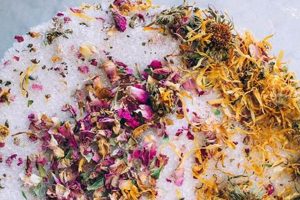
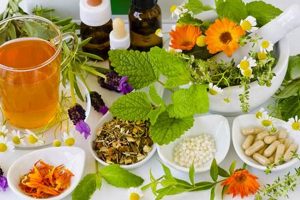
The selection of herbs within a microwavable neck wrap is a determining factor in its overall therapeutic effectiveness. The specific botanical ingredients directly influence the aromatic and potentially medicinal properties imparted during heat application. For instance, a wrap containing lavender is often chosen for its purported calming and sleep-promoting effects, while one incorporating eucalyptus may be preferred for its decongestant qualities. The efficacy of a heated herbal neck wrap, therefore, is contingent on the careful and informed selection of herbs, each contributing specific benefits to the overall therapeutic effect.
The quality and preparation of the herbs are also significant. Dried herbs must be properly cured and stored to retain their volatile oils, which are responsible for their scent and therapeutic actions. Herbs that have degraded or been improperly processed will offer diminished benefits. Some manufacturers may blend herbs with grains, such as flaxseed or rice, to enhance heat retention and provide a more even distribution of warmth. The ratio of herbs to grains also affects the intensity of the aroma and the duration of the therapeutic effect.
Ultimately, the careful selection and preparation of herbs is paramount to the success of a microwavable neck wrap. Consumers should be mindful of the ingredients listed and, where possible, seek out products that utilize high-quality, ethically sourced herbs. Understanding the potential benefits of different herbs allows individuals to make informed choices based on their specific needs and preferences. Challenges remain in standardizing herb quality and ensuring consistent therapeutic outcomes, however, ongoing research and improved manufacturing practices are contributing to advancements in this area.
2. Microwave Safety

Microwave safety constitutes a critical consideration in the design and usage of microwavable herbal neck wraps. The potential for misuse or product malfunction necessitates adherence to established safety protocols to prevent injury or damage. The following points outline crucial facets of microwave safety pertaining to these therapeutic devices.
- Material Composition
The fabric and filling materials of a microwavable herbal neck wrap must be microwave-safe. Synthetics prone to melting or igniting under microwave radiation are unsuitable. Natural fibers like cotton or flax are preferable, as are fillings such as rice, flaxseed, or specifically dried herbs known to withstand microwave heating without combustion. The absence of metallic components is also essential.
- Heating Time Limitations
Microwave heating generates heat rapidly, and excessive exposure can lead to scorching, burning, or even ignition of the neck wrap. Manufacturers provide specific heating time recommendations, which must be strictly observed. Gradual heating in short intervals, with temperature checks between cycles, is advisable to minimize the risk of overheating.
- Moisture Content Management
The presence of excessive moisture within the herbal filling poses a safety hazard. Steam buildup during microwave heating can result in burns upon handling the wrap. Furthermore, moisture promotes the growth of mold or mildew, compromising hygiene. Thorough drying of the wrap between uses and avoidance of wetting are crucial.
- Microwave Compatibility
Not all microwave ovens are created equal. Power output varies, and older or malfunctioning microwaves may exhibit uneven heating patterns. It is advisable to test the neck wrap in a known, reliable microwave oven and to monitor the heating process closely during initial uses. The condition of the microwave itself directly impacts the safety of heating these items.
These safety considerations underscore the importance of both responsible manufacturing and informed consumer usage of microwavable herbal neck wraps. Compliance with these guidelines significantly reduces the potential for accidents or injuries associated with microwave heating of these therapeutic products.
3. Heat Retention

Heat retention is a central characteristic governing the therapeutic efficacy of a microwavable herbal neck wrap. Its capacity to maintain a consistent and prolonged temperature after microwave heating directly influences the duration of muscle relaxation and pain relief afforded by the device. Factors influencing heat retention include the selection of filling materials and the design of the wrap’s construction.
- Material Density and Specific Heat Capacity
The density and specific heat capacity of the filling materials significantly affect heat retention. Denser materials with higher specific heat capacities, such as flaxseed or rice, absorb and retain more heat compared to less dense materials. The choice of filling material, therefore, dictates the wrap’s ability to provide sustained warmth. For instance, a wrap filled with flaxseed will generally retain heat longer than one filled with a less dense material like buckwheat.
- Insulation Properties of Fabric
The fabric encasing the herbal filling contributes to heat retention by providing a layer of insulation. Thicker fabrics with tighter weaves, such as fleece or heavy cotton, impede heat loss to the surrounding environment. The fabric’s thermal conductivity is a critical factor; materials with low thermal conductivity are preferred for minimizing heat dissipation. A well-insulated fabric layer prolongs the therapeutic warmth of the neck wrap.
- Filling Distribution and Wrap Design
An even distribution of the filling material within the wrap prevents localized hot spots and promotes uniform heat dissipation. The design of the wrap, including its shape and stitching patterns, influences how efficiently heat is retained and distributed. A wrap designed to conform closely to the neck contours maximizes contact area and minimizes heat loss through convection. Segmented designs can further ensure even heat distribution and prevent clumping of the filling.
- Moisture Content
Moisture content within the filling material indirectly affects heat retention. A certain degree of moisture can enhance heat transfer and perceived warmth, but excessive moisture can lead to rapid heat loss through evaporation. Manufacturers often treat filling materials to achieve an optimal moisture balance, maximizing both heat retention and user comfort. Proper storage in a dry environment is essential to maintain this balance and prevent moisture-related degradation of the wrap’s performance.
These interconnected factorsmaterial properties, fabric insulation, design considerations, and moisture controlcollectively determine the heat retention characteristics of a microwavable herbal neck wrap. A well-designed wrap that prioritizes these elements will offer a superior therapeutic experience by providing sustained and consistent warmth to the targeted area.
4. Fabric Quality

The fabric quality of a microwavable herbal neck wrap is paramount to its safety, durability, and therapeutic effectiveness. The material directly interacts with the user’s skin and is subjected to repeated heating cycles, necessitating specific properties to ensure optimal performance and user well-being.
- Heat Resistance and Microwave Compatibility
The fabric must exhibit a high degree of heat resistance to withstand repeated microwave heating without degradation, melting, or ignition. Natural fibers, such as cotton or linen, are generally preferred due to their inherent heat resistance and microwave compatibility. Synthetic materials should be carefully selected and tested to ensure they do not release harmful chemicals or undergo structural changes under microwave radiation. An example of unsuitable material is a thin, non-heat-resistant polyester, which could melt or emit fumes when heated.
- Durability and Abrasion Resistance
The fabric must withstand the rigors of repeated use, including bending, folding, and contact with skin and other surfaces. A durable weave, such as twill or canvas, provides greater resistance to tearing and abrasion compared to looser weaves. The fabric should maintain its structural integrity and appearance over time, preventing the escape of filling materials and ensuring a consistent therapeutic experience. Low-quality fabrics may pill, fray, or tear prematurely, rendering the wrap unusable.
- Breathability and Moisture Management
Breathability is essential to prevent the buildup of moisture within the wrap, which can lead to mold growth and skin irritation. The fabric should allow for adequate air circulation to dissipate moisture and maintain a comfortable temperature against the skin. Materials like cotton are known for their breathability and moisture-wicking properties, promoting a more hygienic and comfortable user experience. Non-breathable synthetics can trap moisture, creating an environment conducive to microbial growth and skin discomfort.
- Texture and Skin Sensitivity
The fabric’s texture should be soft and non-irritating to the skin, especially considering the neck’s sensitivity. Smooth, natural fibers minimize friction and prevent chafing, enhancing user comfort during extended use. Harsh or abrasive fabrics can cause skin irritation, particularly for individuals with sensitive skin or allergies. Fabrics treated with harsh dyes or chemicals should be avoided to minimize the risk of adverse skin reactions.
In conclusion, the selection of appropriate fabric for a microwavable herbal neck wrap requires careful consideration of heat resistance, durability, breathability, and skin sensitivity. A high-quality fabric contributes significantly to the product’s safety, longevity, and overall therapeutic value, ensuring a positive user experience and mitigating potential risks associated with repeated heating and skin contact.
5. Aroma Therapy
The efficacy of a microwavable herbal neck wrap is inextricably linked to the principles of aromatherapy. Aromatherapy, defined as the therapeutic use of essential oils extracted from plants, serves as a key mechanism through which these wraps elicit their purported benefits. The heat generated by microwaving the wrap facilitates the release of volatile aromatic compounds from the herbs, enabling inhalation and absorption through the skin. This process allows these compounds to interact with the limbic system, a brain region associated with emotions and memory, potentially inducing relaxation, stress reduction, or pain relief. For instance, a wrap containing lavender, known for its calming properties, can release linalool and linalyl acetate upon heating, compounds that are thought to promote relaxation by modulating neurotransmitter activity. The inclusion of specific herbs with targeted aromatic profiles transforms a simple heat pack into a device designed to influence mood and physiological states.
Practical application of aromatherapy within these wraps involves careful selection of herbs based on their established aromatic profiles and potential therapeutic effects. Different herbs offer distinct benefits; peppermint may be used for its stimulating and analgesic properties, while chamomile may be incorporated for its calming and anti-inflammatory effects. The concentration and quality of the herbs are critical factors in determining the intensity and duration of the aromatic effect. Furthermore, the method of preparation and drying of the herbs can influence the preservation of volatile oils. Manufacturers may employ specific techniques to enhance the aromatic potency and longevity of the wrap, such as vacuum sealing or controlled drying processes. The design of the wrap, including the type of fabric and the distribution of herbs, also contributes to the efficient release and dispersion of aromatic compounds.
In summary, aromatherapy is an integral component of the microwavable herbal neck wrap, influencing its overall therapeutic potential. The selection, preparation, and delivery of aromatic compounds from specific herbs contribute to the wrap’s ability to induce relaxation, reduce stress, or alleviate pain. Challenges remain in standardizing herb quality and ensuring consistent aromatic profiles, however, ongoing research and improved manufacturing practices are enhancing the efficacy and predictability of these aromatherapy-based therapeutic devices. The understanding of this connection between aromatherapy and the wrap informs both product development and consumer expectations, highlighting the importance of selecting wraps with carefully chosen, high-quality herbs for optimal therapeutic benefit.
6. Neck Conformance

The degree to which a microwavable herbal neck wrap conforms to the contours of the neck directly impacts its therapeutic effectiveness. Inadequate conformance compromises the contact area between the heated wrap and the targeted muscles, thereby diminishing the transfer of heat and aromatic compounds. This reduced contact undermines the wrap’s intended purpose of providing localized pain relief and muscle relaxation. For example, a wrap with a rigid, unyielding design will fail to make consistent contact with the trapezius muscles, rendering it less effective in alleviating tension headaches or upper back pain originating in that area. Effective neck conformance, conversely, ensures uniform heat distribution and optimal absorption of aromatherapy benefits, maximizing therapeutic potential.
Achieving optimal neck conformance necessitates specific design considerations in the manufacture of microwavable herbal neck wraps. The shape, flexibility, and weight distribution of the wrap must be carefully engineered to accommodate the diverse anatomies of potential users. Segmented construction, where the filling is partitioned into smaller chambers, facilitates contouring to the neck’s curvature. The use of pliable fabrics and filling materials that readily mold to the body’s shape further enhances conformance. Furthermore, adjustable closures or straps may be incorporated to allow users to customize the fit and ensure secure positioning. In practice, a well-conforming wrap will drape comfortably around the neck, making full contact with the affected muscles, while a poorly designed wrap will gap or shift, resulting in uneven heat distribution and reduced therapeutic benefit.
In conclusion, neck conformance is a crucial design element in the effectiveness of microwavable herbal neck wraps. Optimizing conformance maximizes heat transfer, enhances aromatherapy delivery, and ultimately improves the therapeutic outcome. Challenges remain in creating a universally conforming design due to the variability in individual neck shapes and sizes, however, ongoing advancements in materials and construction techniques continue to improve the fit and functionality of these therapeutic devices. Therefore, prospective purchasers should prioritize products with demonstrable neck conformance capabilities, selecting those that best align with their individual anatomical characteristics and therapeutic goals.
Frequently Asked Questions
This section addresses common inquiries regarding the proper use, safety, and maintenance of a microwavable herbal neck wrap.
Question 1: How frequently can the herbal neck wrap be microwaved?
Microwaving frequency should adhere strictly to the manufacturer’s recommendations. Excessive heating can degrade the herbal filling and compromise fabric integrity, potentially reducing its lifespan and effectiveness. Generally, allowing the wrap to cool completely between uses is advisable.
Question 2: Is it safe for individuals with skin sensitivities to use this product?
Individuals with known skin sensitivities should exercise caution. It is prudent to test the heated wrap against a small area of skin before extended use to assess for any adverse reactions. Discontinue use immediately if irritation occurs. Consideration should be given to wraps constructed with hypoallergenic fabrics and containing herbs known for their gentle properties.
Question 3: What is the expected lifespan of a microwavable herbal neck wrap?
The lifespan varies depending on usage frequency, care, and the quality of materials. With proper maintenance, a well-constructed wrap can last for several years. Signs of degradation include diminished aroma, uneven heat distribution, and visible wear and tear of the fabric. Replacement is recommended when these issues arise.
Question 4: Can the herbal neck wrap be washed?
Washing is generally not recommended, as it can damage the herbal filling and compromise its therapeutic properties. Spot cleaning with a damp cloth and mild detergent may be permissible for minor stains, provided the wrap is thoroughly dried afterward to prevent mold growth. Refer to the manufacturer’s instructions for specific cleaning guidelines.
Question 5: Are there any contraindications for using a heated herbal neck wrap?
Individuals with certain medical conditions, such as acute inflammation, open wounds, or circulatory problems, should consult a healthcare professional before using a heated herbal neck wrap. Prolonged heat exposure can exacerbate these conditions. Furthermore, caution is advised for individuals with impaired sensation, as they may not be able to accurately gauge the wrap’s temperature and risk burns.
Question 6: What steps should be taken if the wrap becomes too hot during microwaving?
If the wrap becomes excessively hot during microwaving, immediately discontinue heating. Allow the wrap to cool completely before handling. Reduce the heating time in subsequent uses and ensure even distribution of the filling to prevent localized hot spots.
Proper usage and maintenance are crucial for maximizing the benefits and extending the lifespan of the product. Always defer to the manufacturer’s instructions and prioritize safety.
The subsequent section will provide a comprehensive summary of key considerations regarding this product.
Conclusion
This exploration of the herbal neck wrap microwavable has considered its constituent components, encompassing herb selection, microwave safety, heat retention, fabric quality, aromatherapy principles, and neck conformance. Proper utilization requires adherence to safety guidelines and informed selection based on individual needs and preferences. The long-term efficacy and safety of this therapeutic device depend on responsible manufacturing practices and consumer awareness.
The continued refinement of materials and designs, coupled with ongoing research into the therapeutic benefits of specific herbal combinations, holds the potential to enhance the efficacy and safety of the herbal neck wrap microwavable. Prospective users are encouraged to prioritize informed decision-making and prioritize adherence to safety protocols to optimize therapeutic outcomes and minimize potential risks.