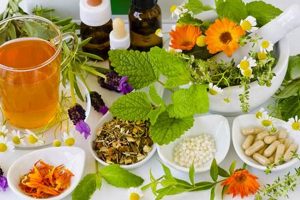
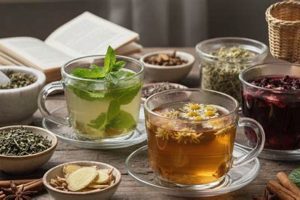
The practice of using botanical remedies during gestation encompasses a range of approaches, from dietary inclusions to targeted preparations intended to support maternal well-being. For instance, consuming ginger tea to alleviate morning sickness symptoms exemplifies this natural approach to pregnancy comfort.
Throughout history, various cultures have relied upon plant-based medicines to address pregnancy-related discomforts and promote healthy fetal development. The advantages of utilizing this approach may include a perceived reduction in pharmaceutical interventions and alignment with holistic health principles. Historical use suggests a deep connection between expectant mothers and the natural world, with traditional midwives often possessing extensive knowledge of beneficial plants.
The following discussion will delve into specific herbs and their purported uses during pregnancy, along with crucial considerations regarding safety, efficacy, and professional medical guidance. It is essential to approach this subject matter with prudence and prioritize the health of both mother and child above all else.
Important Considerations When Exploring Botanical Support During Gestation
This section outlines crucial guidelines for individuals considering the use of herbal remedies during pregnancy. Prioritization of maternal and fetal health is paramount.
Tip 1: Seek Qualified Healthcare Guidance: Consultation with a physician or licensed midwife is essential before incorporating any herb into a pregnancy regimen. A healthcare provider can assess individual risk factors and potential interactions with existing medications.
Tip 2: Prioritize Single-Ingredient Preparations: Complex herbal formulations can present challenges in identifying the specific cause of any adverse reactions. Opting for single-herb preparations allows for more accurate assessment of individual sensitivities.
Tip 3: Adhere to Recommended Dosages: Deviations from established dosage guidelines can increase the risk of adverse effects. Strict adherence to recommended amounts, as advised by a healthcare professional or reputable herbalist, is crucial.
Tip 4: Be Vigilant for Allergic Reactions: Plant-based substances can trigger allergic responses in susceptible individuals. Careful monitoring for signs of allergic reactions, such as skin rashes, itching, or respiratory distress, is imperative.
Tip 5: Source Herbs from Reputable Suppliers: The quality and purity of herbal products can vary significantly. Selecting herbs from reputable suppliers who adhere to stringent quality control standards is essential to minimize the risk of contamination or adulteration.
Tip 6: Understand Potential Interactions: Certain herbs can interact with prescription medications, potentially altering their effectiveness or increasing the risk of side effects. A thorough review of potential drug-herb interactions with a healthcare professional is vital.
Diligent adherence to these guidelines can help ensure responsible and informed decision-making when considering the integration of botanical remedies into prenatal care. The ultimate goal remains a safe and healthy pregnancy outcome.
The subsequent sections will further explore the current understanding of specific herbs often discussed in the context of pregnancy.
1. Safety Considerations

The intersection of safety considerations and botanical use during pregnancy necessitates careful examination due to the potential for adverse effects on both maternal and fetal health. The inherent biological activity of herbs, while offering potential benefits, also poses risks that demand a cautious and informed approach. The composition of herbal remedies is complex, and variations in plant species, growing conditions, and preparation methods can lead to inconsistencies in potency and the presence of contaminants.
One example of the importance of safety considerations is the potential for certain herbs to induce uterine contractions, which could lead to premature labor or miscarriage. Substances such as blue cohosh, traditionally used to stimulate labor, carry significant risk and should only be administered under the direct supervision of a qualified healthcare professional. The cause-and-effect relationship between ingestion of such herbs and adverse pregnancy outcomes underscores the critical need for thorough risk assessment. Furthermore, the lack of comprehensive research on the safety of many herbs during pregnancy means that potential risks may be unknown or underestimated.
In conclusion, incorporating botanical interventions during pregnancy requires a commitment to rigorous safety protocols. This includes thorough evaluation of potential risks, sourcing herbs from reputable suppliers, and, most importantly, seeking guidance from qualified healthcare professionals. The lack of definitive scientific data for many herbal remedies necessitates a conservative approach, prioritizing the health of both mother and child above any perceived benefit. Ignoring these safety considerations can have severe consequences, emphasizing the profound importance of informed decision-making in this context.
2. Professional Guidance

The realm of botanical use during gestation necessitates the careful integration of professional expertise to navigate the inherent complexities and ensure maternal and fetal safety. Guidance from qualified healthcare providers is paramount in mitigating potential risks associated with herbal remedies.
- Risk Assessment and Individualized Recommendations
A healthcare professional can assess individual medical histories, pre-existing conditions, and potential drug interactions to determine the suitability of herbal interventions. This personalized approach ensures that recommendations are tailored to the specific needs and circumstances of each pregnant individual, minimizing the risk of adverse effects. Failure to conduct such assessments can lead to inappropriate herbal use with potentially harmful consequences.
- Dosage and Formulation Oversight
Precise dosage and appropriate formulation are critical factors in ensuring the safe and effective use of herbal remedies. Healthcare providers can provide guidance on appropriate dosages based on current scientific evidence and traditional knowledge, minimizing the risk of toxicity or ineffectiveness. Moreover, they can help to identify reputable sources of herbal products to mitigate the risk of adulteration or contamination.
- Monitoring for Adverse Reactions
Regular monitoring by a healthcare professional allows for early detection and management of any adverse reactions to herbal remedies. Symptoms such as allergic reactions, gastrointestinal distress, or changes in blood pressure require prompt medical attention. Close monitoring enables timely intervention to prevent potentially serious complications and ensures that the chosen herbal interventions are well-tolerated.
- Integration with Conventional Medical Care
Professional guidance facilitates the seamless integration of herbal remedies with conventional medical care during pregnancy. Healthcare providers can assess potential interactions between herbal products and prescription medications, ensuring that the overall treatment plan is safe and effective. Open communication and collaboration between patients and healthcare providers are essential for optimizing pregnancy outcomes.
In summary, professional guidance constitutes an indispensable element in the responsible and safe exploration of botanical support during gestation. A comprehensive approach that integrates individualized assessment, dosage oversight, adverse reaction monitoring, and seamless integration with conventional medical care is critical for safeguarding maternal and fetal well-being.
3. Dosage Accuracy

Dosage accuracy is a critical component of safe botanical usage during pregnancy. The physiological changes inherent in gestation alter drug metabolism and distribution, thereby influencing the effects of both pharmaceutical and herbal substances. Herbs, containing bioactive compounds, exert physiological effects, and their impact is directly related to the concentration introduced into the maternal system. Inaccurate dosage can lead to ineffective treatment or, more seriously, adverse effects on the developing fetus. For instance, the consumption of raspberry leaf tea, often promoted to tone the uterus, necessitates careful attention to concentration; excessive amounts could potentially stimulate premature contractions. Conversely, insufficient dosages may render the herbal remedy ineffective, leading to disappointment and potentially delaying appropriate medical intervention.
The importance of precise dosage stems from the inherent variability in herbal products. Factors such as plant species, growing conditions, harvesting methods, and processing techniques influence the concentration of active constituents. Unlike pharmaceutical medications, where the active ingredient is precisely quantified, herbal preparations can exhibit significant batch-to-batch variation. This variability underscores the need for standardized herbal extracts and rigorous quality control. Furthermore, pregnant individuals often seek herbal remedies to avoid pharmaceutical interventions, believing them to be inherently safer. However, this assumption is flawed; herbs are potent substances, and inappropriate usage, including inaccurate dosage, can pose significant risks. A case in point involves comfrey, traditionally used topically for wound healing, but containing pyrrolizidine alkaloids which, even with topical application, can be absorbed and potentially cause liver damage. Internal use is contraindicated, especially during pregnancy, but the risks are exacerbated by uncontrolled dosages.
In conclusion, dosage accuracy is not merely a detail but a fundamental requirement for responsible botanical use during pregnancy. The absence of standardized protocols, coupled with the potential for significant physiological effects, necessitates meticulous attention to dosage recommendations and professional guidance. Challenges remain in standardizing herbal preparations and educating pregnant individuals about the importance of safe practices. A balanced approach, acknowledging the potential benefits while emphasizing the risks associated with inaccurate dosage, is essential to ensuring maternal and fetal well-being. The complexities involved necessitate that the potential benefits are carefully weighed against the potential risks, and always under the guidance of a qualified healthcare professional.
4. Herb Quality
The quality of herbal products used during gestation directly impacts maternal and fetal well-being. Low-quality herbs may contain contaminants, lack potency, or be misidentified, posing significant risks to the pregnancy. Contaminants such as heavy metals, pesticides, or bacteria can have teratogenic effects or negatively affect maternal health. An example includes instances where herbal products sourced from unregulated markets have been found to contain lead, exceeding permissible levels and presenting a serious threat to fetal neurological development. Similarly, herbal products lacking the stated potency due to improper storage or processing may fail to provide the intended therapeutic benefit, leading to delayed or inadequate care. The consequences of using substandard herbs during pregnancy can range from mild discomfort to severe birth defects or pregnancy complications, highlighting the critical importance of sourcing herbs from reputable suppliers who adhere to stringent quality control standards.
Further, misidentification of herbal ingredients poses a serious threat. Botanicals with similar physical characteristics may be inadvertently substituted, resulting in the use of herbs with contraindications during pregnancy. For instance, pennyroyal, often mistakenly interchanged with safer mint varieties, contains pulegone, a compound known to induce abortions. The consequences of such errors can be devastating, emphasizing the need for rigorous botanical authentication procedures. Reputable suppliers utilize methods such as microscopic analysis, DNA barcoding, and chromatographic techniques to verify the identity and purity of herbal ingredients. The practical application of this understanding involves educating pregnant individuals about the importance of selecting herbal products from certified sources, understanding labeling information, and seeking guidance from qualified healthcare professionals or herbalists knowledgeable about herbal safety during pregnancy. Certification programs that assess product quality, such as those offered by the United States Pharmacopeia (USP) or NSF International, provide an additional layer of assurance.
In conclusion, herb quality represents a non-negotiable aspect of responsible botanical use during pregnancy. The potential for contaminants, lack of potency, or misidentification to compromise maternal and fetal health underscores the need for meticulous attention to sourcing and authentication. Addressing challenges related to herbal product quality requires a multi-faceted approach involving stringent regulations, enhanced quality control measures, increased consumer awareness, and collaboration between healthcare professionals, herbalists, and regulatory agencies. A comprehensive understanding of the link between herb quality and pregnancy outcomes is crucial for minimizing risks and promoting safe, informed decision-making regarding herbal interventions during gestation.
5. Potential Interactions

The concurrent use of herbal remedies and conventional medications during gestation introduces the risk of potential interactions, impacting both maternal and fetal well-being. The cause-and-effect relationship stems from the bioactive constituents present in herbs, which can either augment or diminish the effects of pharmaceutical drugs. This interplay necessitates a comprehensive understanding of pharmacological mechanisms to avoid adverse outcomes. For example, St. John’s Wort, sometimes used to alleviate mild depression, can interfere with the metabolism of certain antidepressants, potentially reducing their efficacy and destabilizing maternal mental health. This example underscores the critical importance of considering potential interactions as an integral component of responsible herbal use during pregnancy.
Further complexities arise due to limited research regarding herb-drug interactions specifically within the pregnant population. Physiological changes in pregnancy, such as altered liver enzyme activity and increased blood volume, can modify the absorption, distribution, metabolism, and excretion of both herbs and medications. Practical applications of this understanding include meticulous review of all substances being ingested by the pregnant individual, involving both medical doctors and knowledgeable herbalists. Furthermore, diligent monitoring for any unusual symptoms or changes in medication effectiveness is essential. An example includes the potential interaction between ginger, commonly used for nausea, and anticoagulant medications; ginger’s antiplatelet properties could theoretically increase the risk of bleeding when combined with anticoagulants, requiring careful consideration and potential dosage adjustments.
In summary, potential interactions represent a significant concern when exploring herbal use during pregnancy. The inherent complexity of herb-drug interactions, coupled with the limited research in the pregnant population, necessitates a cautious and informed approach. Challenges remain in fully elucidating all potential interactions, but a commitment to comprehensive medical review, meticulous monitoring, and open communication between pregnant individuals and their healthcare providers is crucial for mitigating risks and ensuring the safety of both mother and child. The practical significance of this understanding lies in promoting informed decision-making, where the potential benefits of herbal remedies are carefully weighed against the risks of potential interactions with conventional medications.
6. Traditional Knowledge
Traditional knowledge plays a pivotal role in the domain of botanical use during gestation. This body of knowledge, accumulated over generations, encompasses observations and practices related to the identification, preparation, and application of herbs for pregnancy-related ailments. The reliance on traditional wisdom often stems from historical contexts where modern medical interventions were limited or unavailable, necessitating the development of alternative strategies for managing maternal and fetal well-being. For example, in numerous cultures, specific herbs have been traditionally used to alleviate morning sickness, promote lactation, or facilitate childbirth. These practices, passed down through oral traditions or written records, represent a significant resource for understanding the potential therapeutic properties of various plants. However, the lack of rigorous scientific validation for many traditional remedies necessitates a cautious approach, emphasizing the need for critical evaluation of safety and efficacy.
The importance of traditional knowledge as a component of botanical practices during pregnancy lies in its ability to provide a framework for identifying potential herbal candidates for further research. Ethnopharmacological studies often draw upon traditional uses of plants to guide the selection of species for investigation. For instance, if a specific herb has a long history of use in a particular culture for reducing postpartum bleeding, researchers may conduct studies to evaluate its efficacy and safety in this context. The practical significance of this understanding resides in the potential to uncover novel therapeutic agents or to refine existing herbal practices based on scientific evidence. Furthermore, traditional knowledge can inform our understanding of appropriate dosages, preparation methods, and contraindications, minimizing the risk of adverse effects. The ethical considerations associated with utilizing traditional knowledge include respecting the cultural heritage of indigenous communities and ensuring that any commercial exploitation of traditional remedies benefits the communities that have preserved this knowledge.
In conclusion, traditional knowledge represents a valuable, yet complex, resource in the context of botanical use during gestation. While traditional practices can provide insights into the potential benefits of various herbs, it is imperative to integrate this knowledge with scientific evidence to ensure safety and efficacy. Challenges remain in validating traditional uses and protecting the intellectual property rights of indigenous communities. A balanced approach, acknowledging the wisdom of traditional practices while adhering to rigorous scientific standards, is essential for promoting informed decision-making and safeguarding the health of pregnant individuals and their offspring. The future of botanical practices during pregnancy lies in the careful integration of traditional wisdom with modern scientific advancements, facilitating the development of safe and effective herbal interventions.
Frequently Asked Questions
This section addresses common inquiries regarding the use of botanical remedies during gestation. Information presented aims to provide clarity and promote informed decision-making.
Question 1: Are herbal remedies inherently safer than conventional medications during pregnancy?
Herbal remedies are not inherently safer than conventional medications. Both possess the potential for adverse effects. Herbal products contain bioactive compounds that can exert potent physiological effects, necessitating careful consideration and professional guidance. The misconception that “natural” equates to “safe” can lead to inappropriate self-treatment.
Question 2: Is it safe to rely solely on traditional herbal knowledge for managing pregnancy-related discomforts?
Relying solely on traditional herbal knowledge without consulting a qualified healthcare provider is not advisable. While traditional practices may offer valuable insights, scientific validation of safety and efficacy is essential. Furthermore, individual medical histories and potential interactions with other substances must be considered.
Question 3: How can potential risks associated with herbal use during pregnancy be minimized?
Potential risks can be minimized by consulting a physician or licensed midwife before using any herbal remedy, sourcing herbs from reputable suppliers who adhere to quality control standards, adhering to recommended dosages, and monitoring for any adverse reactions. Open communication with healthcare providers is crucial for ensuring a safe and coordinated approach to prenatal care.
Question 4: What are the key factors to consider when evaluating the quality of herbal products for use during pregnancy?
Key factors include the supplier’s reputation, certification of quality control processes, clear labeling of ingredients and dosages, and absence of contaminants. Independent third-party testing can provide an additional layer of assurance. The cost of the product should not be the sole determinant; prioritize quality and safety over price.
Question 5: Can herbal remedies interact with prescription medications taken during pregnancy?
Yes, herbal remedies can interact with prescription medications, potentially altering their effectiveness or increasing the risk of side effects. A thorough review of all substances being ingested, including both prescription drugs and herbal products, should be conducted by a healthcare professional to identify and manage potential interactions.
Question 6: What resources are available to pregnant individuals seeking evidence-based information about herbal safety?
Credible resources include scientific literature databases (e.g., PubMed, Cochrane Library), reputable websites maintained by healthcare organizations, and consultations with qualified herbalists or healthcare providers specializing in botanical medicine. Be wary of anecdotal evidence or information from unreliable sources.
In summary, informed decision-making regarding botanical use during gestation necessitates a balanced approach, integrating traditional knowledge with scientific evidence and professional guidance. Prioritizing maternal and fetal safety is paramount.
The following section will explore specific herbs commonly discussed in the context of pregnancy and provide a critical assessment of their potential benefits and risks.
Herbal Pregnancy
The exploration of “herbal pregnancy” reveals a complex interplay of traditional knowledge, potential benefits, and inherent risks. This examination has highlighted the critical importance of professional guidance, dosage accuracy, stringent quality control, and awareness of potential interactions when considering the use of botanical remedies during gestation. The information presented underscores the necessity for informed decision-making, grounded in both scientific evidence and a comprehensive understanding of individual health circumstances.
Given the complexities and potential consequences associated with herbal use during pregnancy, a cautious and well-informed approach is paramount. Further research is needed to fully elucidate the safety and efficacy of various herbs during gestation. Prioritizing maternal and fetal well-being remains the primary objective, urging individuals to engage in open communication with healthcare providers and to critically evaluate all available information before incorporating any herbal remedy into prenatal care. The ultimate goal is a safe and healthy pregnancy outcome, achieved through responsible and informed choices.