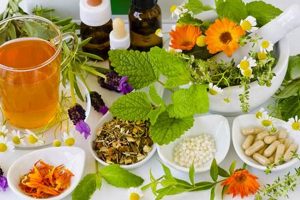
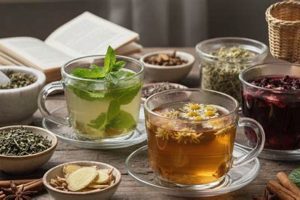
Botanical remedies employed to alleviate symptoms experienced during the climacteric transition represent a significant area of interest within integrative medicine. These preparations, derived from plants, are utilized to mitigate discomforts such as hot flashes, sleep disturbances, and mood fluctuations commonly associated with this phase of life. Phytoestrogens, found in some of these remedies, mimic the effects of estrogen, potentially providing relief for individuals experiencing hormonal decline. Examples include preparations containing black cohosh, soy isoflavones, and red clover.
The appeal of these plant-derived interventions stems from various factors, including a perception of naturalness and a desire to explore alternatives to conventional hormone replacement therapy. Historically, various cultures have utilized plant-based therapies for managing female health concerns, including those related to the menopausal period. Potential advantages include accessibility and, in some instances, a perceived reduction in the risk of side effects compared to synthetic hormones. However, thorough evaluation of efficacy and safety is paramount.
The subsequent discussion will delve into the specific considerations regarding the safety profiles of commonly used botanicals, examine the current evidence supporting their effectiveness, and explore the regulatory landscape surrounding their use during this transitional period. Furthermore, it will highlight the importance of consulting with qualified healthcare professionals to ensure appropriate and individualized treatment strategies.
Guidance on Botanical Approaches During Menopause
The following recommendations provide crucial insights for those considering or utilizing plant-derived substances to manage menopausal symptoms. Due diligence and consultation with healthcare providers are essential components of a responsible approach.
Tip 1: Verify Product Quality and Source. Sourcing from reputable manufacturers is paramount. Independent third-party testing should confirm the identity and purity of the botanical extracts, ensuring the absence of contaminants and accurate labeling of active compounds.
Tip 2: Initiate with Low Doses. A conservative approach is advised when introducing any new substance. Commencing with a lower dosage allows for monitoring of individual response and minimizing the potential for adverse effects. Gradual titration may be considered based on tolerance and observed efficacy.
Tip 3: Be Vigilant Regarding Potential Interactions. Individuals must disclose all concurrently used medications and supplements to their healthcare provider. Certain botanicals can interact with pharmaceuticals, altering their efficacy or increasing the risk of adverse reactions. Careful evaluation of potential interactions is critical.
Tip 4: Monitor for Adverse Effects. Consistent monitoring for any unusual or concerning symptoms is essential. These may include gastrointestinal distress, skin reactions, or alterations in hormonal balance. Prompt reporting of any adverse effects to a healthcare professional is necessary.
Tip 5: Temper Expectations. Botanical substances may offer symptomatic relief, but they are not universally effective. Realistic expectations are crucial. Management of the menopausal transition often requires a multi-faceted approach, potentially including lifestyle modifications and conventional medical interventions.
Tip 6: Recognize the Limitations of Scientific Evidence. The evidence base supporting the efficacy and safety of many plant-derived substances remains limited. Further research is needed to definitively establish their role in managing menopausal symptoms. Prudence is warranted when interpreting available data.
Tip 7: Consider the Duration of Use. Prolonged use of certain botanicals may have unknown long-term consequences. Periodic reassessment of the need for continued use, in consultation with a healthcare provider, is recommended.
These guidelines underscore the importance of a well-informed and cautious approach to incorporating botanical substances into the management of the menopausal transition. Prioritizing patient safety and evidence-based decision-making are crucial.
The subsequent sections will address considerations related to specific botanical agents and their applications in managing menopausal symptoms.
1. Symptom Management

Symptom management during the menopausal transition constitutes a primary focus for many individuals seeking relief from associated discomforts. Botanical agents are often considered as a means to mitigate these symptoms, reflecting a desire for alternatives to conventional hormone therapies. However, the efficacy and safety of employing such remedies necessitate critical examination.
- Vasomotor Symptom Reduction
Vasomotor symptoms, such as hot flashes and night sweats, are frequently reported by individuals undergoing menopause. Certain plant-derived substances, notably those containing phytoestrogens, are believed to modulate estrogen receptors and, consequently, reduce the frequency and intensity of these episodes. However, the magnitude of this effect can vary considerably between individuals, and robust scientific evidence supporting consistent efficacy remains limited.
- Mood Regulation
Mood fluctuations, including irritability, anxiety, and mild depression, are common during menopause. While some botanical preparations are marketed for their mood-stabilizing properties, their effectiveness in addressing these symptoms is not firmly established. The complex interplay of hormonal changes and individual psychological factors requires a nuanced approach to treatment, and botanical interventions should not be considered a replacement for appropriate mental healthcare.
- Sleep Disturbance Alleviation
Sleep disturbances, such as insomnia and fragmented sleep patterns, frequently accompany menopause. Certain plant-derived substances, known for their calming or sedative effects, are sometimes employed to improve sleep quality. However, these substances may carry a risk of daytime drowsiness or dependence. A comprehensive assessment of sleep hygiene practices and underlying sleep disorders is essential before initiating botanical interventions.
- Urogenital Symptom Management
Urogenital symptoms, including vaginal dryness and urinary discomfort, can significantly impact quality of life during menopause. Topical applications of certain plant-derived oils or extracts are sometimes used to alleviate these symptoms. However, it is crucial to ensure that these products are safe for internal use and do not contain ingredients that could cause irritation or allergic reactions. Alternative treatments, such as vaginal moisturizers or estrogen creams, may offer more predictable and effective relief.
While botanical remedies may offer symptomatic relief for some individuals experiencing the menopausal transition, their use should be approached with caution and under the guidance of qualified healthcare professionals. A thorough understanding of the potential risks and benefits, as well as the limitations of the available evidence, is essential for making informed decisions about treatment options. Furthermore, individuals should be aware that symptom management is often most effective when approached holistically, incorporating lifestyle modifications and addressing underlying health conditions.
2. Phytoestrogen Sources

Phytoestrogen sources are fundamentally linked to the discussion of botanical interventions for managing menopausal symptoms. These plant-derived compounds, which possess structural similarities to endogenous estrogens, are believed to exert estrogenic or anti-estrogenic effects in the human body, potentially influencing hormonal balance during the climacteric transition. Their presence in various herbal preparations positions them as a key consideration in the evaluation of botanical interventions for menopausal symptom management.
- Soy Isoflavones
Soybeans and soy-based products represent a significant source of isoflavones, including genistein and daidzein. These compounds are widely investigated for their potential to alleviate vasomotor symptoms such as hot flashes. However, the bioavailability and metabolism of soy isoflavones vary among individuals, influencing their effectiveness. Concerns regarding potential long-term effects on hormone-sensitive tissues necessitate careful evaluation of soy-based therapies.
- Red Clover
Red clover is another botanical source of isoflavones, containing compounds such as biochanin A and formononetin. Preparations derived from red clover are often marketed for their ability to reduce hot flashes and improve bone health. However, clinical trial results regarding the efficacy of red clover isoflavones have been inconsistent, and further research is needed to establish their therapeutic value.
- Black Cohosh
While black cohosh has traditionally been employed to manage menopausal symptoms, its mechanism of action remains a subject of debate. While not definitively classified as a phytoestrogen source in the same manner as soy or red clover, it interacts with hormonal pathways. The chemical constituents of black cohosh and their precise effects on estrogen receptors are areas of ongoing research. Reports of potential hepatotoxicity associated with black cohosh warrant careful monitoring and liver function testing.
- Flaxseed
Flaxseed and flaxseed oil contain lignans, which are converted into estrogen-like compounds by gut bacteria. Flaxseed is often consumed as a source of dietary fiber and omega-3 fatty acids, in addition to its potential estrogenic effects. While flaxseed may offer some benefits for menopausal symptom management, its estrogenic potency is generally considered weaker compared to isoflavones. Its primary role is often seen as a supplemental rather than a primary therapeutic intervention.
The varied sources of phytoestrogens, as well as the differing profiles and potential effects of the compounds they contain, necessitate a nuanced approach to botanical interventions. Factors such as individual metabolism, product standardization, and potential interactions with other medications influence the outcomes. A comprehensive assessment of these factors, in consultation with a qualified healthcare professional, is essential for making informed decisions regarding the use of phytoestrogen-containing botanical preparations.
3. Safety Evaluation

The safety evaluation of botanical interventions designed to alleviate menopausal symptoms constitutes a critical aspect of their responsible use. This evaluation involves a systematic assessment of potential risks, adverse effects, and interactions with other substances. Failure to adequately evaluate the safety profile of such remedies may lead to unintended health consequences, undermining the potential benefits they offer.
Real-life examples underscore the importance of rigorous safety evaluation. Cases of hepatotoxicity associated with black cohosh, interactions between St. John’s Wort and prescription medications altering drug efficacy, and allergic reactions to undeclared ingredients in herbal preparations highlight the potential for harm. These instances demonstrate that the perception of naturalness does not equate to inherent safety. Thorough evaluation is paramount to mitigate risks, informing both practitioners and patients.
Comprehensive safety evaluations involve several key components: assessment of potential toxicity based on preclinical and clinical data, evaluation of drug-herb interactions using validated databases and pharmacological principles, analysis of product quality control to ensure accurate labeling and absence of contaminants, and post-market surveillance to detect adverse events that may not be apparent during initial testing. These measures, when rigorously applied, enhance confidence in the safety profile of botanical remedies and contribute to improved patient outcomes. The absence of such measures increases the likelihood of adverse events and undermines the credibility of these interventions.
4. Dosage Considerations
Dosage considerations represent a critical determinant of both the efficacy and safety of botanical interventions employed to manage menopausal symptoms. Unlike conventional pharmaceuticals, herbal preparations often lack standardized dosing guidelines due to variations in active compound concentrations, bioavailability, and individual metabolic differences. Inadequate attention to dosage can result in either therapeutic failure or adverse reactions, underscoring the necessity for individualized and cautious approaches. For example, an insufficient dosage of a phytoestrogen-containing herb may fail to alleviate hot flashes, while an excessive dosage could potentially stimulate hormone-sensitive tissues, leading to unintended consequences.
The complexities of dosage determination are further compounded by the lack of stringent regulatory oversight governing the manufacture and labeling of botanical products in many jurisdictions. Consequently, product variability is a significant concern. Two preparations claiming to contain the same herb may exhibit substantial differences in the concentration of active constituents. In clinical practice, this variability necessitates starting with low doses and gradually titrating upwards, while carefully monitoring for both beneficial and adverse effects. Furthermore, awareness of potential interactions between the herbal preparation and other medications or supplements is essential, as these interactions can influence the effective dosage.
Ultimately, responsible use of botanicals during menopause necessitates a collaborative approach between the individual and a qualified healthcare provider. The provider can assess individual health status, consider potential contraindications, and provide guidance on appropriate dosage ranges. It is imperative to recognize that there is no universally applicable dosage recommendation for any herbal product. The dosage must be tailored to the specific individual, taking into account factors such as age, body weight, health conditions, and concurrent medications. This individualized approach minimizes the risk of adverse effects and maximizes the potential for therapeutic benefit.
5. Potential Interactions

The intersection of potential interactions and botanical interventions for menopausal symptom management represents a critical area of concern, owing to the multifaceted nature of these remedies and their capacity to modulate physiological processes. Botanical substances are not inert; they contain bioactive compounds that can interact with conventional pharmaceuticals, over-the-counter medications, and even other herbal supplements, potentially altering their intended effects or increasing the risk of adverse reactions. Ignoring these potential interactions can lead to suboptimal therapeutic outcomes or, in some cases, serious health consequences.
Real-world examples highlight the importance of vigilance regarding interactions. For instance, St. John’s Wort, sometimes used for mood regulation during menopause, is a known inducer of cytochrome P450 enzymes, which are responsible for metabolizing many prescription medications. Concurrent use of St. John’s Wort with drugs such as certain antidepressants, oral contraceptives, or anticoagulants can lead to reduced drug efficacy or increased bleeding risk. Similarly, black cohosh, employed to alleviate vasomotor symptoms, has been implicated in cases of hepatotoxicity, potentially exacerbating liver damage in individuals taking hepatotoxic medications. Furthermore, some herbal supplements contain compounds that possess anticoagulant properties, increasing the risk of bleeding when combined with antiplatelet drugs like aspirin or warfarin.
The practical significance of understanding potential interactions lies in the ability to mitigate risks and optimize therapeutic benefits. Individuals contemplating botanical interventions for menopausal symptoms must disclose all medications and supplements they are currently taking to their healthcare provider. This information allows the provider to assess the likelihood of interactions and make informed recommendations regarding dosage adjustments, alternative treatment options, or closer monitoring for adverse effects. Ultimately, prioritizing awareness and diligent evaluation of potential interactions is essential to ensure the safe and effective use of herbal remedies during the menopausal transition.
6. Regulatory Oversight
The intersection of regulatory oversight and botanical substances intended for managing menopausal symptoms significantly influences product safety, efficacy, and consumer access. The extent and nature of regulation vary considerably across jurisdictions, impacting the quality control measures implemented during manufacturing, the accuracy of labeling, and the types of claims permitted regarding therapeutic benefits. Insufficient or inconsistent regulatory frameworks may expose consumers to products that are adulterated, mislabeled, or lack evidence-based support for their purported effects. Real-life examples of herbal preparations containing undisclosed pharmaceuticals or heavy metal contaminants illustrate the potential consequences of inadequate oversight. Regulatory bodies, such as the Food and Drug Administration (FDA) in the United States or the European Medicines Agency (EMA) in Europe, play a crucial role in establishing standards, conducting inspections, and enforcing compliance to protect public health. However, challenges arise from the complex nature of botanical products, the often limited scientific data available to support their efficacy, and the diverse range of regulatory approaches adopted worldwide.
The practical significance of robust regulatory oversight extends to several key areas. Clear labeling requirements, including accurate identification of ingredients, dosage recommendations, and potential side effects or interactions, empower consumers to make informed choices. Mandatory quality control measures, such as Good Manufacturing Practices (GMP), ensure that products are consistently produced and controlled according to established standards. Furthermore, evidence-based assessment of health claims prevents misleading marketing practices and promotes the responsible use of botanical remedies. Regulatory bodies often establish processes for reporting adverse events, allowing for continuous monitoring of product safety and identification of potential risks. In some jurisdictions, pre-market approval processes are required for certain botanical products, ensuring that they meet specific criteria for safety and efficacy before being made available to consumers. The absence of such requirements can lead to the proliferation of substandard or potentially harmful products.
In conclusion, effective regulatory oversight is an indispensable component of ensuring the safe and responsible use of botanical interventions for menopausal symptom management. Addressing the challenges posed by product variability, limited scientific data, and diverse regulatory approaches requires ongoing efforts to harmonize standards, enhance quality control measures, and promote evidence-based assessment of health claims. Strengthening regulatory frameworks not only protects consumers from potential harm but also fosters greater confidence in the potential benefits that botanical remedies may offer when used appropriately and under the guidance of qualified healthcare professionals.
7. Evidence Limitations

The evaluation of botanical interventions for menopausal symptom management is frequently constrained by limitations in the available scientific evidence. These limitations arise from methodological challenges inherent in studying complex herbal preparations, as well as from inconsistencies in study design and reporting. Understanding these constraints is essential for interpreting research findings and making informed decisions regarding the use of botanical remedies.
- Heterogeneity of Herbal Preparations
The composition of herbal preparations can vary significantly depending on factors such as plant species, growing conditions, harvesting methods, and extraction processes. This heterogeneity makes it difficult to standardize preparations and compare results across different studies. A lack of standardized preparations also complicates the identification of active constituents responsible for therapeutic effects. Consequently, observed efficacy in one study may not be reproducible in another due to variations in product composition. Furthermore, the absence of rigorous quality control measures in some manufacturing processes can lead to adulteration or contamination, further compromising the reliability of research findings. A clear understanding of the precise composition of herbal preparations is essential for drawing valid conclusions about their efficacy and safety.
- Methodological Challenges in Clinical Trials
Conducting rigorous clinical trials on herbal interventions presents unique methodological challenges. Blinding participants and investigators is often difficult due to the distinct taste or appearance of herbal preparations. The absence of a suitable placebo can introduce bias into study results. Furthermore, the long-term effects of botanical interventions are often poorly studied, limiting the ability to assess their sustained efficacy and safety. The complex interactions between multiple constituents in herbal preparations also complicate the determination of dose-response relationships. Additionally, reliance on subjective outcome measures, such as symptom questionnaires, can introduce variability and reduce the objectivity of study findings. Careful consideration of these methodological challenges is essential for designing and interpreting clinical trials on botanical remedies.
- Inconsistent Reporting of Adverse Events
The accurate and consistent reporting of adverse events associated with herbal interventions is crucial for assessing their safety profile. However, adverse events are often underreported or incompletely documented in clinical trials and post-market surveillance. This underreporting may stem from a reluctance to attribute adverse events to herbal preparations, particularly if the adverse events are mild or nonspecific. Furthermore, a lack of standardized reporting criteria makes it difficult to compare adverse event rates across different studies. The absence of comprehensive safety data hinders the ability to accurately assess the risk-benefit ratio of botanical interventions and inform clinical decision-making. Strengthening adverse event reporting systems and implementing standardized reporting criteria are essential for improving the safety evaluation of herbal remedies.
- Limited Funding for Research
Research on botanical interventions often faces funding limitations, particularly when compared to research on conventional pharmaceuticals. This limited funding can restrict the scope and quality of clinical trials, hindering the ability to generate robust evidence supporting their efficacy and safety. Underfunded studies may have smaller sample sizes, shorter durations, or less rigorous designs, increasing the risk of bias and reducing the generalizability of findings. Furthermore, limited funding may restrict the ability to conduct comprehensive analyses of product composition, mechanisms of action, and potential drug interactions. Increased investment in research on botanical interventions is essential for addressing the existing evidence gaps and informing evidence-based decision-making.
These limitations collectively underscore the need for cautious interpretation of research findings and a balanced perspective on the potential role of botanical interventions in managing menopausal symptoms. While some herbal remedies may offer symptomatic relief for certain individuals, their use should be approached with discernment, and under the guidance of qualified healthcare professionals. Future research efforts should focus on addressing these limitations through the development of standardized preparations, rigorous clinical trial designs, and improved safety monitoring systems.
Frequently Asked Questions
This section addresses common inquiries regarding the use of plant-derived substances to manage symptoms associated with the menopausal transition. It aims to provide clarity and evidence-based information, fostering informed decision-making.
Question 1: Are herbal drugs for menopause a safe alternative to hormone replacement therapy (HRT)?
The safety of botanical interventions compared to HRT depends on individual health conditions, specific herbal products used, and dosage. While some individuals may experience relief with certain botanicals, they are not without potential risks and may interact with other medications. Consultation with a healthcare professional is crucial to determine the most appropriate treatment approach based on a thorough assessment of individual risk factors and preferences.
Question 2: Do herbal drugs for menopause require a prescription?
Generally, botanical substances marketed for menopausal symptom management are available over-the-counter. However, this does not imply they are inherently safe or lack potential interactions. Certain herbal products may be subject to specific regulations depending on the jurisdiction. It is advisable to seek guidance from a healthcare provider before initiating any botanical regimen, regardless of prescription status.
Question 3: What is the average time frame before experiencing benefits from herbal drugs for menopause?
The time required to experience noticeable benefits from botanical interventions varies considerably among individuals. Some may report symptom improvement within a few weeks, while others may not experience any significant effects. Factors such as the specific herbal product used, dosage, individual metabolism, and severity of symptoms influence the response time. Realistic expectations are essential, and patience is often required when evaluating the effectiveness of these interventions.
Question 4: Can herbal drugs for menopause completely eliminate menopausal symptoms?
Botanical substances may offer symptomatic relief, but they are unlikely to completely eliminate all menopausal symptoms for every individual. The effectiveness of these interventions varies depending on individual response and the specific symptoms being targeted. Management of the menopausal transition often requires a multi-faceted approach, incorporating lifestyle modifications, conventional medical interventions, and, in some instances, complementary therapies.
Question 5: Are there any long-term safety concerns associated with herbal drugs for menopause?
The long-term safety of certain botanical interventions remains an area of ongoing research. While some herbal products have been used for extended periods without apparent adverse effects, others may carry potential risks with prolonged use. Specific concerns may include potential interactions with medications, effects on hormone-sensitive tissues, or liver toxicity. Periodic reassessment of the need for continued use, in consultation with a healthcare provider, is recommended to mitigate potential long-term safety concerns.
Question 6: How can one ensure the quality and purity of herbal drugs for menopause?
Ensuring the quality and purity of botanical products requires careful sourcing from reputable manufacturers. Look for products that have undergone third-party testing to verify their identity, purity, and potency. Scrutinize product labels for accurate ingredient information, dosage recommendations, and potential allergens. Avoid products with vague or unsubstantiated claims. Choosing products manufactured according to Good Manufacturing Practices (GMP) can provide additional assurance of quality.
These FAQs highlight the importance of a cautious and informed approach to botanical interventions. Individualized assessment and consultation with a qualified healthcare professional are crucial for safe and effective symptom management.
The subsequent sections will address specific considerations for different life stages and health conditions that may intersect with the menopausal transition.
Herbal Drugs for Menopause
The preceding exploration has illuminated the complex landscape surrounding herbal drugs for menopause. The analysis revealed the multifaceted nature of these interventions, encompassing diverse botanical sources, varying degrees of scientific validation, and potential safety considerations. While select botanical remedies may offer symptomatic relief for some individuals undergoing the climacteric transition, widespread and indiscriminate utilization warrants caution due to limitations in the available evidence base and potential risks associated with product variability and interactions.
The integration of herbal drugs for menopause into a comprehensive treatment strategy necessitates a collaborative approach between individuals and qualified healthcare professionals. Further rigorous scientific inquiry, standardized manufacturing practices, and transparent regulatory oversight are imperative to establish the true therapeutic potential and safety profile of these interventions. Until such standards are universally implemented and evidence definitively supports widespread use, the adoption of herbal drugs for menopause should be approached with measured consideration and a steadfast commitment to prioritizing patient safety above all else.