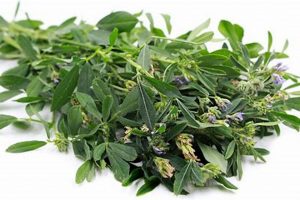
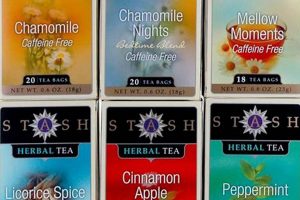
A beverage prepared from dried leaves, flowers, fruits, or other plant parts, excluding Camellia sinensis (the tea plant), infused in hot water offers a caffeine-free alternative to traditional tea. For example, chamomile, peppermint, and rooibos infusions are common choices appreciated for their distinct flavors and perceived wellness properties.
Infusions crafted from these botanicals have a long history in various cultures, often associated with promoting relaxation, aiding digestion, or providing antioxidant benefits. The preparation allows for a more complete extraction of the plant’s volatile oils and beneficial compounds compared to pre-packaged tea bags, potentially enhancing the aroma, flavor, and therapeutic effects of the brew.
Subsequent sections will delve into the selection process for quality botanical ingredients, explore optimal brewing techniques for maximizing flavor and health benefits, and examine the diverse range of available botanical blends.
Selection and Preparation Guidelines
The subsequent recommendations provide guidance for maximizing the enjoyment and potential benefits derived from botanical infusions.
Tip 1: Source Integrity: Prioritize suppliers with transparent sourcing practices, ensuring the botanical components are cultivated and harvested ethically. Look for certifications indicating organic or sustainable agriculture.
Tip 2: Visual Inspection: Before brewing, examine the dried botanicals. They should exhibit vibrant color, minimal fragmentation, and a fresh, characteristic aroma, indicative of proper drying and storage.
Tip 3: Water Quality: Use filtered or spring water for infusion. Chlorinated tap water can negatively impact the flavor profile, masking the subtle nuances of the botanicals.
Tip 4: Temperature Control: Adhere to recommended water temperatures for specific botanicals. Delicate flowers, such as chamomile, benefit from lower temperatures (around 170F/77C) to prevent bitterness, while robust roots and barks may require higher temperatures (around 200F/93C).
Tip 5: Infusion Time: Precise steeping duration is crucial. Over-infusion can result in a bitter or astringent taste. Consult specific guidelines for each botanical, typically ranging from 3 to 7 minutes.
Tip 6: Storage Practices: Store dried botanicals in airtight containers, away from direct sunlight, heat, and moisture, to preserve their potency and flavor. Dark glass or opaque containers are preferable.
Tip 7: Blending Considerations: When creating custom blends, research the potential synergistic or antagonistic effects of combining different botanicals. Certain combinations may enhance flavor or therapeutic properties, while others may be counterproductive.
Adherence to these guidelines ensures the full realization of the sensory and wellness attributes inherent in carefully selected botanical infusions.
The following sections will explore specific botanical profiles and their associated applications.
1. Botanical Source

The botanical origin of the plant material is paramount when considering a botanical infusion. It directly influences the chemical composition, flavor profile, and potential therapeutic properties of the final beverage. Understanding the source is essential for ensuring quality, authenticity, and efficacy.
- Geographical Origin and Cultivation Practices
The location where the plant is grown significantly impacts its chemical makeup. Soil composition, climate, and altitude all contribute to the concentration of active compounds within the plant. For instance, German chamomile, grown in specific regions of Europe, is known for its high bisabolol content, a compound with anti-inflammatory properties. Cultivation practices, such as organic farming versus conventional methods, also affect the presence of pesticides or other contaminants in the final product.
- Plant Part Utilized
Different parts of the same plant can possess distinct properties. The roots of ginger, for example, are known for their strong, spicy flavor and warming effects, while the leaves of lemon verbena offer a more delicate citrus aroma. Selecting the appropriate plant part is crucial for achieving the desired flavor profile and potential therapeutic effect. Dandelion, for instance, can be consumed using its root, leaf and flower.
- Harvesting and Processing Methods
The methods employed during harvesting and processing significantly influence the quality and preservation of the botanical material. Hand-harvesting, for example, minimizes damage to delicate flowers and leaves, preserving their aroma and volatile oils. Proper drying techniques, such as air-drying in a controlled environment, prevent mold growth and maintain the plant’s natural color and flavor. The drying process should be slow and should not be exposed to high temperatures.
- Species and Variety Identification
Accurate identification of the plant species and variety is crucial for ensuring authenticity and preventing adulteration. Different species within the same genus can exhibit varying chemical compositions and therapeutic properties. For instance, true lavender ( Lavandula angustifolia) is distinct from lavandin ( Lavandula x intermedia), a hybrid with a higher camphor content. Misidentification or substitution can lead to inconsistent or even undesirable results.
In summary, the botanical source is a foundational element in determining the quality and character of botanical infusions. Considering the geographical origin, plant part utilized, harvesting and processing methods, and species identification ensures a more informed and satisfying experience.
2. Preparation Method

The method employed in preparing botanical infusions directly influences the extraction of flavor compounds and bioactive constituents from the plant material. Variations in water temperature, steeping time, and infusion vessel significantly affect the final beverage’s taste, aroma, and potential therapeutic benefits. For instance, using boiling water for delicate floral infusions, such as chamomile, can result in a bitter taste due to the extraction of undesirable compounds. Conversely, insufficient steeping time may lead to a weak and underdeveloped flavor profile.
The particle size of the botanical material also plays a crucial role. Finely ground botanicals offer a larger surface area for extraction, potentially resulting in a stronger infusion. However, finely ground material can also lead to cloudiness and sediment in the final beverage. The choice of infusion vesselwhether a teapot, French press, or infuser basketaffects the flow of water around the botanical material and the overall extraction efficiency. Clay teapots, for example, are known to impart subtle flavor nuances to the infusion, while stainless steel infusers offer a neutral flavor profile. Furthermore, preheating the vessel helps maintain water temperature during steeping, contributing to consistent extraction.
Effective preparation hinges on understanding the unique characteristics of each botanical ingredient. Empirical observation and adherence to established guidelines are essential for consistently producing high-quality infusions. The selection of an appropriate preparation method, tailored to the specific botanical material, optimizes the extraction of desired compounds, mitigates the extraction of undesirable components, and ultimately enhances the sensory and potential therapeutic properties of the botanical infusion. Subsequent research into preparation methods and equipment continues to refine optimal processes.
3. Flavor Profile

The flavor profile of a botanical infusion is a direct consequence of the plant’s inherent chemical composition and the methods employed in its preparation. The volatile oils, organic acids, and other soluble compounds extracted during infusion contribute to the overall sensory experience, encompassing aroma, taste, and mouthfeel. Understanding the relationship between botanical source, preparation technique, and resultant flavor profile is crucial for maximizing enjoyment and achieving desired therapeutic effects. Chamomile, for example, yields a sweet, floral, and slightly apple-like flavor when infused at a lower temperature (around 170F), while higher temperatures can extract bitter compounds, diminishing the beverage’s palatability.
Variations in flavor profiles among different botanical infusions are extensive. Peppermint offers a cooling, refreshing, and slightly mentholated taste, while rooibos presents a naturally sweet, slightly nutty, and earthy flavor. Blending different botanicals allows for the creation of complex and nuanced flavor profiles. For example, combining lemon balm with lavender can produce a calming and citrusy infusion, while ginger and turmeric can create a warming and slightly spicy blend. The ability to manipulate flavor profiles through careful selection of botanicals and precise brewing techniques is a key element in crafting personalized and enjoyable beverages. A trained palate and the understanding of each herbal notes can give the best flavor profile.
In summary, the flavor profile of a botanical infusion is a complex interplay of botanical source and preparation technique. Understanding this relationship enables informed selection and preparation, leading to a more enjoyable and potentially therapeutic beverage. Challenges remain in precisely quantifying and predicting flavor profiles due to the variability in plant chemistry and individual sensory perception. Nevertheless, a foundational understanding of these principles enhances the appreciation and utilization of botanical infusions.
4. Health Benefits

Consumption of botanical infusions has been associated with various health benefits, stemming from the bioactive compounds present in the plant material. While not substitutes for conventional medical treatment, these infusions may serve as complementary additions to a healthy lifestyle.
- Antioxidant Properties
Many botanicals contain polyphenols and other antioxidants that help neutralize free radicals in the body, potentially reducing oxidative stress and the risk of chronic diseases. For example, rooibos is rich in aspalathin and nothofagin, potent antioxidants unique to this plant. Clinical studies suggest that regular consumption of rooibos infusion may increase plasma antioxidant capacity.
- Stress Reduction and Relaxation
Certain botanicals possess calming properties, potentially aiding in stress reduction and promoting relaxation. Chamomile and lavender, for instance, contain compounds that interact with the central nervous system, promoting a sense of tranquility. Clinical trials have shown that chamomile infusion may improve sleep quality and reduce anxiety symptoms.
- Digestive Support
Several botanicals have been traditionally used to support digestive health, alleviating symptoms such as bloating, indigestion, and nausea. Peppermint contains menthol, which relaxes the muscles of the digestive tract, easing spasms and promoting peristalsis. Ginger possesses anti-inflammatory properties and can help relieve nausea and vomiting.
- Immune System Modulation
Some botanicals contain compounds that may modulate the immune system, enhancing its ability to fight off infections. Elderberry, for example, is rich in anthocyanins, which have been shown to possess antiviral and anti-inflammatory properties. Echinacea has been traditionally used to stimulate the immune system and reduce the duration and severity of colds.
It is essential to acknowledge that the health benefits associated with botanical infusions are subject to ongoing research and may vary depending on individual factors, such as genetics, lifestyle, and overall health status. Consulting with a qualified healthcare professional is recommended before incorporating botanical infusions into a therapeutic regimen.
5. Aromatic Quality

The olfactory characteristics of botanical infusions, arising from volatile organic compounds, constitute a significant aspect of the overall sensory experience. Aromatic quality not only influences the perceived flavor profile but also contributes to the psychological and physiological effects associated with consumption. It is a key factor driving consumer preference and perceived value within the realm of botanical infusions.
- Impact of Botanical Source on Aroma
The species and variety of plant material fundamentally determine the range of aromatic compounds present. For example, Lavandula angustifolia (true lavender) yields a distinct floral and sweet aroma due to a higher concentration of linalool and linalyl acetate compared to Lavandula x intermedia (lavandin). The geographic origin and cultivation practices further influence the concentration and complexity of these aromatic constituents. Soil composition, climate, and harvesting techniques all contribute to the final aromatic expression.
- Influence of Drying and Storage Methods
The processes employed in drying and storing the botanical material directly impact the preservation and evolution of aromatic compounds. Slow, controlled drying methods, such as air-drying in shaded environments, minimize the loss of volatile oils. Improper storage, characterized by exposure to light, heat, and oxygen, can lead to degradation of these compounds, resulting in a diminished and altered aroma. Airtight containers and cool, dark storage conditions are crucial for maintaining aromatic integrity.
- Effect of Infusion Parameters
Water temperature and steeping time significantly affect the extraction of aromatic compounds during infusion. Lower temperatures often preserve delicate floral aromas, while higher temperatures can extract a broader range of compounds, potentially including less desirable notes. Over-steeping can release bitter compounds that mask or detract from the intended aroma. Precise control of these parameters is essential for optimizing the aromatic profile of the infusion.
- Role in Perceived Therapeutic Benefits
The aroma of botanical infusions can trigger physiological and psychological responses that contribute to perceived therapeutic benefits. The inhalation of certain aromatic compounds, such as linalool in lavender, has been shown to have calming and anxiolytic effects. The olfactory system’s direct connection to the limbic system, which governs emotions and memory, suggests that aroma plays a significant role in the overall perceived well-being associated with botanical infusions.
In conclusion, aromatic quality is a multifaceted characteristic of botanical infusions, intricately linked to botanical source, processing methods, brewing parameters, and perceived therapeutic effects. Careful attention to these factors is essential for maximizing the sensory and potential health benefits derived from these beverages. Further research continues to elucidate the complex interplay between aroma and the overall experience of consuming botanical infusions.
6. Storage Condition
The longevity and quality of botanical infusions are inextricably linked to storage conditions. Improper storage precipitates degradation, diminishes the inherent flavors and aromas, and compromises potential therapeutic properties. Exposure to environmental factors initiates a cascade of detrimental effects, reducing the shelf life and overall utility of the plant material. For instance, dried chamomile flowers stored in direct sunlight will rapidly lose their characteristic floral aroma and may develop a musty, undesirable scent. This exemplifies the direct cause-and-effect relationship between storage conditions and quality preservation.
Maintaining optimal storage conditions serves as a crucial component in the effective utilization of botanical infusions. The primary objective is to minimize exposure to four key elements: light, heat, moisture, and oxygen. Light induces photochemical reactions, accelerating the breakdown of volatile oils and pigments. Heat increases the rate of chemical degradation. Moisture promotes mold growth and enzymatic activity, leading to spoilage. Oxygen facilitates oxidation, altering the flavor profile and reducing the potency of active compounds. Practical application of this understanding involves storing the dried botanicals in airtight, opaque containers constructed from materials such as dark glass or food-grade stainless steel, placed in a cool, dry location away from direct sunlight and sources of heat. Silica gel packets may be incorporated to further mitigate moisture exposure.
In summary, appropriate storage conditions constitute an indispensable element in preserving the quality and efficacy of botanical infusions. The challenge lies in consistently implementing these practices across the supply chain, from harvesting and processing to retail and consumer storage. Addressing this challenge ensures that the intended benefits and sensory attributes of botanical infusions are maintained throughout their lifecycle, enhancing consumer satisfaction and supporting the continued appreciation of these botanical resources.
Frequently Asked Questions about Botanical Infusions
The following section addresses common inquiries regarding botanical infusions, providing concise and informative responses.
Question 1: What distinguishes botanical infusions from traditional teas?
Botanical infusions, unlike traditional teas (black, green, white, oolong), do not originate from the Camellia sinensis plant. They are derived from other plant parts such as flowers, leaves, roots, seeds, or bark.
Question 2: How does particle size influence the infusion process?
Finer particle sizes offer a larger surface area for extraction, potentially resulting in a stronger infusion. However, excessive fineness can lead to cloudiness and sediment.
Question 3: What water temperature is optimal for infusing delicate flowers?
Delicate flowers, such as chamomile, generally benefit from lower water temperatures (around 170F/77C) to prevent the extraction of bitter compounds.
Question 4: How does storage impact the quality of dried botanicals?
Exposure to light, heat, moisture, and oxygen degrades the volatile oils and active compounds in dried botanicals, reducing their flavor, aroma, and therapeutic potential. Airtight, opaque containers stored in cool, dark locations are recommended.
Question 5: Are there potential interactions between botanical infusions and medications?
Certain botanicals can interact with prescription medications, potentially altering their efficacy or increasing the risk of side effects. Consulting with a healthcare professional is advised, especially when taking pharmaceutical drugs.
Question 6: What is the appropriate steeping time for most botanical infusions?
Steeping times typically range from 3 to 7 minutes, depending on the specific botanical. Over-steeping can result in a bitter or astringent taste. Adhering to the instruction of the specific species is adviced.
Understanding these fundamental principles empowers consumers to make informed choices and optimize their experience with botanical infusions.
The subsequent section explores specific botanical profiles in greater detail.
Concluding Remarks on Botanical Infusions
This exposition has provided a comprehensive overview of botanical infusions, from source selection and preparation methods to flavor profiles, health benefits, aromatic qualities, and storage considerations. Each aspect is integral to appreciating the complexity and potential of these beverages, emphasizing the necessity of informed choices to maximize the sensory and therapeutic experience.
The ongoing exploration and responsible utilization of botanical infusions hold significance for both individual well-being and sustainable agricultural practices. Continued research into their chemical compositions and potential health impacts remains crucial. It is imperative that consumers, producers, and researchers collaborate to ensure the responsible and ethical sourcing, processing, and consumption of these valuable botanical resources.