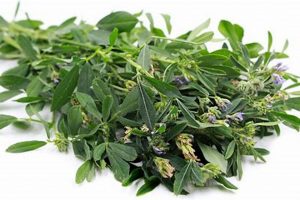
Remedies derived from plants intended to manage blood sugar levels in individuals diagnosed with diabetes mellitus constitute a significant area of study. Such approaches typically involve the use of various plant parts roots, stems, leaves, or flowers prepared in different forms like teas, capsules, or extracts. For example, cinnamon, ginseng, and bitter melon are frequently cited in connection with efforts to regulate glycemic control.
The utilization of these plant-based therapies boasts a history stretching back centuries, forming integral components of traditional medicine systems across diverse cultures. Proponents advocate for their potential to offer gentler, more holistic approaches to managing the disease compared to conventional pharmaceutical interventions. Investigations explore not only the immediate impact on glucose levels but also potential secondary benefits such as antioxidant and anti-inflammatory properties.
The subsequent discussion will delve into the scientific evidence supporting the efficacy of selected botanicals, outline potential risks and interactions, and highlight considerations for individuals contemplating incorporating them into their diabetes management plan. Exploration of safety profiles, proper dosage, and the importance of consulting with qualified healthcare professionals will be given due consideration.
Guidance on Plant-Based Approaches for Diabetes Management
The following guidelines are presented to offer prudent counsel regarding the adjunctive use of plant-derived substances in managing diabetes mellitus. This information should not be interpreted as a replacement for conventional medical care.
Tip 1: Prioritize Consultation. Before initiating any plant-based regimen, dialogue with a qualified healthcare provider, including physicians and registered dietitians, is imperative. This ensures the approach aligns with the individual’s specific health profile and existing treatment plans.
Tip 2: Exercise Caution with Herb-Drug Interactions. Certain botanicals can interact with conventional medications, potentially altering their effectiveness or increasing the risk of adverse effects. Thorough research and professional guidance are essential to mitigate such risks.
Tip 3: Maintain Consistent Monitoring. Regular blood glucose monitoring remains paramount, even when incorporating plant-based therapies. This enables objective assessment of the treatment’s impact and facilitates necessary adjustments to the management plan.
Tip 4: Emphasize Lifestyle Modifications. While plant-based interventions may offer supportive benefits, they should not supersede the foundational importance of a balanced diet and regular physical activity. These lifestyle factors exert a substantial influence on glycemic control.
Tip 5: Select Reputable Sources. Exercise discernment when procuring botanical products. Opt for suppliers with established quality control measures and verifiable certifications to ensure product purity and authenticity.
Tip 6: Begin with Modest Doses. When introducing a new plant-based therapy, initiate treatment with a low dose and gradually increase it while closely monitoring for any adverse reactions. This allows for individual tolerance assessment.
Tip 7: Recognize Limitations. It is critical to acknowledge that while some plants demonstrate promise in supporting diabetes management, they may not be suitable or effective for all individuals. Set realistic expectations and avoid relying solely on these approaches without medical supervision.
Adherence to these recommendations can contribute to a more informed and safer integration of selected plant-derived substances into a comprehensive diabetes management strategy. Individual results will vary, and continuous monitoring under professional guidance is crucial.
The subsequent section will discuss frequently asked questions and address potential concerns related to safety and efficacy.
1. Glycemic Control
Glycemic control, defined as the maintenance of blood glucose levels within a target range, constitutes a primary objective in managing diabetes mellitus. The rationale for utilizing plant-derived substances in diabetes stems from the hypothesis that specific botanical compounds can influence glucose metabolism through various mechanisms. These mechanisms potentially include enhancing insulin sensitivity, stimulating insulin secretion, inhibiting carbohydrate absorption in the intestines, or mimicking insulin’s actions directly. For example, compounds found in cinnamon are thought to improve insulin sensitivity, potentially leading to enhanced glucose uptake by cells. Similarly, components of bitter melon are proposed to stimulate insulin secretion from pancreatic beta cells. The effectiveness of plant-derived substances in achieving glycemic control requires rigorous scientific validation.
The integration of plant-derived substances into a diabetes management plan necessitates careful consideration of their potential impact on blood glucose levels. Unpredictable or inconsistent effects on glycemic control can pose risks, leading to hyperglycemia (elevated blood sugar) or hypoglycemia (low blood sugar). Individuals with diabetes often rely on precise insulin or oral medication dosages to maintain stable blood glucose. Introducing plant-derived substances without proper monitoring and adjustments to conventional treatments could disrupt this balance. For instance, if an individual is already taking insulin and then consumes a botanical extract that also lowers blood glucose, the risk of hypoglycemia is increased. Therefore, frequent self-monitoring of blood glucose levels is crucial when using these remedies.
In conclusion, while the potential for plant-derived substances to contribute to glycemic control in diabetes is a subject of ongoing research, a cautious and evidence-based approach is warranted. The impact of these substances on blood glucose levels can be variable, and their use should always be integrated into a comprehensive management plan under the supervision of qualified healthcare professionals. Prioritizing patient safety, consistent monitoring, and a thorough understanding of potential interactions with conventional treatments are essential to realizing any potential benefits while mitigating risks.
2. Potential Interactions

Concurrent utilization of plant-derived substances and conventional pharmaceuticals in diabetes management presents a significant risk of pharmacological interactions. Such interactions can alter the efficacy of prescribed medications or potentiate adverse effects, thereby compromising patient safety and therapeutic outcomes.
- Pharmacokinetic Interactions
These interactions affect the absorption, distribution, metabolism, or excretion of drugs. For instance, certain botanicals can inhibit cytochrome P450 enzymes, which are responsible for metabolizing many medications. If a botanical inhibits the metabolism of a diabetes drug, it can lead to elevated drug levels, increasing the risk of toxicity. Conversely, some substances can induce these enzymes, accelerating drug metabolism and reducing its therapeutic effect. As an example, St. John’s Wort, although not directly related to diabetes treatment, is a known CYP3A4 inducer and could potentially reduce the effectiveness of some oral hypoglycemic agents.
- Pharmacodynamic Interactions
These interactions involve additive or antagonistic effects on the body’s physiological processes. The concurrent use of a botanical with hypoglycemic properties alongside insulin or sulfonylureas can lead to an additive effect, resulting in an increased risk of hypoglycemia. Conversely, a botanical that increases blood glucose could counteract the effects of diabetes medications, leading to hyperglycemia. Ginseng, for example, has been reported to have variable effects on blood glucose, and its use with diabetes medications requires careful monitoring.
- Interactions with Anticoagulants and Antiplatelet Agents
Some plant-derived substances possess antiplatelet or anticoagulant properties, and their concurrent use with blood-thinning medications, such as warfarin or aspirin, can increase the risk of bleeding. While not exclusively related to diabetes management, individuals with diabetes are often at increased risk of cardiovascular disease and may be prescribed these medications. Garlic, ginger, and ginkgo are examples of botanicals with potential antiplatelet effects.
- Impact on Diagnostic Tests
Certain plant-derived substances can interfere with laboratory tests used to monitor diabetes. For example, some may affect blood glucose readings or hemoglobin A1c levels, potentially leading to inaccurate assessments of glycemic control. Therefore, it is crucial for individuals using plant-derived substances to inform their healthcare providers about all supplements and medications they are taking to ensure accurate interpretation of diagnostic results.
The potential for interactions between plant-derived substances and conventional medications underscores the importance of thorough communication between patients and healthcare providers. A comprehensive medication history, including all supplements and over-the-counter remedies, is essential for identifying and mitigating potential risks. Given the complexity of these interactions, healthcare professionals should consult reliable drug interaction databases and resources to make informed decisions regarding the safe and effective use of plant-derived substances in diabetes management.
3. Evidence Strength
The determination of evidence strength constitutes a critical step in assessing the viability of plant-derived remedies for diabetes mellitus. The level of scientific support directly influences the confidence with which healthcare professionals and patients can approach the use of these interventions. Rigorous clinical trials, meta-analyses, and systematic reviews provide the most compelling evidence, whereas anecdotal reports and traditional use, while potentially valuable, require substantiation through well-designed studies. For example, while the use of cinnamon for blood sugar control has gained popularity, the evidence base is mixed. Some studies demonstrate a modest reduction in fasting blood glucose, while others show no significant effect. The strength of the evidence, therefore, is not definitive, and further research is warranted.
The application of evidence-based principles to plant-derived therapies necessitates the evaluation of study design, sample size, control groups, and outcome measures. Studies with small sample sizes or lacking placebo controls may yield unreliable results, limiting the strength of the evidence. Furthermore, variations in product formulation, dosage, and duration of treatment across studies can complicate the interpretation of findings. For example, studies investigating the effects of bitter melon on diabetes often utilize different preparations of the fruit, such as juice, powder, or extracts, making it difficult to compare results and draw firm conclusions. Moreover, the bioavailability of active compounds in these preparations can vary, further affecting the observed outcomes.
In summary, the evidence strength surrounding plant-derived substances for diabetes varies considerably. While some substances, such as berberine, have demonstrated promising results in clinical trials, the overall evidence base remains limited for many others. Challenges in standardization, methodological inconsistencies, and the potential for publication bias necessitate a cautious approach to interpreting the available evidence. Healthcare providers should critically evaluate the existing research and consider the limitations before recommending plant-derived therapies to patients with diabetes, emphasizing the importance of integrating these interventions into a comprehensive, evidence-based management plan. Prioritizing patient safety and individualized treatment strategies is paramount.
4. Safety Profile

The safety profile of plant-derived substances used in diabetes management demands rigorous scrutiny due to the potential for adverse effects and interactions with conventional treatments. A comprehensive understanding of the risks associated with these substances is essential for informed decision-making.
- Hepatic and Renal Toxicity
Certain botanicals possess the potential to induce hepatotoxicity (liver damage) or nephrotoxicity (kidney damage). Long-term or excessive use of these substances can strain these organs, particularly in individuals with pre-existing hepatic or renal conditions. For example, some traditional Chinese medicines, while used for diabetes, have been implicated in liver injury. Regular monitoring of liver and kidney function is advisable when employing such therapies.
- Allergic Reactions
Individuals can exhibit allergic responses to various plant-derived substances. Reactions may range from mild skin irritations to severe anaphylactic events. Prior exposure to a particular botanical does not guarantee tolerance, as sensitization can develop over time. For instance, individuals allergic to ragweed may also experience cross-reactivity to certain herbal supplements. Careful observation for signs of allergic reactions is paramount.
- Gastrointestinal Disturbances
Many plant-derived substances can cause gastrointestinal side effects, including nausea, vomiting, diarrhea, or abdominal pain. These effects can be particularly problematic for individuals with pre-existing digestive disorders or those taking medications that also affect the gastrointestinal tract. For example, high doses of certain herbal laxatives can exacerbate diarrhea and lead to electrolyte imbalances. Gradual dose escalation and monitoring for gastrointestinal symptoms are recommended.
- Contraindications in Specific Populations
The safety of plant-derived substances can vary depending on the individual’s physiological state. Pregnant or breastfeeding women, children, and elderly individuals may be at increased risk of adverse effects. Certain botanicals are contraindicated in these populations due to potential teratogenic effects, developmental toxicity, or altered drug metabolism. For instance, some herbal remedies are not recommended during pregnancy due to concerns about their potential impact on fetal development. Consultation with healthcare professionals is essential to determine the suitability of these therapies in specific populations.
The multifaceted safety profile of plant-derived substances necessitates a cautious and individualized approach to their use in diabetes management. Continuous monitoring, open communication with healthcare providers, and a thorough understanding of potential risks are essential to mitigating adverse outcomes and ensuring patient well-being. The perceived “natural” origin of these substances does not equate to inherent safety, and rigorous evaluation of their potential effects is warranted.
5. Traditional Use

The historical employment of plant-derived substances in managing diabetes mellitus, termed “traditional use,” provides a foundational context for exploring potential therapeutic avenues. This context, however, requires critical evaluation to distinguish empirical observation from scientifically validated efficacy.
- Geographic Variations
Diverse regions around the world feature distinct herbal remedies integral to their respective traditional medicine systems. For instance, Ayurveda, prominent in India, utilizes plants like Gymnema sylvestre and Momordica charantia (bitter melon). In Traditional Chinese Medicine (TCM), herbs such as Astragalus membranaceus and Coptis chinensis are common. The specificity of these remedies to their geographical origins necessitates consideration of environmental factors, cultivation practices, and preparation methods, all of which can influence the composition and potency of the final product. Direct substitution of remedies from one system to another without appropriate understanding is not advisable.
- Empirical Knowledge Transfer
Traditional use relies heavily on the transmission of knowledge across generations through oral tradition and written texts. This knowledge encompasses the identification, preparation, and application of plant-derived substances. The efficacy assessment is often based on observational experience rather than controlled clinical trials. For example, communities may have observed a reduction in thirst or polyuria (frequent urination) among individuals consuming a particular plant infusion, leading to its continued use for diabetes management. However, attributing these observed effects solely to the plant requires further investigation to rule out confounding factors and establish causality.
- Ritualistic and Cultural Context
In many cultures, the administration of herbal remedies is intertwined with ritualistic practices and cultural beliefs. These practices may involve specific preparation methods, timing of administration, or accompanying ceremonies. While the cultural significance of these practices is undeniable, their impact on the therapeutic efficacy of the herbal remedy remains largely unexplored. The psychosocial aspects of these rituals, such as patient expectations and the therapeutic relationship with the practitioner, may contribute to the perceived benefits. Separating these cultural influences from the pharmacological effects of the plant itself poses a significant challenge.
- Standardization Challenges
Traditional preparations of herbal remedies often lack standardization, leading to variability in the concentration of active compounds. This variability can affect both the efficacy and safety of the product. Unlike pharmaceutical drugs, which undergo rigorous quality control measures, traditional preparations may vary depending on factors such as the source of the plant material, the extraction method, and storage conditions. This lack of standardization complicates the assessment of evidence-based efficacy and increases the risk of adverse effects. For example, two different samples of the same herbal tea may contain vastly different amounts of the active ingredient purported to lower blood sugar.
In conclusion, the traditional use of herbal remedies for diabetes offers valuable insights into potential therapeutic agents. However, a critical appraisal of this historical context is essential. Consideration must be given to geographic variations, the limitations of empirical knowledge transfer, the influence of ritualistic and cultural practices, and the challenges associated with standardization. Rigorous scientific investigation is necessary to validate the efficacy and safety of these traditional remedies and to integrate them responsibly into modern healthcare practices.
Frequently Asked Questions Regarding Plant-Derived Approaches for Diabetes Management
The subsequent section addresses common inquiries concerning the utilization of plant-derived substances as adjunctive therapies in the management of diabetes mellitus. The information is intended for educational purposes and does not constitute medical advice. Consultation with a qualified healthcare professional is essential before initiating any new treatment regimen.
Question 1: Are plant-derived substances a substitute for conventional diabetes medications?
Plant-derived substances are generally not considered a substitute for conventional diabetes medications such as insulin or oral hypoglycemic agents. These substances may offer complementary benefits in some cases, but they should not replace prescribed medications without the explicit guidance of a healthcare provider. Abruptly discontinuing prescribed medications in favor of plant-derived substances can lead to dangerous fluctuations in blood glucose levels and potentially severe health consequences.
Question 2: Can plant-derived substances cure diabetes?
There is currently no scientific evidence to support the claim that plant-derived substances can cure diabetes mellitus. Diabetes is a chronic condition that requires ongoing management. While some plant-derived substances may help improve blood glucose control or reduce the risk of complications, they do not address the underlying causes of the disease.
Question 3: Are all plant-derived substances safe for individuals with diabetes?
Not all plant-derived substances are safe for individuals with diabetes. Some substances can interact with conventional medications, leading to adverse effects, while others may have inherent toxicity. It is crucial to research the safety profile of any plant-derived substance before using it and to consult with a healthcare professional to assess potential risks and benefits.
Question 4: How can one ensure the quality and purity of plant-derived products?
Ensuring the quality and purity of plant-derived products can be challenging. Look for products that have been tested by independent third-party laboratories for contaminants and potency. Choose reputable brands with established quality control measures. Be wary of products that make exaggerated claims or lack clear labeling information. Consulting with a qualified herbalist or healthcare provider can also help in selecting high-quality products.
Question 5: What are the signs of an adverse reaction to a plant-derived substance?
Signs of an adverse reaction to a plant-derived substance can vary depending on the individual and the substance. Common symptoms include skin rash, itching, swelling, nausea, vomiting, diarrhea, abdominal pain, and difficulty breathing. Seek immediate medical attention if experiencing severe allergic reactions or any concerning symptoms after using a plant-derived substance.
Question 6: How should plant-derived substances be integrated into a comprehensive diabetes management plan?
Plant-derived substances, if deemed appropriate by a healthcare professional, should be integrated into a comprehensive diabetes management plan that includes conventional medications, dietary modifications, regular physical activity, and self-monitoring of blood glucose levels. The integration should be carefully monitored, with adjustments made as needed based on individual responses and blood glucose control.
In summary, plant-derived substances offer potential as adjunctive therapies in diabetes management, but they are not a substitute for conventional treatments. Safety, quality, and potential interactions with medications must be carefully considered. Consultation with healthcare professionals is essential to ensure responsible and effective use.
The following section will delve into specific plant-derived substances commonly explored in the context of diabetes management.
Conclusion
The exploration of plant-derived substances within the context of diabetes mellitus reveals a landscape characterized by both potential and complexity. This article has examined glycemic control, potential interactions with conventional medications, the strength of available evidence, safety profiles, and the influence of traditional use. It is evident that while certain botanicals demonstrate promise in supporting diabetes management, a cautious and evidence-based approach is paramount.
The responsible integration of herbal med for diabetes into any management plan necessitates thorough consultation with qualified healthcare professionals. Continued research is crucial to elucidate the mechanisms of action, determine optimal dosages, and establish definitive safety parameters. Individuals must remain vigilant in monitoring their blood glucose levels and prioritize their well-being by adhering to established medical guidelines. The potential benefits of these approaches should always be weighed against the inherent risks.