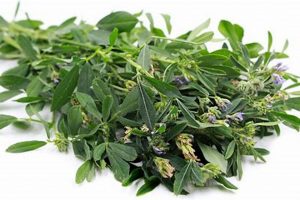
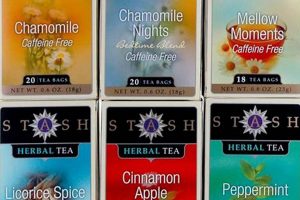
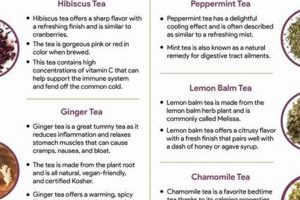
A refreshing and healthful beverage choice, it involves steeping various herbs in hot water and then chilling the resulting infusion for consumption. An example includes a blend of hibiscus, chamomile, and mint, brewed and served over ice. This preparation contrasts with traditional tea made from Camellia sinensis leaves.
The appeal stems from its potential health benefits and diverse flavor profiles. Many herbs possess antioxidant and anti-inflammatory properties, contributing to overall well-being. Historically, herbal infusions have been utilized for medicinal purposes, and the iced form provides a palatable and hydrating way to access these benefits, particularly during warmer seasons. The caffeine-free nature also makes it a suitable alternative for those seeking to avoid stimulants.
Subsequent sections will delve into specific herb combinations, brewing techniques, and considerations for selecting ingredients to create optimal blends. The focus will be on achieving both desired flavor profiles and potential health advantages through informed ingredient choices and preparation methods. Furthermore, storage guidelines and serving suggestions will be addressed.
Preparation and Enjoyment Guidelines
Optimizing the preparation process enhances the overall experience and maximizes the potential benefits of the beverage. The following guidelines provide insights into various aspects of crafting a satisfying infusion.
Tip 1: Herb Selection: Prioritize high-quality, organic herbs to minimize exposure to pesticides and ensure a pure flavor profile. Research the properties of individual herbs to create a blend aligned with desired health benefits or flavor preferences.
Tip 2: Water Temperature: Avoid using boiling water for delicate herbs like chamomile or lavender, as it can scorch the leaves and create a bitter taste. Use water that is slightly below boiling point (around 170-185F or 77-85C) for optimal extraction.
Tip 3: Steeping Time: Adhere to recommended steeping times to prevent over-extraction and bitterness. Generally, 5-7 minutes is sufficient for most herbal blends. Experimentation may be necessary to fine-tune the steeping time to individual preferences.
Tip 4: Filtration Method: Employ a fine-mesh strainer or tea filter to remove small particles and ensure a smooth texture. Cheesecloth can be used as an alternative for larger quantities.
Tip 5: Sweetening Options: Consider natural sweeteners such as honey, agave nectar, or stevia. Add sweeteners sparingly to avoid masking the natural flavors of the herbs. Adjust the sweetness level to individual preference.
Tip 6: Chilling Process: Allow the brewed infusion to cool slightly before refrigerating or adding ice. Rapid chilling can cloud the beverage. Alternatively, brew a concentrated infusion and dilute it with cold water or ice.
Tip 7: Serving Suggestions: Enhance the visual appeal by garnishing with fresh herbs, citrus slices, or edible flowers. Serve in clear glassware to showcase the color and clarity of the infusion.
By implementing these guidelines, individuals can elevate the quality and enjoyment of their herbal iced tea, maximizing both the flavor and potential health benefits.
The subsequent section will address storage considerations to preserve the quality and freshness of the prepared beverage.
1. Quality Ingredients
The selection of quality ingredients constitutes a critical determinant in achieving a superior herbal iced tea. The integrity of the source materials directly influences the resulting flavor profile, aroma, and potential therapeutic benefits. Consequently, a discerning approach to ingredient procurement is paramount.
- Herb Origin and Cultivation
The geographical origin and cultivation methods significantly impact the chemical composition of herbs. Organically grown herbs, free from synthetic pesticides and herbicides, minimize exposure to undesirable residues. Furthermore, the specific growing conditions, such as soil composition and climate, contribute to the development of unique flavor nuances. For example, chamomile cultivated in certain regions may exhibit a more pronounced floral aroma compared to chamomile from other areas.
- Freshness and Storage
The freshness of the herbs directly correlates with the potency of their volatile oils, which contribute significantly to the tea’s aroma and flavor. Properly stored herbs, shielded from light, heat, and moisture, retain their desirable characteristics for a longer duration. Improper storage can lead to degradation of essential oils, resulting in a diminished flavor and aroma. Dried herbs should be assessed for vibrancy and aroma, indicating recent processing and adequate preservation.
- Water Purity
The quality of the water used in brewing significantly influences the final product. Impurities present in tap water, such as chlorine or mineral deposits, can interact with the herbs, altering their flavor and potentially masking their delicate aromas. Utilizing filtered or purified water ensures a neutral base, allowing the inherent characteristics of the herbs to fully express themselves. Water pH can also affect extraction efficiency, impacting the intensity and complexity of the resulting infusion.
- Absence of Artificial Additives
A commitment to quality entails avoiding artificial flavors, colors, and preservatives. These additives can detract from the natural flavors of the herbs and may introduce undesirable health effects. Opting for pure, unadulterated herbal blends ensures a genuine and healthful beverage experience. The presence of artificial ingredients often indicates a compromise in quality and a reliance on synthetic substitutes rather than genuine herbal characteristics.
In conclusion, the judicious selection of high-quality ingredients encompassing herb origin, freshness, water purity, and the exclusion of artificial additives is indispensable for crafting a herbal iced tea that delivers both exceptional flavor and potential health advantages. A discerning approach to sourcing and handling these components represents a fundamental aspect of achieving the desired beverage excellence.
2. Optimal Steeping

Optimal steeping is intrinsically linked to the quality and characteristics of herbal iced tea. It dictates the extraction of essential oils, flavonoids, and other bioactive compounds responsible for the tea’s flavor, aroma, and potential therapeutic benefits. Insufficient steeping results in a weak, underdeveloped flavor profile, while excessive steeping can lead to bitterness and the release of undesirable tannins. For example, steeping green tea for too long will make the herbal iced tea bitter.
The steeping parameters, including water temperature and duration, vary depending on the specific herbs used. Delicate herbs like chamomile and lavender require lower water temperatures and shorter steeping times to prevent the volatilization of their delicate aroma compounds. Conversely, more robust herbs like peppermint and ginger can withstand higher temperatures and longer steeping times, allowing for a more complete extraction of their flavor constituents. The correct steeping process has a significant effect on the final quality.
Achieving optimal steeping necessitates a nuanced understanding of herbal properties and careful control over the brewing process. Attention to water temperature, steeping time, and the use of appropriate filtration methods contributes to a final product that exhibits a balanced flavor, pleasant aroma, and maximum retention of beneficial compounds. Mastering the technique is fundamental to producing a high-quality herbal iced tea. Thus, optimal steeping is crucial for herbal iced tea’s quality.
3. Precise Sweetening

The art of precise sweetening is integral to crafting a superior herbal iced tea. Sweetness acts as a modulator, balancing the inherent herbal notes and enhancing overall palatability. Over-sweetening masks the complex flavors, while insufficient sweetness leaves the beverage lacking in character. The goal is not simply to add sugar, but to achieve a harmonious equilibrium between the herbal infusion and the sweetening agent. This balance is affected by choice of sweetener, measured quantity, and how it blends with the herbal infusion.
The selection of a sweetening agent is equally crucial. Refined sugars provide simple sweetness, whereas natural options like honey, agave nectar, or maple syrup contribute additional flavor complexities. The intensity of sweetness also varies among these choices; for example, honey typically imparts a more pronounced flavor than agave nectar. Precise sweetening involves understanding these nuances and selecting a sweetener that complements the specific herbal blend. Moreover, the method of incorporation influences the outcome. Dissolving the sweetener in the hot infusion before chilling ensures even distribution and prevents a grainy texture. When the sweetening ingredient evenly dissolves into herbal tea mixture, the quality of herbal iced tea goes to best level.
In summary, precise sweetening is a critical component in the creation of an exceptional herbal iced tea. It requires thoughtful consideration of both the sweetening agent and the quantity used. The objective is to enhance, not overwhelm, the delicate flavors of the herbs, resulting in a balanced and refreshing beverage. The lack of attention on precise sweetening may reduce its quality.
4. Proper Chilling

The process of chilling an herbal infusion significantly impacts the final quality and enjoyment of iced tea. Inadequate or improper chilling techniques can compromise flavor integrity, clarity, and overall refreshment, thus affecting the attainment of a truly superior beverage. Thus, it becomes the best herbal iced tea
- Maintaining Flavor Integrity
Rapid chilling, particularly through the addition of excessive ice, can dilute the concentration of flavorful compounds extracted during the brewing process. Gradual cooling methods, such as refrigeration, allow the flavors to meld and intensify, preserving the original character of the herbal blend. This results in a more pronounced and nuanced flavor profile. A tea that is diluted does not get to become the best herbal iced tea
- Preventing Cloudiness
Certain herbal infusions, particularly those containing volatile oils, can exhibit cloudiness when subjected to rapid temperature changes. This phenomenon, known as cold shock, results from the precipitation of these oils out of solution. Slow chilling minimizes this effect, preserving the visual clarity of the tea and enhancing its aesthetic appeal. Therefore, cold shock does not make herbal iced tea become the best.
- Optimizing Refreshment
The primary purpose of iced tea is to provide a refreshing and cooling experience. Proper chilling ensures that the beverage reaches an optimal temperature for consumption, maximizing its thirst-quenching properties. Inadequate cooling can result in a lukewarm and unsatisfying beverage. Best herbal iced tea must be chilled.
- Inhibiting Microbial Growth
Herbal infusions, like any perishable beverage, are susceptible to microbial growth if not stored properly. Rapid chilling and refrigeration effectively inhibit the proliferation of bacteria and other microorganisms, extending the shelf life and ensuring the safety of the tea for consumption. A safe tea makes it the best herbal iced tea.
The discussed facets highlight the importance of controlled temperature management in the creation of superior herbal iced tea. By employing appropriate chilling techniques, one can safeguard flavor integrity, maintain visual clarity, optimize refreshment, and inhibit microbial growth, all of which contribute to an enhanced sensory experience and a prolonged shelf life. Consequently, understanding and implementing proper chilling methods are essential for achieving the “best herbal iced tea”.
5. Storage Solutions

The quality of herbal iced tea, even after meticulous brewing, hinges significantly on appropriate storage solutions. Degradation can occur rapidly if the prepared beverage is not stored correctly, diminishing its intended flavor profile and potential health benefits. The choice of container material, temperature control, and exposure to environmental factors directly influence the longevity and overall quality of the final product. A lack of suitable storage leads to oxidation, bacterial contamination, and flavor alterations. For instance, iced tea left at room temperature for extended periods can develop a sour taste due to microbial activity, rendering it unpalatable and potentially unsafe for consumption. Similarly, exposure to direct sunlight can degrade light-sensitive compounds, affecting color and taste.
Practical application involves selecting airtight, non-reactive containers, preferably glass or high-quality BPA-free plastic, to minimize flavor absorption or leaching of undesirable chemicals. Refrigeration at temperatures below 40F (4C) is crucial to inhibit microbial growth and maintain freshness. Storing the iced tea away from strong-smelling foods within the refrigerator prevents the absorption of unwanted odors. Preparing herbal iced tea in smaller batches and consuming it within a day or two optimizes its freshness and flavor. For example, iced tea stored in a sealed glass jar in the refrigerator retains its flavor and quality significantly longer compared to tea left in an open pitcher at room temperature.
In conclusion, effective storage solutions represent a critical, often overlooked, component in achieving and maintaining “best herbal iced tea” status. The selection of appropriate containers, coupled with temperature control and protection from environmental factors, ensures the preservation of flavor, safety, and overall quality. Neglecting these considerations undermines the effort invested in sourcing high-quality ingredients and employing optimal brewing techniques, thereby compromising the final product and its intended benefits. Proper storage, therefore, is not merely a convenience but an essential element in the holistic pursuit of the ideal herbal iced tea experience.
Frequently Asked Questions About Optimal Herbal Iced Tea
The subsequent questions and answers address common inquiries concerning the preparation, preservation, and properties of optimal herbal iced tea.
Question 1: What criteria define “best herbal iced tea”?
The designation stems from a confluence of factors, including the quality of ingredients, precise brewing techniques, appropriate sweetening, effective chilling methods, and proper storage protocols. These elements, when meticulously executed, contribute to a beverage with superior flavor, aroma, and potential health benefits.
Question 2: Does the type of water impact the quality of herbal iced tea?
Yes, the water’s purity and mineral content significantly influence the taste and clarity. Filtered or purified water is recommended to avoid interference from chlorine or other impurities present in tap water. These impurities can alter the herbal flavor profile and diminish the overall quality of the iced tea.
Question 3: What is the optimal steeping time for herbal iced tea?
The steeping time varies depending on the specific herbs used. Delicate herbs, such as chamomile, require shorter steeping times (3-5 minutes) to prevent bitterness, while more robust herbs like peppermint can withstand longer steeping times (5-7 minutes) for maximum flavor extraction.
Question 4: Can herbal iced tea be safely stored for extended periods?
While refrigeration can extend the shelf life of herbal iced tea, it is generally recommended to consume it within 24-48 hours to maintain optimal freshness and flavor. Prolonged storage can lead to flavor degradation and potential microbial growth, even under refrigerated conditions.
Question 5: How does the sweetening agent affect the overall experience?
The choice of sweetening agent significantly impacts the flavor profile. Natural sweeteners, such as honey or agave nectar, contribute nuanced flavors that complement the herbs, while refined sugars provide a simple sweetness. The quantity of sweetener should be carefully controlled to avoid masking the inherent herbal flavors.
Question 6: Is there a specific method for chilling herbal iced tea to maintain clarity?
Rapid chilling can cause cloudiness due to the precipitation of volatile oils. Allowing the brewed tea to cool slightly before refrigerating or adding ice minimizes this effect. Alternatively, brewing a concentrated infusion and diluting it with cold water or ice can also preserve clarity.
In essence, achieving optimal results requires a comprehensive understanding of each stage of the preparation process, from ingredient selection to storage.
The succeeding section will summarize the essential steps for crafting an exceptional example, consolidating key recommendations for effortless implementation.
Conclusion
The preceding analysis has underscored that the creation of “best herbal iced tea” necessitates a meticulous approach, encompassing ingredient selection, brewing methodology, and preservation techniques. The interplay of high-quality herbs, precise steeping, judicious sweetening, appropriate chilling, and proper storage are all critical determinants in achieving a beverage of superior quality. Deviations from these parameters inevitably result in a compromised final product.
The pursuit of “best herbal iced tea” transcends mere refreshment; it represents a commitment to both sensory pleasure and potential health benefits. By adhering to the guidelines outlined herein, practitioners can elevate their efforts, ensuring a consistently exceptional experience. The significance lies not only in the final product but also in the informed and deliberate process that yields it, encouraging a deeper appreciation for the nuances of herbal infusions and their inherent potential.