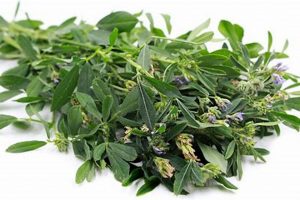
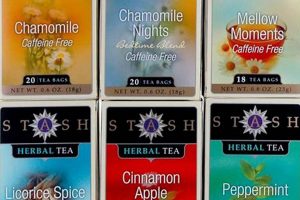
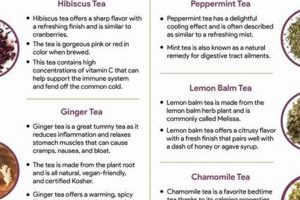
The merits associated with utilizing botanical remedies and plant-derived formulations are varied and pertain to multiple facets of human health and well-being. These positive aspects encompass accessibility, affordability, and perceived reduced incidence of adverse effects when compared to synthetic pharmaceuticals. For instance, the use of chamomile tea to promote relaxation or ginger to alleviate nausea exemplifies the accessible and gentle nature often attributed to these alternatives.
The significance of these natural options extends beyond simple symptom management. Throughout history, many cultures have relied on traditional plant-based medicines for primary healthcare. This long-standing practice underscores a belief in their inherent capacity to support the body’s natural healing processes and maintain overall wellness. Furthermore, in some regions, these alternatives represent a more economically viable and culturally relevant approach to healthcare, particularly where access to conventional medical treatments is limited.
Consequently, this article will explore various facets of these beneficial attributes, examining their potential contributions to preventative healthcare, chronic disease management, and overall lifestyle enhancement. Further discussion will cover the sustainable sourcing of ingredients, the importance of quality control, and the need for evidence-based research to validate claims and ensure safe and effective utilization.
Guidance on Leveraging Botanical Remedies
The following recommendations are intended to provide a framework for informed decision-making when considering the integration of plant-based products into a health and wellness regimen. It is imperative to approach these options with a critical and discerning perspective.
Tip 1: Prioritize Authenticity and Quality. Select products from reputable manufacturers who adhere to stringent quality control measures. Seek certifications from recognized organizations that verify the purity and potency of ingredients. Independent laboratory testing can provide further assurance.
Tip 2: Conduct Thorough Research. Investigate the scientific evidence supporting the purported benefits of specific botanical compounds. Peer-reviewed studies and reputable databases offer valuable insights into efficacy and potential risks.
Tip 3: Exercise Caution Regarding Interactions. Be aware that certain botanical remedies can interact with prescription medications, over-the-counter drugs, and other supplements. Consult with a qualified healthcare professional to assess potential contraindications.
Tip 4: Start with Low Doses. Begin with a conservative dosage to gauge individual tolerance and minimize the likelihood of adverse reactions. Gradual increases may be considered, guided by professional advice.
Tip 5: Monitor for Adverse Effects. Pay close attention to any unusual symptoms or reactions following the consumption of these products. Discontinue use immediately if adverse effects occur and seek medical attention if necessary.
Tip 6: Consider the Source. Opt for products that are sustainably sourced and ethically produced. This minimizes environmental impact and supports fair labor practices.
Tip 7: Seek Professional Guidance. Consult with a qualified healthcare provider, such as a physician, pharmacist, or registered herbalist, before incorporating these products into your healthcare plan. Personalized recommendations and risk assessments are crucial.
The diligent application of these guidelines can facilitate a more informed and responsible approach to the use of botanical resources. Awareness of the potential risks and benefits, coupled with expert guidance, is paramount to maximizing their therapeutic potential while minimizing potential harm.
This guidance provides a foundation for exploring the multifaceted role of plant-based remedies in contemporary healthcare. The subsequent sections will delve into specific applications and considerations for their integration into various wellness practices.
1. Accessibility

Accessibility, in the context of plant-derived therapeutic options, represents a pivotal factor influencing their appeal and potential as healthcare solutions. This accessibility extends beyond mere physical availability, encompassing economic, geographic, and informational dimensions that significantly impact their widespread adoption and utilization.
- Geographic Availability
Many botanical species used in traditional and contemporary medicine are indigenous to specific regions. In these areas, access to raw materials or locally produced herbal preparations may be significantly easier and more affordable compared to manufactured pharmaceuticals. This geographic advantage can be particularly relevant in rural or underserved communities with limited access to conventional healthcare infrastructure.
- Over-the-Counter Status
A significant number of plant-based products are available without a prescription in many jurisdictions. This over-the-counter status simplifies the process of acquisition, eliminating the need for a medical consultation in certain cases. This ease of access can be particularly appealing for individuals seeking self-care options for minor ailments or preventative health measures.
- Cultivation Potential
Certain medicinal plants can be cultivated in home gardens or community plots. This capability empowers individuals and communities to produce their own herbal remedies, fostering self-reliance and reducing dependence on external supply chains. The potential for local cultivation enhances access, particularly in regions with limited resources or unreliable distribution networks.
- Informational Resources
The accessibility of information regarding traditional uses, preparation methods, and potential benefits of these products plays a critical role. Open-source databases, educational materials, and community knowledge sharing contribute to a better understanding of these options and their appropriate application. However, verifying the accuracy and reliability of such information is crucial to ensure safe and effective utilization.
The various facets of accessibility highlight the potential of plant-based remedies as a viable and convenient option for healthcare needs, particularly in contexts where conventional medical resources are constrained. However, the responsible utilization of these remedies necessitates due consideration of quality control, potential interactions, and the need for informed decision-making, emphasizing the importance of accessible and reliable information.
2. Affordability

The economic dimension of affordability significantly influences the perceived merits of botanical remedies. The cost-effectiveness of these alternatives, compared to conventional pharmaceuticals, presents a compelling advantage for individuals and healthcare systems, particularly in contexts of resource constraints.
- Lower Production Costs
The production of many plant-derived products often involves simpler and less expensive processes than the synthesis of complex pharmaceutical compounds. Cultivation, extraction, and basic formulation incur lower capital investment and operational expenses. This translates to potentially lower prices for the end consumer, enhancing accessibility for those with limited financial resources. For example, the cost of producing a batch of herbal tea from locally grown herbs is significantly lower than the cost of manufacturing a comparable quantity of synthetic medication designed to address similar symptoms.
- Reduced Reliance on Patents
Many plant-based remedies are derived from naturally occurring compounds that cannot be patented, or for which patents have expired. This absence of patent protection fosters competition among manufacturers, driving down prices and making these alternatives more accessible. Contrast this with patented pharmaceuticals, where manufacturers enjoy exclusive rights to set prices, often resulting in higher costs for consumers. The availability of generic versions of herbal formulations further contributes to their affordability.
- Preventative Healthcare Potential
The cost-effectiveness of botanical remedies extends to their potential role in preventative healthcare. Regular consumption of certain herbs and spices, or the use of herbal supplements, may help to maintain overall wellness and reduce the risk of developing chronic diseases. By proactively addressing health concerns, individuals may avoid the need for more expensive treatments and hospitalizations in the long run. For instance, incorporating turmeric into one’s diet for its anti-inflammatory properties may reduce the risk of developing chronic inflammatory conditions, thereby lowering future healthcare expenses.
- Community-Based Production
In some regions, communities engage in the local cultivation, processing, and distribution of plant-based remedies. This community-based approach reduces transportation costs, minimizes reliance on intermediaries, and generates local economic opportunities. The resulting affordability enhances access to essential healthcare resources within these communities. An example of this is community gardens that grow medicinal herbs and create tinctures or teas to provide healthcare.
The interplay of these facets underscores how affordability contributes to the overall appeal and accessibility of botanical remedies. The lower production costs, reduced reliance on patents, preventative healthcare potential, and community-based production models collectively make these alternatives more economically viable, particularly for vulnerable populations and resource-constrained healthcare systems. This affordability, however, should be considered alongside considerations of quality, efficacy, and safety to ensure responsible and beneficial utilization.
3. Fewer side effects

One frequently cited advantage of plant-derived products resides in their potential for diminished adverse effects compared to synthetically manufactured pharmaceuticals. This perception stems from the complex chemical composition of many botanical remedies, which are hypothesized to interact with the body in a more nuanced and potentially less disruptive manner. The presence of multiple active compounds within a single plant extract, working synergistically, may contribute to a gentler therapeutic action, thereby reducing the likelihood of pronounced or harmful side effects. For example, while conventional nonsteroidal anti-inflammatory drugs (NSAIDs) are known to cause gastrointestinal irritation and cardiovascular risks, certain herbal anti-inflammatory agents, such as curcumin from turmeric, are often associated with a lower incidence of such adverse reactions.
It is critical to recognize, however, that the concept of fewer side effects does not equate to a complete absence of risk. All substances, including those derived from natural sources, possess the potential to elicit adverse reactions in susceptible individuals. Allergic reactions, interactions with prescription medications, and toxicity due to improper dosage or adulteration are potential concerns that must be carefully considered. For instance, St. John’s Wort, commonly used for mild depression, can interact with various medications, including antidepressants and blood thinners, potentially leading to serious complications. Therefore, while the probability of severe side effects may be lower with some botanical remedies, a thorough understanding of potential risks and interactions is essential for safe utilization.
In summary, the prospect of diminished adverse effects contributes significantly to the perceived benefits of botanical alternatives. Nevertheless, this advantage must be carefully balanced against the inherent risks associated with any therapeutic intervention. Responsible use requires a comprehensive understanding of potential side effects, interactions, and proper dosage, emphasizing the need for informed decision-making and, where appropriate, consultation with a qualified healthcare professional. The perceived reduction in adverse effects, therefore, is a contributing factor to the advantages of herbal products, but not a guarantee of safety.
4. Traditional Use
The historical application of botanical remedies, often termed “traditional use,” forms a cornerstone of the perceived advantages associated with these products. Centuries of empirical observation and practical application across diverse cultures have established a body of knowledge regarding the therapeutic properties of various plants. This historical context provides a foundation for understanding the potential benefits and limitations of plant-based interventions. Traditional use is not merely anecdotal; it represents a long-term, real-world trial and error process, where ineffective or harmful remedies were gradually discarded, leaving behind those deemed beneficial. An example of this is the use of willow bark, known traditionally for pain relief. Modern science has since identified salicin, a chemical compound within willow bark, as the precursor to aspirin, thus validating its traditional application. The reliance on traditional use as a factor in determining the value of botanical products highlights the enduring significance of accumulated experience.
This connection manifests in several practical ways. First, traditional use often informs the selection of plants for modern research. Ethnobotanical studies, which investigate the traditional uses of plants by indigenous cultures, frequently guide scientists in identifying promising candidates for drug discovery. Second, traditional preparation methods, such as infusions, decoctions, and poultices, are sometimes adapted for contemporary use, providing a practical framework for formulation and administration. For example, traditional Ayurvedic medicine employs specific methods for preparing herbal formulations (Arka, Asava, Arishta), these formulations are still used today and their therapeutic effects validated by modern research. Third, a history of safe and effective use in traditional medicine often serves as a preliminary indicator of safety, providing a degree of assurance when introducing these products into modern healthcare practices. The absence of widespread reports of serious adverse effects associated with a particular herb in traditional use may suggest a lower risk profile, although rigorous scientific testing remains essential.
In summary, the integration of traditional knowledge represents a significant advantage. By leveraging centuries of accumulated experience, modern researchers and healthcare practitioners can gain valuable insights into the therapeutic potential of plants. However, it is crucial to critically evaluate this traditional knowledge, supplementing it with rigorous scientific investigation to confirm efficacy and ensure safety. Traditional use provides a strong foundation for understanding the advantages of botanical remedies, but it should not be considered a substitute for evidence-based research.
5. Holistic approach
The “holistic approach” represents a core tenet underpinning perceived merits of plant-based therapies. This perspective emphasizes the interconnectedness of physical, mental, and emotional well-being, positing that optimal health requires addressing all these dimensions simultaneously. Plant-derived formulations are often seen as congruent with this philosophy, in contrast to conventional medicine’s focus on targeted interventions addressing specific symptoms. For instance, an individual experiencing anxiety might turn to adaptogenic herbs like ashwagandha, not solely to reduce anxiety symptoms but also to support adrenal function, improve sleep quality, and enhance overall stress resilience. The “holistic approach” to healthcare, therefore, is a key component of plant-based remedies, influencing their selection and perceived effectiveness.
The importance of the “holistic approach” stems from the recognition that disease often arises from multiple contributing factors. Stress, poor diet, environmental toxins, and genetic predisposition can all play a role. Plant-based interventions, with their complex blend of bioactive compounds, are believed to address these multiple factors concurrently. This contrasts with a single-target pharmaceutical, which may alleviate a specific symptom but fail to address underlying imbalances. Furthermore, the “holistic approach” often involves lifestyle modifications, such as dietary changes, exercise, and stress management techniques, that synergize with the effects of plant-based remedies. An individual using milk thistle to support liver function, for example, might also adopt a diet rich in antioxidants and low in processed foods to further enhance detoxification processes. This combination of approaches enhances their health and wellbeing.
In summary, the connection between the “holistic approach” and plant-based options lies in their shared emphasis on interconnectedness and comprehensive well-being. By addressing multiple contributing factors to illness and promoting lifestyle modifications, these products resonate with individuals seeking a more integrated and preventative approach to healthcare. However, the “holistic approach” should not be viewed as a substitute for evidence-based medicine. It is essential to critically evaluate the scientific evidence supporting the efficacy of plant-based options and to integrate them responsibly into a comprehensive healthcare plan. The challenges associated with the “holistic approach” include the difficulty of quantifying its effects in clinical trials and the potential for unsubstantiated claims. Responsible utilization requires a balanced perspective that acknowledges the value of traditional knowledge while adhering to scientific principles. The connection with broader themes includes the rising consumer demand for natural, sustainable, and personalized healthcare solutions.
6. Natural Source
The “Natural Source” is inextricably linked to the perceived merits attributed to plant-derived products, functioning as a fundamental driver behind their appeal and perceived advantages. The origin of these products from the natural world is not merely a semantic distinction; it represents a core value proposition for many consumers who seek alternatives to synthetically manufactured pharmaceuticals. The underlying belief is that substances derived from living organisms are inherently more compatible with the human body, leading to a reduced risk of adverse reactions and a greater potential for synergistic interactions with physiological processes. For instance, the extraction of antioxidants from berries or the use of essential oils from aromatic plants are often favored due to their perceived “natural” origin, with consumers assuming a greater safety and efficacy profile compared to synthetic equivalents. This perception significantly contributes to the overall attractiveness of these products.
The emphasis on “Natural Source” has practical implications for sourcing, processing, and marketing these products. Consumers increasingly demand transparency regarding the origin of ingredients, cultivation practices, and manufacturing processes. Sustainable and ethical sourcing is highly valued, as it aligns with a broader concern for environmental conservation and social responsibility. For example, organically grown herbs, harvested using environmentally friendly methods, command a premium price in the market, reflecting the consumer’s willingness to pay for products that align with their values. Furthermore, minimally processed products, which retain a greater proportion of their natural constituents, are often preferred over highly refined extracts. This focus on naturalness extends to marketing strategies, with manufacturers highlighting the “Natural Source” as a key selling point, emphasizing the purity, authenticity, and minimal processing of their products. Understanding the “Natural Source” leads to better sourcing and marketing, and it is important to be aware of consumer behavior and purchasing.
In conclusion, the “Natural Source” represents a critical element in the perception and appeal of plant-based alternatives. It drives consumer preferences, influences sourcing and processing practices, and shapes marketing strategies. However, it is essential to recognize that the term “natural” is not synonymous with “safe” or “effective.” Rigorous scientific investigation is crucial to validate the claims associated with these products and to ensure their responsible utilization. The connection between “Natural Source” and perceived merits underscores the importance of informed decision-making, where consumers are aware of both the potential benefits and risks associated with these alternatives, and where responsible manufacturers prioritize transparency and sustainability. While the “natural source” may offer a sense of security, this does not mean that products are healthy. Thorough research is needed to test any claimed health benefits.
Frequently Asked Questions Regarding the Advantages of Herbal Products
The following questions address common inquiries and misconceptions surrounding the potential benefits of plant-derived remedies. The information provided is intended to promote informed decision-making.
Question 1: Are plant-based remedies invariably safer than conventional pharmaceuticals?
No. The origin of a substance, whether natural or synthetic, does not guarantee its safety. Plant-derived products can possess potent pharmacological effects and interact with prescription medications. Consultation with a healthcare professional is advised.
Question 2: Is there scientific evidence supporting the purported advantages of these products?
The level of scientific evidence varies significantly across different plant species and preparations. Some remedies have undergone extensive clinical trials, while others rely primarily on traditional use. Critical evaluation of available research is essential.
Question 3: How can the quality of plant-derived products be assured?
Quality control measures are crucial. Seek products from reputable manufacturers who adhere to Good Manufacturing Practices (GMP) and provide certificates of analysis (COA) verifying the purity and potency of their ingredients.
Question 4: Are there specific populations who should exercise caution when considering these products?
Pregnant and breastfeeding women, children, individuals with pre-existing medical conditions, and those taking prescription medications should consult with a healthcare provider before using plant-based remedies.
Question 5: Can plant-derived products be used to treat serious medical conditions?
While some products may offer supportive benefits, they should not be considered a substitute for conventional medical treatment for serious illnesses. Consult with a qualified healthcare professional for appropriate diagnosis and management.
Question 6: How can potential interactions between plant-derived products and prescription medications be identified?
Numerous resources provide information on potential drug-herb interactions. Consult with a pharmacist or healthcare provider to assess potential risks and ensure safe utilization.
In summary, the potential benefits of plant-derived remedies must be carefully weighed against their inherent risks. Informed decision-making, based on scientific evidence and expert guidance, is paramount.
The subsequent sections will delve into specific applications and considerations for incorporating these options into various wellness practices.
Assessing the Value Proposition of Botanical Alternatives
This exploration has sought to delineate the potential merits associated with plant-derived products, examining factors such as accessibility, affordability, reduced side effects, traditional usage, a holistic approach, and natural sourcing. The analysis reveals that the advantages are multifaceted, encompassing economic, cultural, and philosophical dimensions. The information presented is intended to promote a balanced understanding, acknowledging both the potential benefits and the inherent limitations associated with these options. Responsible utilization requires rigorous evaluation, informed decision-making, and, where appropriate, professional guidance.
The integration of botanical remedies into contemporary healthcare necessitates a cautious and evidence-based approach. While these products may offer viable alternatives or complementary therapies, they should not be considered a panacea or a substitute for conventional medical treatment in cases of serious illness. Further research is essential to validate traditional claims, elucidate mechanisms of action, and ensure safe and effective utilization. The ongoing dialogue surrounding the advantages of herbal products underscores the need for continued scrutiny and responsible implementation within a comprehensive framework.