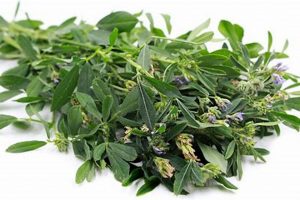
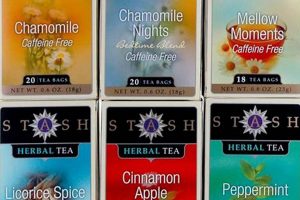
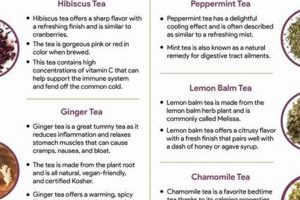
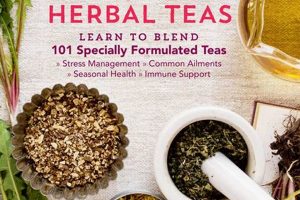
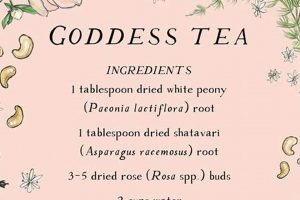
Plant-derived substances utilized for therapeutic purposes constitute a significant category within traditional and complementary medicine. These natural elements, often employed in teas, tinctures, or topical applications, are valued for their potential medicinal properties. For example, chamomile is frequently used to promote relaxation, while echinacea is sometimes taken to support immune function.
The incorporation of these substances into healthcare practices spans millennia, with records indicating their use in ancient civilizations across the globe. The benefits attributed to them range from alleviating minor ailments to supporting overall well-being. Historically, they served as primary treatments before the advent of modern pharmaceuticals and continue to hold cultural significance in various societies.
The following sections will delve into specific examples of these plant-based remedies, examining their purported uses, potential side effects, and the current state of scientific research supporting their efficacy. Attention will also be given to the importance of consulting with qualified healthcare professionals before incorporating them into any health regimen.
Guidance on Utilizing Plant-Derived Therapies
The following guidelines offer crucial considerations for individuals exploring the use of plant-derived therapeutic substances.
Tip 1: Prioritize Consultation with Healthcare Professionals: Before initiating any plant-based therapy, a consultation with a qualified medical practitioner is imperative. This ensures the therapy’s suitability for the individual’s specific health condition and minimizes the risk of adverse interactions with existing medications.
Tip 2: Thoroughly Research the Specific Plant: A comprehensive understanding of the plant’s properties, potential benefits, and possible side effects is crucial. Reputable sources, such as peer-reviewed scientific journals and established herbal medicine databases, should be consulted.
Tip 3: Verify the Source and Quality: Ensure that the plant-derived product originates from a reputable source with stringent quality control measures. Contamination or adulteration can compromise the product’s safety and efficacy.
Tip 4: Adhere to Recommended Dosages: Strictly adhere to the recommended dosage guidelines provided by a qualified herbalist or healthcare professional. Exceeding the recommended dosage may lead to adverse effects.
Tip 5: Monitor for Adverse Reactions: Vigilantly monitor for any signs of adverse reactions or allergic responses after initiating plant-based therapy. Discontinue use immediately and seek medical attention if such reactions occur.
Tip 6: Be Mindful of Potential Interactions: Be aware of potential interactions between plant-derived substances and pharmaceutical medications, as some substances can either enhance or diminish the effectiveness of prescribed drugs.
Tip 7: Consider Long-Term Use Implications: Assess the potential long-term implications of continuous use, particularly regarding potential toxicity or dependency. Regular monitoring by a healthcare professional is advisable for long-term use.
The effective and safe utilization of plant-derived remedies necessitates a comprehensive understanding of their properties, potential interactions, and quality control measures. Prioritizing consultation with healthcare experts is paramount to mitigate risks and maximize therapeutic benefits.
The subsequent section will address common misconceptions and provide further clarifications regarding the appropriate application of plant-based treatments.
1. Botanical Identification

Botanical identification forms the bedrock of responsible herbalism and the safe utilization of plant-derived remedies. Accurate identification ensures the intended species is employed, mitigating the risks associated with misidentification and potential substitution with toxic or ineffective plants. This rigorous process is vital in discerning the specific plant needed from the vast array of available flora.
- Nomenclature and Taxonomy
The use of standardized nomenclature, such as binomial nomenclature (Genus species), allows for unambiguous identification of plants across different regions and languages. Taxonomic classification places plants within a hierarchical system, reflecting evolutionary relationships and shared characteristics. Accurate classification provides critical information regarding a plant’s likely chemical constituents and potential therapeutic properties. For example, mistaking Digitalis purpurea (foxglove), a cardiac stimulant, for another plant could have severe consequences due to its potent cardiac glycosides.
- Morphological Characteristics
Detailed observation of morphological characteristics, including leaf shape, flower structure, stem characteristics, and root morphology, is a fundamental aspect of botanical identification. Field guides and botanical keys rely heavily on these features to differentiate between species. Microscopic examination of plant tissues can further aid identification, particularly in cases where macroscopic features are ambiguous. In the context of herbal remedies, distinguishing between different species of Arnica based on leaf morphology is critical, as their therapeutic efficacy may vary.
- Geographic Distribution and Habitat
Understanding the geographic distribution and preferred habitat of a plant can provide valuable clues to its identity. Specific plant species are often associated with particular ecological niches and geographical regions. Knowledge of these factors can help narrow down the possibilities when identifying a plant in the field. Furthermore, environmental conditions can influence a plant’s chemical composition, highlighting the importance of considering habitat when assessing its suitability for medicinal use. For instance, certain populations of Echinacea may exhibit higher concentrations of active compounds depending on their growing environment.
- Molecular Techniques
Advanced molecular techniques, such as DNA barcoding, offer a powerful tool for verifying the identity of plant samples, especially in cases where morphological features are insufficient or ambiguous. DNA barcoding involves sequencing specific regions of the plant’s DNA to generate a unique “barcode” that can be compared to reference databases. This technology is particularly useful for identifying processed herbal products or adulterated samples. The application of molecular techniques enhances the accuracy and reliability of botanical identification in the context of herbal medicine.
The connection between accurate botanical identification and the safe use of plant-derived substances cannot be overstated. Correct identification, achieved through a combination of traditional morphological assessment, knowledge of geographical distribution, and application of modern molecular techniques, is essential for ensuring the efficacy and safety of plant-based remedies, allowing users to harness the potential benefits while minimizing the risks associated with misidentification or adulteration. Ultimately, a rigorous botanical identification process underpins the responsible practice of herbalism, providing a foundation for informed decision-making regarding the selection and utilization of plants for therapeutic purposes.
2. Chemical Composition

The chemical composition of plant-derived remedies dictates their therapeutic potential and pharmacological activity. Understanding the specific constituents present within a plant is crucial for predicting its effects, identifying potential interactions, and ensuring safe usage. The complexity of plant chemistry necessitates a detailed examination of various active and inactive compounds.
- Active Constituents: Alkaloids, Flavonoids, and Terpenoids
Active constituents encompass a diverse array of chemical compounds responsible for a plant’s medicinal effects. Alkaloids, such as morphine from Papaver somniferum (opium poppy), can exert potent analgesic effects. Flavonoids, found in many fruits and vegetables, possess antioxidant and anti-inflammatory properties. Terpenoids, including menthol from Mentha species (mint), exhibit a wide range of activities, including antiseptic and expectorant effects. These compounds interact with biological systems to produce specific physiological responses. For example, the presence of silymarin, a flavonoid complex in Silybum marianum (milk thistle), is associated with hepatoprotective effects.
- Inactive Constituents: Their Influence on Bioavailability
While not directly responsible for therapeutic effects, inactive constituents play a crucial role in modulating the bioavailability and stability of active compounds. These substances, such as tannins and polysaccharides, can influence the absorption, distribution, metabolism, and excretion (ADME) of active constituents. For example, the presence of certain polysaccharides in Aloe vera can enhance the absorption of other compounds, while tannins may reduce bioavailability due to complex formation. Understanding the role of inactive constituents is essential for optimizing the therapeutic efficacy of plant-derived remedies.
- Quantitative and Qualitative Analysis: Ensuring Standardization
Quantitative analysis determines the concentration of specific compounds within a plant extract, while qualitative analysis identifies the presence of various constituents. These analytical techniques are essential for standardizing herbal preparations and ensuring consistent therapeutic effects. Standardization involves adjusting the concentration of key active constituents to a defined level, thereby reducing batch-to-batch variability. High-performance liquid chromatography (HPLC) and gas chromatography-mass spectrometry (GC-MS) are commonly employed for quantitative and qualitative analysis. For instance, ginseng extracts are often standardized based on their ginsenoside content.
- Factors Influencing Chemical Composition: Environment and Genetics
The chemical composition of a plant is influenced by a complex interplay of environmental and genetic factors. Environmental factors, such as soil composition, climate, and altitude, can significantly impact the production of secondary metabolites. Genetic variation within a plant species can also lead to differences in chemical composition. For example, plants grown in nutrient-poor soils may exhibit higher concentrations of certain defensive compounds. Understanding these factors is crucial for sourcing high-quality plant material and predicting the potential effects of plant-derived remedies. Sustainable harvesting practices and cultivation techniques can also help preserve the genetic diversity and chemical integrity of medicinal plants.
In summary, the chemical composition of plant-derived remedies is a complex and critical aspect of their therapeutic potential. The presence of active constituents, the influence of inactive compounds, the importance of standardization, and the impact of environmental and genetic factors all contribute to the overall efficacy and safety of herbal preparations. A thorough understanding of these elements enables informed decision-making and responsible utilization of plant-based therapies.
3. Traditional Use
Traditional use provides a foundational context for understanding the application of plant-derived remedies. The prolonged observation of plant effects within indigenous and historical medical systems forms a basis for modern herbalism. The cumulative experiences of these systems, spanning generations, yield valuable insights into appropriate applications, effective dosages, and potential adverse reactions. For example, the traditional use of Salix alba (willow bark) for pain relief led to the isolation of salicylic acid, a precursor to aspirin. The historical record thus provides a starting point for scientific investigation and validation.
The application of traditional knowledge, however, requires careful consideration. While historical use can suggest potential therapeutic benefits, it does not constitute definitive proof of efficacy or safety. Modern scientific methodologies are essential for confirming traditional claims and identifying active constituents responsible for observed effects. Furthermore, traditional preparations and dosages may not always align with contemporary standards or regulatory requirements. For example, certain traditional herbal preparations may contain heavy metals or other contaminants, necessitating thorough quality control measures. The integration of traditional knowledge with scientific rigor is crucial for the responsible development and utilization of plant-based therapies.
In summary, traditional use serves as a valuable guide for exploring the therapeutic potential of plant-derived substances. It provides historical context, suggests potential applications, and informs scientific investigation. However, it must be integrated with modern scientific methodologies and rigorous quality control measures to ensure the safety and efficacy of herbal remedies. The careful consideration of traditional use, coupled with scientific validation, forms the basis for responsible and evidence-based herbalism.
4. Preparation Methods

The effectiveness and safety of plant-derived remedies are significantly influenced by preparation methods. The process by which plant material is transformed into a usable form directly impacts the extraction of active constituents, the concentration of therapeutic compounds, and the potential introduction of contaminants. For example, improper drying techniques can lead to mold growth, rendering the herbal material unusable or even harmful. The selection of appropriate preparation methods is, therefore, integral to harnessing the therapeutic potential of plant-based substances.
Different preparation methods are suited to different plant parts and desired outcomes. Infusions, typically used for delicate plant parts like flowers and leaves, involve steeping the material in hot water to extract water-soluble compounds. Decoctions, on the other hand, are suitable for tougher materials like roots and barks, requiring simmering in water for extended periods to release their constituents. Tinctures, created by macerating plant material in alcohol, offer a longer shelf life and can extract a broader range of compounds, including resins and oils. Each method has its own advantages and disadvantages in terms of extraction efficiency, compound stability, and ease of use. Furthermore, traditional preparation methods often involve specific techniques, such as fermentation or distillation, to enhance therapeutic properties or reduce toxicity. The skillful application of these methods is paramount.
Ultimately, the choice of preparation method must be guided by a thorough understanding of the plant’s chemical composition, the desired therapeutic effect, and the potential for degradation or contamination. The proper preparation of plant-derived remedies is not merely a mechanical process; it requires knowledge, skill, and attention to detail. Effective preparation methods transform raw plant material into potent and safe therapeutic agents, while improper methods can negate the benefits or even pose risks. The selection and execution of preparation methods thus represents a crucial component in the responsible and effective use of plant-derived substances.
5. Potential Effects
The potential effects of plant-derived substances are a critical consideration in their utilization, encompassing both therapeutic benefits and possible adverse reactions. Understanding these effects is paramount for safe and effective application.
- Therapeutic Actions and Mechanisms
Plant-derived remedies exert their therapeutic effects through various mechanisms of action. Certain compounds may directly interact with specific receptors in the body, while others modulate enzymatic activity or influence cellular signaling pathways. For example, the anti-inflammatory effects of Curcuma longa (turmeric) are attributed to curcumin’s ability to inhibit inflammatory mediators. A clear understanding of these mechanisms is essential for rational application.
- Dosage and Bioavailability Considerations
Dosage significantly influences the magnitude and nature of the therapeutic effect. Insufficient dosages may fail to elicit the desired response, while excessive dosages can increase the risk of adverse reactions. Bioavailability, the extent to which a compound is absorbed and available at the site of action, also plays a crucial role. Factors such as formulation, route of administration, and individual patient characteristics can affect bioavailability. Careful titration of dosage and consideration of bioavailability are critical for optimizing therapeutic outcomes.
- Adverse Reactions and Contraindications
Plant-derived substances can elicit adverse reactions, ranging from mild side effects to severe allergic responses. Certain compounds may interact with pharmaceutical medications or exacerbate pre-existing medical conditions. Contraindications, specific situations in which a particular remedy should not be used, must be carefully considered. For example, Hypericum perforatum (St. John’s Wort) is contraindicated in individuals taking certain antidepressants due to potential interactions. A thorough evaluation of potential risks is essential.
- Long-Term Effects and Toxicity
The long-term effects of prolonged use of plant-derived substances are often less well-studied than their short-term effects. Chronic exposure to certain compounds can lead to cumulative toxicity or unexpected side effects. Hepatotoxicity and nephrotoxicity are potential concerns with some herbal remedies. Ongoing monitoring and assessment are necessary to identify and manage any long-term risks associated with plant-based therapies.
In summary, the potential effects of plant-derived remedies represent a complex interplay of therapeutic actions, dosage considerations, adverse reactions, and long-term consequences. A comprehensive understanding of these factors is essential for informed decision-making and the responsible utilization of plant-based therapies.
Frequently Asked Questions About Plant-Derived Therapies
The following questions address common inquiries regarding the use of plant-derived substances for therapeutic purposes. The information provided is intended for general knowledge and does not constitute medical advice. Consultation with a qualified healthcare professional is always recommended before initiating any new treatment.
Question 1: What constitutes a “plant-derived” remedy?
A plant-derived remedy is any therapeutic substance obtained directly from a plant, or chemically derived from a plant constituent. These remedies may consist of whole plant parts, extracts, or isolated compounds. Examples include herbal teas, tinctures, essential oils, and purified pharmaceutical drugs originating from plant sources.
Question 2: Are plant-derived therapies inherently safer than conventional medications?
The assumption that plant-derived therapies are inherently safer than conventional medications is inaccurate. While many plant-derived substances possess beneficial properties, they also carry the potential for adverse reactions and interactions with other medications. The safety of any therapeutic substance depends on factors such as dosage, individual sensitivity, and pre-existing medical conditions. Scientific evaluation and responsible usage are essential for both plant-derived and conventional treatments.
Question 3: How are plant-derived remedies regulated?
The regulation of plant-derived remedies varies significantly across different countries and regions. Some jurisdictions regulate these substances as dietary supplements, while others classify them as drugs, requiring more stringent testing and approval processes. Consumers should be aware of the regulatory status of plant-derived products in their respective locations and seek products from reputable manufacturers with established quality control measures.
Question 4: Can plant-derived therapies interact with prescription medications?
Yes, plant-derived therapies can interact with prescription medications. Certain plant constituents can either enhance or diminish the effects of pharmaceutical drugs, potentially leading to adverse outcomes. For example, St. John’s Wort can interfere with the metabolism of several medications, including antidepressants and oral contraceptives. Open communication with healthcare providers regarding the use of all substances, including plant-derived remedies, is crucial to avoid potential drug interactions.
Question 5: How can consumers ensure the quality of plant-derived products?
Consumers can take several steps to ensure the quality of plant-derived products. These include purchasing products from reputable manufacturers, verifying third-party certifications, reviewing product labels for detailed ingredient information, and consulting with qualified herbalists or healthcare professionals. Furthermore, consumers should be wary of products making unsubstantiated health claims or lacking proper labeling.
Question 6: What role does scientific research play in evaluating plant-derived therapies?
Scientific research plays a crucial role in evaluating the efficacy and safety of plant-derived therapies. Clinical trials, in vitro studies, and animal models are used to investigate the mechanisms of action, potential benefits, and possible risks associated with plant-derived substances. While traditional use provides valuable insights, scientific validation is essential for establishing the evidence base supporting the use of these therapies. The integration of traditional knowledge with scientific rigor promotes responsible and effective application.
The responsible use of plant-derived therapies requires informed decision-making, a thorough understanding of potential risks and benefits, and open communication with healthcare providers. Scientific validation and adherence to quality control standards are essential for ensuring the safety and efficacy of plant-based remedies.
The following section will address the future trends and advancements in the field of plant-derived therapies.
Conclusion
This exploration of plant-derived substances has illuminated the complexities inherent in their use. Botanical identification, chemical composition analysis, traditional usage precedents, and appropriate preparation methods all contribute significantly to the potential for both therapeutic benefit and harm. Accurate knowledge and careful consideration of potential effects, including adverse reactions and long-term consequences, are essential for responsible application.
The future of plant-based therapies hinges on continued scientific investigation, rigorous quality control standards, and informed communication between healthcare providers and patients. The pursuit of evidence-based practices within this field demands a critical evaluation of traditional claims and a commitment to ensuring the safety and efficacy of all plant-derived remedies. Vigilance and ongoing research are paramount to maximizing the potential benefits while mitigating inherent risks.