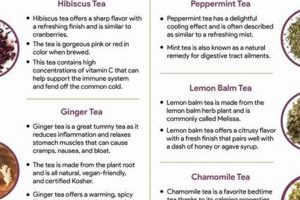
The concept encompasses a holistic approach to personal well-being, leveraging herbal remedies to address internal conflicts and imbalances. It integrates traditional herbalism with psychological and emotional self-assessment, aiming to foster inner harmony and resilience. For instance, anxiety might be addressed with calming herbs like chamomile, while simultaneously exploring the root causes of the anxiety through self-reflection practices.
This approach holds significant value as it acknowledges the interconnectedness of the mind, body, and spirit in health and healing. Historically, many traditional healing systems recognized this interplay, using plant-based medicines not only for physical ailments but also for emotional and mental support. Its benefits extend beyond symptom management, fostering long-term well-being through self-awareness and proactive self-care.
The following discussion will delve into specific herbal protocols relevant to addressing common internal struggles, techniques for self-assessment to identify underlying imbalances, and considerations for safe and effective herbal use within this holistic framework.
Herbalism for Inner Harmony
The utilization of herbal remedies to navigate internal discord necessitates a thoughtful and informed approach. The following guidance aims to provide practical insights for those seeking to employ herbalism as a tool for self-understanding and personal growth.
Tip 1: Begin with Self-Assessment. Before introducing any herbal remedy, dedicate time to introspective reflection. Identify the specific emotional or mental state requiring support. Journaling, meditation, or mindfulness practices can facilitate this process.
Tip 2: Prioritize Single Herbs. When initiating herbal interventions, favor using single herbs over complex formulations. This approach allows for clear identification of individual plant effects and minimizes potential adverse reactions.
Tip 3: Research Herbal Actions and Energetics. Understand the properties of each herb being considered. Herbal texts and reputable online resources provide information on the traditional uses, energetic qualities (warming, cooling, drying, etc.), and known pharmacological actions of various plants.
Tip 4: Start with Low Dosages. Begin with the lowest recommended dosage and gradually increase as needed, carefully monitoring for any adverse effects or therapeutic benefits. Pay close attention to individual responses, as sensitivity to herbal constituents can vary.
Tip 5: Consider Herbal Preparation Methods. Different preparation methods, such as teas, tinctures, or capsules, affect the bioavailability and potency of herbal constituents. Select the method most appropriate for the specific herb and desired effect.
Tip 6: Integrate Lifestyle Factors. Herbal interventions are most effective when combined with supportive lifestyle practices. These include a balanced diet, regular exercise, sufficient sleep, and stress management techniques.
Tip 7: Seek Professional Guidance. For complex conditions or when using potent herbs, consultation with a qualified herbalist or healthcare practitioner is strongly recommended. Professional guidance ensures safe and effective application of herbal remedies.
The prudent application of these guidelines facilitates a more conscious and effective integration of herbal remedies in the pursuit of inner harmony. It emphasizes self-awareness, informed decision-making, and a holistic approach to well-being.
The subsequent sections of this discussion will address specific herbal allies for common emotional and mental states, providing further context for informed self-application.
1. Emotional Root Cause

The identification of the emotional root cause is paramount to effective application of herbal interventions in the context of internal conflicts. This component addresses the fundamental source of imbalance, rather than merely suppressing superficial symptoms. The internal conflicts often manifest as anxiety, depression, or chronic stress are frequently rooted in unresolved emotional experiences, trauma, or maladaptive thought patterns.
Ignoring the emotional root cause and solely relying on herbal remedies for symptom relief can result in temporary or incomplete resolution. Consider the example of chronic anxiety stemming from unresolved grief. While calming herbs like lavender may alleviate the immediate symptoms of anxiety, they will not address the underlying grief process. Consequently, the anxiety may persist or return, indicating a deeper emotional need for processing and resolution. An herbal approach incorporating nervines such as skullcap alongside therapeutic practices, such as counseling, would be a more comprehensive and effective strategy.
Understanding the emotional root cause guides the selection of herbs with properties that support emotional processing and healing. Certain herbs possess adaptogenic qualities, enhancing resilience to stress, while others offer nervine support, calming the nervous system and promoting relaxation. The synergy of these approaches, when coupled with focused emotional work, optimizes the potential for long-term well-being and internal balance. Failing to address this fundamental aspect will render any approach incomplete.
2. Herb Energetics Matching

Herb Energetics Matching forms a crucial component within a framework that seeks to address inner imbalances through herbal remedies. This facet emphasizes the importance of selecting herbs based on their energetic properties to align with the individual’s specific constitution and the nature of their internal discord.
- Balancing Hot and Cold States
Traditional herbal systems categorize herbs according to their energetic qualities, such as warming, cooling, drying, or moistening. Imbalances, such as inflammation (considered a “hot” state), may benefit from cooling herbs like mint or cucumber. Conversely, sluggishness (a “cold” state) may be addressed with warming herbs like ginger or cinnamon. The selection of herbs must correspond with the specific energetic state of the individual to restore equilibrium.
- Addressing Dampness and Dryness
The concept of dampness refers to an excess of fluids or stagnation within the body, often manifesting as congestion or sluggishness. Herbs with drying properties, such as dandelion leaf or juniper berries, may be employed to alleviate dampness. Dryness, characterized by dehydration and lack of lubrication, may be addressed with moistening herbs such as marshmallow root or aloe vera. This balancing act is important to restoring the body to normal.
- Constitution-Specific Considerations
Individual constitutions, often categorized according to elements or body types within traditional healing systems, exhibit inherent energetic tendencies. A person with a naturally “cold” constitution may require consistently warmer herbs, while someone with a “hot” constitution may benefit from cooling herbs. Constitution-specific considerations ensure personalized application of herbal remedies.
- Dynamic Adjustment Based on Feedback
Energetic matching is not a static process but requires continuous monitoring and adjustment. An individual may initially require cooling herbs but, over time, exhibit signs of excessive coolness, necessitating a shift toward warming herbs. Attentive self-observation and adaptation are essential for optimal outcomes.
The appropriate matching of herbal energetics with individual constitutions and imbalances creates a personalized and effective approach to restoring inner harmony. Failure to consider energetic properties may lead to ineffective or even counterproductive outcomes within the quest for a “war within herbalism guide” to self-understanding.
3. Dosage Precision

Dosage precision constitutes a critical factor in the effective application of herbal remedies aimed at addressing internal discord. Imprecise dosing can render treatments ineffective or, conversely, introduce adverse effects that exacerbate internal imbalances. Dosage must be aligned with both the individual’s physiological characteristics and the specific properties of the herb.
- Individual Variability
Physiological factors such as age, weight, metabolism, and overall health status significantly influence the body’s response to herbal constituents. Children, the elderly, and individuals with compromised liver or kidney function may require lower dosages to avoid toxicity. Therefore, a standardized dosage regime is often inappropriate and should be adjusted according to individual constitution and condition.
- Potency of Herbal Preparations
The potency of an herbal preparation varies based on factors such as plant quality, harvesting methods, and preparation techniques. Tinctures, for example, typically exhibit greater concentration than infusions, necessitating smaller dosages to achieve the desired therapeutic effect. Accurate dosage requires consideration of the preparation method and standardization of herbal extracts.
- Monitoring for Therapeutic Effect
Effective dosage precision relies on vigilant monitoring of the individual’s response to herbal treatment. Dosage adjustments should be guided by observable therapeutic effects and any indications of adverse reactions. A gradual titration approach, starting with low dosages and incrementally increasing until the desired effect is achieved, is often recommended.
- Interactions with Medications
Herbal remedies can interact with pharmaceutical medications, potentially altering their efficacy or increasing the risk of adverse effects. Careful assessment of potential drug-herb interactions is essential for ensuring safe and effective dosage. Consultation with a qualified healthcare professional or herbalist is recommended, particularly for individuals taking prescription medications.
Dosage precision, therefore, demands a nuanced understanding of individual physiology, herbal potency, and potential interactions. When properly executed, precise dosing maximizes therapeutic benefits while minimizing the risk of adverse effects, contributing to a more effective and safer approach to resolving internal conflicts through herbalism. It emphasizes thoughtful practice and careful monitoring rather than an arbitrary standard. It ultimately reinforces an active and intentional healing process.
4. Preparation Method

The preparation method employed significantly influences the therapeutic potential of herbs utilized to address internal conflicts. Variations in preparation affect the extraction of active compounds, bioavailability, and overall efficacy. Thus, selection of an appropriate preparation method is critical to the successful integration of herbs in managing inner turmoil.
- Aqueous Extraction (Teas/Infusions)
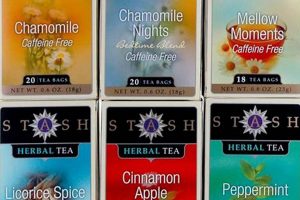
Teas, or infusions, involve steeping herbs in hot water to extract water-soluble compounds. This method is suitable for delicate herbs such as chamomile and lemon balm, commonly used for calming nervous tension. However, it may not effectively extract non-polar constituents, limiting its utility for herbs requiring stronger solvents for optimal extraction. Infusions provide a milder, readily accessible approach, suitable for daily support in managing stress or mild anxiety.
- Alcoholic Extraction (Tinctures)
Tinctures involve macerating herbs in alcohol to extract both water- and alcohol-soluble compounds. This method yields a more concentrated extract compared to teas, suitable for potent herbs like valerian or skullcap, used for sleep disorders or severe anxiety. The alcohol acts as a preservative, extending the shelf life of the extract. Tinctures offer a convenient, concentrated dosage form, allowing for precise control over herbal intake.
- Oil Infusions
Oil infusions involve steeping herbs in a carrier oil to extract lipophilic (oil-soluble) compounds. This method is particularly suitable for topical applications and for extracting compounds like those found in St. John’s Wort, often used to address mild depression or nerve pain. The oil acts as a vehicle for delivering the herbal constituents directly to the skin or for internal consumption, offering a gentler, slower-release effect compared to alcoholic extracts.
- Encapsulation (Powdered Herbs)
Encapsulation involves filling capsules with powdered herbs. This method provides a convenient way to consume herbs with unpleasant tastes or textures, such as turmeric or ashwagandha. Encapsulation allows for precise dosage control and can improve patient compliance. However, it may result in slower absorption compared to liquid extracts, as the capsule must first dissolve before the herb can be absorbed into the bloodstream.
The choice of preparation method should be guided by the properties of the herb, the desired therapeutic effect, and individual preferences. Incorrect preparation can lead to suboptimal extraction of active compounds, reduced efficacy, or even adverse effects. Therefore, understanding the nuances of each preparation method is essential for maximizing the benefits of herbal remedies in the pursuit of inner peace.
5. Lifestyle Integration

The effectiveness of herbal interventions, as outlined in any “war within herbalism guide,” is inextricably linked to the integration of supportive lifestyle practices. Herbal remedies, while possessing inherent therapeutic properties, function most optimally when complemented by a holistic approach encompassing dietary modifications, physical activity, stress management techniques, and adequate sleep hygiene. Failure to incorporate these elements can diminish the efficacy of herbal treatments and impede progress toward inner equilibrium.
Consider, for example, the use of adaptogenic herbs, such as ashwagandha, to mitigate the effects of chronic stress. While ashwagandha may help to modulate the stress response and reduce cortisol levels, its benefits are significantly curtailed if the individual continues to engage in consistently high-stress behaviors, maintains an erratic sleep schedule, or consumes a diet rich in processed foods. Conversely, the adoption of mindfulness practices, regular exercise, and a balanced diet rich in whole foods can amplify the adaptogenic effects of ashwagandha, fostering greater resilience and promoting long-term well-being. The importance of a supportive lifestyle cannot be overstated; it provides the foundational support upon which herbal remedies can exert their full therapeutic potential.
In conclusion, lifestyle integration constitutes a non-negotiable component of any comprehensive “war within herbalism guide.” It is not merely an adjunct to herbal treatments but rather an essential element that dictates their ultimate success. The synergistic interplay between herbal remedies and supportive lifestyle practices offers a powerful pathway toward sustainable well-being and the resolution of internal conflicts. A truly effective approach acknowledges the indivisible nature of the mind, body, and spirit, promoting healing across all dimensions of human experience.
6. Professional Oversight

Professional oversight represents a critical element within the responsible application of herbalism for addressing internal conflict. The guidance provided within a “war within herbalism guide” should underscore the limitations of self-treatment and the necessity of expert consultation in certain circumstances.
- Complex Health Conditions
Individuals with pre-existing health conditions, such as cardiovascular disease, diabetes, or autoimmune disorders, require professional medical oversight when utilizing herbal remedies. Certain herbs may interact with conventional medications or exacerbate underlying health problems. A qualified healthcare provider can assess potential risks and ensure the safe integration of herbal therapies within a comprehensive treatment plan. Failing to obtain such oversight can lead to adverse health outcomes and compromise overall well-being.
- Potent Herbal Substances
Certain herbal substances possess a high degree of pharmacological activity and require careful handling and dosage precision. Herbs such as St. John’s Wort, valerian, and kava can interact with prescription medications and have the potential for adverse side effects if used inappropriately. Professional guidance ensures the safe and effective utilization of these potent herbal remedies, minimizing the risk of harm and maximizing therapeutic benefits.
- Unclear or Worsening Symptoms
When individuals experience unclear or worsening symptoms despite the implementation of self-guided herbal interventions, professional medical evaluation becomes essential. The persistence or exacerbation of symptoms may indicate an underlying medical condition requiring conventional treatment. Professional oversight facilitates accurate diagnosis and the development of an appropriate treatment plan, preventing delays in necessary medical care.
- Pregnancy and Lactation
The use of herbal remedies during pregnancy and lactation requires careful consideration and professional oversight. Many herbs have not been adequately studied for safety during these periods, and some may pose a risk to the developing fetus or nursing infant. A qualified healthcare provider can assess the potential risks and benefits of herbal use during pregnancy and lactation, providing guidance on safe and appropriate options.
The integration of professional oversight into the framework of a “war within herbalism guide” promotes responsible self-care practices and minimizes the potential for adverse outcomes. It emphasizes the importance of seeking expert guidance when navigating complex health challenges and utilizing potent herbal substances, ensuring that herbalism is practiced safely and effectively within the context of individual health needs.
7. Mindful Observation

The successful navigation of inner conflict through herbalism hinges significantly on mindful observation. It provides a feedback loop, allowing for adjustment and refinement of the herbal regimen. “war within herbalism guide” emphasizes self-awareness, mindful observation constitutes a crucial skill in discerning subtle shifts in physical, emotional, and mental states in response to herbal interventions.
Consider an individual employing chamomile tea to alleviate anxiety. Without mindful observation, one might only register a general sense of calmness. However, with focused attention, the individual may notice specific changes, such as a decrease in heart rate, a reduction in muscle tension, or an improved ability to focus. These detailed observations provide valuable data for optimizing dosage and timing. If, for example, an individual notes that chamomile induces excessive drowsiness, the dosage or time of administration can be adjusted accordingly. Conversely, if the calming effects are insufficient, the individual can explore complementary herbs or lifestyle modifications.
The integration of mindful observation into a “war within herbalism guide” promotes a more personalized and responsive approach to self-care. It fosters a deeper connection with one’s body and cultivates a sense of agency in the healing process. By attending to subtle cues and adjusting the herbal regimen accordingly, individuals can maximize the therapeutic benefits of herbalism while minimizing the risk of adverse effects. Ultimately, mindful observation transforms the practice of herbalism from a passive act of consumption to an active and intentional engagement with one’s own well-being.
Frequently Asked Questions
The following addresses common queries regarding the application of herbalism in addressing internal conflict. These responses aim to provide clarity and dispel potential misconceptions surrounding this approach to holistic well-being.
Question 1: Is “war within herbalism guide” a replacement for conventional medical or psychological treatment?
No. The framework should be considered a complementary approach to, rather than a substitute for, conventional medical or psychological treatment. Individuals experiencing severe mental health symptoms or physical ailments should seek professional medical care.
Question 2: Are herbal remedies universally safe for all individuals?
Herbal remedies are not universally safe. Individuals with allergies, pre-existing medical conditions, or those taking prescription medications should exercise caution and consult with a qualified healthcare professional before using herbal products.
Question 3: How long does it typically take to experience noticeable benefits from herbal interventions?
The timeline for experiencing noticeable benefits from herbal interventions varies depending on the individual, the specific herbs utilized, and the nature of the internal conflict being addressed. Some individuals may experience improvements within a few days or weeks, while others may require several months of consistent use to achieve significant results.
Question 4: Can herbal remedies effectively resolve deep-seated emotional trauma?
Herbal remedies can offer support in managing the symptoms associated with emotional trauma, but they are not a substitute for trauma-informed therapy. Herbal interventions should be integrated with professional counseling or psychotherapy to address the underlying causes of emotional trauma.
Question 5: Are there potential side effects associated with herbal remedies?
Yes, herbal remedies can have potential side effects. Some individuals may experience allergic reactions, digestive upset, or interactions with medications. It is crucial to research the potential side effects of any herb before use and to discontinue use if adverse reactions occur.
Question 6: Is it necessary to purchase expensive herbal products to achieve therapeutic benefits?
High-quality herbal products are recommended, but expensive products are not necessarily superior. Prioritize sourcing herbs from reputable suppliers and ensuring proper identification and preparation. Growing one’s own herbs, when feasible, can also be a cost-effective and sustainable approach.
The information provided in this section aims to foster informed decision-making and promote the safe and responsible integration of herbalism in addressing internal conflicts. It underscores the importance of individual assessment, professional guidance, and mindful observation in maximizing the therapeutic potential of herbal remedies.
The subsequent section will delve into case studies and real-world examples illustrating the application of the discussed principles.
Conclusion
This discourse has explored the framework that can address internal imbalances. Key aspects include identifying emotional root causes, matching herb energetics, precise dosage, appropriate preparation, lifestyle integration, professional oversight, and mindful observation. These elements collectively underscore a holistic approach to self-understanding and well-being.
The responsible and informed application of these principles can potentially offer a pathway toward resolving internal conflicts. It is imperative to recognize the limitations of self-treatment and the necessity of seeking professional guidance when appropriate. Continued exploration and rigorous research are warranted to further refine this approach and enhance its efficacy in promoting inner harmony.