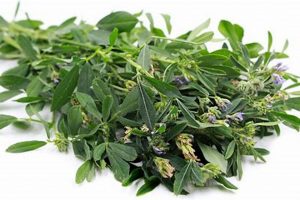
These are oral dosage forms containing extracts from the Valeriana officinalis plant, combined with other ingredients to form a solid, compressed tablet. The tablets are typically ingested to potentially promote relaxation and support sleep. They represent a convenient method of consuming the plant’s extract for those seeking its purported benefits.
The significance of preparations derived from Valeriana officinalis lies in its long-standing use in traditional medicine. Historical accounts suggest its utilization dating back centuries for addressing nervousness, restlessness, and insomnia. Contemporary use persists, often as an alternative or complementary approach to conventional sleep aids, appealing to individuals seeking natural options.
The following discussion will delve into the purported mechanisms of action, potential side effects, recommended dosages, and current scientific evidence surrounding the use of this specific herbal remedy.
Guidance on Utilizing Valerian Herbal Tablets
The following considerations should be carefully reviewed prior to and during the use of products containing valerian extract in tablet form. This information is intended to provide a framework for informed decision-making.
Tip 1: Initiate with Minimal Dosage: Adherence to the lowest effective dose is recommended, particularly during the initial stages of use. The dosage can be gradually increased, if necessary, contingent upon individual response and tolerability.
Tip 2: Administer Before Anticipated Sleep Onset: Optimal effectiveness is often achieved when the preparation is ingested approximately one to two hours prior to the desired bedtime. This allows sufficient time for the active compounds to exert their potential effects.
Tip 3: Maintain Consistent Usage Patterns: Establishing a regular pattern of administration can potentially enhance the overall benefits. Irregular or sporadic use may lead to inconsistent outcomes.
Tip 4: Exercise Caution When Combining with Other Substances: Concurrent use with alcohol, sedatives, or other medications possessing central nervous system depressant effects should be approached with extreme caution. Such combinations may potentiate sedative effects.
Tip 5: Monitor for Potential Adverse Reactions: Vigilant monitoring for any untoward effects, such as gastrointestinal disturbances, headaches, or paradoxical excitation, is crucial. Discontinue use and consult with a healthcare professional if any adverse reactions occur.
Tip 6: Consult a Healthcare Professional: Prior to initiating use, particularly in individuals with pre-existing medical conditions or those taking prescription medications, consultation with a qualified healthcare provider is essential. This ensures appropriate use and identifies potential drug interactions.
Tip 7: Assess Duration of Use: Prolonged, uninterrupted use is generally discouraged. Periodic reassessment of the need for continued administration is advisable. Short-term use is generally considered preferable.
These guidelines emphasize responsible utilization, informed decision-making, and the importance of professional guidance in the context of incorporating valerian herbal tablets into a wellness regimen.
Subsequent sections will explore contraindications and specific populations for whom these considerations are particularly relevant.
1. Sleep Quality Improvement

Sleep quality improvement is a primary motivator for individuals exploring Valeriana officinalis in tablet form. The expectation is that the herbal preparation will favorably influence sleep onset latency, sleep duration, or overall sleep architecture. The subjective perception of improved sleep often drives continued usage, although objective measures of sleep parameters are necessary for a complete assessment.
- Reduced Sleep Latency
Sleep latency, the time it takes to fall asleep, is a key target for Valeriana officinalis. It is hypothesized that compounds within the extract may interact with neurotransmitter systems to reduce the time required to initiate sleep. Individuals experiencing prolonged sleep latency may seek this herbal intervention to shorten the duration of wakefulness before sleep onset. Variability in individual responses to the intervention may affect the outcome.
- Enhanced Sleep Duration
Maintaining sufficient sleep duration is critical for optimal physiological functioning. Valeriana officinalis is sometimes utilized to prolong the total time spent asleep. This is especially relevant for individuals who experience frequent awakenings during the night or who consistently obtain insufficient hours of sleep. The effect on sleep duration can vary, and may be influenced by factors such as dosage and individual metabolism.
- Improved Sleep Architecture
Sleep architecture refers to the cyclical pattern of different sleep stages throughout the night. An optimal sleep architecture includes sufficient time spent in deep, restorative sleep stages. While evidence regarding the effects of Valeriana officinalis on specific sleep stages remains inconclusive, some users report a subjective improvement in sleep depth and quality, which may be related to alterations in sleep architecture. Objective polysomnographic studies are needed to further evaluate these effects.
- Diminished Nighttime Awakenings
Frequent awakenings during the night can disrupt sleep continuity and reduce overall sleep quality. Valeriana officinalis is sometimes used to minimize the frequency of nighttime awakenings. This potential benefit may be particularly relevant for individuals with conditions such as insomnia or restless legs syndrome, which are often associated with frequent arousals during sleep. The efficacy for reducing awakenings is not consistently demonstrated in clinical trials.
The reported benefits of Valeriana officinalis on sleep quality are multifaceted and can impact various aspects of the sleep experience. While subjective improvements are often reported, a comprehensive understanding requires integrating these perceptions with objective measurements of sleep parameters. Furthermore, it is important to note that individual responses can vary significantly, and the efficacy may depend on factors such as the specific product formulation, dosage, and individual physiological characteristics.
2. Relaxation Aid

The employment of Valeriana officinalis in tablet form as a relaxation aid stems from its purported ability to modulate physiological responses associated with stress and anxiety. The perceived calming effects contribute to its widespread use, particularly in situations where individuals seek to mitigate tension and promote a state of tranquility. The following outlines specific facets of this relaxation aid function.
- Anxiolytic Properties
The extract is believed to possess anxiolytic properties, which contribute to the reduction of anxiety symptoms. This effect is potentially mediated through interactions with the gamma-aminobutyric acid (GABA) neurotransmitter system, a primary inhibitory pathway in the brain. By modulating GABAergic activity, Valeriana officinalis may diminish neuronal excitability, thereby inducing a calming effect. Situations such as anticipatory anxiety or generalized anxiety symptoms may prompt its use.
- Muscle Relaxant Effects
Muscle tension frequently accompanies stress and anxiety. Valeriana officinalis has been suggested to exhibit muscle relaxant properties, potentially alleviating somatic symptoms associated with tension. This effect may be indirect, resulting from the overall reduction in anxiety levels, or it may involve a direct action on muscle tissue. Individuals experiencing muscle spasms or tension headaches may find it useful.
- Stress Response Modulation
The body’s response to stress involves a complex interplay of hormonal and neural pathways. Valeriana officinalis is thought to modulate this stress response by influencing the hypothalamic-pituitary-adrenal (HPA) axis. By attenuating the release of stress hormones, such as cortisol, it may contribute to a more balanced physiological state. This modulation may be beneficial in managing chronic stress or acute stressors.
- Sleep-Promoting Synergy
Relaxation and sleep are closely intertwined. The anxiety-reducing effects of Valeriana officinalis can indirectly promote improved sleep. By diminishing pre-sleep arousal and tension, it may facilitate the transition to sleep and enhance overall sleep quality. This synergistic effect is particularly relevant for individuals whose sleep disturbances are linked to anxiety or stress. It is often incorporated as a bedtime preparation to promote relaxation and initiate sleep.
The utilization of Valeriana officinalis as a relaxation aid is predicated on its multi-faceted actions that address both psychological and physiological aspects of stress and anxiety. The observed effects, however, can vary depending on individual factors and the specific product formulation. Clinical validation of these effects remains a subject of ongoing investigation.
3. Dosage Standardization

Dosage standardization represents a critical factor in the formulation and therapeutic application of Valeriana officinalis tablets. Ensuring consistent concentrations of active constituents across different production batches is essential for predictable and reliable clinical outcomes. Variability in dosage can lead to either sub-therapeutic effects or increased risk of adverse events. The following points elaborate on the key aspects of this standardization process.
- Active Constituent Identification
The primary step in dosage standardization involves identifying the key active constituents responsible for the therapeutic effects of Valeriana officinalis. While the exact compounds responsible remain a subject of ongoing research, valerenic acid and its derivatives are often used as marker compounds for standardization. Accurate identification requires sophisticated analytical techniques such as high-performance liquid chromatography (HPLC) or gas chromatography-mass spectrometry (GC-MS). The selection of appropriate marker compounds influences the accuracy of the standardization process.
- Quantitative Analysis Methods
Once the marker compounds are identified, validated quantitative analysis methods are necessary to determine their concentrations in the herbal extract. These methods must be precise, accurate, and reproducible to ensure reliable measurements. Reference standards of known purity are essential for calibrating the analytical instruments and ensuring the accuracy of the quantification. Inadequate analytical methods can compromise the validity of the dosage standardization process.
- Standardized Extraction Procedures
The extraction process used to obtain the herbal extract significantly impacts the concentration of active constituents. Standardized extraction procedures, including parameters such as solvent type, extraction time, and temperature, are necessary to ensure consistent extraction efficiency. Variations in these parameters can lead to significant differences in the composition of the final extract. Optimizing and controlling the extraction process is crucial for achieving dosage standardization.
- Batch-to-Batch Consistency
The ultimate goal of dosage standardization is to achieve batch-to-batch consistency in the final Valeriana officinalis tablet product. This requires rigorous quality control measures throughout the manufacturing process, including regular testing of raw materials, in-process samples, and finished products. Statistical process control (SPC) can be used to monitor and control variations in the manufacturing process. Failure to maintain batch-to-batch consistency can undermine the therapeutic value of the product.
The nuances of dosage standardization in Valeriana officinalis tablets extend beyond simple concentration measurements. It encompasses a holistic approach that integrates analytical chemistry, extraction technology, and quality control principles to deliver a product with consistent therapeutic properties. The lack of standardization can lead to unpredictable clinical outcomes, highlighting the importance of adhering to rigorous quality standards in the production of herbal medicines.
4. Safety Profile

The “Safety Profile” of Valeriana officinalis herbal tablets is a critical consideration in their use, encompassing potential adverse effects, contraindications, and interactions with other substances. A comprehensive understanding of this profile is essential for informed decision-making regarding their suitability for individual consumption.
- Common Adverse Effects
Frequently reported adverse effects associated with the ingestion of Valeriana officinalis tablets include gastrointestinal disturbances such as nausea, abdominal cramping, and diarrhea. Central nervous system effects, such as headache, dizziness, and drowsiness, have also been documented. Although generally mild and self-limiting, these effects should be carefully monitored. In rare cases, paradoxical excitation or anxiety may occur. Individuals with pre-existing gastrointestinal disorders or central nervous system sensitivities may be more susceptible to these adverse effects. Discontinuation of use typically resolves the symptoms.
- Contraindications and Precautions
Specific contraindications exist for the use of Valeriana officinalis tablets. Individuals with known hypersensitivity to valerian or any of its constituents should avoid their use. Due to limited safety data, caution is advised during pregnancy and lactation. The use of valerian tablets is generally not recommended in children without the guidance of a healthcare professional. Moreover, individuals with hepatic impairment should exercise caution, as valerian may potentially impact liver function. It is also essential to avoid operating heavy machinery or driving while experiencing the sedative effects of valerian.
- Drug Interactions
Potential drug interactions represent a significant aspect of the safety profile. Valeriana officinalis may potentiate the sedative effects of other central nervous system depressants, including alcohol, benzodiazepines, and barbiturates. Concurrent use of these substances should be approached with extreme caution. Furthermore, valerian may interact with certain anesthetics, potentially prolonging their effects. Individuals taking prescription medications should consult with a healthcare provider to assess potential drug interactions. Consideration should be given to medications metabolized by the cytochrome P450 enzyme system, as valerian may influence their metabolism.
- Long-Term Safety Data
Comprehensive long-term safety data regarding the chronic use of Valeriana officinalis tablets remains limited. While short-term studies generally indicate a favorable safety profile, the potential for cumulative effects or long-term adverse reactions requires further investigation. Caution is advised regarding prolonged, uninterrupted use. Periodic reassessment of the need for continued administration is prudent. Furthermore, monitoring for any emerging adverse effects is crucial during extended use.
In conclusion, the “Safety Profile” of Valeriana officinalis tablets necessitates a comprehensive understanding of potential adverse effects, contraindications, and drug interactions. Vigilant monitoring for adverse reactions, careful consideration of individual medical history, and consultation with a healthcare professional are paramount to ensure safe and appropriate utilization of this herbal remedy.
5. Potential Interactions

The co-administration of Valeriana officinalis tablets with other substances may result in clinically significant interactions, altering the pharmacological effects of either the herbal preparation or the concomitantly administered drug. These interactions arise due to various mechanisms, including pharmacodynamic synergism or antagonism, and pharmacokinetic alterations affecting absorption, distribution, metabolism, or excretion. The inherent complexity of herbal preparations, containing multiple active constituents, increases the potential for unforeseen interactions compared to single-molecule pharmaceuticals. For instance, the concurrent use of these tablets with benzodiazepines, both possessing sedative properties, can lead to an additive effect, resulting in excessive drowsiness, impaired motor function, and an elevated risk of falls, particularly in elderly populations. The recognition and management of potential interactions are critical for ensuring patient safety and optimizing therapeutic outcomes.
Understanding the pharmacokinetic interactions is crucial. Valeriana officinalis may influence the activity of cytochrome P450 (CYP) enzymes, a family of enzymes responsible for metabolizing numerous drugs. Although definitive data is limited, it is plausible that valerian constituents could either inhibit or induce certain CYP isoforms, leading to altered drug concentrations. As an example, if an individual taking warfarin, a CYP2C9 substrate, also consumes valerian tablets that inhibit CYP2C9, warfarin’s metabolism may be reduced, resulting in elevated warfarin levels and an increased risk of bleeding complications. Conversely, the co-administration of valerian with drugs requiring CYP activation for their therapeutic effect could lead to diminished drug efficacy. Detailed interaction studies are warranted to delineate the precise effects of Valeriana officinalis on CYP enzyme activity and subsequent clinical implications. Moreover, interactions with herbal remedies are also possible. The combined use of valerian with other sedative herbs, such as chamomile or kava, might potentiate sedative effects.
In summary, the potential for interactions between Valeriana officinalis tablets and other medications or herbal remedies necessitates careful consideration. The impact of these interactions can range from mild to severe, influencing both efficacy and safety. Healthcare providers should obtain a comprehensive medication history, including the use of herbal supplements, from patients considering valerian therapy. Furthermore, heightened vigilance for adverse effects and appropriate monitoring of drug levels, where feasible, are essential for mitigating risks associated with potential interactions. Further research is required to fully elucidate the interaction profile of Valeriana officinalis and to establish evidence-based guidelines for its safe and effective co-administration with other substances.
6. Manufacturing Quality
The manufacturing quality of Valeriana officinalis tablets directly influences their safety, efficacy, and overall therapeutic value. Adherence to stringent quality control measures throughout the manufacturing process is paramount to ensure that the final product meets established standards and specifications. Deviations from these standards can lead to inconsistencies in potency, contamination, and compromised patient safety.
- Raw Material Sourcing and Authentication
The quality of Valeriana officinalis tablets begins with the selection and authentication of raw materials. The plant material must be sourced from reputable suppliers and subjected to rigorous testing to verify its identity and purity. Adulteration with other plant species or the presence of contaminants, such as heavy metals or pesticides, can significantly impact the safety and efficacy of the final product. Proper authentication procedures, including macroscopic and microscopic examination, as well as chemical fingerprinting, are essential to ensure the authenticity of the raw material. Furthermore, sustainable harvesting practices are important to maintain the long-term availability and quality of the plant material.
- Extraction and Processing Methods
The extraction and processing methods employed to obtain the active constituents from Valeriana officinalis significantly influence the composition and potency of the final extract. The choice of solvent, extraction time, temperature, and other parameters can impact the extraction efficiency and the selectivity for specific compounds. Standardized extraction procedures are necessary to ensure consistent extraction efficiency and to minimize the degradation of sensitive compounds. Improper extraction techniques can lead to reduced potency or the presence of unwanted byproducts. The use of appropriate purification and concentration techniques is also crucial to obtain a high-quality extract that meets established specifications.
- Formulation and Tablet Manufacturing
The formulation of Valeriana officinalis tablets involves the incorporation of the herbal extract into a suitable dosage form that ensures stability, bioavailability, and ease of administration. Excipients, such as binders, fillers, and disintegrants, are carefully selected to optimize the tablet’s physical properties and dissolution characteristics. The manufacturing process, including blending, granulation, tableting, and coating, must be tightly controlled to ensure uniform tablet weight, hardness, and content uniformity. Inadequate formulation or manufacturing practices can lead to variations in tablet potency, dissolution rate, and bioavailability, potentially affecting the therapeutic efficacy of the product.
- Quality Control Testing and Assurance
Comprehensive quality control testing is essential throughout the manufacturing process to ensure that Valeriana officinalis tablets meet established standards for identity, purity, potency, and quality. This includes testing of raw materials, in-process samples, and finished products using validated analytical methods. Key quality control parameters include assay of active constituents, determination of heavy metals and pesticide residues, microbial testing, and assessment of tablet disintegration and dissolution. Adherence to Good Manufacturing Practices (GMP) is crucial to ensure the reliability and integrity of the quality control testing process. Failure to implement robust quality control measures can result in the release of substandard products that pose a risk to patient safety.
In conclusion, the manufacturing quality of Valeriana officinalis tablets is a multi-faceted issue that encompasses raw material sourcing, extraction and processing methods, formulation, and quality control testing. Adherence to stringent quality control measures throughout the manufacturing process is essential to ensure that the final product meets established standards and provides consistent therapeutic benefits. Consumers should seek products from reputable manufacturers that adhere to GMP standards and provide comprehensive quality control documentation. Prioritizing manufacturing quality ultimately contributes to enhanced patient safety and improved clinical outcomes.
Frequently Asked Questions
The following section addresses common inquiries regarding the nature, usage, and safety of preparations containing Valeriana officinalis extract in tablet form. The information presented is intended to provide clarity and promote informed decision-making.
Question 1: What constitutes a Valeriana officinalis herbal tablet?
These tablets are solid dosage forms containing a standardized extract derived from the root of the Valeriana officinalis plant, combined with pharmaceutical excipients to facilitate tableting and ensure stability. The extract is typically standardized to a specific concentration of valerenic acids, the purported active constituents.
Question 2: What is the intended purpose of ingesting these tablets?
The primary indication for consumption is to promote relaxation and support sleep. The tablets are often utilized as a natural alternative to conventional sleep aids, particularly by individuals experiencing mild to moderate sleep disturbances, or those seeking to alleviate anxiety.
Question 3: What is the generally recommended dosage?
Dosage recommendations vary depending on the specific product and the individual’s response. Typically, a dose of 300-600 mg of valerian extract is administered 30-60 minutes prior to bedtime. Adherence to the manufacturer’s instructions and consultation with a healthcare professional are advised.
Question 4: Are there potential adverse effects associated with consumption?
Commonly reported adverse effects include gastrointestinal disturbances, such as nausea and abdominal cramping, as well as central nervous system effects, such as headache and dizziness. Although generally mild, these effects warrant careful monitoring. Rarely, paradoxical excitation may occur.
Question 5: Are there any contraindications to the utilization of these tablets?
Contraindications include known hypersensitivity to valerian or any of the tablet’s constituents. Caution is advised during pregnancy and lactation due to limited safety data. Concomitant use with other central nervous system depressants should be approached with caution due to the potential for additive sedative effects.
Question 6: How does storage environment effects product?
To maintain stability and potency, Valeriana officinalis herbal tablets should be stored in a cool, dry place, away from direct sunlight and moisture. Exposure to heat or humidity can accelerate degradation of the active constituents and reduce product effectiveness.
The preceding responses provide a concise overview of key considerations pertaining to Valeriana officinalis herbal tablets. However, this information is not intended as a substitute for professional medical advice.
The following section will address regulatory oversight and quality control measures associated with the production and distribution of these herbal products.
Conclusion
The exploration of Valeriana officinalis herbal tablets reveals a complex interplay of traditional use, purported mechanisms, and ongoing scientific scrutiny. Aspects related to sleep, relaxation, standardization, safety, potential interactions, and manufacturing quality must be carefully considered. Though widely available and often perceived as a natural remedy, thorough understanding is crucial for responsible use.
Ongoing research is essential to clarify the benefits, risks, and optimal application of Valeriana officinalis preparations. Evidence-based guidance will contribute to informed decision-making by both consumers and healthcare professionals. A commitment to quality control and rigorous scientific investigation remains paramount to ensure the safe and effective use of this herbal product.