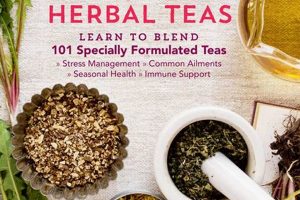
Certain botanical infusions can offer relief from abdominal distension. These beverages, prepared by steeping various dried plants in hot water, are consumed for their purported therapeutic effects on the digestive system. A common application is the alleviation of discomfort associated with a feeling of fullness and trapped gas in the gastrointestinal tract.
The consumption of specific plant-based brews to soothe digestive issues has a long history across various cultures. The perceived advantages stem from the natural compounds present in the herbs, which are thought to possess carminative, anti-inflammatory, or antispasmodic properties. These characteristics may contribute to a reduction in gas production, a calming of intestinal muscles, and a decrease in overall inflammation within the digestive system, ultimately mitigating the sensation of trapped air.
This article will explore the mechanisms by which particular infusions can contribute to digestive wellness. Specific varieties known for their potential benefits will be identified, and their purported modes of action will be examined. Additionally, considerations for safe and effective use will be discussed.
Guidance on Selecting and Utilizing Herbal Infusions for Alleviating Abdominal Distension
The following recommendations are provided to facilitate the informed selection and responsible utilization of botanical beverages intended to address abdominal distension.
Tip 1: Select Single-Ingredient Varieties Initially: Introduce one type of plant-based infusion at a time to assess individual tolerance and identify potential allergens or adverse reactions. Blends can complicate the identification of the active ingredient responsible for any observed effect.
Tip 2: Adhere to Recommended Steeping Times: Precise steeping durations are crucial for optimal extraction of bioactive compounds. Deviating from suggested times may result in either insufficient potency or the release of undesirable constituents, impacting both efficacy and flavor.
Tip 3: Consume at Moderate Temperatures: Ingesting beverages that are excessively hot can potentially irritate the esophagus and exacerbate digestive discomfort. Allow the infusion to cool slightly before consumption to minimize this risk.
Tip 4: Monitor Hydration Levels: While plant-based infusions can contribute to overall fluid intake, ensure that adequate water consumption is maintained throughout the day. Dehydration can negatively impact digestive function and potentially worsen bloating.
Tip 5: Consider Timing Relative to Meals: Experiment with consuming infusions either before, during, or after meals to determine the timing that provides the most significant relief. Some individuals may find pre-meal consumption beneficial for stimulating digestive processes, while others may prefer post-meal intake for easing discomfort.
Tip 6: Purchase from Reputable Sources: Ensure that botanical ingredients are sourced from reputable suppliers who adhere to quality control standards and provide accurate product information. This minimizes the risk of contamination and ensures that the product contains the intended botanical species.
Implementing these suggestions encourages a more systematic and controlled approach to utilizing plant-based brews for digestive well-being. This allows for a better understanding of individual responses and a more targeted and responsible application.
The subsequent sections of this discussion will delve into specific botanical options commonly employed to address abdominal distension, providing further insight into their potential benefits and limitations.
1. Botanical Composition

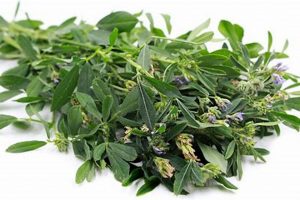
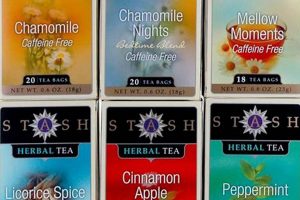
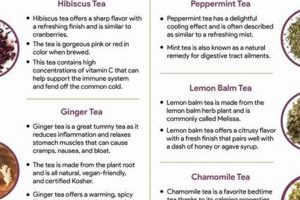
The efficacy of using plant-derived infusions to address abdominal distension is directly linked to the specific botanical composition of the chosen herb. The various plant species contain distinct phytochemicals, each with unique pharmacological properties that may influence gastrointestinal function. For example, the presence of menthol in peppermint leaves contributes to smooth muscle relaxation in the digestive tract, potentially easing intestinal spasms and promoting gas expulsion. Conversely, chamomile contains compounds known for their anti-inflammatory and antispasmodic effects, which may reduce intestinal irritation and bloating. Therefore, the selection of an appropriate botanical blend hinges on a clear understanding of the individual herb’s chemical profile and its expected impact on digestive processes.
Furthermore, the quality and origin of the botanical material significantly affect the concentration of these bioactive compounds. Herbs grown under optimal conditions and processed carefully will generally yield infusions with greater therapeutic potential. For instance, research indicates that the level of essential oils, such as those found in fennel seeds, can vary considerably depending on the geographical location and harvesting techniques. This variability underscores the importance of sourcing from reputable suppliers who prioritize quality control and standardization. A practical illustration of this principle is seen in the varying effectiveness reported by individuals using different brands of the same type of brew, where discrepancies in plant material quality can explain the inconsistent results.
In summary, the botanical composition is a critical determinant of an infusion’s ability to alleviate abdominal distension. A thorough understanding of the herb’s phytochemical profile, coupled with attention to sourcing and quality, is essential for optimizing therapeutic outcomes. Challenges remain in standardizing botanical preparations and ensuring consistent bioactive compound levels across different products. Continued research into the specific mechanisms of action of individual herbs is necessary to further refine the application of plant-based remedies for digestive discomfort.
2. Digestive Properties

The digestive properties inherent in various botanical infusions represent a primary mechanism by which these beverages may alleviate abdominal distension. These properties directly influence gastrointestinal function, contributing to the reduction of symptoms associated with bloating.
- Carminative Action
Certain plant species possess carminative properties, meaning they aid in the expulsion of gas from the digestive tract. Examples include peppermint, fennel, and ginger. The volatile oils present in these herbs can relax the smooth muscles of the gastrointestinal system, facilitating the release of trapped gas and reducing the sensation of fullness and pressure. For instance, fennel seeds have traditionally been used to relieve colic in infants, demonstrating their capacity to address gas-related discomfort. This carminative effect directly targets a primary cause of abdominal distension.
- Anti-Inflammatory Effects
Inflammation within the gastrointestinal system can contribute to bloating. Some botanical infusions exhibit anti-inflammatory properties, helping to soothe irritated tissues and reduce swelling. Chamomile, for example, contains compounds that can suppress inflammatory responses in the gut. Similarly, ginger has been shown to inhibit the production of pro-inflammatory molecules. By reducing inflammation, these brews may alleviate discomfort and minimize the distension associated with inflammatory processes in the digestive tract.
- Antispasmodic Qualities
Intestinal spasms can lead to abdominal pain and bloating. Certain herbs possess antispasmodic qualities, meaning they can relax the muscles of the digestive tract and reduce cramping. Peppermint is a well-known example, as its menthol content can block calcium channels in smooth muscle cells, leading to relaxation. This antispasmodic effect can help to alleviate the discomfort associated with intestinal spasms, reducing the overall sensation of bloating.
- Promotion of Bile Production
Adequate bile production is crucial for proper digestion, particularly the breakdown of fats. Some plant-based beverages can stimulate bile production, aiding in the digestion of fats and preventing the buildup of undigested material in the intestines. Dandelion root, for example, is believed to have choleretic properties, increasing the flow of bile from the liver and gallbladder. By promoting efficient fat digestion, these brews may reduce the likelihood of bloating associated with poor fat absorption.
The digestive properties described above, encompassing carminative, anti-inflammatory, antispasmodic, and bile-promoting actions, collectively contribute to the potential of specific plant-derived infusions to alleviate abdominal distension. The effectiveness of a particular beverage depends on the specific botanical composition and the individual’s physiological response. Careful consideration of these factors is essential when selecting a plant-based approach to managing digestive discomfort.
3. Preparation Method
The preparation method significantly influences the efficacy of plant-derived infusions intended to alleviate abdominal distension. The extraction of bioactive compounds from the plant material is contingent upon specific techniques, with variations impacting the final concentration and therapeutic potential of the brew.
- Water Temperature
Water temperature plays a crucial role in the extraction of beneficial compounds. Excessive heat can degrade volatile oils, diminishing their therapeutic effect. Insufficient heat may result in incomplete extraction, leaving valuable constituents untapped within the plant material. A general guideline is to use water just below boiling point (approximately 200-212F or 93-100C) for most herbs, but delicate botanicals like chamomile may benefit from slightly cooler temperatures to preserve their aromatic components. For example, using boiling water on green plant leaves could destroy some important compounds.
- Steeping Time
The duration of steeping directly affects the concentration of extracted compounds. A short steeping time may yield a weak infusion with limited therapeutic benefit. Conversely, prolonged steeping can release bitter tannins and other undesirable compounds, compromising the flavor and potentially causing digestive upset. A typical steeping time for herbal infusions ranges from 5 to 10 minutes, depending on the herb and desired potency. For instance, brewing ginger longer than 10 minutes can result in a bitter taste, while failing to steep it for at least 5 minutes may not extract enough of its active compounds.
- Herb-to-Water Ratio
The proportion of plant material to water determines the strength of the resulting infusion. Insufficient herbs will result in a weak, ineffective brew, while excessive herbs may lead to an overly concentrated infusion that is difficult to tolerate or may cause adverse effects. A general guideline is to use 1-2 teaspoons of dried herb per cup (8 ounces or 240 milliliters) of water, but this ratio can be adjusted based on individual preference and the specific herb being used. As a reference, utilizing half the recommended amount of plant is unlikely to produced a desire result to help bloating.
- Covering During Steeping
Covering the container during steeping helps to retain volatile oils that would otherwise evaporate. These oils often contain the most potent therapeutic compounds, and their loss can diminish the efficacy of the infusion. A simple lid or saucer placed over the cup or teapot is sufficient to trap these volatile constituents. Without a lid, the valuable volatile compounds are released into the air rather than dissolving into the water.
These aspects of preparation method collectively impact the effectiveness of botanical infusions in alleviating abdominal distension. Adherence to appropriate techniques ensures optimal extraction of beneficial compounds, maximizing the therapeutic potential of the beverage. Variations in preparation can explain discrepancies in reported efficacy and highlight the importance of consistent methodology. Further research on specific herbs and optimal preparation parameters is needed to refine these guidelines and ensure consistent results.
4. Consumption Timing

The temporal relationship between the ingestion of botanical infusions and mealtimes or specific symptom presentation can significantly impact the perceived efficacy of plant-based remedies intended to alleviate abdominal distension. Strategic scheduling of beverage consumption can optimize digestive processes and minimize discomfort associated with bloating.
- Pre-Meal Consumption
Ingesting a botanical infusion approximately 15-30 minutes prior to a meal may prime the digestive system for optimal function. Certain herbs, such as ginger, can stimulate the production of digestive enzymes and promote gastric motility, potentially reducing the likelihood of undigested food accumulating in the intestines and contributing to gas production. The anticipatory stimulation of digestive processes can facilitate more efficient nutrient breakdown and absorption.
- During-Meal Consumption
Consuming a plant-based infusion concurrently with a meal may aid in the immediate digestion of food. Warm liquids can help to soften food boluses, making them easier to process. Specific herbs with carminative properties, such as peppermint or fennel, may assist in the expulsion of gas produced during the digestive process, minimizing bloating and discomfort as they arise. However, it is important to note that excessive fluid intake during meals can potentially dilute digestive enzymes, so moderation is advised.
- Post-Meal Consumption
The ingestion of a botanical infusion following a meal can provide relief from postprandial bloating and discomfort. Herbs with antispasmodic properties, such as chamomile, may help to relax the smooth muscles of the digestive tract, easing intestinal spasms and promoting the passage of gas. Post-meal consumption allows for the targeted relief of symptoms that manifest after the digestive process has commenced. The timing will also allow to ease bloating immediately after a full-meal.
- Consumption Based on Symptom Onset
Some individuals may find it most beneficial to consume plant-based brews only when symptoms of abdominal distension arise. This reactive approach allows for the targeted treatment of discomfort as needed. For instance, if bloating typically occurs after consuming specific foods, a botanical infusion known for its carminative or anti-inflammatory properties can be ingested immediately following the consumption of these trigger foods. This approach requires careful self-monitoring to identify patterns and triggers.
Ultimately, the optimal timing of plant-derived infusion consumption is highly individualized and dependent on specific digestive patterns, dietary habits, and the characteristics of the selected herbs. Experimentation with different consumption schedules is recommended to determine the approach that provides the most effective relief from abdominal distension.
5. Individual Sensitivity

Individual sensitivity represents a crucial determinant in the effectiveness and safety of using botanical brews to alleviate abdominal distension. Physiological and genetic variations among individuals influence their response to specific herbal constituents, resulting in a range of outcomes from pronounced relief to adverse reactions. Ignoring individual sensitivities can lead to ineffective treatment or, in some cases, exacerbate digestive discomfort. This consideration is not merely a precautionary measure but a fundamental aspect of responsible botanical remedy application.
The manifestations of individual sensitivity to plant-derived compounds can vary widely. Some individuals may exhibit allergic reactions, characterized by skin rashes, itching, or, in severe cases, anaphylaxis. Others may experience gastrointestinal distress, such as nausea, diarrhea, or increased bloating, as a paradoxical response to the intended therapeutic effect. For instance, while chamomile is generally considered calming, certain individuals may experience anxiety or insomnia. Similarly, the laxative properties of senna, while beneficial for some, can cause severe abdominal cramping and dehydration in sensitive individuals. A practical approach involves initiating with a low dose and carefully monitoring for any adverse symptoms, progressively increasing the dose if tolerated. Pre-existing conditions, medications, and age are all important variables when understanding individual reactions.
The recognition of individual sensitivity is paramount in mitigating potential harm and optimizing the benefits of botanical infusions for abdominal distension. A cautious and personalized approach, characterized by starting with low doses and careful monitoring, can help identify potential adverse reactions and tailor treatment to individual needs. Further research is needed to identify genetic and physiological markers of individual sensitivity to specific herbs, which would enable more targeted and effective botanical interventions. The interplay of individual sensitivity and botanical remedies underscores the need for informed self-care and consultation with qualified healthcare professionals.
Frequently Asked Questions
The following frequently asked questions address common inquiries and misconceptions regarding the utilization of plant-derived infusions for the alleviation of abdominal distension. This information is intended to provide a comprehensive understanding of the potential benefits and limitations associated with this approach.
Question 1: Can all types of herbal tea alleviate abdominal distension?
No, not all varieties are equally effective. Certain botanicals, such as peppermint, ginger, and chamomile, are known for their carminative, anti-inflammatory, or antispasmodic properties, which may contribute to the reduction of bloating. Other brews may lack these specific properties and, therefore, may not provide significant relief.
Question 2: How quickly can one expect to experience relief from bloating after consuming a botanical infusion?
The onset of relief varies depending on individual factors, the specific botanical composition, and the severity of the distension. Some individuals may experience a noticeable reduction in symptoms within 30 minutes to an hour, while others may require repeated consumption over several days to observe significant improvement. A variety of plant type will have effect to the body.
Question 3: Are plant-derived infusions safe for long-term consumption?
While many are generally considered safe for regular consumption, potential risks exist, particularly with prolonged or excessive use. Some herbs may interact with medications or exacerbate underlying medical conditions. It is advisable to consult with a healthcare professional before incorporating botanical infusions into a long-term routine, especially for individuals with pre-existing health concerns.
Question 4: Can botanical infusions completely eliminate bloating, or do they merely provide temporary relief?
The effects are often symptomatic, providing temporary relief from bloating rather than addressing the underlying cause. In cases of chronic or severe abdominal distension, addressing the root cause through dietary changes, lifestyle modifications, or medical interventions may be necessary. It is important to identify factors of distention.
Question 5: Is it possible to be allergic to certain botanical infusions?
Yes, allergic reactions to certain herbs are possible. Individuals with known allergies to plants in the same family as the botanical ingredient should exercise caution. Symptoms of an allergic reaction may include skin rashes, itching, swelling, or difficulty breathing. Immediate medical attention is necessary if severe allergic symptoms occur.
Question 6: Can botanical infusions be used in conjunction with other medications or treatments for bloating?
Potential interactions between plant-derived brews and medications exist. Consulting with a healthcare professional before combining botanical infusions with other treatments is essential to avoid adverse effects. This is particularly important for individuals taking prescription drugs or undergoing medical treatments for digestive disorders.
In summary, while plant-based infusions may offer a natural approach to alleviating abdominal distension, a thorough understanding of their potential benefits, limitations, and risks is crucial. A personalized approach, guided by professional advice, is recommended for optimizing outcomes and ensuring safety.
The subsequent section of this article will delve into specific contraindications and precautions associated with the use of botanical infusions for digestive discomfort.
Concluding Remarks
The preceding analysis has illuminated various facets of utilizing botanical brews to mitigate abdominal distension. Key considerations include the selection of appropriate herbs based on their carminative, anti-inflammatory, or antispasmodic properties, adherence to proper preparation methods to maximize the extraction of bioactive compounds, strategic timing of consumption relative to meals, and, crucially, awareness of individual sensitivities to specific plant constituents. The inherent complexities underscore the need for a nuanced and informed approach.
While certain preparations may offer symptomatic relief from bloating, they should not be viewed as a panacea. Individuals experiencing persistent or severe abdominal distension should seek professional medical evaluation to identify potential underlying causes. Further research is warranted to fully elucidate the mechanisms of action of specific botanical infusions and to establish standardized guidelines for their safe and effective use. Ultimately, the responsible and informed application of herbal remedies requires a commitment to evidence-based practices and a recognition of the limitations inherent in natural interventions.