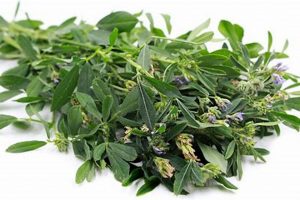
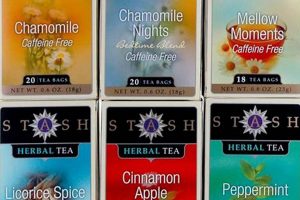
Confections incorporating botanical ingredients, often derived from culinary or medicinal herbs, offer a distinct sensory experience. These baked goods may utilize a variety of plant-based elements, such as lavender, rosemary, or chamomile, to impart unique flavors and aromas. For example, a lemon cake infused with thyme provides a subtle savory note that complements the citrus.
The integration of botanicals into baked goods serves multiple purposes, extending beyond mere flavoring. Certain additions can contribute to enhanced nutritional profiles or provide potential health benefits, depending on the properties of the selected herbs. Historically, the use of plants in food preparation, including baking, has been a practice rooted in both culinary tradition and traditional medicine, with different cultures utilizing local flora for their specific attributes.
The subsequent sections will delve into the specific types of botanical components used in these preparations, explore the potential advantages and considerations associated with their consumption, and outline best practices for incorporating them into baking for optimal results. The focus will remain on delivering a balanced and informative perspective.
Baking with Botanical Infusions
Achieving optimal results when incorporating botanical elements into baking necessitates careful consideration of several key factors. The following guidelines provide a framework for successful preparation.
Tip 1: Source Quality Ingredients: Procure herbs from reputable suppliers to ensure purity and potency. Organic options are preferable to minimize exposure to pesticides and herbicides. Improperly sourced ingredients can negatively impact the final product.
Tip 2: Control Herb Intensity: Botanical flavors are often potent and can easily overpower other ingredients. Begin with small quantities and incrementally increase to achieve the desired flavor profile. Overuse can result in an unpalatable outcome.
Tip 3: Understand Herb-Specific Characteristics: Different herbs possess varying levels of heat stability. Some, like rosemary, retain their flavor during prolonged baking, while others, like basil, are more delicate and should be added later in the cooking process. Knowledge of these properties is crucial.
Tip 4: Proper Herb Preparation is Important: Fresh herbs should be thoroughly washed and dried. Dried herbs require reconstitution in liquid prior to incorporation to prevent a gritty texture. Inadequate preparation compromises the texture and flavor distribution of the final product.
Tip 5: Consider Flavor Pairings: Botanical flavors should complement, not compete with, other ingredients. Research compatible pairings to create a harmonious flavor profile. For example, lavender pairs well with citrus, while rosemary complements savory flavors.
Tip 6: Monitor Baking Times and Temperatures: Botanical additions can influence the browning and moisture content of baked goods. Adjust baking times and temperatures accordingly to prevent over- or under-baking. Regular monitoring is essential.
Tip 7: Store Baked Goods Correctly: Properly storing baked goods containing botanicals is vital to preserve freshness and flavor. Airtight containers are recommended to prevent oxidation and moisture loss. Incorrect storage accelerates spoilage and diminishes the quality of the final product.
By adhering to these guidelines, bakers can effectively harness the unique flavors and potential benefits of botanical elements, creating sophisticated and nuanced confections. Careful attention to detail is paramount in achieving consistent and desirable results.
The next section explores specific recipe adaptations for utilizing particular botanical components. This will provide further practical guidance.
1. Botanical Selection

Botanical selection stands as a cornerstone in the creation of baked goods infused with plant-derived ingredients. The judicious selection of herbs, flowers, and other plant materials directly influences the flavor profile, aromatic qualities, and potential functional attributes of the final product. Careful consideration is essential to ensure the desired characteristics are achieved while mitigating any undesirable effects.
- Flavor Profile Determination
The chosen botanical dictates the primary flavor notes of the baked item. For instance, lavender imparts a floral sweetness, rosemary contributes a savory earthiness, and chamomile offers a subtle apple-like aroma. The selection process must align with the desired taste experience, considering the intensity and complexity of each botanical’s flavor compounds. Inappropriate choices may result in unbalanced or unpalatable outcomes.
- Aromatic Enhancement and Sensory Experience
Botanicals contribute significantly to the olfactory experience associated with baked goods. The volatile compounds released during baking create distinctive aromas that can enhance the overall sensory appeal. Selection should consider the aromatic properties of each botanical and their compatibility with other ingredients. For example, citrus zest paired with floral herbs can create a refreshing and invigorating sensory profile.
- Bioactive Compound Incorporation and Potential Health Benefits
Many botanicals contain bioactive compounds that may offer potential health benefits. The selection process can be guided by the desire to incorporate specific compounds with known therapeutic properties. For instance, the inclusion of herbs rich in antioxidants or anti-inflammatory agents may enhance the nutritional value of the baked product. However, it is essential to consider potential interactions and contraindications, as some botanicals may have adverse effects in certain individuals.
- Source Quality and Sustainability Considerations
The quality and sourcing of botanicals directly impact the overall integrity of the finished product. Sourcing from reputable suppliers who adhere to sustainable harvesting practices is crucial. Organic and pesticide-free options are preferable to minimize exposure to contaminants. Selecting botanicals from known and trusted origins ensures consistent quality and reduces the risk of adulteration.
The thoughtful selection of botanical ingredients is paramount to achieving the desired flavor, aroma, and potential health benefits. Careful consideration of flavor profiles, aromatic properties, bioactive compounds, and sourcing practices contributes to the creation of high-quality and appealing botanical-infused baked goods. Ignoring these aspects risks producing a final product that lacks the intended characteristics or, worse, carries unintended health risks.
2. Flavor Infusion

Flavor infusion constitutes a critical process in the creation of baked goods incorporating botanical elements. It directly impacts the overall sensory experience and the perceived quality of these confections, demanding a nuanced understanding of techniques and considerations.
- Extraction Methods and Medium Selection
The method employed to extract flavor compounds from botanicals significantly influences the resulting taste profile. Infusion techniques range from cold extraction, suitable for delicate floral flavors, to hot extraction, which releases more robust and sometimes bitter compounds. The medium used for infusion, such as oil, water, or alcohol, also affects the solubility and stability of the extracted flavors. Selection of the appropriate extraction method and medium is paramount to achieving the desired flavor intensity and complexity.
- Concentration Control and Ingredient Ratios
Maintaining precise control over the concentration of infused flavors is crucial to prevent overpowering other ingredients. Establishing appropriate ingredient ratios ensures a balanced flavor profile, where the botanical notes complement, rather than dominate, the base of the baked product. Over-infusion can lead to an unpleasant or medicinal taste, while under-infusion may render the botanical element imperceptible. Accurate measurements and iterative testing are essential for optimal flavor balance.
- Flavor Stability and Preservation Techniques
Infused flavors can be volatile and susceptible to degradation during baking and storage. Employing techniques to enhance flavor stability and preservation is vital to maintaining the intended taste profile over time. Encapsulation, controlled oxidation, and the use of natural preservatives can help protect delicate flavor compounds from heat, light, and oxygen. Proper storage in airtight containers at appropriate temperatures further contributes to flavor preservation.
- Pairing Principles and Flavor Harmony
Successful flavor infusion relies on a thorough understanding of pairing principles and flavor harmony. Certain botanicals complement specific ingredients, creating synergistic flavor combinations. For example, citrus notes often enhance floral flavors, while savory herbs pair well with earthy ingredients. Thoughtful consideration of these pairings ensures a cohesive and well-balanced flavor profile, elevating the overall sensory experience.
These aspects of flavor infusion are intrinsically linked to the success of herbal cakes. Precise extraction, concentration control, flavor preservation, and mindful pairing are critical to delivering a product with a complex and balanced flavor profile that is both appealing and representative of the chosen botanical ingredients. The careful application of these principles elevates the production of such baked goods from a simple culinary exercise to a sophisticated art form.
3. Moisture Balance
Moisture balance is a critical determinant of the textural quality and overall palatability of confections incorporating botanical components. The presence and distribution of water within the baked matrix directly influence properties such as crumb tenderness, chewiness, and perceived dryness or moistness. Herbs, flowers, and other plant-derived ingredients often introduce inherent moisture, which must be carefully managed to prevent undesirable outcomes. For example, the addition of fresh herbs, such as mint or basil, increases the water content of the batter, potentially leading to a dense or soggy result if not properly accounted for through adjustments to other liquid ingredients or baking time. Conversely, the use of dried herbs can absorb moisture from the surrounding batter, resulting in a drier texture if the recipe is not formulated to compensate.
Effective management of moisture in these preparations involves several key strategies. The precise measurement of liquid ingredients, including extracts, infusions, and even moisture content in botanical matter, is essential. Adjustments to flour quantities or the inclusion of moisture-binding agents, such as starches or gums, can help regulate the overall water content. Baking time and temperature also play a significant role, as these parameters directly influence the rate of moisture evaporation. An example of this is the use of a water bath (bain-marie) during baking, which introduces humidity to the oven environment, slowing moisture loss and promoting a more even baking process. Furthermore, proper cooling and storage techniques are vital to maintaining moisture balance, as exposure to air can lead to dehydration and staling.
In summary, moisture balance is an indispensable factor in creating high-quality baked goods with plant-derived components. Failure to adequately manage the interplay between botanical additions and overall moisture levels can result in textural defects and reduced palatability. A thorough understanding of ingredient properties, precise measurement, controlled baking, and proper storage are essential for achieving optimal moisture balance and ensuring a desirable sensory experience. The challenges lie in the variability of botanical moisture content and the complex interactions between ingredients, but attention to detail and iterative adjustments can lead to consistent results.
4. Ingredient Compatibility
Ingredient compatibility represents a foundational element in the successful creation of baked goods infused with botanical components. The interactions between the various ingredients, including the specific herbs, flours, fats, and sweeteners, dictate the final texture, flavor profile, and overall stability of the product. A lack of consideration for these interactions can lead to undesirable results, such as structural instability, flavor imbalances, or reduced shelf life.
- Flour-Herb Interactions
The type of flour employed interacts significantly with the botanical additions. Whole wheat flour, for instance, possesses a stronger flavor and higher protein content, which can complement or compete with the herbal notes. Conversely, all-purpose flour offers a more neutral base, allowing the herbal flavors to take precedence. Gluten development, influenced by flour type and mixing techniques, affects the cake’s structure and its ability to support the added weight of herbs or other botanical elements. Careful consideration must be given to flour selection to ensure structural integrity and flavor harmony.
- Fat-Herb Dissolution
Fats, whether butter, oil, or plant-based alternatives, serve as carriers for the volatile aromatic compounds found in many herbs. The lipid solubility of these compounds allows the fat to extract and distribute the herbal flavors throughout the baked matrix. The type of fat used can further influence the flavor profile; butter imparts a richer, creamier taste, while oils offer a cleaner, lighter flavor. Incompatible fat-herb combinations can lead to a muted or unpleasant flavor experience. For example, a delicate floral herb may be overwhelmed by a strongly flavored fat.
- Sweetener-Herb Synergy
Sweeteners, beyond their primary function, play a role in accentuating or modulating herbal flavors. Honey, with its complex flavor profile, can complement certain herbs, such as lavender or chamomile, creating nuanced sweetness. Granulated sugar provides a more neutral sweetness, allowing the herbal flavors to shine through. Conversely, artificial sweeteners may interact unpredictably with the botanical components, potentially altering the overall flavor balance. Proper selection of sweetener is crucial in achieving flavor synergy rather than discord.
- Acidity-Herb Activation
The inclusion of acidic ingredients, such as citrus juice or vinegar, can influence the release and perception of certain herbal flavors. Acidity can help to unlock the aromatic compounds in some herbs, enhancing their flavor intensity. Furthermore, acidity can balance the sweetness and richness of the other ingredients, creating a more complex and palatable flavor profile. However, an overabundance of acidity can clash with certain herbs, resulting in an unbalanced or sour taste. The strategic use of acidity can enhance the flavor potential of specific botanical additions.
In essence, the creation of successful baked goods incorporating botanical elements hinges on a thorough understanding of ingredient compatibility. The complex interplay between flour, fats, sweeteners, acidity, and the herbs themselves necessitates careful consideration and precise execution. Neglecting these interactions can compromise the flavor, texture, and overall quality. Through mindful ingredient selection and meticulous preparation, one can achieve harmonious combinations that elevate such culinary creations beyond mere recipes into sophisticated and delightful gastronomic experiences.
5. Shelf Life
The shelf life of baked goods infused with botanical ingredients is a critical factor influencing their commercial viability and consumer satisfaction. Several intrinsic and extrinsic elements directly affect the duration for which such products maintain acceptable quality and safety.
- Moisture Content and Water Activity
Elevated moisture content and water activity promote microbial growth, primarily molds and yeasts, which can lead to spoilage. Herbs, especially fresh varieties, introduce additional moisture, accelerating degradation. Controlling water activity through recipe formulation, drying techniques, and appropriate packaging is essential to prolong shelf life. For example, incorporating humectants such as honey can bind water, lowering water activity and inhibiting microbial proliferation.
- Fat Oxidation and Rancidity
Lipid oxidation, particularly in baked goods containing unsaturated fats, results in rancidity and off-flavors. Certain herbs contain antioxidants that can retard this process. However, their effectiveness is dependent on concentration and interaction with other ingredients. Vacuum packaging or the addition of synthetic antioxidants may be necessary to achieve extended shelf life in products with high-fat content.
- Botanical Composition and Antimicrobial Properties
Specific herbs possess inherent antimicrobial properties that can contribute to enhanced preservation. For instance, rosemary and thyme contain compounds with demonstrated antifungal and antibacterial activity. The concentration of these compounds, influenced by factors such as growing conditions and extraction methods, directly affects their preservative efficacy. Careful selection of botanicals with known antimicrobial properties can naturally extend the shelf life of these baked goods.
- Packaging and Storage Conditions
Appropriate packaging and storage conditions are paramount to maintaining quality and preventing spoilage. Oxygen-permeable packaging accelerates oxidation and microbial growth. Modified atmosphere packaging (MAP) or vacuum packaging reduces oxygen levels, thereby inhibiting these processes. Furthermore, maintaining low storage temperatures slows chemical reactions and retards microbial activity. Controlled storage conditions, coupled with suitable packaging, significantly extend the shelf life of herbal cakes.
These considerations underscore the complexities involved in optimizing the shelf life of baked goods containing botanical ingredients. A holistic approach, encompassing recipe formulation, ingredient selection, processing techniques, and packaging strategies, is essential to ensure product safety, maintain quality, and minimize waste. The interplay between these factors dictates the ultimate longevity of such products.
6. Therapeutic Properties

The integration of botanicals into baked goods extends beyond mere flavoring, offering potential therapeutic benefits depending on the inherent properties of the chosen herbs. The judicious selection and incorporation of these ingredients can transform a simple confection into a functional food, albeit one where mindful consumption remains paramount.
- Antioxidant Activity and Cellular Protection
Many herbs, such as rosemary, thyme, and sage, are rich in antioxidant compounds that can neutralize free radicals and protect cells from oxidative damage. The incorporation of these herbs into baked goods may contribute to overall antioxidant intake, potentially mitigating the risk of chronic diseases. However, the bioavailability of these compounds following baking and digestion requires careful consideration. For instance, the high heat involved in baking may degrade some antioxidants, reducing their efficacy. Research into optimal incorporation methods to preserve antioxidant activity is ongoing.
- Anti-inflammatory Effects and Systemic Modulation
Certain botanicals, including ginger, turmeric, and chamomile, possess anti-inflammatory properties attributed to specific bioactive compounds. These compounds may help modulate inflammatory pathways within the body, potentially alleviating symptoms associated with inflammatory conditions. Incorporation of these herbs into baked goods could offer a palatable means of delivering these anti-inflammatory agents. Dosage and frequency of consumption remain critical factors in achieving meaningful therapeutic effects. The concentration of active compounds in the final product must be sufficient to elicit a physiological response, necessitating careful control during formulation.
- Digestive Support and Gastrointestinal Health
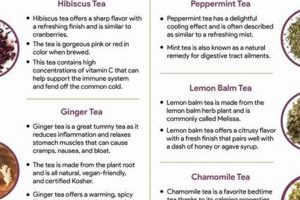
Herbs such as peppermint, fennel, and chamomile have long been recognized for their digestive benefits, including the alleviation of bloating, gas, and indigestion. The inclusion of these herbs in baked goods can promote gastrointestinal comfort, particularly after meals. The mechanisms of action vary, with peppermint oil known for its antispasmodic effects and chamomile exhibiting mild sedative properties. However, individuals with pre-existing gastrointestinal conditions should exercise caution and consult with a healthcare professional before consuming such products.
- Stress Reduction and Mood Enhancement
Specific botanicals, such as lavender and lemon balm, are associated with calming and mood-enhancing effects. These herbs contain volatile compounds that interact with the central nervous system, promoting relaxation and reducing anxiety. The incorporation of these herbs into baked goods may provide a subtle mood lift, particularly when consumed in a mindful setting. The efficacy of these effects is dependent on individual sensitivity and the concentration of active compounds present. Furthermore, the placebo effect may contribute to the perceived benefits.
The exploration of therapeutic properties within the context of baked goods necessitates a nuanced understanding of both the potential benefits and limitations. While the inclusion of certain botanicals may offer measurable health advantages, these should not be construed as replacements for conventional medical treatments. Responsible formulation, accurate labeling, and informed consumer choices are essential to ensure that these products are consumed safely and effectively. Further research is needed to fully elucidate the therapeutic potential and optimize the incorporation of botanicals into edible matrices.
Frequently Asked Questions
The following questions address common inquiries and concerns regarding confections incorporating botanical ingredients. The responses aim to provide clear and concise information to enhance understanding.
Question 1: Are such baked goods safe for consumption?
Safety is contingent upon appropriate botanical selection, accurate dosage, and consideration of individual allergies or sensitivities. Certain herbs may interact with medications or exacerbate pre-existing conditions. Consulting with a healthcare professional is advisable prior to consumption, particularly for individuals with specific health concerns.
Question 2: Can dried herbs be substituted for fresh herbs in recipes?
Dried herbs possess a more concentrated flavor profile than fresh herbs and should be used in smaller quantities. A general guideline is to use one-third the amount of dried herbs as fresh herbs. Hydrating dried herbs prior to incorporation can improve their texture and flavor distribution.
Question 3: How does baking affect the therapeutic properties of herbs?
The heat involved in baking can degrade certain bioactive compounds present in herbs, potentially reducing their therapeutic efficacy. The extent of degradation varies depending on the specific herb and the baking conditions. Incorporating herbs later in the baking process or using gentler cooking methods can help preserve their beneficial properties.
Question 4: How should these types of baked goods be stored to maintain freshness?
Proper storage is essential to prevent spoilage and maintain flavor quality. Airtight containers stored in a cool, dark place are recommended. Refrigeration may extend shelf life but can also alter texture. Products containing fresh herbs are generally more perishable and should be consumed within a shorter timeframe.
Question 5: Can essential oils be used in place of fresh or dried herbs?
Essential oils are highly concentrated and should be used with extreme caution. Improper dilution can result in overpowering flavors or potential toxicity. Food-grade essential oils should be used sparingly and in accordance with established safety guidelines. Fresh or dried herbs are generally preferred for their milder flavor profiles and reduced risk of adverse effects.
Question 6: Are herbal cakes suitable for individuals with dietary restrictions?
Suitability depends on the specific ingredients used in the recipe. Modifications can be made to accommodate various dietary restrictions, such as gluten-free, vegan, or sugar-free diets. Careful selection of alternative ingredients and attention to potential allergen cross-contamination are necessary.
The information provided offers a general overview of common concerns. Individuals should conduct thorough research and seek professional guidance when making decisions regarding the consumption of such products.
The next segment will provide recipe adaptations for particular botanical ingredients. This offers even more helpful advice.
Conclusion
The exploration of “herbal cakes” reveals a complex interplay between culinary artistry and botanical science. The judicious application of herbal infusions demands a meticulous understanding of ingredient compatibility, flavor dynamics, and preservation techniques. Further, the potential therapeutic implications warrant responsible formulation and informed consumption.
The integration of botanicals into baked goods represents a continuing evolution in culinary practices. Further research into optimal extraction methods, bioactive compound stability, and the long-term effects of consumption is essential. The future of “herbal cakes” lies in responsible innovation, informed by both culinary tradition and scientific rigor.