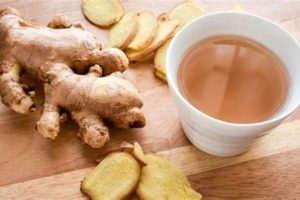
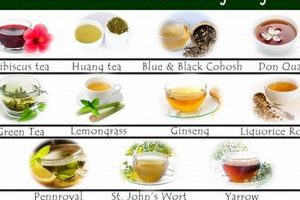
Specific plant-based infusions are often considered for their potential to alleviate digestive discomfort characterized by abdominal distension and flatulence. These beverages, distinct from traditional tea derived from Camellia sinensis, utilize various herbs, spices, and other botanicals known for carminative and antispasmodic properties. For example, peppermint and ginger are frequently cited for their ability to reduce intestinal spasms and promote the expulsion of gas.
The perceived value of these remedies stems from centuries of traditional use across numerous cultures, where certain herbs have been employed to soothe digestive ailments. The reported benefits include a reduction in bloating sensations, decreased gas production, and an overall improvement in digestive comfort. Historically, these plant-derived solutions provided accessible relief before the advent of modern pharmaceuticals, and continue to be a preferred option for individuals seeking natural approaches to managing digestive well-being.
The subsequent sections will delve into specific herbal options, outlining their potential mechanisms of action, evidence-based support for their efficacy, and considerations for safe and appropriate use. Examination of the phytochemistry and pharmacological properties of key ingredients will provide a more detailed understanding of their purported benefits.
Guidance on Selecting and Utilizing Herbal Infusions for Digestive Relief
The following recommendations provide a framework for individuals seeking to incorporate specific herbal teas into their routine for the potential management of bloating and gas. These guidelines are intended to promote informed selection and responsible use.
Tip 1: Identify the Root Cause: Persistent digestive discomfort warrants consultation with a healthcare professional to rule out underlying medical conditions. Herbal teas may offer symptomatic relief but are not a substitute for diagnosis and treatment of more serious ailments.
Tip 2: Prioritize Single-Ingredient Infusions: When initiating herbal tea consumption, opt for single-ingredient formulations (e.g., pure peppermint tea). This approach facilitates the identification of any adverse reactions or sensitivities to a specific herb.
Tip 3: Adhere to Recommended Dosage: Follow package instructions regarding steeping time and serving size. Overconsumption of certain herbs can lead to undesirable side effects. Generally, 1-3 cups per day is considered a reasonable intake, but moderation is advised.
Tip 4: Consider Timing: Consuming herbal tea 20-30 minutes prior to meals may aid digestion. Alternatively, post-meal consumption may help alleviate discomfort that arises after eating.
Tip 5: Evaluate Ingredient Quality: Select herbal teas from reputable brands that utilize high-quality, organically sourced ingredients. This minimizes the risk of contamination with pesticides or other undesirable substances.
Tip 6: Monitor for Interactions: Certain herbs can interact with medications. Individuals taking prescription drugs should consult with their physician or pharmacist before incorporating herbal teas into their regimen.
Tip 7: Maintain Hydration: Herbal teas contribute to overall fluid intake. However, do not rely solely on these beverages for hydration; ensure adequate consumption of water throughout the day.
Consistent and informed application of these guidelines can maximize the potential benefits of these herbal infusions while minimizing the risk of adverse effects. Individuals should remain vigilant in monitoring their body’s response and adjust their consumption accordingly.
The subsequent sections will explore potential risks and side effects associated with the use of herbal teas, reinforcing the importance of responsible and informed consumption practices.
1. Herb Properties (Noun)

The efficacy of “herbal tea for bloating and gas” is directly attributable to the inherent properties of the herbs employed in their preparation. These properties, encompassing their chemical composition and pharmacological actions, dictate their ability to influence digestive processes and alleviate associated symptoms. For instance, compounds within chamomile, such as bisabolol and chamazulene, possess anti-inflammatory and antispasmodic qualities. These qualities contribute to muscle relaxation in the gastrointestinal tract, potentially reducing cramping and gas production. This exemplifies the direct correlation between a specific herb property (anti-spasmodic action) and the desired outcome of relieving bloating and gas.
The selection of herbs for these infusions is therefore not arbitrary, but rather based on a cumulative understanding of their established or purported effects on the digestive system. Carminative herbs, like fennel and anise, contain volatile oils that are believed to promote the expulsion of gas from the digestive tract. The effectiveness of such teas in reducing flatulence hinges on the concentration and bioavailability of these volatile oils within the final infusion. Furthermore, the synergistic interactions between multiple herb properties within a blend can enhance the overall therapeutic effect, although these interactions require rigorous scientific validation.
In summary, the therapeutic potential of “herbal tea for bloating and gas” is rooted in the specific herb properties of its constituent ingredients. A comprehensive understanding of these properties is paramount for selecting appropriate herbal blends and maximizing their effectiveness. Further research is necessary to fully elucidate the mechanisms of action and potential interactions of various herbal constituents, thereby optimizing their application in addressing digestive discomfort. This understanding also necessitates acknowledging the variability in herb quality and preparation methods, which can significantly impact the final product’s efficacy.
2. Gas Reduction (Noun)

Gas reduction, the diminution of intestinal gas production or the facilitation of its expulsion, constitutes a primary objective in utilizing “herbal tea for bloating and gas”. The effectiveness of these teas hinges on their capacity to influence either the sources of gas formation or the mechanisms by which gas is eliminated from the digestive system.
- Carminative Action
Certain herbal constituents, such as those found in peppermint, fennel, and anise, exhibit carminative properties. These properties are attributed to the relaxation of smooth muscle in the gastrointestinal tract, thereby promoting the passage of gas and reducing pressure. This action facilitates the expulsion of trapped gas, alleviating bloating and abdominal discomfort. Real-world application involves consuming these teas post-meal to mitigate gas buildup, particularly after consuming gas-inducing foods.
- Inhibition of Gas-Producing Bacteria
Specific herbs, including ginger and chamomile, possess antimicrobial properties that may influence the gut microbiota. By inhibiting the growth of certain gas-producing bacteria in the colon, these herbs can indirectly reduce the overall volume of intestinal gas. This is significant, as bacterial fermentation of undigested carbohydrates is a major source of gas. The implication is a potential long-term reduction in gas production through modulation of the gut environment, although further research is needed to substantiate these effects.
- Enhancement of Digestive Motility
Impaired digestive motility can contribute to gas accumulation by slowing the transit of food through the digestive system, allowing more time for bacterial fermentation. Some herbs, such as ginger, are believed to stimulate digestive motility, promoting more efficient movement of food and reducing the time available for gas production. This is particularly relevant for individuals with sluggish digestion or conditions that compromise gut motility.
- Reduction of Inflammation
Inflammation in the digestive tract can disrupt normal digestive processes and contribute to gas production. Herbs with anti-inflammatory properties, such as chamomile and turmeric, may help to reduce inflammation, thereby improving digestion and reducing gas formation. The effect is achieved through modulation of inflammatory pathways in the gut, promoting a more balanced and functional digestive environment.
The collective impact of these mechanisms underscores the potential for “herbal tea for bloating and gas” to contribute to effective gas reduction. While individual responses may vary depending on the specific herbs used, the underlying principles remain consistent: targeting the sources of gas production, facilitating its expulsion, and promoting a healthy digestive environment. Further investigation into the specific mechanisms of action and efficacy of various herbal formulations is warranted to optimize their application in managing gas-related digestive discomfort.
3. Bloating Relief (Noun)

Bloating relief, defined as the alleviation of abdominal distension and associated discomfort, represents a primary motivation for individuals seeking solutions such as “herbal tea for bloating and gas”. The perceived effectiveness of these teas in providing such relief warrants careful examination of their potential mechanisms of action and supporting evidence.
- Antispasmodic Action and Muscle Relaxation
Certain herbs incorporated into these teas exert antispasmodic effects on the smooth muscle of the gastrointestinal tract. This relaxation of muscles reduces intestinal cramping and spasms, which are often implicated in the sensation of bloating. Peppermint, containing menthol, is a prime example; its ability to relax the intestinal muscles facilitates the passage of gas and digesta, thus alleviating pressure and distension. Real-world applications include post-meal consumption of peppermint tea to mitigate bloating triggered by dietary factors.
- Digestive Enzyme Stimulation
Some herbal components may stimulate the production and activity of digestive enzymes. This enzymatic boost aids in the breakdown of complex carbohydrates and fats, thereby reducing the substrate available for bacterial fermentation in the colon, a primary source of gas production. Ginger, for instance, has been shown to promote gastric emptying and stimulate the secretion of digestive enzymes, contributing to more efficient digestion and diminished bloating.
- Water Retention Reduction
Certain herbs possess mild diuretic properties, promoting the excretion of excess fluid from the body. This reduction in water retention can alleviate bloating associated with fluid accumulation in the abdominal region. Dandelion, often used in herbal teas, exhibits such diuretic effects, although the extent of this effect and its impact on bloating relief require further scientific validation.
- Anti-inflammatory Properties and Gut Health
Chronic low-grade inflammation in the gut can disrupt normal digestive processes and contribute to bloating. Herbs with anti-inflammatory properties, such as chamomile and turmeric, may help to reduce inflammation, promoting a healthier gut environment and improved digestion. The resulting decrease in inflammation can lead to a reduction in bloating and associated discomfort.
The facets presented above highlight the multi-faceted approach by which “herbal tea for bloating and gas” may contribute to bloating relief. Each mechanism addresses a specific aspect of the bloating phenomenon, from reducing muscle spasms to enhancing digestive efficiency and managing inflammation. The effectiveness of these teas, however, is contingent upon factors such as the specific herbal composition, individual physiological responses, and the underlying cause of bloating. Further research is necessary to fully elucidate the efficacy of various herbal formulations and to optimize their application in addressing bloating symptoms.
4. Digestion Support (Noun)
Digestion support, encompassing the facilitation and optimization of the digestive process, represents a core rationale for the utilization of “herbal tea for bloating and gas”. The perceived benefits of these infusions are intimately linked to their purported ability to enhance various aspects of digestion, thereby alleviating associated symptoms of discomfort.
- Enhanced Gastric Emptying
The rate at which the stomach empties its contents into the small intestine significantly influences digestive efficiency and the likelihood of gas formation. Certain herbs, notably ginger, are believed to promote gastric emptying by stimulating gastric motility. This acceleration of food transit reduces the time available for bacterial fermentation in the stomach, a precursor to bloating and gas. Real-world application would involve consuming ginger tea before or during meals to facilitate more rapid stomach emptying and minimize postprandial discomfort. The implications extend to individuals experiencing delayed gastric emptying due to conditions such as gastroparesis, although medical consultation is advised.
- Increased Bile Production
Bile, produced by the liver and stored in the gallbladder, plays a crucial role in the emulsification and absorption of fats. Some herbs are thought to stimulate bile production, thereby improving fat digestion and reducing the likelihood of undigested fats reaching the colon, where they can be fermented by bacteria, leading to gas. Dandelion root and milk thistle are often cited for their potential to stimulate bile flow. While anecdotal evidence supports this claim, rigorous scientific validation is required to ascertain the precise effects of these herbs on bile production and digestion.
- Modulation of Gut Microbiota
The composition and activity of the gut microbiota profoundly impact digestion. An imbalance in gut bacteria, known as dysbiosis, can lead to increased gas production and digestive discomfort. Specific herbs possess antimicrobial properties that may selectively inhibit the growth of certain gas-producing bacteria, while promoting the proliferation of beneficial bacteria. Chamomile and peppermint are examples of herbs with potential antimicrobial effects. However, the long-term impact of herbal teas on gut microbiota composition remains a topic of ongoing investigation, and it is important to consider their use in conjunction with other strategies for promoting a healthy gut environment, such as dietary modifications.
- Reduction of Intestinal Inflammation
Inflammation in the gut can impair digestive function and contribute to symptoms such as bloating and abdominal pain. Certain herbs possess anti-inflammatory properties that may help to soothe the digestive tract and promote a more balanced inflammatory response. Turmeric, containing curcumin, is renowned for its anti-inflammatory effects, which may extend to the gut. By reducing intestinal inflammation, these herbs can indirectly support digestion and alleviate associated symptoms. However, the bioavailability of curcumin from turmeric is limited, and consuming it with black pepper can enhance its absorption. Furthermore, long-term use of anti-inflammatory herbs should be monitored for potential side effects.
In summary, the potential for “herbal tea for bloating and gas” to provide digestion support stems from a confluence of factors, including enhanced gastric emptying, increased bile production, modulation of gut microbiota, and reduction of intestinal inflammation. These mechanisms, while theoretically plausible and supported by some preliminary evidence, require further rigorous investigation to fully elucidate their efficacy and to guide the informed selection and application of these herbal remedies. Careful consideration of individual physiological responses and potential interactions with medications or pre-existing conditions is paramount.
5. Comfort Improvement (Noun)
Comfort improvement, defined as the reduction of physical distress and the enhancement of well-being, is a significant outcome often sought by individuals utilizing “herbal tea for bloating and gas”. This objective stems from the direct correlation between digestive discomfort, such as bloating, gas, and abdominal pain, and a diminished quality of life. The connection between these herbal infusions and perceived comfort improvement lies in their potential to address the root causes of digestive unease and provide symptomatic relief. For example, an individual experiencing chronic bloating may find that regular consumption of peppermint tea reduces abdominal distension and associated pain, leading to a noticeable enhancement in their overall comfort level. The importance of comfort improvement as a component of using “herbal tea for bloating and gas” lies in its ability to address both the physical and psychological aspects of digestive distress, as chronic discomfort can lead to anxiety, fatigue, and social isolation.
Furthermore, the practical significance of understanding this connection extends to informed self-care and therapeutic interventions. Knowledge of the specific herbs and their potential mechanisms of action allows individuals to select appropriate herbal formulations tailored to their specific needs and symptoms. For instance, chamomile tea, with its calming and antispasmodic properties, may be particularly beneficial for individuals experiencing digestive discomfort related to stress or anxiety. Conversely, ginger tea, with its prokinetic and anti-inflammatory effects, may be more suitable for those experiencing sluggish digestion or inflammatory bowel conditions. These applications reflect the practical utility of the “herbal tea for bloating and gas” in improving comfort. This personalized approach to herbal therapy maximizes the potential for positive outcomes and promotes a more holistic approach to digestive well-being.
In conclusion, comfort improvement represents a central goal for individuals using “herbal tea for bloating and gas”. This objective is achieved through the alleviation of digestive symptoms, the reduction of physical distress, and the enhancement of overall well-being. While the efficacy of these infusions may vary depending on individual factors and the specific herbal formulation used, the underlying principle remains consistent: to promote digestive comfort and improve the quality of life for those experiencing digestive discomfort. Addressing the challenges associated with digestive distress through natural solutions is paramount to holistic well-being.
6. Symptom Management (Noun)

Symptom management, defined as the control and mitigation of adverse physical manifestations, constitutes a primary objective in the utilization of “herbal tea for bloating and gas”. The selection and application of these infusions are predicated on their potential to alleviate specific digestive symptoms, rather than addressing underlying disease processes. The following facets detail crucial aspects of this symptom-focused approach.
- Targeted Symptom Relief
The primary purpose of “herbal tea for bloating and gas” is to provide targeted relief from specific digestive symptoms, such as bloating, flatulence, abdominal discomfort, and cramping. This contrasts with approaches that seek to address the root cause of these symptoms, which may require medical intervention. The symptom-focused approach acknowledges that while underlying conditions may exist, immediate relief from discomfort is often desired. Real-world examples include individuals using peppermint tea to alleviate postprandial bloating or chamomile tea to reduce stress-induced abdominal pain. The implication is a focus on immediate comfort and improved quality of life, without necessarily resolving the underlying cause of the symptoms.
- Short-Term Intervention
The use of “herbal tea for bloating and gas” is generally considered a short-term intervention for managing acute or episodic digestive symptoms. These teas are typically consumed as needed, rather than as a long-term preventative measure. This approach recognizes that digestive symptoms can fluctuate and that herbal teas may provide temporary relief during periods of heightened discomfort. For example, an individual experiencing bloating after consuming a high-fiber meal might use fennel tea to alleviate the symptoms. The implication is that these teas are best suited for managing transient discomfort, rather than addressing chronic or persistent digestive issues, which require a comprehensive medical evaluation.
- Complementary Approach
The employment of “herbal tea for bloating and gas” can serve as a complementary approach to conventional medical treatments for digestive disorders. In conjunction with prescribed medications or dietary modifications, these teas may help to alleviate specific symptoms and improve overall comfort. However, it is crucial to emphasize that herbal teas should not be used as a substitute for medical care, and individuals should consult with a healthcare professional before incorporating them into their treatment regimen. For example, an individual with irritable bowel syndrome (IBS) might use chamomile tea to reduce anxiety and abdominal discomfort, while continuing to follow their prescribed medication and dietary plan. The implication is that herbal teas can be a valuable adjunct to conventional treatments, but they should not be relied upon as a primary form of therapy.
- Individualized Symptom Management
Effective symptom management with “herbal tea for bloating and gas” often requires an individualized approach, based on the specific symptoms experienced and the individual’s response to different herbs. Not all herbal teas are equally effective for all individuals, and some people may experience adverse reactions to certain herbs. Careful monitoring of symptoms and adjustments to the herbal formulation are essential for optimizing symptom relief. For example, an individual experiencing both bloating and constipation might find that ginger tea is more effective than peppermint tea, while another individual might prefer chamomile tea for its calming effects. The implication is that the selection and use of herbal teas should be tailored to the individual’s unique needs and preferences, with close attention to potential side effects.
In conclusion, the utilization of “herbal tea for bloating and gas” centers on symptom management through targeted relief, short-term intervention, a complementary approach, and individualized application. This approach acknowledges the importance of alleviating digestive discomfort while recognizing the limitations of herbal teas as a standalone treatment for underlying conditions. The emphasis on careful symptom monitoring and personalized selection ensures that these infusions are used safely and effectively to improve the quality of life for individuals experiencing digestive distress.
7. Natural Remedy (Noun)

The concept of “Natural Remedy” holds particular relevance in the context of “herbal tea for bloating and gas”. This framing underscores a preference for non-pharmaceutical interventions in managing digestive discomfort, reflecting a broader trend toward holistic health practices and a perceived reduced risk of adverse effects compared to synthetic medications. Herbal teas, derived from plant-based sources, align with this ethos by offering a readily accessible and traditionally recognized means of alleviating digestive symptoms.
- Accessibility and Availability
Herbal teas are generally accessible and readily available, both in commercial formulations and as ingredients for home preparation. This widespread availability makes them a practical option for individuals seeking immediate relief from bloating and gas without requiring a prescription or extensive medical intervention. For example, common herbs like peppermint, chamomile, and ginger are easily obtainable in most grocery stores and pharmacies, enabling prompt utilization as a natural remedy. The implication is enhanced autonomy and control over one’s health management, particularly for those seeking to avoid reliance on conventional pharmaceuticals.
- Perceived Safety Profile
Natural remedies, including herbal teas, are often perceived to possess a superior safety profile compared to synthetic drugs. This perception, while not always scientifically validated, contributes to their popularity as a first-line approach for managing mild to moderate digestive discomfort. Many individuals believe that because herbal teas are derived from natural sources, they are inherently less likely to cause adverse side effects. However, it is crucial to acknowledge that herbal remedies are not without risk, and potential interactions with medications or contraindications for certain health conditions should be carefully considered. For instance, pregnant women or individuals with specific allergies should exercise caution when using herbal teas.
- Traditional and Cultural Significance
The use of herbal teas as natural remedies for digestive ailments has deep roots in traditional medicine systems and cultural practices across the globe. These traditions often associate specific herbs with particular healing properties based on centuries of empirical observation. Examples include the use of ginger in traditional Chinese medicine to promote digestion and reduce nausea, or the use of chamomile in European folk medicine to calm the digestive system and alleviate anxiety. This historical and cultural context lends credibility to the use of herbal teas as natural remedies and contributes to their widespread acceptance as a viable option for managing digestive symptoms. However, it’s important to distinguish between traditional use and evidence-based efficacy, as many of these traditional practices have yet to be rigorously validated by scientific research.
- Holistic Approach to Health
The utilization of herbal teas as natural remedies aligns with a holistic approach to health that emphasizes the interconnectedness of mind, body, and spirit. This approach recognizes that digestive health is not solely determined by physical factors but also influenced by psychological and emotional well-being. Herbal teas, with their potential calming and stress-reducing properties, can contribute to a more balanced and harmonious state of overall health. For example, chamomile tea is often used to promote relaxation and reduce anxiety, which can indirectly improve digestive function by reducing stress-related digestive symptoms. This perspective highlights the broader benefits of herbal teas beyond symptom management and emphasizes their role in promoting overall well-being.
The intersection of “Natural Remedy” and “herbal tea for bloating and gas” is characterized by accessibility, a perceived safety advantage, traditional validation, and alignment with a holistic health perspective. These factors collectively contribute to the widespread appeal and utilization of herbal teas as a first-line approach for managing digestive discomfort. However, the principles of evidence-based medicine necessitate cautious evaluation of the claims associated with these remedies, coupled with awareness of potential risks and interactions.
Frequently Asked Questions Regarding Herbal Tea for Bloating and Gas
The following questions and answers address common inquiries and misconceptions regarding the use of plant-based infusions for the management of digestive discomfort.
Question 1: Is herbal tea a substitute for medical evaluation of chronic digestive issues?
Herbal tea provides symptomatic relief and is not a substitute for a thorough medical evaluation. Persistent bloating, gas, or abdominal pain necessitates consultation with a healthcare professional to rule out underlying medical conditions. Self-treating serious digestive issues may delay appropriate diagnosis and treatment.
Question 2: Are all herbal teas equally effective for relieving bloating and gas?
Efficacy varies depending on the specific herbs used and individual physiological responses. Certain herbs, such as peppermint and ginger, are commonly cited for their carminative and antispasmodic properties. However, the effectiveness of these herbs can differ among individuals, and some may experience adverse reactions. A trial-and-error approach, with careful symptom monitoring, may be required to identify the most suitable herbal formulation.
Question 3: Is there a risk of drug interactions with herbal tea?
Drug interactions are a potential concern. Certain herbs can interact with prescription medications, altering their effectiveness or increasing the risk of side effects. Individuals taking medications, particularly blood thinners, antidepressants, or medications for heart conditions, should consult with their physician or pharmacist before consuming herbal teas regularly. A comprehensive review of all medications and supplements is recommended to identify potential interactions.
Question 4: Can excessive consumption of herbal tea lead to adverse effects?
Excessive consumption can indeed lead to adverse effects. While generally considered safe in moderation, some herbs can cause side effects when consumed in large quantities. For example, excessive consumption of chamomile tea may lead to drowsiness, while excessive consumption of licorice root tea can elevate blood pressure. Adherence to recommended dosage guidelines is crucial. Moderation is advised and consulting with a healthcare professional prior to excessive consumption.
Question 5: Are herbal teas regulated for quality and purity?
Regulation varies depending on the region and specific product. In some areas, herbal teas are subject to quality control standards, while in others, regulation may be less stringent. Selecting herbal teas from reputable brands that utilize high-quality, organically sourced ingredients can minimize the risk of contamination with pesticides or other undesirable substances. Independent testing and certification can provide additional assurance of product quality.
Question 6: Is herbal tea safe for pregnant or breastfeeding women?
Safety during pregnancy and breastfeeding is a significant consideration. Some herbs are contraindicated during pregnancy due to their potential to stimulate uterine contractions or cause other adverse effects. Similarly, certain herbs can pass into breast milk and potentially affect the infant. Consultation with a healthcare professional is essential before consuming any herbal tea during pregnancy or breastfeeding. Caution and medical professional should be consider for a better and safe outcome.
In conclusion, while herbal tea may offer a natural approach to managing bloating and gas, informed and responsible consumption practices are essential. Awareness of potential risks, drug interactions, and contraindications, coupled with careful symptom monitoring and medical consultation when necessary, can maximize the benefits and minimize the potential for adverse effects.
The subsequent sections will address considerations for long-term use and potential lifestyle modifications that can complement the benefits of herbal tea.
Conclusion
The preceding analysis has explored various facets of “herbal tea for bloating and gas,” examining their potential benefits, mechanisms of action, and limitations. The exploration detailed the inherent properties of various herbs and the impacts of those properties. It is understood that they may offer some relief and understanding how each may benefit an ailment. The role of herbal infusions in alleviating digestive discomfort and the considerations for responsible usage have been thoroughly presented.
Despite the perceived benefits and historical use, it is vital to approach these remedies with a balanced understanding. Their efficacy can vary greatly, and reliance on “herbal tea for bloating and gas” should not preclude seeking professional medical advice when symptoms persist or worsen. Continued research, coupled with informed self-care, is crucial for optimizing the potential benefits while minimizing any associated risks.