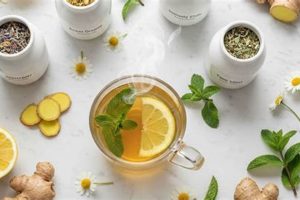
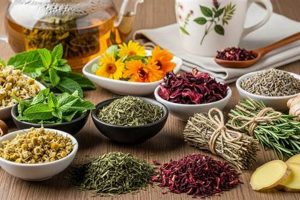
The beverage derived from the chamomile plant is categorized as a tisane, more commonly known as an herbal infusion. This classification stems from the fact that it is not made from the Camellia sinensis plant, the source of traditional teas like black, green, and oolong. Instead, it involves steeping dried flowers in hot water to extract their flavors and beneficial compounds.
This type of infusion offers a range of potential health benefits, including promoting relaxation and sleep, reducing anxiety, and possessing anti-inflammatory properties. Throughout history, various cultures have utilized it for medicinal purposes, recognizing its soothing effects and potential to alleviate minor ailments. Its gentle nature makes it a popular choice for individuals seeking a caffeine-free alternative to traditional tea.
The following sections will delve deeper into the specific varieties of chamomile used for this purpose, the preparation methods that maximize its flavor and health benefits, and a more detailed examination of the scientific evidence supporting its purported advantages.
Tips for Maximizing the Benefits of the Chamomile Infusion
To fully appreciate the qualities of the infusion derived from chamomile, adherence to specific preparation and consumption guidelines is recommended. These tips aim to optimize flavor, preserve beneficial compounds, and ensure a positive experience.
Tip 1: Select High-Quality Flowers: Opt for whole, dried chamomile flowers rather than tea bags containing fragmented material. Whole flowers generally retain more essential oils and deliver a more robust flavor profile.
Tip 2: Use Filtered Water: The quality of the water used for brewing significantly impacts the final taste. Filtered water, free from chlorine and other impurities, allows the chamomile’s natural flavors to shine through.
Tip 3: Steep at the Correct Temperature: Overly hot water can scald the delicate flowers, resulting in a bitter taste. Aim for a water temperature between 200-212F (93-100C) for optimal extraction.
Tip 4: Observe Proper Steeping Time: A steeping time of 5-7 minutes is generally recommended. Longer steeping times can lead to a stronger flavor, but may also result in a slightly bitter taste. Adjust steeping time to personal preference.
Tip 5: Cover During Steeping: Covering the cup or teapot while steeping helps to retain the volatile essential oils responsible for chamomile’s aroma and therapeutic properties.
Tip 6: Consider Adding Honey or Lemon: While the infusion is often enjoyed on its own, a touch of honey or a squeeze of lemon can complement the chamomile’s flavor and add additional health benefits.
Tip 7: Store Flowers Properly: To preserve the quality and potency of dried chamomile flowers, store them in an airtight container in a cool, dark, and dry place.
By following these guidelines, individuals can enhance their experience and maximize the potential benefits associated with consuming chamomile infusion.
The subsequent sections will explore the potential side effects and precautions associated with consumption, as well as comparisons to other related herbal infusions.
1. Botanical Origin

The botanical source is a fundamental determinant in defining beverages as herbal infusions. For chamomile, this aspect clarifies its distinction from true teas derived from the Camellia sinensis plant and establishes its placement within the broader category of herbal preparations.
- Species Identification: Matricaria chamomilla and Chamaemelum nobile
Two primary species contribute to the chamomile used for infusions: Matricaria chamomilla (German chamomile) and Chamaemelum nobile (Roman chamomile). Both species possess similar chemical compositions and are recognized for their therapeutic properties. The correct identification of the source plant is crucial for ensuring the authenticity and quality of the final product.
- Geographical Variation: Influence on Chemical Composition
The chemical composition of chamomile flowers, including the concentration of essential oils like bisabolol and chamazulene, can vary based on geographical location and environmental factors. Soil composition, climate, and cultivation practices all play a role in shaping the plant’s phytochemical profile, thereby influencing the resulting infusion’s flavor and therapeutic potential.
- Plant Part Used: Flowers as Primary Source
The flowers are the primary plant part utilized in the preparation of chamomile infusions. These flowers contain the highest concentration of active compounds responsible for the beverage’s characteristic aroma, flavor, and potential health benefits. While other parts of the plant may contain similar compounds, their concentration is generally lower, making the flowers the preferred source.
- Differentiation from True Tea: Absence of Camellia sinensis
A defining characteristic is the complete absence of the Camellia sinensis plant. True teas, such as black, green, white, and oolong teas, all originate from this single species. The use of chamomile flowers as the sole ingredient distinguishes the beverage as a tisane, ensuring its classification outside the scope of traditional teas.
These factors surrounding botanical origin collectively establish the chamomile beverage’s classification as a non-traditional tea, firmly grounding it within the domain of herbal infusions. By recognizing the specific species involved, acknowledging geographical influences, and understanding the utilized plant part, one gains a comprehensive understanding of its source and proper categorization.
2. Infusion Process

The infusion process is paramount to understanding the nature of this type of herbal preparation. The method by which the beverage is created directly links the raw botanical material to the final product, defining its characteristics and determining its efficacy. The act of steeping dried chamomile flowers in hot water serves as the essential extraction method, releasing the plant’s active compounds, volatile oils, and aromatic substances into the liquid medium. Without this precise process, the properties inherent to the chamomile plant would remain inaccessible, preventing the creation of the commonly consumed beverage. It determines the intensity of the flavor, the concentration of therapeutic constituents, and, ultimately, the overall quality of the final infusion. For instance, using water that is too hot can denature certain beneficial compounds, while insufficient steeping may lead to a weak and ineffective infusion.
The practical significance of understanding the infusion process extends to various applications. It enables consumers to optimize their preparation methods, ensuring that they extract the maximum benefit from the available plant material. Knowledge of ideal water temperatures, steeping times, and flower-to-water ratios allows for a controlled and repeatable process. Furthermore, a thorough understanding of the process allows for informed decision-making regarding product quality. For example, variations in infusion color or aroma can indicate differences in flower quality or improper processing techniques. Consequently, a consumer educated on the nuances of the infusion can select superior products and personalize their brewing methods to suit their individual needs and preferences. Finally, the infusion process is essential for clinical investigations seeking to isolate active compounds and quantify the therapeutic potential.
In summary, the infusion process forms an inextricable link between the chamomile plant and the final beverage. This process significantly impacts its flavor, therapeutic efficacy, and overall quality. A deeper understanding of this process offers practical benefits for consumers, industry professionals, and researchers alike, allowing for informed choices, optimized preparation techniques, and accurate evaluation of this herbal product’s potential. Thus, it is impossible to understand the nature of chamomile tea without a full appreciation of the method that produces it.
3. Caffeine Content

The absence of caffeine is a defining characteristic that firmly establishes the categorization of chamomile infusions as herbal teas. The cause-and-effect relationship is clear: the botanical composition of chamomile flowers inherently lacks caffeine, resulting in a beverage that offers a stimulant-free alternative to traditional tea and coffee. The significance of this characteristic lies in its appeal to individuals seeking to avoid the physiological effects associated with caffeine consumption, such as increased heart rate, anxiety, and sleep disturbances.
For example, individuals with caffeine sensitivity, pregnant women, and those seeking relaxation before bedtime often choose chamomile as a suitable substitute. The availability of a naturally caffeine-free option expands the range of choices for consumers with specific dietary or lifestyle needs. The practical implication is substantial: it allows individuals to enjoy a warm, comforting beverage without the stimulatory effects commonly associated with caffeinated options. Furthermore, the absence of caffeine contributes to the beverage’s reputation for promoting relaxation and aiding sleep, aligning with traditional uses in herbal medicine.
In conclusion, the absence of caffeine is not merely a trivial detail; it is a core attribute that defines its classification and dictates its suitability for a wide range of consumers. The lack of caffeine directly impacts its appeal, its physiological effects, and its place within the broader landscape of herbal and caffeinated beverages. This understanding is crucial for anyone seeking to make informed choices about their beverage consumption based on their individual health needs and preferences.
4. Traditional Use
Historical application offers substantial insight into the categorization. The established practice of using chamomile flowers to create infusions throughout various cultures and eras solidifies its identity as a therapeutic and medicinal beverage, separate from conventional teas.
- Ancient Medicinal Practices
Ancient civilizations, including the Egyptians, Greeks, and Romans, recognized chamomile’s therapeutic potential. Egyptians associated it with the sun god Ra and employed it in remedies for fever and skin ailments. Greeks and Romans prescribed it for its calming and anti-inflammatory properties. These historical applications demonstrate a long-standing understanding of chamomile’s beneficial effects, influencing its continued use.
- European Folk Medicine Traditions
Across Europe, chamomile was integrated into folk medicine traditions for a wide range of conditions. It was commonly used to treat digestive problems, anxiety, insomnia, and skin irritations. Herbalists and traditional healers relied on chamomile infusions as a gentle and accessible remedy, contributing to its widespread adoption. These practices underscore chamomile’s role as a readily available and trusted component of traditional healing systems.
- Modern Herbalism and Naturopathy
Contemporary herbalism and naturopathy continue to recognize and utilize chamomile. Herbal practitioners frequently recommend it for its calming, anti-inflammatory, and digestive support properties. The inclusion of chamomile in modern herbal pharmacopoeias reaffirms its value within contemporary holistic health practices. These applications maintain and extend the historical use of chamomile as a natural therapeutic agent.
- Cultural Significance in Rituals and Customs
Beyond its medicinal applications, chamomile held cultural significance in various rituals and customs. In some cultures, it was used in wedding ceremonies to symbolize love and happiness. Its soothing aroma was believed to ward off negative energies and promote relaxation. These cultural associations further emphasize chamomile’s longstanding presence and influence in diverse societies.
Considering the range of applications, encompassing ancient medicinal practices, European folk traditions, modern herbalism, and cultural rituals, the historical context firmly supports its classification as a valued herbal remedy, cementing its place within the scope of herbal preparations, and thus, reinforcing its standing.
5. Health Benefits

The perceived health benefits associated with the beverage contribute significantly to its classification as an herbal tea. These purported benefits, derived from the plant’s inherent chemical compounds, differentiate it from purely recreational beverages and align it with herbal remedies known for their therapeutic potential.
- Relaxation and Sleep Promotion
Chamomile contains compounds like apigenin, which may bind to certain brain receptors to decrease anxiety and initiate sleep. Consuming this beverage before bedtime has been suggested to improve sleep quality and reduce insomnia symptoms in some individuals. The promotion of relaxation and improved sleep are primary reasons many choose it over caffeinated teas.
- Anti-Inflammatory Properties
Certain constituents, such as chamazulene, exhibit anti-inflammatory properties. While research is ongoing, these compounds may help reduce inflammation throughout the body, potentially alleviating symptoms associated with inflammatory conditions. The presence of these anti-inflammatory agents further positions it within the context of herbal remedies.
- Digestive Aid
Historically, it has been used to soothe digestive upset. Some evidence suggests that it may help relax the digestive muscles, reducing bloating and gas. Its mild, soothing effect on the digestive system makes it a popular after-meal beverage, contributing to its reputation as a healthful infusion.
- Potential Antioxidant Effects
Chamomile flowers contain antioxidants that may help protect the body against free radical damage. While further research is needed, these antioxidants could contribute to overall health and well-being. The presence of these potentially beneficial antioxidants supports its categorization as more than just a flavorful drink, aligning it with other antioxidant-rich herbal preparations.
The potential health benefits, including relaxation, anti-inflammatory action, digestive support, and antioxidant effects, collectively reinforce its position as an herbal tea. While further scientific research is warranted to fully substantiate these claims, the historical and anecdotal evidence, combined with emerging scientific findings, supports its categorization as a beverage with potential therapeutic value.
Frequently Asked Questions
The following section addresses common inquiries and potential misconceptions related to the categorization and properties of chamomile infusions. These questions are designed to provide clarity and facilitate a deeper understanding.
Question 1: Is Chamomile Tea An Herbal Tea or a True Tea?
Chamomile is unequivocally an herbal infusion, often referred to colloquially as “tea” due to the similar preparation method. True teas originate exclusively from the Camellia sinensis plant. Chamomile infusions utilize the dried flowers of the Matricaria chamomilla or Chamaemelum nobile plant.
Question 2: Does Chamomile Contain Caffeine?
Chamomile is inherently caffeine-free. The botanical composition of the chamomile flower lacks caffeine, making it a suitable choice for those seeking to avoid stimulants.
Question 3: What are the primary health benefits associated with chamomile infusions?
Commonly cited benefits include relaxation and sleep promotion, potential anti-inflammatory effects, and mild digestive support. Scientific evidence supporting these claims varies, and further research is ongoing.
Question 4: Are there any potential side effects associated with consuming chamomile infusions?
While generally considered safe, some individuals may experience allergic reactions, particularly those with sensitivities to plants in the Asteraceae/Compositae family (e.g., ragweed, chrysanthemums). In rare cases, high doses may induce nausea or vomiting. Consultation with a healthcare professional is advisable for individuals with pre-existing medical conditions or those taking prescription medications.
Question 5: How should chamomile infusions be properly prepared to maximize their benefits?
Optimal preparation involves using high-quality, whole dried chamomile flowers and steeping them in hot (but not boiling) water for 5-7 minutes. Covering the infusion during steeping helps retain volatile essential oils.
Question 6: Can chamomile infusions interact with medications?
Potential interactions exist, particularly with blood thinners, sedatives, and certain medications metabolized by the liver. Consulting with a healthcare provider or pharmacist is crucial before incorporating chamomile into a routine if one is taking prescription medications.
The provided information is intended for general knowledge and should not be considered a substitute for professional medical advice. Individuals with specific health concerns should consult with a qualified healthcare provider.
The subsequent section will offer a concluding summary of the key points discussed throughout this article.
Conclusion
This exploration has affirmed that chamomile tea is an herbal tea, a classification supported by several factors. Its botanical origin from the Matricaria chamomilla or Chamaemelum nobile plants, the infusion-based preparation method, the complete absence of caffeine, its extensive history of traditional use, and the perceived health benefits collectively distinguish it from true teas derived from Camellia sinensis. Each characteristic reinforces this definitive categorization.
Understanding the precise nature of widely consumed beverages is essential for informed decision-making. While commonly referred to as “tea,” chamomile’s status as an herbal infusion reflects its unique composition and intended purpose. Individuals seeking alternatives to caffeinated beverages or exploring traditional herbal remedies will benefit from recognizing this distinction and utilizing this knowledge in their dietary choices.