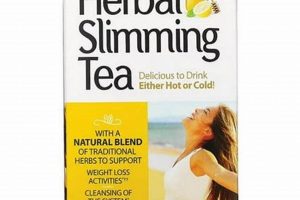
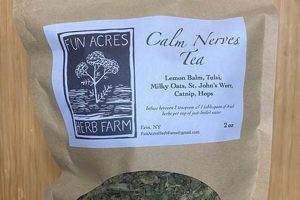
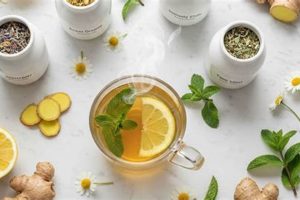
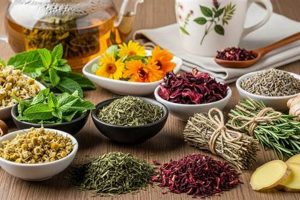
Infusions created from various plants, excluding Camellia sinensis (tea), Coffea (coffee), and Ilex paraguariensis (yerba mate), provide flavorful beverage options without the stimulant effects of caffeine. Chamomile, peppermint, and rooibos are examples of commonly consumed varieties that fall into this category.
These beverages offer a caffeine alternative for individuals seeking relaxation, improved sleep, or those sensitive to stimulants. Historically, many cultures have utilized herbal infusions for their perceived medicinal properties, ranging from aiding digestion to promoting overall well-being. The absence of caffeine allows for consumption throughout the day without disrupting sleep patterns.
The subsequent sections will delve into the specific health benefits associated with various herbal infusions, explore their diverse flavor profiles, and provide guidance on proper brewing techniques to maximize their therapeutic potential.
Guidance for Optimal Enjoyment
The following recommendations are intended to enhance the experience and maximize the potential benefits derived from stimulant-free plant infusions.
Tip 1: Source Quality Ingredients: Prioritize purchasing dried herbs from reputable suppliers. Organic certification can ensure the absence of pesticides and herbicides.
Tip 2: Proper Storage is Crucial: Preserve the potency and flavor of dried herbs by storing them in airtight containers, away from direct sunlight and moisture.
Tip 3: Optimize Water Temperature: Different herbs require varying water temperatures for optimal extraction. Generally, delicate flowers like chamomile benefit from lower temperatures (around 170F), while heartier roots and barks can withstand higher temperatures (near boiling).
Tip 4: Steep for the Recommended Time: Follow the steeping instructions provided by the supplier. Over-steeping can result in a bitter taste, while under-steeping may not fully release the herbs’ beneficial compounds.
Tip 5: Consider Combining Herbs: Experiment with blending different herbs to create unique flavor profiles and synergistic effects. Research the potential interactions between herbs before combining them.
Tip 6: Sweeten Judiciously: If desired, sweeten with natural alternatives like honey or stevia. Avoid excessive sugar consumption, as it can negate the health benefits.
Tip 7: Hydrate Consistently: Incorporate these infusions into a daily hydration routine. Regular consumption can contribute to overall well-being.
Adhering to these guidelines can ensure a more flavorful and beneficial experience with these beverages.
The subsequent sections will provide detailed information on specific varieties, their unique characteristics, and potential applications.
1. Varieties

The diversity within stimulant-free plant infusions stems from a wide range of plant sources, each offering distinct flavor profiles and potential therapeutic properties. Understanding these variations is crucial for consumers seeking specific benefits or sensory experiences.
- Floral Infusions
This category encompasses infusions made from the blossoms of various plants. Chamomile, for example, is derived from the Matricaria chamomilla flower and is often associated with relaxation and sleep promotion. Hibiscus, another floral infusion, provides a tart and vibrant flavor profile.
- Leaf Infusions
Leaves from various plants are utilized to create this category. Peppermint, derived from the Mentha piperita plant, is known for its refreshing and digestive properties. Lemon balm, another leaf infusion, offers a citrusy flavor and is often associated with calming effects.
- Root and Bark Infusions
This category includes infusions made from the roots or bark of plants. Ginger, derived from the Zingiber officinale root, is commonly used to alleviate nausea and aid digestion. Cinnamon, sourced from the bark of Cinnamomum trees, provides a warming and spicy flavor.
- Fruit Infusions
Dried fruits contribute unique flavor profiles to this category. Rosehip, the fruit of the rose plant, is a rich source of vitamin C and offers a tart flavor. Berry infusions, such as blueberry or raspberry leaf, provide antioxidants and fruity notes.
The extensive range of botanical sources allows for a diverse selection of stimulant-free plant infusions. Consumers can explore these variations to discover flavors and benefits that align with their individual preferences and health goals. Comparing the characteristics of different varieties provides a deeper appreciation for the complexity and potential of these beverages.
2. Benefits

The consumption of stimulant-free plant infusions is frequently associated with various potential health benefits. These benefits are derived from the unique chemical compositions of the individual herbs and their interactions within the human body. The absence of caffeine differentiates them from traditional tea and coffee, offering advantages for individuals sensitive to stimulants.
- Improved Sleep Quality
Certain herbs, such as chamomile and valerian root, possess sedative properties that may promote relaxation and improve sleep quality. These infusions can be consumed before bedtime to facilitate a more restful sleep, without the stimulating effects of caffeine that can disrupt sleep patterns. The mechanism involves interacting with neurotransmitters involved in sleep regulation.
- Digestive Support
Several herbal infusions are known for their digestive benefits. Peppermint can help relieve bloating and indigestion, while ginger can alleviate nausea. These effects are attributed to the anti-inflammatory and antispasmodic properties of the herbs, which can soothe the digestive tract and promote healthy digestion.
- Antioxidant Properties
Many herbs contain antioxidants, which can help protect the body against cellular damage caused by free radicals. Rooibos, for example, is rich in antioxidants and may contribute to overall health and well-being. These antioxidants neutralize harmful free radicals, reducing oxidative stress and potentially lowering the risk of chronic diseases.
- Stress Reduction
Certain herbal infusions, such as lavender and lemon balm, are known for their calming effects and can help reduce stress and anxiety. These infusions interact with the nervous system, promoting relaxation and reducing feelings of tension and anxiety. They provide a non-pharmacological approach to managing stress and promoting mental well-being.
The potential health benefits associated with stimulant-free plant infusions are diverse and depend on the specific herbs used. These beverages offer a caffeine-free alternative with a range of therapeutic properties, making them a suitable choice for individuals seeking natural approaches to promoting health and well-being.
3. Ingredients

The fundamental characteristic of stimulant-free plant infusions is their composition, which dictates both their flavor profiles and potential health benefits. The selection of specific plant parts flowers, leaves, roots, fruits, or barks determines the chemical constituents present in the resulting beverage. The exclusion of Camellia sinensis, Coffea, and Ilex paraguariensis is paramount, ensuring the absence of caffeine, the key defining attribute. Therefore, the precise ingredients are not merely components but the defining factor differentiating these infusions from caffeinated alternatives. For example, a blend of chamomile flowers ( Matricaria chamomilla) and lavender buds ( Lavandula angustifolia) will yield a beverage with calming properties due to the presence of compounds like apigenin and linalool, respectively. Conversely, the inclusion of green tea leaves would introduce caffeine, disqualifying it as a stimulant-free option.
The source and quality of the ingredients directly impact the final product. Organic farming practices minimize the presence of pesticides and herbicides, ensuring a purer infusion. Furthermore, the drying and storage methods affect the preservation of volatile oils and other bioactive compounds. Substandard ingredients, such as those that are improperly dried or stored, can result in a bland or even unpalatable beverage with diminished health benefits. Therefore, sourcing from reputable suppliers who prioritize quality control is crucial. This understanding underscores the practical significance of ingredient awareness for both consumers and producers.
In summary, the ingredients are intrinsically linked to the identity and efficacy of stimulant-free plant infusions. Their selection dictates the flavor, aroma, and potential health benefits, while their quality directly impacts the overall consumer experience. Recognizing the importance of sourcing and preparation is essential for maximizing the benefits and appreciating the nuances of these diverse beverages. The integrity of the ingredients forms the foundation for the entire concept of stimulant-free herbal infusions.
4. Preparation
The preparation method significantly impacts the flavor, aroma, and potential therapeutic properties extracted from stimulant-free plant infusions. Optimal preparation techniques ensure the full expression of the herb’s characteristics while minimizing undesirable outcomes such as bitterness or diluted flavors.
- Water Temperature
Different herbs require specific water temperatures for optimal extraction. Overly hot water can scorch delicate herbs, leading to a bitter taste, while insufficient heat may result in a weak infusion. Generally, floral and leafy herbs benefit from lower temperatures (170-185F), while roots and barks can withstand higher temperatures (195-212F). Precise temperature control is therefore essential.
- Steeping Time
The duration of steeping influences the concentration and balance of flavors in the final beverage. Over-steeping can lead to bitterness as tannins are released, while under-steeping may result in a weak and underdeveloped flavor profile. Recommended steeping times typically range from 3 to 7 minutes, depending on the herb and personal preference. Adherence to recommended steeping times is vital for achieving the desired taste and potency.
- Herb to Water Ratio
The proportion of dried herb to water directly affects the strength and intensity of the infusion. Using too little herb will result in a weak and watery beverage, while using too much can lead to an overly concentrated and potentially bitter brew. A general guideline is 1-2 teaspoons of dried herb per 8 ounces of water, but adjustments may be necessary based on the specific herb and individual taste preferences.
- Filtration Method
The method used to separate the infused liquid from the spent herbs can impact the final clarity and mouthfeel of the beverage. Options include tea infusers, tea bags, and French presses. The choice of filtration method depends on personal preference and the type of herb being used. Fine-mesh infusers or tea bags are recommended for herbs with small particles to prevent sediment in the final beverage.
Proper preparation is crucial for maximizing the enjoyment and potential benefits of stimulant-free plant infusions. Attention to water temperature, steeping time, herb to water ratio, and filtration method ensures that the desired flavors and therapeutic compounds are fully extracted, resulting in a satisfying and beneficial beverage experience.
5. Flavors

Flavor, in the context of stimulant-free plant infusions, represents a complex interplay of aromatic compounds and gustatory sensations derived from the specific herbs employed. The absence of caffeine necessitates that flavor profiles rely entirely on these herbal constituents, making the taste experience a defining characteristic of these beverages. The selection of particular herbs directly dictates the resulting flavor, with chamomile providing a floral and slightly sweet note, while peppermint offers a refreshing and cooling sensation. The effectiveness of a plant infusion in achieving its intended purpose, such as relaxation or digestive support, is often correlated with its palatability. If the taste is unappealing, adherence to a regular consumption pattern becomes less likely, thereby diminishing the potential benefits. Examples include the earthy notes of rooibos, the citrusy zing of lemon balm, and the spicy warmth of ginger, each contributing to a unique sensory experience distinct from caffeinated beverages.
The practical significance of flavor extends beyond mere enjoyment to encompass the development of palatable therapeutic formulations. Herbalists and product developers carefully blend different herbs to achieve synergistic effects, both in terms of health benefits and taste. For instance, combining chamomile with lavender not only enhances relaxation but also creates a more balanced flavor profile. The challenge lies in masking the potentially bitter or unpleasant tastes of certain herbs while preserving their therapeutic properties. This requires a deep understanding of herbal constituents and their interactions, as well as a sensitivity to consumer preferences. The blending process is critical, focusing on achieving a harmonious and enjoyable taste without compromising the intended efficacy.
In summary, flavor is not merely an ancillary attribute but a fundamental component of stimulant-free plant infusions. Its influence extends from the selection of individual herbs to the formulation of complex blends. Addressing the challenges of palatability is essential for promoting consistent consumption and maximizing the potential health benefits. The ability to create flavorful and therapeutic beverages represents a key factor in the widespread acceptance and utilization of stimulant-free herbal infusions.
6. Origins
The geographical and historical origins of plants used in stimulant-free infusions significantly influence their chemical composition, availability, and cultural associations, impacting consumer perception and product authenticity.
- Geographic Location and Climate
The specific region where a plant is cultivated directly affects its flavor profile and concentration of active compounds. For example, chamomile grown in Egypt possesses different characteristics compared to that cultivated in Germany due to variations in soil composition, sunlight exposure, and rainfall patterns. This geographical specificity contributes to the unique qualities associated with particular herbal infusions.
- Traditional Knowledge and Practices
Indigenous cultures often possess extensive knowledge regarding the medicinal and culinary applications of local plants. This traditional wisdom, passed down through generations, informs the harvesting, processing, and preparation methods used for stimulant-free infusions. The utilization of these time-honored practices contributes to the authenticity and perceived efficacy of these beverages.
- Historical Trade Routes and Cultural Exchange
The exchange of plants and knowledge along historical trade routes has disseminated stimulant-free infusions across different regions and cultures. The introduction of rooibos from South Africa to other parts of the world exemplifies this phenomenon. These historical connections influence consumer awareness and appreciation for the diverse range of herbal infusions available.
- Cultivation and Sourcing Practices
The methods used to cultivate and source plants influence the sustainability and ethical considerations associated with stimulant-free infusions. Practices such as organic farming and fair trade initiatives ensure environmental protection and equitable compensation for farmers. These factors contribute to the overall value and consumer appeal of these beverages.
The origins of stimulant-free plant infusions are inextricably linked to their inherent qualities and cultural significance. Understanding these origins enhances appreciation for the diversity and potential of these beverages, allowing consumers to make informed choices based on factors such as flavor, health benefits, and ethical considerations. The convergence of geography, tradition, history, and cultivation practices shapes the identity and value of stimulant-free herbal teas.
Frequently Asked Questions
The following section addresses common inquiries regarding stimulant-free herbal infusions, offering clear and concise information to enhance understanding and inform consumer choices.
Question 1: Are all herbal teas naturally devoid of caffeine?
Not all beverages marketed as “herbal tea” are inherently free of caffeine. True stimulant-free herbal infusions consist solely of plant material other than Camellia sinensis (tea), Coffea (coffee), and Ilex paraguariensis (yerba mate). Careful inspection of ingredient labels is crucial to confirm the absence of these caffeine-containing plants.
Question 2: How can the presence of caffeine be verified in an herbal tea blend?
The ingredient list provides the primary means of verifying the absence of caffeine. If any form of tea leaves (e.g., green tea, black tea, white tea) is listed, the product contains caffeine. In cases of uncertainty, contacting the manufacturer directly to inquire about caffeine content is advisable.
Question 3: Do stimulant-free herbal infusions offer the same health benefits as traditional teas?
Stimulant-free herbal infusions offer a different spectrum of health benefits compared to traditional teas derived from Camellia sinensis. While traditional teas are rich in antioxidants, herbal infusions provide benefits specific to the herbs used, such as relaxation (chamomile), digestive support (peppermint), or immune system enhancement (elderberry). The benefits are contingent on the individual herb’s properties.
Question 4: What is the optimal water temperature for brewing stimulant-free herbal infusions?
Optimal water temperature varies depending on the specific herb. Delicate flowers and leaves generally require lower temperatures (170-185F) to prevent scorching and preserve flavor. Hardier roots and barks can withstand higher temperatures (195-212F). Consulting brewing instructions specific to the herbal blend is recommended.
Question 5: Can stimulant-free herbal infusions interact with medications?
Certain herbs can interact with medications. For example, St. John’s Wort can interfere with various prescription drugs. Individuals taking medications should consult with a healthcare professional before regularly consuming herbal infusions to avoid potential adverse interactions.
Question 6: How should stimulant-free herbal infusions be stored to maintain freshness?
To preserve flavor and potency, stimulant-free herbal infusions should be stored in airtight containers away from direct sunlight, heat, and moisture. Proper storage helps prevent oxidation and degradation of volatile oils, ensuring a longer shelf life and a more flavorful beverage.
These answers provide a foundational understanding of stimulant-free herbal infusions. Careful consideration of ingredients, preparation methods, and potential interactions is essential for safe and enjoyable consumption.
The following section will explore recipe ideas and creative uses for stimulant-free herbal infusions.
Conclusion
This exploration has illuminated the multifaceted nature of caffeine-free herbal teas. From diverse botanical origins to varying preparation techniques and potential health benefits, a comprehensive understanding of these beverages enables informed consumer choices. The absence of caffeine is a defining characteristic, differentiating them from traditional tea and coffee and appealing to individuals seeking alternatives.
Continued research into the specific properties of various herbs will further validate their therapeutic potential and inform optimal consumption practices. The increasing demand for natural and health-conscious beverages suggests a promising future for caffeine-free herbal teas, fostering innovation in flavor combinations and sustainable sourcing methods. The cultivation and appreciation of these infusions represent a significant aspect of both personal well-being and global botanical knowledge.