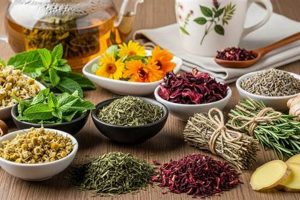
Beverages crafted from infusions or decoctions of herbs, spices, or other plant material can offer a stimulating and mentally clarifying effect. These preparations, distinct from true teas (derived from Camellia sinensis), are formulated to provide a natural lift without the potentially jarring effects of caffeine found in coffee or black tea. For instance, a blend of peppermint and rosemary might be consumed to enhance alertness during periods of prolonged concentration.
The appeal of these plant-based infusions lies in their potential to promote sustained vitality and heightened concentration. Historically, cultures worldwide have utilized botanical remedies for their invigorating and cognitive-enhancing properties. These traditional practices highlight the long-standing recognition of the connection between specific plant compounds and improved mental performance, offering a gentler alternative to synthetic stimulants.
The subsequent discussion will delve into specific herbal ingredients known for their revitalizing and focus-enhancing attributes, examining their mechanisms of action and potential applications for individuals seeking a natural boost to their daily routines. This will include exploration of herbal properties, preparation methods, and considerations for responsible consumption.
Enhancing Vitality and Concentration
The following recommendations provide a framework for incorporating targeted botanical infusions into a daily regimen to support enhanced vitality and concentration.
Tip 1: Prioritize Ingredient Quality: Source herbs from reputable suppliers to ensure purity and potency. Organic options are preferable to minimize exposure to pesticides and herbicides.
Tip 2: Consider Synergistic Blends: Combine herbs with complementary effects. For example, pairing adaptogens with herbs known for their stimulating properties may provide a balanced and sustained effect.
Tip 3: Optimize Brewing Techniques: Adhere to recommended steeping times and temperatures to effectively extract beneficial compounds without compromising flavor or causing bitterness.
Tip 4: Monitor Individual Responses: Begin with small quantities and gradually increase dosage as needed, paying close attention to any potential adverse reactions or sensitivities.
Tip 5: Integrate Strategically: Consume herbal preparations at times when enhanced focus and energy are most desired, such as during work hours or before mentally demanding tasks.
Tip 6: Maintain Hydration: Supplement herbal consumption with adequate water intake to prevent dehydration and support overall well-being.
Tip 7: Consult with a Healthcare Professional: Individuals with pre-existing medical conditions or those taking medications should seek guidance from a qualified healthcare provider before incorporating new herbs into their diet.
Adherence to these guidelines can maximize the potential benefits of utilizing select botanical infusions for supporting natural vitality and concentration.
The subsequent section will address potential concerns and considerations regarding the responsible integration of these infusions into a balanced lifestyle.
1. Ingredient Sourcing

The origin and processing methods of herbal ingredients exert a profound influence on the quality and efficacy of infusions designed to enhance vitality and focus. Responsible ingredient sourcing is thus paramount when seeking consistent and predictable outcomes from these preparations.
- Geographic Origin and Cultivation Practices
The geographical location where herbs are grown, along with the cultivation practices employed, directly impact their chemical composition. Soil quality, climate, and the use of pesticides or herbicides all contribute to the presence and concentration of active compounds within the plant material. Herbs sourced from regions with optimal growing conditions and sustainable farming methods tend to exhibit higher levels of desired phytochemicals.
- Harvesting Techniques and Timing
The method and timing of harvesting play a crucial role in preserving the integrity of herbal ingredients. Harvesting at the peak of the plant’s maturity cycle, when active compounds are most concentrated, is essential. Proper handling during harvest, such as gentle cutting and avoiding excessive bruising, minimizes damage and prevents the degradation of sensitive constituents. Immediate processing or drying after harvest is also necessary to maintain quality.
- Drying and Storage Methods
The techniques used for drying and storing herbal ingredients significantly affect their long-term stability and potency. Air-drying in a controlled environment, away from direct sunlight and excessive humidity, is a common method for preserving volatile oils and other delicate compounds. Proper storage in airtight containers, protected from light and heat, prevents oxidation and degradation, ensuring that the herbs retain their therapeutic properties for an extended period.
- Certification and Quality Control
Third-party certifications, such as organic or Good Agricultural Practices (GAP) certifications, provide assurance that herbal ingredients meet specific quality standards. Rigorous quality control measures, including testing for heavy metals, pesticides, and microbial contamination, are essential for verifying the purity and safety of the herbs. Transparency in sourcing and manufacturing processes builds consumer confidence and ensures that the final product is both effective and safe for consumption.
In summary, the selection of high-quality herbal ingredients, obtained through responsible sourcing practices, is a fundamental prerequisite for achieving the desired benefits of vitality and focus. Prioritizing herbs that are organically grown, ethically harvested, and properly processed maximizes the likelihood of a positive and consistent outcome from plant-based infusions.
2. Specific Herb Profiles

The selection of individual herbs and their respective profiles is paramount in formulating effective infusions designed to promote enhanced vitality and sustained concentration. The inherent biochemical properties of each herb dictate its specific effects on the body and mind, thereby influencing the overall efficacy of the final preparation.
- Ginseng (Panax ginseng)
Ginseng, particularly Panax ginseng, contains ginsenosides, compounds known for their adaptogenic properties. These compounds are believed to help the body adapt to stress, reduce fatigue, and improve cognitive function. Clinical studies have indicated that ginseng may enhance memory, focus, and overall mental performance, making it a valuable addition to infusions intended for energy and focus enhancement.
- Ginkgo Biloba
Ginkgo Biloba is recognized for its vasodilatory effects, which can improve blood flow to the brain. This enhanced cerebral circulation may result in improved memory, concentration, and mental clarity. Studies suggest that Ginkgo Biloba can be particularly beneficial for individuals experiencing age-related cognitive decline or those seeking to enhance cognitive performance during periods of mental exertion.
- Peppermint (Mentha piperita)
Peppermint contains menthol, a compound known for its stimulating and refreshing properties. The aroma of peppermint has been shown to improve alertness, focus, and memory recall. The refreshing taste and invigorating scent can help reduce mental fatigue and improve overall cognitive performance, making it a popular choice for infusions intended to boost energy and concentration.
- Rosemary (Salvia rosmarinus)
Rosemary contains compounds such as rosmarinic acid and cineole, which are believed to have antioxidant and anti-inflammatory properties. Rosemary has been traditionally used to improve memory and cognitive function. Studies suggest that inhaling the aroma of rosemary can enhance memory recall and cognitive performance, making it a beneficial addition to infusions designed to support mental clarity and focus.
The synergistic combination of these herbs, each possessing unique biochemical profiles and mechanisms of action, can result in a potent and well-rounded infusion that effectively promotes both vitality and mental focus. The careful selection and blending of these botanical ingredients, based on their specific properties, is essential for optimizing the overall effectiveness of the herbal preparation.
3. Brewing Method Impact

The method by which botanical ingredients are prepared for consumption significantly affects the extraction of active compounds, thereby influencing the ultimate efficacy of infusions intended to enhance energy and focus. Deviations in brewing parameters, such as water temperature and steeping time, can lead to suboptimal extraction, resulting in a less potent and less effective final product. Conversely, optimized brewing techniques can maximize the release of beneficial constituents, potentiating the intended cognitive and energizing effects. For example, steeping delicate floral herbs, such as chamomile or lavender, at excessively high temperatures can degrade their volatile oils, diminishing their therapeutic properties. In contrast, more robust herbs, like roots or barks, often require longer steeping times and higher water temperatures to effectively release their active compounds.
The impact of the brewing process extends beyond simple extraction efficiency. Specific brewing methods can selectively extract different types of compounds from the same herb. For instance, a short, hot infusion might primarily extract stimulant compounds, while a longer, cooler decoction may favor the release of adaptogenic constituents. Consequently, the choice of brewing method directly influences the overall balance and profile of the final infusion. Traditional herbal practices often prescribe specific brewing techniques tailored to individual herbs, reflecting an empirical understanding of these nuances. Failure to adhere to these established guidelines can lead to inconsistent or unpredictable results, undermining the desired energizing and focusing effects. The use of inappropriate materials for brewing, such as reactive metals, can also alter the chemical composition of the brew, potentially introducing undesirable byproducts.
In conclusion, the brewing method is a critical determinant of the chemical composition and ultimate efficacy of herbal infusions designed to enhance energy and focus. A thorough understanding of the specific requirements of each herb, coupled with adherence to appropriate brewing techniques, is essential for maximizing the therapeutic potential of these preparations. This aspect underscores the importance of informed practices in achieving the desired cognitive and energizing effects from plant-based infusions. Challenges remain in standardizing brewing parameters for diverse herbal blends, highlighting the need for further research and refinement of established practices.
4. Individual Sensitivity
The physiological response to botanical infusions designed to enhance vitality and concentration exhibits considerable variability among individuals. This sensitivity, governed by a complex interplay of genetic predispositions, pre-existing health conditions, and lifestyle factors, dictates the nature and magnitude of the effects experienced from these preparations.
- Genetic Predisposition
Genetic variations influence the activity of enzymes involved in the metabolism of plant compounds. Individuals with slower metabolic pathways may experience prolonged or intensified effects from certain herbs, increasing the risk of adverse reactions. Conversely, those with rapid metabolism may require higher dosages to achieve the desired outcomes. Genetic factors also impact the sensitivity of neurotransmitter receptors to specific plant constituents, further contributing to the heterogeneity of responses.
- Pre-existing Health Conditions
Underlying medical conditions can significantly alter an individual’s sensitivity to botanical infusions. Individuals with cardiovascular conditions may experience adverse effects from herbs that stimulate the cardiovascular system. Similarly, those with gastrointestinal disorders may be more susceptible to digestive upset from certain plant constituents. Individuals with autoimmune disorders may exhibit heightened sensitivity to herbs that modulate the immune system. Interactions between herbal constituents and prescription medications must also be considered, particularly in individuals with complex medical regimens.
- Allergic Reactions
Hypersensitivity to specific plant families or constituents can manifest as allergic reactions, ranging from mild skin irritations to severe anaphylactic responses. Prior exposure to related plants, either through dietary intake or environmental contact, may increase the likelihood of sensitization. Individuals with a history of allergies should exercise caution when introducing new herbal infusions into their regimen, initiating with small quantities and carefully monitoring for any signs of adverse reactions. Cross-reactivity between different plant species is a common phenomenon, further complicating the assessment of individual sensitivity.
- Dosage and Frequency
The magnitude of the physiological response to herbal infusions is directly related to the dosage and frequency of consumption. Excessive intake can overwhelm the body’s metabolic and detoxification pathways, leading to adverse effects. Individuals with heightened sensitivity may experience undesirable symptoms even at low dosages. Gradual titration of the dosage, coupled with careful monitoring of subjective experiences, is essential for optimizing the balance between therapeutic benefits and potential risks. The timing of consumption, relative to meals and other activities, can also influence the rate of absorption and subsequent physiological effects.
Recognizing and addressing individual sensitivity is paramount for safe and effective utilization of botanical infusions intended to enhance vitality and concentration. A personalized approach, informed by a thorough understanding of individual health history and genetic predispositions, is essential for maximizing the benefits and minimizing the risks associated with these preparations. The potential for adverse reactions, particularly in vulnerable populations, underscores the need for cautious integration of herbal remedies into daily routines.
5. Balanced Consumption

Responsible integration of botanical infusions designed to enhance energy and focus necessitates adherence to principles of balanced consumption. Overconsumption or inappropriate timing can negate the intended benefits and potentially induce adverse effects. A measured and thoughtful approach is crucial for realizing sustained advantages while mitigating potential risks.
- Moderation in Quantity
Excessive intake of even mild botanical stimulants can lead to overstimulation, resulting in anxiety, insomnia, or digestive upset. Determining an appropriate daily limit, tailored to individual tolerance and metabolic capacity, is essential. Starting with small quantities and gradually increasing dosage allows for accurate assessment of individual sensitivity. For example, consuming multiple cups of an infusion containing highly stimulating herbs, such as guarana, in quick succession can induce palpitations and jitteriness. Dilution of concentrated preparations is advisable to minimize the risk of adverse reactions.
- Strategic Timing
The timing of consumption should align with periods of desired cognitive enhancement, typically during daylight hours. Consuming stimulating infusions close to bedtime can disrupt sleep patterns, leading to reduced energy levels and impaired cognitive function the following day. For instance, an infusion containing rosemary, known for its stimulating properties, is best consumed in the morning or early afternoon to avoid interfering with sleep onset. Understanding the duration of action of specific herbs is also important for optimizing timing. Certain herbs may provide a prolonged, sustained release of energy, while others offer a more immediate but shorter-lived effect.
- Cycling and Breaks
Prolonged, uninterrupted consumption of botanical stimulants can lead to tolerance, diminishing their effectiveness over time. Periodic cycling, involving periods of abstinence from specific herbs, can help restore sensitivity and prevent the development of dependence. Taking regular breaks from stimulating infusions, perhaps for a few days each week or a longer period each month, allows the body to recalibrate its response. This approach is analogous to the practice of cycling caffeine intake to maintain its effectiveness as a stimulant.
- Holistic Lifestyle Integration
Relying solely on botanical infusions to enhance energy and focus, without addressing underlying lifestyle factors, is unlikely to yield sustainable benefits. Adequate sleep, regular exercise, a balanced diet, and stress management techniques are all essential for optimizing cognitive function and energy levels. Infusions should be viewed as a complementary tool, rather than a substitute for healthy lifestyle habits. For example, an individual experiencing chronic fatigue due to sleep deprivation will likely derive limited benefit from stimulating herbs if they fail to address their underlying sleep deficit.
In summary, balanced consumption of botanical infusions requires a holistic approach that encompasses moderation, strategic timing, cycling, and integration with healthy lifestyle practices. This multifaceted strategy is essential for maximizing the potential benefits of these preparations while minimizing the risk of adverse effects. This approach should enhance cognition in a responsible way.
6. Potential Interactions

The concurrent consumption of botanical infusions intended for enhanced vitality and concentration with pharmaceutical agents or other herbal remedies carries the potential for significant interactions. These interactions, arising from synergistic or antagonistic effects between active compounds, may alter drug efficacy, amplify side effects, or introduce novel toxicities. A thorough understanding of these potential interactions is crucial for ensuring the safe and effective utilization of herbal preparations.
- Herb-Drug Interactions
Herbal constituents can interfere with drug absorption, distribution, metabolism, or excretion (ADME), altering the pharmacokinetic profile of pharmaceutical agents. For example, St. John’s Wort, often used to elevate mood, can induce the CYP3A4 enzyme, accelerating the metabolism of numerous drugs, including oral contraceptives and immunosuppressants, potentially reducing their effectiveness. Similarly, Ginkgo Biloba, purported to improve cognitive function, possesses antiplatelet activity and can increase the risk of bleeding when co-administered with anticoagulant or antiplatelet drugs, such as warfarin or aspirin.
- Herb-Herb Interactions
Combining different herbal remedies with similar or opposing effects can lead to synergistic or antagonistic interactions. The concurrent use of multiple stimulating herbs, such as guarana, ginseng, and green tea, can result in excessive stimulation, causing anxiety, insomnia, and palpitations. Conversely, combining herbs with opposing effects, such as a stimulating herb and a sedative herb, may negate the intended therapeutic outcomes. A careful assessment of the pharmacological properties of each herb is essential for avoiding undesirable interactions.
- Impact on Pre-existing Conditions
Certain herbal constituents may exacerbate pre-existing medical conditions or interfere with their management. For instance, individuals with hypertension should exercise caution when consuming herbs with vasoconstrictive properties, such as ephedra (now largely banned but still found in some products), as these can further elevate blood pressure. Similarly, individuals with diabetes should be aware that some herbs can affect blood glucose levels, potentially requiring adjustments in their medication regimen. Consultation with a healthcare professional is essential for individuals with underlying medical conditions considering the use of herbal infusions.
- Variability in Product Composition
The composition and potency of herbal products can vary significantly depending on the source, processing methods, and quality control measures employed. This variability increases the risk of unpredictable interactions. Adulteration with undeclared pharmaceutical ingredients is also a concern, particularly in unregulated herbal products. Purchasing herbal products from reputable manufacturers with transparent sourcing and rigorous quality control procedures is crucial for minimizing the risk of adulteration and ensuring consistent product composition. Third-party certification can provide an additional layer of assurance regarding product quality and purity.
In conclusion, the potential for interactions represents a significant consideration when incorporating botanical infusions into a health regimen, particularly in conjunction with pharmaceutical agents or other herbal remedies. A comprehensive understanding of herb-drug and herb-herb interactions, coupled with awareness of pre-existing conditions and variability in product composition, is essential for ensuring safe and effective utilization of plant-based infusions. This approach should improve well-being while consuming herbal teas.
Frequently Asked Questions
This section addresses common inquiries regarding the use of botanical infusions to promote vitality and mental clarity.
Question 1: What distinguishes “herbal tea for energy and focus” from traditional tea?
Herbal preparations do not contain leaves from the Camellia sinensis plant (the source of traditional teas). They consist of infusions or decoctions derived from herbs, spices, and other plant materials. This distinction is crucial, as traditional teas contain caffeine, whereas many herbal formulations are naturally caffeine-free.
Question 2: Is it safe to consume “herbal tea for energy and focus” daily?
The safety of daily consumption depends on the specific herbs included in the formulation and individual physiological factors. Certain herbs, such as ginseng, are generally considered safe for daily use, while others may require moderation or periodic breaks. Consultation with a healthcare professional is advised, especially for individuals with pre-existing medical conditions.
Question 3: How quickly does “herbal tea for energy and focus” take effect?
The onset of effects varies depending on the specific herbs and individual metabolic rates. Some herbs, such as peppermint, may provide immediate stimulation, while others, such as adaptogens, require consistent use over several weeks to produce noticeable benefits.
Question 4: Can “herbal tea for energy and focus” replace caffeine?
While some herbal infusions offer stimulating effects, they typically provide a gentler and more sustained form of energy compared to caffeine. They may be a suitable alternative for individuals seeking to reduce caffeine intake, but the effects are not directly equivalent.
Question 5: Are there any side effects associated with “herbal tea for energy and focus”?
Potential side effects vary depending on the specific herbs used. Some individuals may experience digestive upset, allergic reactions, or interactions with medications. It is essential to research the potential side effects of each herb and to start with small quantities to assess individual tolerance.
Question 6: Where can one purchase high-quality “herbal tea for energy and focus”?
Reputable sources include specialized tea shops, health food stores, and online retailers that prioritize ingredient quality and transparency. Look for products that specify the source of the herbs and undergo third-party testing for purity and potency.
In summary, responsible consumption and a comprehensive understanding of individual ingredients are essential when incorporating herbal infusions into a daily routine.
The subsequent section will delve into preparation techniques to maximize the benefits of herbal infusions.
Herbal Tea for Energy and Focus
The preceding exploration has illuminated the multifaceted aspects of botanical infusions intended to enhance vitality and mental acuity. Considerations ranging from ingredient sourcing and individual herb profiles to brewing techniques and potential interactions have been addressed. The importance of informed decision-making, personalized approaches, and responsible consumption has been consistently emphasized throughout this discourse. Recognizing the variability in individual responses and the potential for adverse effects is paramount for ensuring safe and effective utilization.
Further research into the specific mechanisms of action of individual herbs and their synergistic effects is warranted to refine existing practices and optimize the formulation of botanical infusions. Continued vigilance regarding product quality, transparency in sourcing, and adherence to established safety guidelines will contribute to the responsible and beneficial integration of herbal remedies into health regimens. The potential for these plant-based preparations to contribute to improved well-being and cognitive function remains contingent upon diligent and informed application.