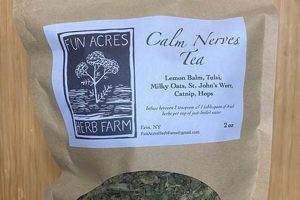
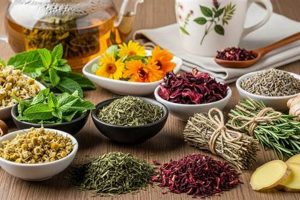
A systematic arrangement for cultivating plants intended for brewing beverages, based on their medicinal or flavor properties, constitutes a design for the dedicated space. This design incorporates factors such as plant compatibility, sunlight exposure, soil requirements, and accessibility for harvesting. As an example, a layout may strategically place mint and chamomile near a water source while providing afternoon shade for lemon balm.
Developing a well-considered blueprint yields numerous advantages. It allows for optimized use of available space, promotes plant health through proper placement and resource allocation, and ensures a continuous supply of fresh ingredients for crafting infusions. Historically, these gardens were essential components of apothecaries and monasteries, providing remedies and flavorful additions to daily life, reflecting a deep understanding of botany and its practical application.
The subsequent sections will delve into specific considerations for developing successful garden designs, covering topics such as plant selection based on climate and desired flavor profiles, optimal soil preparation techniques, methods for managing pests and diseases organically, and best practices for harvesting and preserving the harvested material.
Essential Guidance for Effective Cultivation
The following recommendations offer practical advice to maximize the functionality and productivity of designated planting areas, ensuring a flourishing source of botanicals for healthful beverage preparation.
Tip 1: Conduct Thorough Site Assessment: Before implementation, evaluate sunlight exposure, soil type, and drainage patterns. This assessment informs plant selection and necessary soil amendments.
Tip 2: Prioritize Plant Compatibility: Strategically group plants with similar needs. Avoid placing those with vastly different water or sunlight requirements in close proximity to prevent resource competition.
Tip 3: Employ Succession Planting: Extend the harvest season by planting varieties with varying maturity rates or staggering planting times for the same species. This ensures a continuous supply of fresh material.
Tip 4: Implement Organic Pest Control: Utilize natural predators, companion planting, and physical barriers to manage pests. Avoid synthetic pesticides to maintain the purity of the harvested materials.
Tip 5: Ensure Adequate Drainage: Proper drainage is crucial to prevent root rot, a common issue with many herbs. Amend heavy clay soils with organic matter to improve drainage.
Tip 6: Consider Vertical Gardening: Maximize space utilization in small areas by employing vertical structures such as trellises or wall-mounted planters. This also improves air circulation.
Tip 7: Label Plants Clearly: Accurate labeling is essential for identification, especially when cultivating multiple varieties or species. Use durable, weather-resistant labels to prevent misidentification.
Adhering to these guidelines promotes a thriving and sustainable source of plant material, enabling the consistent production of high-quality herbal infusions. A carefully considered and diligently maintained planting area is an invaluable asset for those seeking natural remedies and flavorful beverages.
The subsequent conclusion will summarize the key elements discussed and underscore the long-term value of investing in a thoughtfully designed and well-maintained cultivation area.
1. Plant selection criteria

The deliberate selection of plants serves as the foundational step in the successful establishment of a cultivation space intended for the production of herbal infusions. These criteria have a direct, causative effect on the long-term productivity, health, and overall functionality of the garden. For instance, selecting plant varieties unsuited to the local climate results in stunted growth, increased susceptibility to disease, and ultimately, a reduced yield of usable material. Conversely, choosing disease-resistant cultivars adapted to local conditions maximizes resource efficiency and minimizes the need for intervention. The importance of informed decisions regarding plant selection cannot be overstated, as it directly influences the viability of the entire undertaking.
Beyond climate and disease resistance, plant selection should also consider intended flavor profiles and medicinal properties. A layout designed to produce calming blends might prioritize chamomile, lavender, and lemon balm, while a layout aimed at invigorating infusions may emphasize peppermint, rosemary, and ginger. This approach demands a thorough understanding of each plant’s individual requirements, including optimal soil pH, sunlight exposure, and water needs. Ignoring these factors can lead to imbalances within the garden ecosystem, negatively impacting the growth and quality of all species present. For example, planting aggressive species like mint without proper containment can quickly lead to them outcompeting slower-growing, more delicate herbs.
In summary, plant selection represents a critical determinant in the success of a cultivation space. Rigorous adherence to established criteria, encompassing climate suitability, desired properties, and ecological compatibility, ensures a thriving and productive resource. Overlooking these factors introduces challenges that can undermine the entire endeavor, highlighting the practical significance of a well-informed and carefully considered approach. Future garden expansion or renovation should be predicated on a continuous evaluation of plant performance and a willingness to adapt based on observed results.
2. Sunlight, soil compatibility

Effective cultivation of botanicals intended for herbal infusions hinges on the critical interplay between sunlight exposure and soil composition. These factors directly influence plant health, yield, and the overall success of a planting area. Failure to align these elements with the specific requirements of each plant species can result in reduced vitality and diminished production capacity, directly impacting the desired outcome.
- Optimizing Photosynthesis through Sunlight Management
Adequate sunlight is essential for photosynthesis, the process by which plants convert light energy into chemical energy for growth. Different species exhibit varying sunlight needs, ranging from full sun (6+ hours daily) to partial shade (2-4 hours). A carefully designed area accounts for these variations by strategically positioning plants based on their individual light requirements. For example, chamomile and rosemary thrive in full sun, while lemon balm and mint tolerate partial shade. Mismatched sunlight exposure can lead to stunted growth, reduced flowering, and diminished essential oil content, directly impacting the quality of herbal infusions.
- Soil Composition and Nutrient Availability
Soil provides physical support, water, and essential nutrients for plant growth. The ideal soil composition varies depending on the species, but generally, a well-draining loam enriched with organic matter is preferred. Soil pH also plays a critical role, influencing nutrient availability. Some herbs, such as lavender, prefer slightly alkaline soil, while others, like blueberries (often used in teas), thrive in acidic conditions. Soil testing allows for the determination of pH levels and nutrient deficiencies, enabling targeted amendments to optimize growing conditions. Inadequate soil composition can lead to nutrient deficiencies, root rot, and overall plant weakness.
- Water Retention and Drainage Considerations
The capacity of soil to retain water while providing adequate drainage is paramount to prevent both drought stress and waterlogged conditions. Well-draining soil prevents root rot, a common ailment affecting many herbs. Amending heavy clay soils with organic matter, such as compost or aged manure, improves drainage and aeration. Conversely, sandy soils may require amendments to increase water retention. The careful management of water retention and drainage ensures that plants receive adequate hydration without succumbing to the detrimental effects of excessive moisture.
- Companion Planting and Soil Health Enhancement
Strategic companion planting can improve soil health and nutrient availability. Certain plants, such as legumes, fix nitrogen in the soil, benefiting neighboring plants. Others, such as marigolds, deter pests and improve overall soil quality. Integrating companion planting strategies into a planting area promotes biodiversity and reduces the need for synthetic fertilizers and pesticides, fostering a more sustainable and ecologically balanced ecosystem.
The preceding discussion emphasizes the inseparable link between sunlight exposure, soil composition, and the ultimate success of a cultivation area. A comprehensive approach to planning and implementation necessitates a thorough understanding of these factors, ensuring that each plant species receives the optimal conditions required for vigorous growth and high-quality herbal infusion production. Prioritizing these considerations enhances the overall resilience and productivity of the garden, yielding long-term benefits and minimizing potential challenges.
3. Layout and accessibility

The spatial arrangement and ease of access within a cultivation space devoted to herbs for infusions significantly influence its efficiency, maintainability, and overall productivity. A thoughtfully considered scheme optimizes resource utilization, facilitates routine tasks, and contributes to the long-term sustainability of the operation.
- Optimizing Workflow through Strategic Zoning
The division of the cultivated area into distinct zones based on plant needs, growth habits, or harvesting schedules streamlines workflow. Grouping plants with similar irrigation or sunlight requirements minimizes resource waste and simplifies maintenance. Designating specific areas for propagation, cultivation, and processing enhances operational efficiency and reduces the potential for cross-contamination. For example, a dedicated drying area located near the growing beds reduces transport distances and minimizes handling during harvest.
- Ergonomic Design for Efficient Harvesting
Accessibility for harvesting is paramount to ensure timely and efficient gathering of plant material. Raised beds or tiered structures reduce strain on the back and joints, while wide pathways facilitate movement with tools and equipment. Placing frequently harvested plants closer to access points minimizes travel time and maximizes productivity. Consideration of ergonomic principles reduces the risk of injury and enhances the comfort and efficiency of harvesting operations.
- Pathways and Circulation Considerations
Well-defined pathways ensure easy navigation throughout the cultivation space, particularly during periods of peak growth or inclement weather. The width and material of pathways should accommodate the movement of tools, equipment, and personnel without causing damage to plants or soil. Permeable paving materials allow for water drainage and reduce the risk of standing water, which can promote disease. A clearly defined circulation pattern improves overall efficiency and minimizes disruption to the growing environment.
- Accessibility for Maintenance and Pest Management
Easy access to all areas of the garden is crucial for routine maintenance tasks such as weeding, pruning, and pest control. Narrow rows or densely planted areas hinder access and increase the difficulty of managing weeds and pests effectively. Providing adequate spacing between plants and rows allows for proper air circulation, reducing the risk of fungal diseases. A well-designed area facilitates proactive maintenance and minimizes the need for corrective action.
In summary, the layout and accessibility of a planting area exert a profound influence on its functionality and productivity. A well-planned scheme optimizes resource utilization, streamlines workflow, and promotes long-term sustainability. By prioritizing ergonomic principles, clear circulation patterns, and strategic zoning, a cultivated space can be transformed into an efficient and enjoyable environment for the cultivation of herbs.
4. Watering and drainage

Effective watering and drainage are integral components of any planting arrangement designed for herbal infusion botanicals. The success of such a setup is fundamentally linked to the provision of adequate moisture and the prevention of waterlogged conditions. Insufficient water hinders growth and reduces the production of essential oils, while excessive moisture promotes root rot and fungal diseases. Therefore, the specific requirements of each plant species must be carefully considered when devising a watering strategy and implementing drainage solutions. Chamomile, for instance, prefers drier conditions, whereas mint thrives in consistently moist soil. Ignoring these species-specific needs results in diminished plant health and reduced yields.
Proper drainage is achieved through soil amendments, such as incorporating organic matter or installing drainage systems. In areas with heavy clay soils, raised beds or French drains facilitate water runoff. Watering techniques also play a crucial role. Soaker hoses or drip irrigation deliver water directly to the roots, minimizing water loss through evaporation and reducing the risk of foliar diseases. Furthermore, monitoring soil moisture levels and adjusting watering schedules accordingly prevents overwatering or underwatering. Real-world examples demonstrate the consequences of inadequate watering and drainage: A lavender patch planted in poorly drained soil succumbs to root rot, while a chamomile lawn left unirrigated during a drought withers and fails to produce a viable crop. The practical significance of understanding these dynamics is evident in the long-term health and productivity of the entire area.
In conclusion, the success of a botanical planting area is contingent upon the implementation of appropriate watering and drainage practices. A well-designed watering strategy coupled with effective drainage solutions ensures optimal plant health and maximizes the yield of high-quality material for herbal infusions. Ignoring these fundamental principles jeopardizes the entire endeavor and undermines the potential for sustainable, long-term production. The integration of these elements into the initial planning phase represents a critical step towards establishing a thriving and productive herbal garden.
5. Organic pest management

The intersection of organic pest management and a thoughtfully designed herbal tea garden represents a critical factor in producing high-quality, safe ingredients for consumption. A well-executed planting arrangement, devoid of synthetic pesticides, relies on natural methods to control insect populations and diseases, safeguarding the purity of the harvested herbs. The absence of harmful chemicals is paramount in ensuring that infusions prepared from these plants are free from potentially detrimental residues. Failing to implement effective organic pest control can lead to infestations that decimate crops or necessitate the use of synthetic treatments, rendering the harvest unsuitable for consumption. For instance, an infestation of aphids on chamomile plants can be managed through the introduction of ladybugs, a natural predator, thereby preserving the integrity of the harvest. The causal relationship between organic pest management and the quality of the final product underscores the importance of integrating this practice into every stage of garden planning.
The practical application of organic pest control methods within an herbal tea garden encompasses several strategies. Companion planting, where specific plants are strategically placed to deter pests or attract beneficial insects, is a common technique. Marigolds, for example, repel nematodes and other harmful soil organisms, protecting vulnerable plants like basil. Physical barriers, such as row covers, prevent insects from reaching crops. Regular monitoring of plants for signs of infestation allows for early intervention, preventing minor problems from escalating into widespread outbreaks. Neem oil, derived from the neem tree, is an effective organic insecticide that disrupts the life cycle of many common pests without harming beneficial insects. These diverse methods, when implemented in concert, create a balanced ecosystem within the garden, minimizing the need for intervention and promoting the health and vigor of the herbs. Moreover, these approaches often enhance biodiversity, strengthening the resilience of the planting area to external pressures.
In summary, organic pest management is an indispensable component of a successful herbal tea garden. Its importance stems from the need to ensure the safety and purity of the harvested herbs while maintaining the ecological integrity of the growing environment. By integrating a variety of organic control methods, from companion planting to physical barriers, and by emphasizing proactive monitoring and intervention, growers can effectively manage pests without resorting to harmful synthetic chemicals. The challenge lies in maintaining a delicate balance within the garden ecosystem, requiring careful observation, adaptability, and a commitment to sustainable practices. The long-term benefits, however, far outweigh the initial effort, resulting in a consistent supply of high-quality herbs for delicious and healthful infusions.
Frequently Asked Questions
The following addresses common inquiries concerning the development and implementation of effective schemes for cultivating botanicals intended for herbal infusions.
Question 1: What constitutes a viable framework for such a project?
A viable framework encompasses a detailed inventory of available space, an assessment of environmental conditions (sunlight, soil type, water availability), a selection of appropriate plant species based on intended use and regional climate, a carefully considered layout that optimizes plant health and accessibility, and a long-term strategy for maintenance and pest management.
Question 2: What are the essential considerations when selecting plant species?
Species selection should prioritize climate suitability, intended flavor profiles, medicinal properties, soil requirements, sunlight needs, and potential invasiveness. It is crucial to ensure compatibility between chosen plants to prevent resource competition and promote a balanced ecosystem.
Question 3: How can sunlight exposure be optimized for varied plant requirements?
Sunlight exposure can be optimized through strategic plant placement based on individual needs. Taller plants can provide shade for species that prefer partial sun, while sun-loving plants should be positioned in areas with maximum exposure. Utilizing vertical structures, such as trellises, can also maximize sunlight capture in limited spaces.
Question 4: What are the recommended soil preparation techniques for herbal cultivation?
Soil preparation involves amending the existing soil with organic matter, such as compost or aged manure, to improve drainage, aeration, and nutrient availability. Soil testing is recommended to determine pH levels and nutrient deficiencies, allowing for targeted amendments to optimize growing conditions for specific plant species.
Question 5: What organic methods are effective for pest management in a cultivation setting?
Effective organic pest management includes companion planting (e.g., marigolds to repel nematodes), the introduction of beneficial insects (e.g., ladybugs to control aphids), the use of physical barriers (e.g., row covers), and the application of organic insecticides (e.g., neem oil) when necessary. Regular monitoring and early intervention are crucial to prevent infestations from escalating.
Question 6: How frequently should a dedicated area be watered, and what factors influence this decision?
Watering frequency depends on factors such as plant species, soil type, climate, and rainfall. Monitoring soil moisture levels is essential. Generally, deep, infrequent watering is preferable to shallow, frequent watering, as it encourages deep root growth. Well-draining soil is crucial to prevent overwatering and root rot.
The preceding answers offer a concise overview of critical aspects related to planning and maintaining such a space. Adherence to these principles enhances the likelihood of establishing a thriving and productive environment.
The subsequent conclusion will summarize key themes and underscore the enduring value of investing in well-designed and meticulously maintained botanical plantings.
Conclusion
The preceding exploration of a planting schematic underscores its vital role in fostering a sustainable source of botanicals for healthful infusions. Rigorous adherence to best practices in plant selection, site assessment, soil preparation, and pest management is paramount to achieving optimal growth and maximizing yields. The long-term viability of such an undertaking hinges on the careful integration of these elements into a cohesive and adaptable framework.
A thoughtfully constructed and diligently maintained planting area represents a significant investment in personal well-being and a testament to the enduring value of natural remedies. Continued research and refinement of cultivation techniques are essential to ensure the ongoing productivity and resilience of these valuable resources. The cultivation and utilization of these botanicals remains a powerful tool for promoting health and vitality.