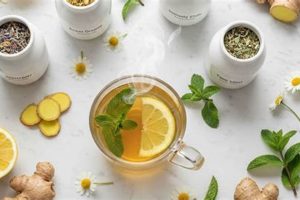
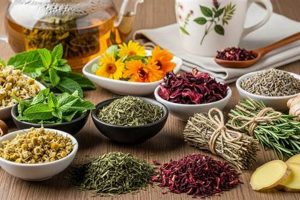
A beverage crafted from various plants, often including ingredients like licorice root, chamomile, ginger, and lemon, is frequently consumed to soothe discomfort in the pharynx. This infusion offers a natural alternative to conventional remedies for those experiencing scratchiness, irritation, or mild pain in the throat.
The significance of this botanical blend lies in the potential alleviation of symptoms associated with common ailments such as colds, allergies, or overuse of the vocal cords. Historically, similar preparations have been used in traditional medicine practices for their purported anti-inflammatory, demulcent (soothing), and immune-boosting properties. The specific benefits will vary based on the constituents of the blend.
The subsequent sections will examine the different categories of botanicals used, potential side effects, and considerations for appropriate usage, offering a more in-depth analysis of this popular remedy.
Herbal Infusion Considerations for Throat Discomfort
The following recommendations address the selection and utilization of botanical infusions intended to alleviate throat irritation. It is essential to approach these suggestions with informed awareness, recognizing that individual responses may vary.
Tip 1: Ingredient Awareness: Prior to consumption, carefully review the ingredient list of any herbal blend. Individuals with known allergies to plants in the Asteraceae family (e.g., chamomile, echinacea) or other common allergens should exercise caution.
Tip 2: Source Reputability: Procure dried herbs or pre-packaged infusions from reputable suppliers committed to quality control. This minimizes the risk of contamination or adulteration with undesirable substances.
Tip 3: Brewing Method: Adhere to the brewing instructions provided by the manufacturer or a reliable source. Proper steeping time and temperature are crucial for extracting beneficial compounds and minimizing bitterness.
Tip 4: Temperature Regulation: Consume the infusion at a warm, not scalding, temperature. Excessively hot liquids can exacerbate throat irritation.
Tip 5: Hydration Maintenance: While beneficial, the infusion should not be the sole source of hydration. Adequate water intake remains paramount for overall health and throat comfort.
Tip 6: Moderation in Consumption: Excessive consumption of certain herbs, such as licorice root, can lead to adverse effects, including elevated blood pressure. Adhere to recommended daily limits.
Tip 7: Consultation with a Healthcare Professional: Individuals with pre-existing medical conditions or those taking medications should consult with a physician or qualified healthcare provider before incorporating herbal infusions into their routine.
Implementing these strategies can enhance the potential benefits derived from botanical infusions intended to soothe throat discomfort, while simultaneously mitigating potential risks. Prudent selection and preparation are essential for optimal outcomes.
The subsequent discourse will focus on potential contraindications and interactions of specific herbal ingredients commonly found in these remedies.
1. Soothing Properties

The primary function of botanical infusions targeting throat discomfort is the provision of a soothing effect. This effect stems from the presence of demulcent herbs, such as marshmallow root, slippery elm, and licorice root. These herbs contain mucilage, a complex polysaccharide that, when combined with water, forms a viscous gel. This gel coats the mucous membranes lining the throat, creating a protective layer that reduces irritation and friction. The cause-and-effect relationship is direct: the presence of mucilage leads to the formation of a protective layer, which in turn alleviates discomfort. For instance, a person experiencing a dry, scratchy throat due to seasonal allergies may find relief as the demulcent herbs coat and moisturize the irritated tissues.
The importance of soothing properties as a component of botanical throat remedies lies in their ability to address the underlying mechanisms of throat irritation. Unlike astringent herbs, which may temporarily constrict tissues, demulcent herbs provide a physical barrier against irritants. This is particularly relevant in cases of viral or bacterial infections, where inflammation and tissue damage contribute to pain and discomfort. Furthermore, the gentle nature of these herbs makes them suitable for individuals of varying ages and sensitivities, provided allergies and contraindications are carefully considered. Examples of practical application include gargling with a cooled infusion to further enhance the coating effect or using it as a preventative measure during periods of increased allergen exposure.
In summary, the soothing properties inherent in specific botanical infusions are a critical factor in their efficacy for alleviating throat discomfort. These properties, derived from the demulcent action of mucilage-containing herbs, provide a protective barrier against irritants and reduce inflammation. While challenges may arise in standardizing the mucilage content of different herbal preparations, a fundamental understanding of this mechanism allows for informed selection and responsible utilization of these traditional remedies. The ability to soothe and protect irritated throat tissues through natural means contributes to the broader goal of promoting respiratory well-being.
2. Ingredient Safety

The selection and consumption of botanical infusions intended to alleviate throat discomfort necessitate careful consideration of ingredient safety. The potential for adverse reactions, interactions with medications, and contamination underscores the importance of a thorough understanding of the constituent herbs.
- Allergenic Potential
Certain herbs commonly found in throat infusions possess allergenic properties. Plants belonging to the Asteraceae family, such as chamomile and echinacea, can trigger allergic reactions in sensitive individuals. Symptoms may range from mild skin irritation to more severe respiratory distress. Awareness of personal allergies and careful review of ingredient lists are paramount to avoid such reactions.
- Drug Interactions
Botanical compounds can interact with prescription and over-the-counter medications, potentially altering their efficacy or increasing the risk of adverse effects. For example, licorice root, frequently included in throat preparations, may interfere with certain antihypertensive medications and exacerbate potassium depletion caused by diuretics. Consultation with a healthcare professional is advised for individuals taking medications regularly.
- Contaminant Risks
Dried herbs are susceptible to contamination with heavy metals, pesticides, and microbial pathogens during cultivation, processing, and storage. Sourcing from reputable suppliers who adhere to stringent quality control measures is crucial to minimize these risks. Certified organic herbs are often subject to more rigorous testing protocols. Visual inspection for mold or unusual odors prior to use is also recommended.
- Contraindications
Specific herbs are contraindicated for individuals with certain pre-existing medical conditions. For example, pregnant or breastfeeding women should avoid certain botanicals known to possess uterine stimulant or emmenagogue properties. Individuals with hormone-sensitive conditions should exercise caution with herbs that may exhibit estrogenic or anti-androgenic effects. A comprehensive review of individual health status is necessary to identify potential contraindications.
The multifaceted nature of ingredient safety demands a proactive and informed approach to the consumption of botanical throat infusions. Awareness of allergenic potential, potential drug interactions, contaminant risks, and contraindications enables individuals to make responsible choices that minimize the likelihood of adverse events and maximize the potential benefits of these traditional remedies.
3. Preparation Methods

The preparation methods employed in creating botanical infusions for throat discomfort directly impact the therapeutic efficacy and overall safety of the resulting beverage. The relationship between preparation methods and the final product is causal: variations in steeping time, water temperature, and herb-to-water ratios influence the extraction of active compounds, thereby altering the infusion’s potency and potential benefits. The importance of standardized preparation methods lies in ensuring consistent delivery of desired therapeutic components and minimizing the risk of extracting undesirable or potentially harmful substances. For instance, over-steeping certain herbs can release excessive tannins, resulting in a bitter taste and potential gastrointestinal upset, negating the intended soothing effect.
Specific preparation techniques for this botanical infusion involve careful consideration of the herb’s chemical composition and desired therapeutic effect. Delicate floral herbs, such as chamomile, require lower water temperatures (around 170-180F) and shorter steeping times (3-5 minutes) to prevent the volatile oils from dissipating and to avoid bitterness. Conversely, tougher roots and barks, such as ginger or licorice, may require higher temperatures (around 200-212F) and longer steeping times (10-15 minutes) to adequately extract their beneficial compounds. The practical application of this knowledge ensures that the final infusion retains its therapeutic properties while remaining palatable and safe for consumption. Infusions that are poorly prepared may lack the desired soothing qualities, rendering them ineffective and potentially discouraging individuals from seeking natural remedies for their throat discomfort.
In summary, the methods used to prepare a botanical infusion for throat discomfort are critical determinants of its effectiveness and safety. Adherence to established guidelines regarding water temperature, steeping time, and herb-to-water ratios is essential for optimizing the extraction of therapeutic compounds and minimizing the risk of adverse effects. While challenges may arise in achieving consistent results due to variations in herb quality and individual preferences, a fundamental understanding of the principles underlying proper preparation methods empowers individuals to make informed choices and maximize the potential benefits of this traditional remedy. This knowledge contributes to the broader goal of promoting responsible and effective use of natural health products.
4. Frequency
The frequency with which a botanical infusion is consumed for throat discomfort directly influences its potential benefits and risks. Determining an appropriate consumption schedule necessitates careful consideration of the specific herbs involved, the severity of symptoms, and individual physiological factors.
- Acute Symptom Management
For individuals experiencing acute throat irritation, such as that associated with a common cold, more frequent consumption may be warranted. Initial regimens may involve sipping small amounts of a mild infusion every 2-3 hours, titrated to symptom relief. However, this approach should be temporary, with a gradual reduction in frequency as symptoms subside. Prolonged high-frequency use increases the risk of adverse effects associated with specific herbs.
- Maintenance and Prevention
Some individuals utilize botanical infusions proactively during periods of increased risk, such as allergy season or times of heightened exposure to airborne irritants. In these cases, a less frequent regimen, such as once or twice daily, may be sufficient to provide ongoing soothing and protective effects. This approach minimizes the potential for long-term side effects while still offering sustained support.
- Herb-Specific Considerations
The optimal frequency of consumption is contingent upon the specific herbs included in the infusion. For example, infusions containing licorice root should be consumed sparingly and infrequently due to the potential for elevated blood pressure and electrolyte imbalances. Conversely, infusions composed primarily of demulcent herbs, such as marshmallow root, may be consumed more liberally, provided no contraindications exist.
- Individual Tolerance and Response
Individual responses to botanical infusions vary significantly. Factors such as age, weight, pre-existing medical conditions, and concurrent medications can influence an individual’s tolerance. Monitoring for any adverse effects, such as gastrointestinal upset or allergic reactions, is essential, and consumption frequency should be adjusted accordingly. If uncertainty exists, consultation with a qualified healthcare professional is recommended.
In conclusion, the determination of an appropriate consumption frequency for botanical infusions intended for throat discomfort requires a nuanced approach that considers symptom severity, the specific herbal composition, and individual physiological factors. A balanced and informed approach, guided by careful monitoring and professional consultation when necessary, is essential for maximizing the potential benefits while minimizing the risks associated with frequent or prolonged use.
5. Symptom Relief

The consumption of specific botanical infusions is often motivated by the desire to alleviate symptoms associated with throat discomfort. The degree of relief obtained is influenced by several factors, including the specific herbs included in the blend, the severity of the underlying condition, and individual physiological responses. The direct causal link is that carefully selected herbs, possessing demulcent, anti-inflammatory, or analgesic properties, interact with the affected tissues in the throat to mitigate the sensation of pain, irritation, or dryness. Symptom relief serves as the primary indicator of efficacy for those utilizing botanical preparations.
The importance of symptom relief as a component of botanical throat remedies stems from its direct impact on quality of life. Individuals experiencing throat discomfort may face challenges with speaking, swallowing, and even sleeping. Effective symptom management can improve these aspects of daily living, facilitating improved communication and overall well-being. For example, a person suffering from laryngitis may find that an infusion containing licorice root and chamomile provides sufficient relief to allow for clearer speech and reduced vocal strain. However, it’s crucial to acknowledge that botanical infusions typically offer symptomatic relief and do not address the underlying cause of the condition. If symptoms persist or worsen, seeking medical evaluation is paramount. Practical application lies in utilizing these infusions as a complementary therapy alongside conventional medical treatments, under the guidance of a healthcare professional.
In summary, the connection between symptom relief and botanical throat infusions is central to their perceived value. While these preparations can provide a measure of comfort and improved functionality, they should not be considered a substitute for appropriate medical care. Challenges arise in objectively quantifying the degree of symptom relief achieved due to subjective patient experiences and variability in herbal preparations. However, the potential for improved quality of life underscores the practical significance of understanding this connection, ensuring that these remedies are utilized responsibly and in conjunction with professional medical advice when necessary. This understanding aligns with the broader theme of empowering individuals to make informed choices regarding their health and well-being.
Frequently Asked Questions Regarding Herbal Throat Tea
The following section addresses common inquiries and concerns surrounding the use of herbal throat infusions. These answers provide factual information to promote informed decision-making.
Question 1: Is herbal throat tea a substitute for medical treatment?
Herbal throat infusions are not a substitute for medical treatment. While these infusions may provide symptomatic relief, they do not address the underlying causes of throat ailments. Individuals experiencing persistent or severe symptoms should seek professional medical evaluation and treatment.
Question 2: Can herbal throat tea interact with medications?
Herbal ingredients can interact with prescription and over-the-counter medications. Individuals taking medications regularly should consult with a healthcare professional before consuming herbal throat infusions to identify potential interactions.
Question 3: Are there any potential side effects associated with herbal throat tea?
Herbal throat infusions can cause side effects in some individuals. Potential side effects vary depending on the specific herbs included and may include allergic reactions, gastrointestinal upset, and interactions with existing medical conditions. Monitoring for adverse effects is recommended.
Question 4: Is herbal throat tea safe for pregnant or breastfeeding women?
The safety of herbal throat infusions during pregnancy and breastfeeding is not always established. Certain herbs are contraindicated during these periods. Consultation with a healthcare professional is recommended before consuming herbal throat infusions during pregnancy or breastfeeding.
Question 5: How should herbal throat tea be prepared for optimal benefit?
Proper preparation is essential for maximizing the benefits and minimizing the risks of herbal throat infusions. Adherence to recommended steeping times, water temperatures, and herb-to-water ratios is crucial for extracting therapeutic compounds effectively. Sourcing herbs from reputable suppliers is also recommended.
Question 6: Can herbal throat tea prevent throat infections?
Herbal throat infusions are not a guaranteed preventative measure against throat infections. While some herbs may possess immune-boosting properties, maintaining good hygiene practices and seeking medical care when appropriate are essential for preventing infections.
The information presented in this FAQ section is intended for informational purposes only and does not constitute medical advice. Individuals should consult with qualified healthcare professionals for personalized guidance regarding their health conditions and treatment options.
The following section will explore the future trends and research directions in the field of botanical throat remedies.
Herbal Throat Tea
This exploration of herbal throat tea has illuminated its multifaceted aspects, ranging from the soothing properties of demulcent herbs to the critical considerations surrounding ingredient safety and appropriate preparation methods. The evidence suggests that, when used responsibly and with informed awareness, these botanical infusions may offer symptomatic relief for throat discomfort. However, this analysis has also emphasized the importance of acknowledging potential limitations, particularly concerning interactions with medications, contraindications for certain populations, and the absence of curative properties for underlying medical conditions. The efficacy of any such formulation is dependent on the specific herbs used, their quality and concentration, and the individual’s physiological response.
Continued research is essential to further elucidate the mechanisms of action of various herbal constituents and to establish standardized guidelines for their safe and effective utilization. Individuals considering the use of herbal throat tea should prioritize consulting with qualified healthcare professionals to ensure that such remedies are integrated into a comprehensive and medically sound approach to throat health. The information presented serves as a foundation for informed decision-making, but should not replace the personalized advice of a medical expert.