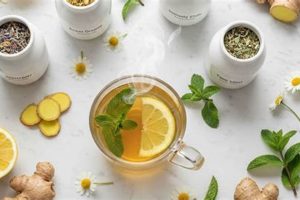
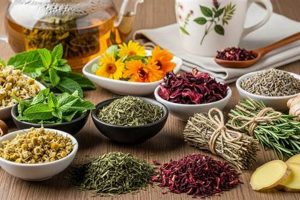
Specific plant-derived infusions, consumed as beverages, are generally considered acceptable for expectant mothers. These beverages offer a hydrating alternative to water and other less healthful choices. Examples include certain chamomile and peppermint varieties, when consumed in moderation.
Judicious selection and consumption of these botanical beverages can offer potential benefits such as easing mild nausea or promoting relaxation. Historically, many cultures have incorporated herbal remedies into pregnancy rituals; however, rigorous scientific validation of their safety and efficacy during gestation is essential before widespread adoption.
This article aims to provide evidence-based information on selecting appropriate herbal infusions during pregnancy, highlighting those generally regarded as safe, while also addressing potential risks and contraindications. Consultation with a healthcare provider is strongly advised before introducing any new herbal products into the diet during this critical period.
Tips Regarding Acceptable Botanical Infusions During Pregnancy
The following recommendations are designed to provide guidance on making informed choices about consuming plant-based infusions during gestation, promoting maternal well-being.
Tip 1: Consult a Healthcare Professional: Prior to incorporating any new herbal infusion into the diet, discuss potential benefits and risks with a physician or qualified healthcare provider. Individual health circumstances necessitate personalized recommendations.
Tip 2: Verify Source and Quality: Select infusions from reputable suppliers to ensure product purity and accurate identification of the botanical ingredients. Contamination with pesticides or heavy metals poses a risk.
Tip 3: Opt for Single-Ingredient Products: Complex blends of herbs may contain ingredients with unknown or poorly understood effects during pregnancy. Single-ingredient infusions offer greater predictability regarding potential reactions.
Tip 4: Moderate Consumption is Crucial: Even infusions generally regarded as safe should be consumed in moderation. Excessive intake of any substance can have unintended consequences during pregnancy.
Tip 5: Be Aware of Potential Allergies: Introduce new infusions gradually and monitor for any allergic reactions, such as skin rashes or respiratory distress. Discontinue use immediately if adverse symptoms develop.
Tip 6: Research Each Herb Individually: Before consumption, carefully research each plant’s potential effects during pregnancy. Established databases and scientific literature provide valuable information.
Tip 7: Understand Potential Drug Interactions: Plant compounds can interact with prescribed medications. Ensure awareness of any potential interactions with existing medical treatments.
Adherence to these guidelines enhances the potential for safe and beneficial consumption. It is a good practice to approach all herbal products with diligence during pregnancy.
The subsequent sections will delve into specific varieties of herbal infusions often considered appropriate for expectant mothers, while also addressing contraindications and those to be avoided.
1. Safety profiles

The establishment of comprehensive safety profiles for plant-derived infusions is paramount in determining their suitability for consumption during pregnancy. These profiles encompass a range of factors that directly impact maternal and fetal well-being. The absence of sufficient safety data necessitates caution and potentially precludes the use of specific botanicals during this sensitive period.
- Toxicological Data Analysis
This facet involves assessing available toxicological studies on the herb, including any evidence of teratogenic or embryotoxic effects in animal models. A lack of comprehensive toxicological data raises significant concerns about potential adverse outcomes during human pregnancy. Limited or conflicting data necessitates a conservative approach, often advising against use.
- Human Clinical Trials
Clinical trials involving pregnant women, while ethically challenging, provide the most direct evidence of safety. The presence of well-designed clinical trials demonstrating the absence of adverse effects is a strong indicator of safety. However, the limited availability of such trials often necessitates reliance on less direct forms of evidence, such as traditional use or animal studies.
- Known Contraindications and Drug Interactions
Identification of any known contraindications or potential drug interactions is crucial. Certain herbs may exacerbate pre-existing medical conditions or interfere with prescribed medications, potentially jeopardizing maternal or fetal health. Comprehensive safety profiles clearly outline these risks, enabling informed decision-making.
- Traditional Use and Ethnopharmacological Data
While not a substitute for rigorous scientific investigation, traditional use can provide valuable insights into the safety of certain herbs. Long-standing use in traditional medicine systems without reported adverse effects suggests a lower risk profile. However, such data must be interpreted with caution, as traditional preparations and dosages may differ significantly from commercially available products.
In summation, the construction and diligent evaluation of botanical safety profiles are indispensable to informed choices. This evaluation offers pregnant women the understanding needed to choose infusions with acceptable risk levels, in consultation with qualified healthcare providers.
2. Individual sensitivities

Individual sensitivities represent a critical factor in determining the suitability of botanical infusions during pregnancy. A substance generally regarded as safe for the majority of the population may elicit adverse reactions in specific individuals. These reactions can range from mild discomfort to severe, potentially life-threatening conditions. Therefore, generalized safety assessments of botanical infusions cannot supersede the importance of considering individual physiological responses.
The cause-and-effect relationship between consuming a particular herbal infusion and experiencing an adverse reaction is often influenced by pre-existing conditions, genetic predispositions, and immune system function. For instance, an individual with a known allergy to ragweed may exhibit cross-reactivity to chamomile, a commonly suggested infusion, due to shared allergenic compounds. Consequently, even if chamomile is widely considered safe, it poses a risk to this specific individual. Likewise, pregnant women with gastrointestinal sensitivities may experience exacerbated symptoms, such as bloating or diarrhea, from infusions that are otherwise well-tolerated.
Understanding and acknowledging individual sensitivities is paramount for expectant mothers navigating the landscape of botanical infusions. A proactive approach, involving consultation with a healthcare provider and careful self-monitoring, is essential to mitigate potential risks. The practical significance of this understanding lies in preventing adverse reactions and promoting a safe and healthy pregnancy. Discontinuing use at the first sign of intolerance is essential, followed by professional consultation to explore appropriate alternatives.
3. Dosage matters

The quantity of consumed plant-derived beverages directly influences their safety profile during pregnancy. While specific botanicals may be considered generally safe, exceeding recommended serving sizes introduces potential risks. This principle underscores the significance of adhering to established dosage guidelines, as even seemingly innocuous substances can exert adverse effects at elevated concentrations.
The potential for adverse effects stemming from excessive consumption is multifaceted. For instance, peppermint infusion, often recommended for relieving nausea, can exacerbate heartburn symptoms if consumed in large quantities. Similarly, overconsumption of chamomile can lead to drowsiness or, paradoxically, anxiety in some individuals. Furthermore, certain plant compounds present in these infusions may exhibit uterotonic properties at higher concentrations, potentially stimulating uterine contractions. Consequently, adherence to recommended dosages is not merely a suggestion, but a crucial element in ensuring maternal and fetal well-being.
In summary, the relationship between dosage and safety cannot be overstated. Appropriate dosage constitutes an intrinsic component of the “safe herbal teas while pregnant” paradigm. Expectant mothers should diligently adhere to recommended serving sizes and seek guidance from qualified healthcare professionals regarding appropriate dosage levels, thereby minimizing the potential for adverse outcomes and promoting a healthy pregnancy.
4. Source trustworthiness
The provenance of botanical ingredients for maternal consumption directly influences product safety. Contamination, misidentification, and inconsistent processing methods in untrustworthy supply chains pose substantial risks. Establishing the reliability of the source is, therefore, an indispensable component of safe consumption. For example, herbs sourced from regions with lax environmental regulations may contain heavy metals or pesticide residues, directly compromising product safety and potentially impacting fetal development. The practical significance of this understanding is that selecting products from reputable, transparent suppliers significantly mitigates exposure to such hazards.
Furthermore, misidentification of plant species presents a grave threat. Some botanicals possess similar morphological characteristics, yet exhibit vastly different pharmacological properties. Mistaking pennyroyal for peppermint, for instance, carries severe consequences, as pennyroyal contains compounds known to induce abortions. Reputable suppliers employ rigorous quality control measures, including botanical authentication and analytical testing, to safeguard against such errors. These measures translate directly into enhanced consumer safety and reduced risk of adverse pregnancy outcomes.
In summary, the trustworthiness of the herbal source constitutes a fundamental aspect of ensuring the safety of plant-derived beverages during gestation. Diligence in verifying supplier credentials, scrutinizing product labels, and prioritizing certified organic options offers a pathway to minimizing risks and promoting maternal and fetal well-being. The challenge lies in educating consumers to critically evaluate product sources and prioritize quality over cost, recognizing the inherent link between source reliability and product safety during this critical period.
5. Professional guidance

The integration of professional medical advice into the selection and consumption of botanical infusions during gestation is not merely advisable; it is an imperative. The unique physiological state of pregnancy necessitates individualized recommendations, rendering generic guidelines insufficient. Healthcare providers possess the expertise to assess individual risk factors and provide tailored guidance, optimizing maternal and fetal well-being.
- Individual Risk Assessment
Physicians evaluate pre-existing medical conditions, medication regimens, and allergy histories to determine potential contraindications. For example, a pregnant woman with a history of kidney disease requires different considerations than a healthy individual. Professional assessments ensure botanical selections align with individual needs, minimizing adverse reactions.
- Evidence-Based Recommendations
Healthcare providers remain current on relevant scientific literature, enabling them to offer informed recommendations grounded in evidence. The field of herbal medicine is subject to ongoing research, and professional guidance reflects the most up-to-date findings regarding safety and efficacy during gestation. This facilitates informed decision-making, mitigating the influence of anecdotal evidence.
- Dosage and Monitoring Guidance
Appropriate serving sizes vary according to individual factors. Medical professionals provide specific dosage recommendations, minimizing the risk of adverse effects associated with overconsumption. They also offer guidance on monitoring for potential side effects, facilitating early detection and intervention.
- Coordination of Care
Botanical infusions may interact with prescribed medications or supplements. Professional guidance ensures the safe integration of herbal remedies into a comprehensive healthcare plan, avoiding potentially harmful interactions. This coordination is crucial for individuals managing chronic health conditions during pregnancy.
The confluence of individual risk assessment, evidence-based recommendations, dosage and monitoring guidance, and coordinated care underscores the essential role of professional medical counsel in the consumption of plant-derived beverages during pregnancy. Expectant mothers should, therefore, prioritize consultation with qualified healthcare providers to ensure informed and safe decision-making, optimizing maternal and fetal health outcomes.
6. Potential interactions
The prospect of interactions between herbal infusions and conventional medications, supplements, or pre-existing medical conditions represents a critical consideration in determining the overall safety profile of plant-derived beverages for pregnant women. Ignoring these potential interactions can lead to diminished therapeutic efficacy of prescribed treatments or exacerbate underlying health concerns, jeopardizing maternal and fetal well-being.
- Herb-Drug Interactions
Specific plant compounds within herbal infusions can interfere with the absorption, metabolism, or excretion of prescription or over-the-counter medications. For example, St. John’s Wort, although typically avoided during pregnancy, serves as an illustrative case. It induces hepatic enzymes responsible for metabolizing various drugs, potentially reducing their effectiveness. Consequently, co-administration of St. John’s Wort with certain antidepressants or oral contraceptives could lead to therapeutic failure. Careful consideration of potential herb-drug interactions is, therefore, essential to prevent adverse clinical outcomes.
- Herb-Supplement Interactions
The concurrent use of herbal infusions and dietary supplements necessitates careful evaluation, as synergistic or antagonistic effects can occur. For instance, combining ginger, often recommended for morning sickness, with anticoagulant supplements like fish oil may increase the risk of bleeding. Conversely, consuming iron supplements with infusions containing tannins, such as black tea, can impair iron absorption. Awareness of these potential interactions ensures safe and effective supplementation strategies.
- Influence on Medical Conditions
Certain herbal infusions can exacerbate pre-existing medical conditions during pregnancy. For example, licorice root, sometimes used for digestive issues, can elevate blood pressure, posing a risk to pregnant women with hypertension. Similarly, infusions with diuretic properties may exacerbate dehydration in individuals with impaired kidney function. Evaluating the potential influence of herbal infusions on pre-existing conditions is essential for personalized risk assessment.
- Impact on Pregnancy-Related Conditions
Botanical infusions may impact pregnancy-related conditions such as gestational diabetes or pre-eclampsia. While some herbs are traditionally used to manage blood sugar levels, their efficacy and safety in pregnant women with gestational diabetes require rigorous scientific validation. Furthermore, certain herbal constituents can affect blood pressure, potentially complicating pre-eclampsia management. Professional guidance is essential to ensure safe and appropriate use of herbal remedies for pregnancy-related conditions.
In summation, the potential for interactions between herbal infusions and conventional medical treatments, supplements, or pre-existing medical conditions constitutes a critical consideration in determining safety. Diligent assessment of these potential interactions, coupled with professional guidance, is essential to minimize risks and promote optimal maternal and fetal health outcomes, reinforcing the need for caution and informed decision-making.
Frequently Asked Questions Regarding Safe Herbal Teas During Pregnancy
The subsequent queries address common concerns regarding the appropriateness of plant-derived beverages during gestation, providing evidence-based responses to promote informed decision-making.
Question 1: Which herbal infusions are generally recognized as safe during pregnancy?
Chamomile (in moderation), peppermint, and ginger infusions are often cited as acceptable for expectant mothers. However, individual sensitivities and potential contraindications necessitate consultation with a healthcare provider prior to consumption.
Question 2: Are there herbal teas that should be strictly avoided during pregnancy?
Certain infusions, including but not limited to pennyroyal, blue cohosh, and high-dose licorice, are contraindicated due to potential risks to maternal or fetal health. A comprehensive list of prohibited herbs should be obtained from a qualified medical professional.
Question 3: How does the dosage of an herbal infusion impact its safety during pregnancy?
Even infusions generally considered safe can pose risks at elevated concentrations. Adherence to recommended serving sizes is crucial, and exceeding these guidelines is not advisable. Consultation with a healthcare provider regarding appropriate dosage levels is recommended.
Question 4: What factors should be considered when selecting a brand or source of herbal infusion?
Prioritize reputable suppliers employing rigorous quality control measures, including botanical authentication and analytical testing. Certified organic options mitigate the risk of contamination with pesticides or heavy metals. Scrutinize product labels for detailed ingredient information and potential allergens.
Question 5: Can herbal infusions interact with prescription medications during pregnancy?
Yes, specific plant compounds can interfere with the absorption, metabolism, or excretion of prescription medications. It is imperative to disclose all herbal remedies to a healthcare provider to assess potential drug interactions and ensure medication efficacy.
Question 6: What steps should be taken if an adverse reaction occurs after consuming an herbal infusion during pregnancy?
Discontinue use immediately and seek medical attention. Document the specific botanical consumed, the dosage, and the nature of the adverse reaction. Provide this information to the healthcare provider to facilitate accurate diagnosis and treatment.
The responsible consumption of infusions requires careful consideration of individual health factors, product quality, and potential risks. Proactive consultation with qualified healthcare providers is a core component to a safe process.
The subsequent section will discuss potential risks and benefits in more detail.
Conclusion
This article has explored various facets of “safe herbal teas while pregnant”, emphasizing the importance of individual sensitivities, source trustworthiness, dosage considerations, and potential interactions. Prioritizing these aspects is paramount for informed decision-making during this critical period.
The integration of professional medical guidance remains central to ensuring the responsible use of botanical beverages. Expectant mothers must prioritize consultation with healthcare providers to navigate potential risks and optimize maternal and fetal health. Continued research and education are crucial for further defining the safety profiles of plant-derived infusions during gestation.