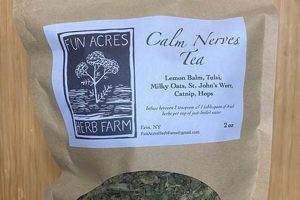
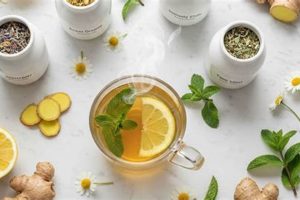
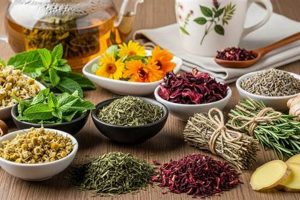
Infusions derived from plants, excluding Camellia sinensis (true tea), and prepared using methods passed down through generations, represent a significant category of beverages consumed globally. These preparations utilize various plant parts, such as leaves, flowers, roots, and seeds, to create flavorful and potentially therapeutic drinks. Chamomile infusions, for example, are often consumed for their calming properties, while peppermint preparations are known for aiding digestion.
The consumption of plant-based infusions boasts a rich history across diverse cultures. They have been integral to traditional medicine systems for centuries, valued for their purported health benefits and cultural significance. These beverages are often associated with promoting relaxation, supporting immune function, and addressing specific ailments. Their usage reflects a deep understanding of the natural world and its potential to support well-being.
Further discussion will explore the diverse range of botanicals employed in these preparations, the specific health properties attributed to them, and the historical and cultural contexts that have shaped their use. A deeper examination into preparation methods and potential safety considerations will also be provided.
Guidance on Traditional Herbal Infusions
The following guidelines aim to provide a framework for the informed selection and responsible consumption of herbal infusions.
Tip 1: Prioritize Botanical Identification: Verify the accurate identification of the plants used. Consult reputable resources, such as botanical guides or qualified herbalists, to ensure the plant corresponds to the intended species and possesses the anticipated properties.
Tip 2: Source Reputable Suppliers: Acquire dried herbs from established and trusted suppliers who adhere to quality control standards. Check for certifications indicating organic cultivation or adherence to good manufacturing practices.
Tip 3: Understand Potential Interactions: Be aware of potential interactions between herbal infusions and prescription medications. Consult a healthcare professional, particularly if currently taking any pharmaceuticals, to mitigate potential adverse effects.
Tip 4: Adhere to Recommended Dosage: Follow recommended dosage guidelines provided by qualified herbalists or reputable sources. Excessive consumption may lead to undesirable side effects. Start with smaller quantities to assess individual tolerance.
Tip 5: Consider Preparation Methods: Employ appropriate preparation methods to extract the desired constituents from the herbs. Understand the optimal water temperature and steeping time for different plant materials. Prolonged steeping may result in bitter or undesirable flavors.
Tip 6: Be Mindful of Allergenic Potential: Exercise caution if known allergies to specific plant families exist. Many botanical species belong to common allergenic families (e.g., Asteraceae). Begin with small quantities to assess potential allergic reactions.
Tip 7: Store Herbs Properly: Store dried herbs in airtight containers away from direct sunlight, heat, and moisture to preserve their potency and prevent degradation. Proper storage contributes to the longevity and quality of the herbal material.
In summary, informed selection, responsible usage, and awareness of potential interactions are crucial for a safe and beneficial experience with herbal infusions. Knowledge of botanical identification, sourcing, and preparation methods contributes to optimizing the potential benefits.
The following sections will delve into specific herbal profiles and their associated applications, providing a more detailed understanding of these traditional beverages.
1. Botanical Source

The botanical source is a fundamental determinant of a traditional herbal tea’s characteristics, influencing its flavor profile, potential therapeutic properties, and safety profile. Precise identification of the plant species used is crucial, as variations within a genus or family can significantly alter the infusion’s effects.
- Species Identification
Accurate identification to the species level is paramount. Different species within the same genus can exhibit distinct chemical compositions and, consequently, different effects. For example, true chamomile ( Matricaria chamomilla) differs significantly from Roman chamomile ( Chamaemelum nobile) in terms of both its chemical constituents and its traditional applications.
- Plant Part Utilized
The specific plant part employedleaves, flowers, roots, bark, or seedsaffects the chemical compounds extracted during infusion. For instance, peppermint leaves ( Mentha piperita) yield a menthol-rich infusion, while valerian root ( Valeriana officinalis) provides compounds associated with relaxation and sleep promotion. The chosen part directly influences the tea’s properties.
- Geographic Origin and Growing Conditions
The geographic origin and specific growing conditions of the plant can influence its phytochemical profile. Soil composition, climate, and altitude can affect the concentrations of active compounds within the plant. Teas derived from the same species grown in different regions may exhibit variations in flavor, aroma, and therapeutic effects.
- Harvesting and Processing Methods
Harvesting at the optimal time and employing appropriate drying and processing methods impact the quality and preservation of the plant’s active compounds. Improper drying or storage can degrade essential oils and other volatile compounds, diminishing the infusion’s potency and flavor. Sustainable harvesting practices are crucial for ensuring the long-term availability of botanical resources.
In summary, the botanical source acts as the cornerstone for understanding a traditional herbal tea. Accurate species identification, knowledge of the plant part used, consideration of geographic origin and growing conditions, and awareness of harvesting and processing methods are essential for appreciating the complex interplay between the plant and the resulting infusion.
2. Preparation Methods

Preparation methods are critical determinants of the quality and efficacy of herbal infusions, significantly impacting the extraction of bioactive compounds and, consequently, the resulting beverage’s properties. Traditional knowledge often dictates specific techniques to optimize the release of desired constituents while minimizing the extraction of undesirable components.
- Infusion (Steeping)
Infusion, or steeping, involves soaking plant material in hot water for a specified period. This method is particularly suitable for delicate plant parts such as leaves and flowers, allowing for the gentle extraction of volatile oils and water-soluble compounds. The water temperature and steeping time are crucial variables; excessive heat or prolonged steeping can lead to the release of bitter tannins or the degradation of heat-sensitive compounds. For example, chamomile flowers are typically infused at a lower temperature (around 80-85C) for 5-10 minutes to preserve their delicate aroma and therapeutic properties.
- Decoction (Boiling)
Decoction involves simmering tougher plant parts, such as roots, bark, and seeds, in water for an extended period. This method facilitates the extraction of constituents that are less readily soluble in water. The simmering process breaks down the plant material’s cell walls, releasing a wider range of compounds. For instance, preparing a decoction of ginger root requires simmering the root in water for 20-30 minutes to extract its pungent and warming properties.
- Maceration (Cold Infusion)
Maceration involves soaking plant material in cold water for several hours or even overnight. This technique is suitable for extracting compounds that are sensitive to heat or for preserving volatile aromatic substances. Cold infusions tend to be milder in flavor and lower in intensity compared to hot infusions or decoctions. An example is preparing a cold infusion of hibiscus flowers, which yields a refreshing and vibrantly colored beverage.
- Sun Tea (Solar Infusion)
Sun tea entails placing plant material and water in a glass container and allowing it to sit in direct sunlight for several hours. The sun’s gentle heat facilitates the extraction process, resulting in a milder and subtly flavored infusion. This method is often employed for preparing herbal teas during warmer months and is considered a traditional practice in some cultures. Lemon balm and mint are commonly used to create sun tea.
The diverse array of preparation methods reflects the nuanced understanding of traditional herbal practices. The selection of a specific technique depends on the plant part utilized, the desired chemical constituents, and the intended therapeutic effects. Adherence to traditional preparation guidelines is essential for optimizing the extraction of beneficial compounds and ensuring the safety and efficacy of the resulting herbal infusion.
3. Traditional Uses

Traditional applications of plant-based infusions represent a wealth of historical and cultural knowledge, reflecting centuries of empirical observation and accumulated experience across diverse societies. These time-honored uses provide invaluable insights into the potential therapeutic benefits and cultural significance of traditional herbal teas.
- Medicinal Applications
Across cultures, specific botanicals have been employed to address a wide spectrum of ailments. Chamomile has traditionally been used to alleviate anxiety and promote sleep, while ginger preparations have been valued for their anti-nausea and digestive properties. Documented medicinal uses provide a foundation for modern scientific investigation into the efficacy of these herbal remedies. The continued use of these botanicals can be attributed to their safety and effectiveness for minor health issues.
- Ritualistic and Spiritual Significance
Beyond medicinal applications, plant-based infusions often hold ritualistic or spiritual significance within certain cultures. Some herbs are believed to possess protective or purifying properties, used in ceremonies or as offerings to deities. These practices reflect a deep connection between humans and the natural world, imbuing the infusions with symbolic meaning beyond their physiological effects. Examples of these uses can be found in East Asian tea ceremonies and the usage of certain herbs in indigenous cultures for spiritual healing.
- Culinary Applications
Many plant-based infusions serve as flavorful beverages enjoyed for their sensory qualities and culinary versatility. Peppermint, lemon balm, and hibiscus infusions are often consumed as refreshing drinks, while others are incorporated into food preparations or used as natural flavorings. Culinary applications highlight the diverse roles of these infusions in daily life and their contributions to cultural food traditions. The development of these uses has often been intertwined with the availability and perceived benefits of the plants.
- Cosmetic and Personal Care
Certain traditional herbal teas find application in cosmetic and personal care practices. Infusions of calendula or lavender are sometimes used to soothe skin irritations or as natural hair rinses. The use of these botanicals in cosmetic preparations reflects a desire for natural and gentle alternatives to synthetic ingredients. These applications emphasize the importance of cultural uses.
The examination of traditional uses provides a multifaceted perspective on the value and significance of plant-based infusions. From addressing health concerns to enriching cultural practices, these applications highlight the enduring relationship between humans and the botanical world, underscoring the importance of preserving and understanding this traditional knowledge.
4. Phytochemical Composition

The phytochemical composition of botanicals directly dictates the potential physiological effects of traditional herbal teas. This composition, a complex mixture of naturally occurring chemical compounds, determines the tea’s flavor, aroma, and purported therapeutic benefits. The specific array and concentration of these compounds vary significantly depending on factors such as plant species, geographic origin, growing conditions, and preparation methods. For example, the presence of L-theanine in green tea contributes to its calming effects, whereas the menthol content in peppermint tea is responsible for its cooling and digestive properties. Understanding the phytochemical composition is therefore essential for predicting and rationalizing the biological activity of these traditional beverages.
The practical significance of understanding phytochemicals extends to several areas. Firstly, it enables targeted selection of herbal teas based on desired effects. Individuals seeking relaxation might choose chamomile, rich in apigenin, while those seeking cognitive enhancement might opt for rosemary, containing rosmarinic acid. Secondly, it informs the development of standardized herbal extracts and formulations, ensuring consistent potency and efficacy. Thirdly, it aids in identifying potential adverse effects and drug interactions, promoting safe and responsible consumption. For instance, St. John’s Wort, a common herbal tea ingredient, is known to interact with several prescription medications due to its hypericin content. Therefore, it is important to understand the phytochemicals.
In summary, phytochemical composition is intrinsic to understanding the actions of traditional herbal teas. The presence and concentration of specific compounds underpin their diverse range of effects, from promoting relaxation to aiding digestion. A detailed knowledge of phytochemicals empowers informed selection, facilitates the development of standardized herbal products, and enhances safety by enabling the identification and management of potential adverse effects and drug interactions. Further research into the phytochemical composition of various botanicals remains crucial for unlocking the full potential of traditional herbal teas while ensuring their safe and effective use.
5. Potential Benefits
The potential benefits associated with traditional herbal teas represent a significant area of interest, driving both historical usage and contemporary research. These benefits, often attributed to the diverse array of phytochemicals present in the infused plant material, warrant careful consideration and scientific investigation. While traditional use provides valuable anecdotal evidence, rigorous studies are essential to confirm efficacy and establish safe consumption guidelines.
- Antioxidant Activity
Many botanicals used in infusions contain potent antioxidants, compounds that combat oxidative stress caused by free radicals within the body. Oxidative stress is implicated in various chronic diseases, and the consumption of antioxidant-rich herbal teas may contribute to overall health and well-being. Green tea, rich in catechins, exemplifies this benefit, demonstrating potential protective effects against cellular damage. Similarly, hibiscus infusions contain anthocyanins, known for their antioxidant properties.
- Digestive Support
Certain herbal teas have a long history of use in supporting digestive health. Peppermint, for example, is known for its ability to relax smooth muscles in the digestive tract, potentially easing symptoms of bloating, gas, and indigestion. Ginger infusions can alleviate nausea and promote gastric motility. Chamomile may also contribute to digestive comfort through its anti-inflammatory properties. These benefits are often attributed to specific compounds that may interact in various pathways within the gastrointestinal system.
- Relaxation and Stress Reduction
Several herbal teas are commonly associated with promoting relaxation and reducing stress levels. Chamomile, lavender, and lemon balm are frequently cited for their calming effects, often attributed to compounds that interact with neurotransmitter systems in the brain. These teas are often consumed before bedtime to promote sleep or during periods of heightened stress or anxiety. While anecdotal evidence abounds, scientific studies are ongoing to fully elucidate the mechanisms underlying these effects.
- Immune System Support
Some traditional herbal teas are believed to bolster immune function. Echinacea, for example, has been used to support the immune system during colds and upper respiratory infections. Elderberry infusions contain compounds that may possess antiviral properties. While the exact mechanisms of action remain under investigation, these teas are thought to support the body’s natural defenses against pathogens.
It is important to acknowledge that the potential benefits outlined above are based on traditional use and ongoing research. While some herbal teas show promise in various areas of health, it is essential to consult with healthcare professionals before using them as a primary treatment for any medical condition. Further research is needed to fully understand the efficacy and safety of these traditional beverages.
6. Safety Considerations

The realm of traditional plant-based infusions necessitates a thorough understanding of potential safety considerations. These beverages, while often perceived as benign due to their natural origin and long history of use, are not without inherent risks. Factors such as plant identification, preparation methods, individual sensitivities, and potential interactions with medications warrant careful attention to ensure safe and responsible consumption.
- Botanical Identification and Adulteration
Accurate identification of the plant species used is paramount. Misidentification can lead to the consumption of toxic or harmful substances. Adulteration, the intentional or unintentional contamination of herbal products with other plant species or synthetic compounds, poses a significant risk. Reputable sourcing and rigorous quality control measures are essential to mitigate this risk. For example, star anise, used in some tea blends, can be confused with Japanese star anise, which is highly toxic. Proper sourcing and authentication are vital.
- Allergic Reactions and Sensitivities
Individuals may exhibit allergic reactions or sensitivities to specific plants or their constituents. Allergic reactions can range from mild skin irritation to severe anaphylaxis. Individuals with known allergies to plant families such as Asteraceae (e.g., chamomile, echinacea) should exercise caution when consuming herbal infusions derived from related species. Introducing new infusions gradually and monitoring for adverse reactions is advisable.
- Interactions with Medications
Certain phytochemicals present in plant-based infusions can interact with prescription medications, potentially altering their efficacy or increasing the risk of adverse effects. St. John’s Wort, for instance, can interfere with the metabolism of numerous drugs, including antidepressants and oral contraceptives. Individuals taking prescription medications should consult with a healthcare professional before consuming herbal infusions regularly. A comprehensive review of potential drug interactions is crucial for preventing unintended consequences.
- Dosage and Prolonged Use
Excessive consumption or prolonged use of certain herbal infusions can lead to adverse effects. Some plant constituents, while beneficial in moderation, may become toxic at higher doses or with extended exposure. Liver damage has been associated with prolonged use of comfrey, and excessive consumption of licorice root can lead to electrolyte imbalances. Adhering to recommended dosage guidelines and consulting with a qualified herbalist or healthcare professional regarding long-term use is essential.
In summary, safe utilization of plant-derived beverages requires careful attention to numerous safety aspects. Accurate botanical identification, awareness of individual sensitivities, consideration of potential drug interactions, and adherence to recommended dosage guidelines are critical for minimizing risks and maximizing the potential benefits of these traditional preparations. A cautious and informed approach is vital for ensuring a positive and healthful experience.
Frequently Asked Questions Regarding Traditional Herbal Teas
This section addresses common inquiries and clarifies misconceptions regarding the nature, preparation, and consumption of traditional herbal teas.
Question 1: What distinguishes traditional herbal teas from conventional teas?
Traditional herbal teas, also known as tisanes or herbal infusions, are prepared from plants other than Camellia sinensis, the plant from which black, green, white, and oolong teas are derived. Herbal teas utilize a diverse range of botanicals, including flowers, leaves, roots, and seeds, to create flavorful and potentially therapeutic beverages.
Question 2: Are traditional herbal teas inherently safe?
While many herbal teas are generally considered safe for consumption, potential risks exist. Factors such as botanical identification, allergic reactions, drug interactions, and dosage considerations must be carefully evaluated. Consulting a qualified healthcare professional or herbalist is advisable, particularly for individuals with pre-existing health conditions or those taking prescription medications.
Question 3: How does the preparation method influence the properties of traditional herbal teas?
The preparation method significantly impacts the extraction of bioactive compounds from the plant material. Infusion (steeping) is suitable for delicate plant parts like flowers and leaves, while decoction (simmering) is recommended for tougher materials like roots and bark. The choice of preparation method influences the flavor, aroma, and therapeutic properties of the resulting infusion.
Question 4: Can traditional herbal teas interact with medications?
Yes, certain phytochemicals present in traditional herbal teas can interact with prescription medications, potentially altering their efficacy or increasing the risk of adverse effects. Individuals taking prescription drugs should exercise caution and consult with a healthcare professional to assess potential interactions. For instance, St. John’s Wort is known to interact with several common medications.
Question 5: What are the primary considerations when sourcing botanicals for traditional herbal teas?
Sourcing botanicals from reputable suppliers who adhere to quality control standards is crucial. Accurate botanical identification, certification of organic cultivation, and adherence to good manufacturing practices are essential considerations. This ensures the authenticity, purity, and safety of the herbal material.
Question 6: Are there any specific populations that should exercise caution when consuming traditional herbal teas?
Pregnant and breastfeeding women, infants, and individuals with specific medical conditions should exercise caution when consuming traditional herbal teas. Certain botanicals may pose risks to these populations, and consulting with a healthcare professional is advisable to determine the suitability and safety of specific infusions.
In summary, while traditional herbal teas offer a diverse range of potential benefits, informed consumption requires careful consideration of safety factors and individual circumstances. Responsible use involves accurate botanical identification, appropriate preparation methods, and awareness of potential interactions and contraindications.
The subsequent section will provide a concise overview of key safety and preparation recommendations for common herbal infusions.
Traditional Herbal Teas
This exploration has illuminated diverse facets of infusions crafted from plants beyond Camellia sinensis. From their botanical origins and preparation methodologies to their traditional applications, phytochemical compositions, and potential benefits, the complexity inherent in these beverages is evident. A critical understanding of safety considerations, encompassing botanical identification, allergic potentials, and interactions with pharmaceuticals, is essential for responsible utilization.
Continued research and the dissemination of accurate information are vital to ensure the safe and effective integration of traditional herbal teas into modern wellness practices. Consumers are encouraged to engage with these products mindfully, consulting with qualified professionals when necessary to optimize benefits and mitigate potential risks. A commitment to informed decision-making will safeguard the enduring value of this botanical tradition.