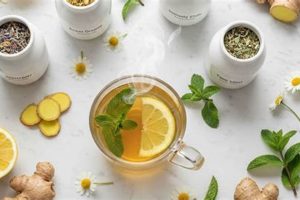
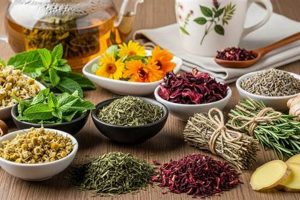
A procedural guide outlining the ingredients and steps required to prepare a beverage derived from the infusion or decoction of herbs, spices, flowers, or other plant material. An example involves combining dried chamomile flowers with hot water, steeping for several minutes, and straining before consumption.
Formulating these guides allows individuals to create customized wellness drinks tailored to their specific needs and preferences. Historically, such formulations have been used for medicinal purposes, relaxation, and culinary enjoyment. The practice provides a caffeine-free alternative to traditional teas and coffees.
The following sections will detail various approaches to developing these formulations, including ingredient selection, optimal preparation methods, and potential health considerations.
Tips for Optimal Herbal Infusion Formulations
Achieving a desirable flavor profile and maximizing potential benefits requires careful attention to detail during the formulation process. The following recommendations aim to provide guidance for creating superior herbal infusions.
Tip 1: Select High-Quality Ingredients: Prioritize sourcing dried herbs, spices, and flowers from reputable suppliers known for their commitment to quality and sustainable harvesting practices. Fresh ingredients, when appropriate, should be carefully inspected for freshness and absence of blemishes.
Tip 2: Understand Ingredient Properties: Research the individual characteristics of each intended component. Certain herbs release their beneficial compounds more effectively via decoction (boiling) while others are best suited for infusion (steeping in hot water). Some combinations may result in undesirable flavors.
Tip 3: Adhere to Precise Measurements: Employ accurate measuring tools to ensure consistent results. Slight variations in ingredient ratios can significantly impact the final taste and potency. Maintain a record of successful formulations for reproducibility.
Tip 4: Control Water Temperature: The optimal water temperature varies depending on the herbal ingredients used. Delicate flowers and leaves generally require lower temperatures (around 170-180F or 77-82C) to prevent scorching, while more robust roots and barks can withstand higher temperatures (around 200-212F or 93-100C).
Tip 5: Employ Proper Steeping Time: Allow sufficient time for the herbal components to release their flavors and beneficial compounds. General steeping times range from 5 to 15 minutes, but this may need to be adjusted based on the specific ingredients and desired strength.
Tip 6: Utilize Appropriate Filtration Methods: Employ a fine-mesh strainer or tea filter to remove solid particles from the finished infusion. This ensures a smoother texture and prevents sediment from settling at the bottom of the cup.
Tip 7: Experiment and Refine: Don’t be afraid to experiment with different ingredient combinations and ratios to discover unique flavor profiles. Keep detailed notes of each formulation, noting both successes and failures, to progressively refine your creations.
Applying these guidelines can substantially elevate the quality and efficacy of homemade herbal infusions. Careful ingredient selection, precise measurements, and controlled brewing methods are essential for consistently achieving desired results.
The subsequent sections will explore specific formulation examples and address potential safety considerations associated with the consumption of various herbal ingredients.
1. Ingredients quality

Ingredient quality is a foundational determinant of the final product’s sensory and therapeutic attributes in herbal tea formulation. The inherent characteristics of the raw materials significantly impact flavor profile, aroma, and the presence of bioactive compounds.
- Sourcing and Authenticity
The origin and verification of herbal ingredients are paramount. Geographical location, cultivation practices, and species identification influence the chemical composition and thus the efficacy of the tea. Adulteration or misidentification can compromise the intended properties and pose potential safety risks. For example, using incorrectly identified plant species may contain toxins. Reputable suppliers should provide certifications and conduct rigorous testing.
- Freshness and Storage
The age of the herbs and the conditions under which they are stored significantly affect their quality. Volatile oils and other beneficial compounds degrade over time, particularly when exposed to light, heat, and moisture. Proper storage in airtight containers, away from direct sunlight and temperature fluctuations, is essential. Fresh herbs should be vibrant in color and aroma, while dried herbs should retain their characteristic scent and appearance. Stale or improperly stored herbs may lack potency and exhibit off-flavors.
- Organic vs. Conventional Cultivation
The cultivation methods employed impact the presence of pesticides, herbicides, and other contaminants in the final product. Opting for organically grown herbs minimizes exposure to synthetic chemicals, which can detract from the purity and perceived health benefits of the tea. While conventional herbs may be more readily available and less expensive, thorough washing and sourcing from reputable suppliers are essential to mitigate potential risks.
- Harvesting and Processing Methods
The timing and methods of harvesting, drying, and processing can influence the concentration and preservation of bioactive compounds. Herbs harvested at their peak potency and dried using appropriate techniques (e.g., air-drying in a shaded environment) retain a higher concentration of desirable constituents. Harsh processing methods, such as excessive heat or chemical treatments, can degrade sensitive compounds and diminish the overall quality of the ingredients.
In conclusion, the quality of herbal tea is directly linked to the selection, sourcing, and handling of its constituent ingredients. Prioritizing authenticity, freshness, and sustainable cultivation practices ensures a more flavorful, potent, and beneficial final product. A meticulous approach to ingredient quality is an investment in the overall experience and potential health benefits of the prepared infusion.
2. Water Temperature

Water temperature plays a critical role in the extraction of desirable compounds from herbs during the preparation of herbal infusions. Inadequate temperature can result in under-extraction, while excessive heat can degrade delicate flavors and beneficial constituents.
- Impact on Volatile Oils
Volatile oils, responsible for the aroma and some therapeutic properties of certain herbs, are sensitive to heat. High water temperatures can cause these oils to evaporate rapidly, leading to a loss of flavor and potency. For herbs rich in volatile oils, such as chamomile and peppermint, lower temperatures (around 170-180F or 77-82C) are recommended to preserve these compounds.
- Extraction of Bitter Compounds
Excessively hot water can extract undesirable bitter compounds from some herbs, resulting in an unpleasant taste. Certain herbs, particularly those with high tannin content, are prone to releasing bitter substances at high temperatures. Controlling the water temperature can help minimize the extraction of these compounds, leading to a more palatable infusion.
- Influence on Enzyme Activity
Enzymes present in some herbs can contribute to their therapeutic properties. However, these enzymes are sensitive to heat and can be denatured at high temperatures, rendering them inactive. Using lower water temperatures can help preserve enzyme activity and potentially enhance the health benefits of the infusion. For example, green tea is often brewed at lower temperatures to preserve its enzymes.
- Optimizing Compound Solubility
Different compounds in herbs have varying degrees of solubility at different temperatures. Some compounds, such as polysaccharides and certain antioxidants, may require higher temperatures to be effectively extracted. However, excessively high temperatures may also degrade these compounds. Determining the optimal water temperature for a specific herbal blend involves balancing the need for efficient extraction with the risk of degradation.
Selecting the appropriate water temperature is a crucial aspect of preparing a well-balanced and effective herbal infusion. Consideration of the specific herbs being used and their inherent properties is essential for optimizing flavor, aroma, and therapeutic benefits.
3. Steeping Duration

Steeping duration represents a critical, time-dependent parameter within herbal tea preparation, directly influencing the extraction of bioactive compounds and subsequent sensory characteristics of the final infusion. The duration impacts flavor intensity, potential therapeutic benefits, and overall palatability.
- Extraction of Volatile and Non-Volatile Compounds
Shorter steeping times predominantly extract volatile oils responsible for aroma and lighter flavors. Extended steeping extracts a greater proportion of non-volatile compounds, including tannins and bitter principles. Peppermint, steeped briefly, yields a refreshing flavor; prolonged steeping may result in an unpleasantly bitter taste. The optimal duration balances desirable and undesirable compound extraction.
- Influence on Bioactive Compound Release
Different bioactive compounds exhibit varying extraction rates. Water-soluble vitamins and antioxidants require sufficient steeping to be effectively released from plant material. Conversely, some compounds may degrade with prolonged exposure to heat. The appropriate duration depends on the desired therapeutic outcome. A longer steep time for echinacea may enhance immune-stimulating properties.
- Impact on Flavor Profile and Body
Steeping duration directly affects the overall flavor profile. Shorter infusions yield a lighter-bodied, more delicate flavor, while longer durations result in a fuller-bodied, more intense flavor. Over-steeping can lead to astringency and bitterness. Chamomile, when steeped appropriately, produces a sweet, floral flavor; over-steeping results in a bitter aftertaste.
- Considerations for Different Herbal Materials
The optimal steeping duration varies based on the type of plant material used. Delicate leaves and flowers generally require shorter durations than dense roots and barks. Leaves like green tea often require shorter steeping than roots like ginger. A generalized duration may not be appropriate for all herbal teas.
Effective manipulation of steeping duration allows for precise control over the final product, enabling tailored infusions that optimize both flavor and potential health benefits. Mastery of this variable is crucial for consistently achieving desired outcomes in herbal tea preparation. Careful consideration of the herbal ingredients’ characteristics is key to determining the ideal steep time.
4. Herb Proportions

Herb proportions within a formulation directly determine the resulting flavor profile, therapeutic efficacy, and potential safety of the final product. Varying the quantities of individual components influences the intensity of specific flavors, the concentration of bioactive compounds, and the likelihood of adverse reactions. A precisely balanced blend of chamomile and lavender, for instance, promotes relaxation without inducing excessive drowsiness, whereas a disproportionately high quantity of lavender may cause unwanted sedation. Consequently, accurate measurement and adherence to established ratios are paramount for predictable and consistent results.
The effect of individual herb proportions extends beyond simple additive effects. Synergistic interactions can occur between different plant constituents, where the combined effect is greater than the sum of their individual effects. Conversely, antagonistic interactions can also arise, diminishing the therapeutic efficacy or altering the flavor profile in undesirable ways. A traditional cold remedy might incorporate ginger and lemon in specific proportions, maximizing anti-inflammatory and antiviral properties while maintaining palatability. Altering these ratios could compromise effectiveness or result in an unpleasantly strong or sour taste. A clear understanding of these interactions is therefore essential for informed and effective formulation design.
In summary, herb proportions are not merely arbitrary measurements but fundamental determinants of an herbal infusion’s overall characteristics and impact. Precise control and a thorough understanding of individual herb properties and potential interactions are critical for creating safe, effective, and palatable preparations. Neglecting this aspect can lead to unpredictable outcomes and potentially compromise the intended benefits. Accurate measurements and an understanding of herb synergy are key components in realizing the full potential of any formulated blend.
5. Filtration Method

Filtration, in the context of herbal tea preparation, is the process of separating solid particulate matter from the liquid infusion. The chosen method significantly impacts the clarity, texture, and overall aesthetic appeal of the beverage, ultimately influencing the consumption experience.
- Mesh Size and Material
The fineness of the filter’s mesh, coupled with the material of construction, determines the size of particles that are retained. Fine-mesh strainers, often made of stainless steel or nylon, effectively remove small particles, yielding a clear infusion. Coarser meshes, or those constructed from less effective materials, may allow sediment to pass through, resulting in a less refined appearance. The choice depends on the herbal blend; finely ground ingredients necessitate finer filtration.
- Filter Type: Strainers, Cloth, and Paper
Various filter types exist, each with its own characteristics. Strainers offer reusability and ease of cleaning but may not capture the finest particles. Cloth filters, such as cheesecloth, provide a high degree of filtration but require meticulous cleaning to prevent bacterial growth. Paper filters, commonly used in coffee preparation, offer disposable convenience and excellent clarity but may impart a slight papery taste to the infusion. The selection should align with desired clarity and convenience.
- Influence on Flavor and Aroma
Filtration can subtly influence the perceived flavor and aroma of the infusion. Excessive filtration, particularly with tightly woven materials, may inadvertently remove some of the volatile oils responsible for aroma and delicate flavor notes. Conversely, inadequate filtration can result in a gritty texture and an unpleasant taste due to suspended particles. Balancing filtration intensity with the preservation of desired sensory qualities is essential.
- Impact on Mouthfeel and Visual Appeal
The presence of particulate matter significantly affects the mouthfeel of the tea. A well-filtered infusion offers a smoother, cleaner texture, enhancing the overall drinking experience. Clear, sediment-free infusions are generally considered more visually appealing. The filtration method is therefore integral to achieving a high-quality, aesthetically pleasing herbal tea.
In conclusion, the filtration method is a critical consideration within any guide, as it directly shapes the final product’s sensory attributes. Careful selection and implementation of the appropriate filtration technique are crucial for optimizing both the aesthetic and gustatory qualities of the prepared herbal infusion.
6. Health benefits
The connection between “health benefits” and procedural guides for creating herbal infusions is intrinsically linked through the intentional selection of ingredients known for specific therapeutic properties. A carefully crafted guide not only details the steps for preparing the beverage but also leverages the inherent chemical constituents of the herbs to produce a desired physiological effect. The presence, absence, or alteration of steps can affect the availability of these health benefits. For instance, a chamomile infusion, prepared according to a documented and verified procedure, may promote relaxation due to the presence of apigenin, a compound known for its anxiolytic properties. However, altering the guidesuch as using an incorrect steeping timecould diminish the concentration of this compound, thereby reducing the intended health benefit. The importance of validated procedures is thus paramount in ensuring the efficacy of the infusion.
Further analysis reveals that the purported health benefits associated with infusions often stem from traditional uses validated by preliminary scientific studies. Guides provide a framework for replicating these traditional practices in a controlled and consistent manner. For example, a procedural guide for preparing ginger tea may highlight its anti-inflammatory properties attributed to gingerol, a compound that has demonstrated efficacy in reducing nausea and alleviating arthritis symptoms in clinical trials. The practical application of this understanding extends to personalized wellness routines, where individuals can tailor ingredient selection and preparation methods to address specific health concerns, provided these selections are guided by evidence-based knowledge and an understanding of potential interactions or contraindications.
In summary, the inextricable link between these formulations and health benefits underscores the need for rigorous documentation, standardized methodologies, and evidence-based ingredient selection. The challenge lies in translating traditional knowledge into validated procedures while accounting for individual variability and potential adverse effects. Understanding this connection is critical for promoting the responsible and effective use of herbal infusions in support of overall well-being.
Frequently Asked Questions Regarding Herbal Tea Formulations
This section addresses common inquiries concerning the development and application of these formulations. Accurate information ensures safe and effective practices.
Question 1: What constitutes a safe daily consumption limit?
Safe daily consumption varies significantly based on the specific herbs used, individual physiology, and potential pre-existing medical conditions. Consultation with a qualified healthcare professional is advisable before incorporating substantial quantities of any herbal preparation into the daily routine.
Question 2: How does water quality impact the final product?
Water quality is a critical determinant of the infusion’s overall purity and flavor. The use of filtered or spring water is recommended to avoid introducing contaminants or undesirable flavors present in tap water. Distilled water, while pure, may lack essential minerals that can contribute to the infusion’s characteristics.
Question 3: Can metal teapots affect the infusion’s chemical composition?
Certain metals, particularly aluminum, can react with the acidic compounds present in some herbs, potentially altering the infusion’s chemical composition and introducing metallic flavors. The use of glass, ceramic, or stainless steel teapots is generally preferred to minimize such interactions.
Question 4: How should surplus herbal infusions be stored?
Surplus infusions should be stored in airtight containers in a refrigerator to prevent spoilage and maintain freshness. While refrigeration slows down degradation, it is advisable to consume the infusion within 24-48 hours to ensure optimal flavor and potency. Freezing is generally not recommended, as it can alter the texture and flavor.
Question 5: Are there potential interactions with pharmaceutical medications?
Numerous herbs can interact with pharmaceutical medications, potentially altering their efficacy or increasing the risk of adverse effects. Individuals taking prescription medications should consult with a healthcare provider or pharmacist before consuming herbal infusions to assess potential interactions.
Question 6: How does altitude affect preparation?
At higher altitudes, water boils at a lower temperature, potentially impacting the extraction of beneficial compounds. Compensating by increasing steeping time is advisable to ensure adequate extraction when preparing infusions at elevated altitudes. Monitoring flavor and adjusting parameters is key.
Adhering to these guidelines promotes both safety and efficacy in the consumption of herbal beverages. Responsible practices are key.
The following sections will detail specific preparation methods and relevant historical contexts associated with various commonly consumed herbal infusions.
Herbal Tea Recipe
The preceding analysis has elucidated the multifaceted nature of creating these herbal infusions, emphasizing the criticality of ingredient quality, water temperature control, steeping duration management, precise herb proportions, effective filtration methodologies, and understanding potential health benefits. Neglecting any of these aspects can significantly compromise the final product’s efficacy and safety.
Continued rigorous research and standardized documentation of these procedural guides are essential for ensuring consistent and predictable outcomes. The diligent application of evidence-based knowledge will promote the responsible and effective use of these formulations, optimizing their potential contribution to overall well-being. Further exploration into novel herbal combinations and advanced extraction techniques holds promise for expanding the therapeutic applications of these traditional beverages.