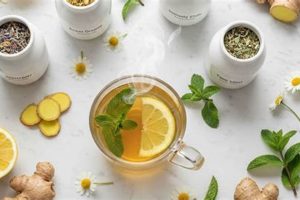
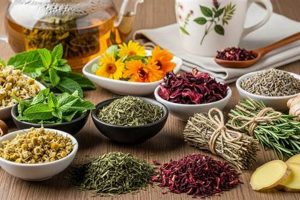
Certain infusions, prepared from various plants and spices, are often considered as complementary approaches to managing elevated levels of lipids in the bloodstream. These beverages diverge from traditional teas derived from Camellia sinensis, instead utilizing a diverse range of botanicals. For example, a beverage made from hibiscus flowers or ginger root is categorized within this domain.
The appeal of consuming specific botanical infusions to potentially support cardiovascular wellness stems from several factors. Historically, various cultures have employed plants for medicinal purposes, and modern research explores the bioactive compounds present in these plants. Potential benefits include antioxidant effects and support for lipid metabolism. However, it is crucial to understand that such beverages are not a replacement for prescribed medications or lifestyle adjustments recommended by healthcare professionals.
The subsequent sections will delve into some commonly discussed infusions associated with the potential to influence lipid profiles, examine available research findings, and address important considerations regarding safety and appropriate use.
Guidance on Botanical Infusions and Lipid Management
The following provides practical considerations when exploring the potential role of botanical infusions as a complementary element in managing elevated lipid levels.
Tip 1: Prioritize Medical Guidance: Consult with a healthcare professional before incorporating any botanical infusion into a regimen intended to manage cholesterol. Prescribed medications and lifestyle adjustments should remain the primary focus unless otherwise directed by a physician.
Tip 2: Understand Potential Interactions: Certain botanicals may interact with prescription medications, altering their efficacy or increasing the risk of adverse effects. Disclosure of all supplements and infusions to the healthcare provider is crucial for evaluating potential contraindications.
Tip 3: Emphasize Dietary Foundation: Focus on a balanced dietary pattern, rich in soluble fiber, fruits, and vegetables, and low in saturated and trans fats. Infusions may be considered as an adjunct, but should not replace fundamental dietary modifications.
Tip 4: Be Mindful of Allergenic Potential: Certain individuals may exhibit allergic reactions to specific plants. Begin with small quantities of any new infusion to assess tolerance, and discontinue use if any adverse symptoms occur.
Tip 5: Seek Reputable Sources: Procure botanicals and prepared infusions from reliable vendors that adhere to quality control standards. Contamination and inaccurate labeling can compromise both safety and potential efficacy.
Tip 6: Adhere to Recommended Dosage: Follow suggested brewing instructions and consumption guidelines. Excessive intake of certain botanicals can lead to adverse effects.
Tip 7: Monitor Lipid Profiles: Regularly monitor lipid levels as directed by a healthcare provider. This allows for objective assessment of the effectiveness of the comprehensive management plan, including lifestyle adjustments and, if appropriate, the use of botanical infusions.
Tip 8: Maintain Realistic Expectations: Understand that the effects of botanical infusions on lipid profiles are often modest and may vary significantly among individuals. A holistic approach, including lifestyle modifications and prescribed medications, is typically necessary for optimal lipid management.
Consistent application of these guidelines, coupled with professional medical oversight, will promote responsible utilization of botanical infusions in conjunction with established strategies for maintaining cardiovascular well-being.
The subsequent article sections will address specific botanical infusions and their potential impact on lipid levels, elaborating on the considerations outlined above.
1. Plant Bioactive Compounds

The potential influence of botanical infusions on lipid profiles is primarily attributed to the diverse array of bioactive compounds present within the constituent plants. These compounds, acting through a variety of mechanisms, may contribute to modulating cholesterol levels and promoting cardiovascular health.
- Polyphenols and Antioxidant Activity
Many plants used in infusions contain polyphenols, which exhibit antioxidant properties. These antioxidants may counteract oxidative stress, a key contributor to the development of atherosclerosis. For example, flavonoids found in hibiscus infusions have demonstrated antioxidant effects in vitro. Their potential to mitigate LDL oxidation is being investigated; however, the clinical significance requires further study.
- Saponins and Cholesterol Absorption
Saponins, present in some plants, may interfere with the absorption of cholesterol in the digestive tract. By binding to cholesterol, saponins can reduce its uptake into the bloodstream. Preliminary research suggests that certain herbs containing saponins might modestly lower LDL cholesterol levels. More rigorous clinical trials are needed to confirm these findings.
- Phytosterols and Cholesterol Competition
Phytosterols, or plant sterols, structurally resemble cholesterol and can compete with its absorption in the intestines. Consuming phytosterols can lead to a reduction in circulating LDL cholesterol. While not all infusions contain significant amounts of phytosterols, some blends may contribute to a marginal reduction in cholesterol absorption.
- Fiber Content and Bile Acid Binding
Certain plant materials used in infusions may contain soluble fiber. Soluble fiber can bind to bile acids in the intestine, promoting their excretion. This process stimulates the liver to produce more bile acids, utilizing cholesterol in the process and potentially lowering LDL cholesterol levels. The fiber content in infusions is typically low, suggesting a limited impact compared to dietary fiber sources.
In summary, the potential effects of botanical infusions on lipid profiles are largely mediated by the bioactive compounds present in the constituent plants. While some compounds exhibit promising mechanisms of action, clinical evidence supporting significant reductions in cholesterol levels remains limited. These infusions should be viewed as complementary approaches and not as primary treatments for hyperlipidemia. Further research is necessary to fully elucidate the efficacy and safety of specific botanical infusions.
2. Antioxidant Capacity

The antioxidant capacity of various botanical infusions is often cited as a potential mechanism through which they may influence cardiovascular health, particularly in the context of managing elevated cholesterol levels. Oxidative stress, caused by an imbalance between free radical production and antioxidant defenses, is implicated in the pathogenesis of atherosclerosis. By mitigating oxidative stress, botanical infusions with high antioxidant capacity may exert a protective effect on the cardiovascular system.
- Free Radicals and LDL Oxidation
Free radicals, unstable molecules with unpaired electrons, can damage cellular structures, including low-density lipoprotein (LDL) cholesterol. Oxidized LDL is more likely to accumulate in arterial walls, contributing to plaque formation. Antioxidants present in botanical infusions can neutralize free radicals, potentially reducing LDL oxidation and the subsequent development of atherosclerosis.
- Polyphenols as Primary Antioxidants
Polyphenols, a diverse group of plant-derived compounds, are potent antioxidants. They donate electrons to free radicals, rendering them harmless. Examples include flavonoids, tannins, and phenolic acids. Infusions prepared from plants rich in polyphenols, such as hibiscus or green tea, exhibit higher antioxidant activity.
- Measuring Antioxidant Capacity: Common Assays
Several assays are used to quantify the antioxidant capacity of plant extracts and infusions. These include the Trolox equivalent antioxidant capacity (TEAC), ferric reducing antioxidant power (FRAP), and oxygen radical absorbance capacity (ORAC) assays. Higher scores on these assays indicate greater antioxidant activity. However, in vitro antioxidant activity does not always translate to in vivo efficacy.
- Bioavailability and In Vivo Effects
The bioavailability of antioxidants from botanical infusions is a critical factor. Bioavailability refers to the extent to which antioxidants are absorbed into the bloodstream and reach target tissues. Factors such as metabolism and interactions with other compounds in the gut can affect bioavailability. Therefore, while an infusion may exhibit high antioxidant capacity in vitro, its actual impact on oxidative stress in the body may be more limited.
The antioxidant capacity of infusions, while a promising area of research, should be interpreted cautiously. While they may provide a supplementary role, they do not substitute for established medical treatments or lifestyle modifications in managing elevated cholesterol levels. Further research is needed to determine the clinical significance of the antioxidant effects of specific botanical infusions.
3. Lipid Metabolism Support
Botanical infusions are sometimes considered as a potential adjunct to conventional treatments for elevated cholesterol due to the purported ability of certain plant compounds to influence lipid metabolism. Lipid metabolism, a complex process involving the synthesis, transport, and breakdown of lipids (including cholesterol and triglycerides), is critical for maintaining cardiovascular health. Disruptions in this process can lead to hyperlipidemia, increasing the risk of atherosclerosis and associated cardiovascular events. The notion that specific botanical infusions might favorably modulate lipid metabolism has driven research into their potential therapeutic applications.
The mechanisms through which certain botanical infusions may support lipid metabolism are varied. For example, some plant compounds are thought to enhance the activity of lipoprotein lipase, an enzyme responsible for breaking down triglycerides in the bloodstream. Other compounds may interfere with cholesterol absorption in the gut, thereby reducing the amount of cholesterol that enters circulation. Furthermore, some infusions may stimulate bile acid production, a process that requires the liver to utilize cholesterol, potentially lowering LDL cholesterol levels. Hibiscus infusions, for instance, have been studied for their potential to lower blood pressure and improve lipid profiles, effects which may be related to the presence of antioxidant compounds that support healthy endothelial function, which is critical for lipid transport and metabolism. However, clinical evidence supporting these mechanisms remains limited and inconsistent. The effects of infusions are often modest, and they should not be considered as a replacement for evidence-based therapies.
In conclusion, while the concept of using botanical infusions to support lipid metabolism holds some promise, it is essential to approach this area with caution. The effects of infusions are often subtle, and the available evidence is not strong enough to recommend them as a primary treatment for hyperlipidemia. Individuals with elevated cholesterol should prioritize lifestyle modifications, such as diet and exercise, and adhere to prescribed medications as directed by their healthcare provider. Botanical infusions may be considered as a complementary approach, but only after consulting with a healthcare professional to ensure safety and avoid potential interactions with medications.
4. Traditional Use Evidence

The historical application of botanical remedies forms a basis for contemporary interest in “herbal tea for high cholesterol.” Examination of traditional practices provides insight into the origins of current research, although historical use does not confirm efficacy.
- Geographic and Cultural Variations
The utilization of plants to address perceived cardiovascular ailments varies substantially across geographic regions and cultural traditions. In some cultures, specific herbs are prepared as infusions and consumed regularly with the intention of promoting heart health. Documentation of these practices, often passed down through generations, provides a context for understanding the selection and preparation of particular plants. However, it is essential to recognize that these practices are based on anecdotal evidence and cultural beliefs rather than rigorous scientific investigation.
- Historical Documentation and Herbal Texts
Ancient medical texts and herbals, originating from various civilizations, contain references to plants considered beneficial for circulation and general well-being. These texts often describe methods of preparation, including infusions and decoctions, and detail the conditions for which they were deemed appropriate. While these historical records offer valuable information about the historical use of plants, they lack the controlled methodologies and statistical analyses of modern clinical research. Thus, conclusions drawn from historical texts should be interpreted cautiously.
- Species Selection Rationale
The selection of specific plants for use in “herbal tea for high cholesterol” often stems from observations of their perceived effects on bodily functions. For instance, plants with diuretic properties were sometimes used to manage fluid retention, which was historically associated with heart conditions. Similarly, plants with known bitter compounds were believed to stimulate digestion and improve overall health. While these rationales may have contributed to the selection of certain species, the underlying mechanisms are often poorly understood, and the efficacy of these plants for specifically lowering cholesterol levels remains unproven.
- Limitations of Traditional Knowledge
Traditional use evidence, while offering valuable historical context, has limitations when applied to modern medical practice. The absence of standardized dosages, the lack of controlled trials, and the potential for misidentification of plant species make it difficult to draw definitive conclusions about the efficacy and safety of specific botanical remedies. Furthermore, traditional practices may not account for potential interactions between herbs and pharmaceutical medications, posing a risk to individuals with existing health conditions. Therefore, traditional use evidence should be viewed as a starting point for further scientific investigation, rather than as a substitute for evidence-based medical care.
Contemporary research into “herbal tea for high cholesterol” often draws inspiration from traditional use practices. However, it is essential to rigorously evaluate the claims associated with these traditional remedies using modern scientific methodologies to determine their true efficacy and safety.
5. Clinical Research Scrutiny

Rigorous clinical research is paramount to validate claims regarding the efficacy and safety of botanical infusions promoted for managing elevated cholesterol. The absence of such scrutiny renders purported benefits speculative, potentially misleading consumers and compromising patient care.
- Study Design Rigor
Robust study designs, including randomized controlled trials (RCTs), are essential to minimize bias and establish cause-and-effect relationships. Many studies examining botanical infusions suffer from limitations such as small sample sizes, lack of blinding, and inadequate control groups. The results of poorly designed studies should be interpreted with caution, as they may not accurately reflect the true effects of the infusion. For example, a study claiming significant cholesterol reduction from a specific tea blend may be compromised if participants are not randomly assigned to treatment and control groups, or if researchers are aware of which participants are receiving the active treatment.
- Standardization of Preparations
Variability in the composition of botanical preparations poses a significant challenge to clinical research. The concentration of active compounds can differ widely depending on factors such as plant variety, growing conditions, and extraction methods. To ensure reproducibility and comparability of results, it is crucial to standardize the botanical preparations used in clinical trials. This involves carefully characterizing the chemical composition of the infusion and ensuring consistent dosages. Lack of standardization can lead to conflicting findings and hinder the ability to draw definitive conclusions about the efficacy of the infusion.
- Outcome Measures and Statistical Analysis
The selection of appropriate outcome measures and the application of sound statistical analyses are critical for interpreting the results of clinical trials. Studies should focus on clinically relevant endpoints, such as changes in LDL cholesterol, HDL cholesterol, and triglycerides, rather than surrogate markers with uncertain clinical significance. Statistical analyses should be conducted rigorously, accounting for potential confounding factors and adjusting for multiple comparisons. Improper statistical analysis can lead to spurious positive results, exaggerating the perceived benefits of the infusion.
- Transparency and Publication Bias
Transparency in the conduct and reporting of clinical research is essential to ensure the integrity of the scientific process. Studies should be registered prospectively, and all results, including negative findings, should be published in peer-reviewed journals. Publication bias, the tendency to selectively publish positive results, can distort the overall evidence base and lead to an overestimation of the benefits of an intervention. Researchers and funding agencies have a responsibility to promote transparency and ensure that all relevant data are made available to the scientific community.
The absence of rigorous clinical research undermines the credibility of claims regarding “herbal tea for high cholesterol”. Consumers and healthcare professionals should critically evaluate the available evidence before incorporating botanical infusions into cholesterol management strategies, prioritizing treatments with demonstrated efficacy and safety.
6. Safety Profile Assessment

Thorough evaluation of the safety profile of any botanical infusion is an indispensable prerequisite before its consideration for adjunctively managing elevated cholesterol. The potential for adverse effects and interactions with existing medications necessitates a comprehensive understanding of the safety characteristics of “herbal tea for high cholesterol” to mitigate risks.
Many plants contain bioactive compounds that, while potentially offering therapeutic benefits, may also trigger adverse reactions in certain individuals. Allergic reactions, ranging from mild skin irritation to severe anaphylaxis, represent a significant concern. Furthermore, some botanicals can interact with prescription medications, altering their efficacy or increasing the risk of side effects. For example, St. John’s Wort, although not typically used directly as a “herbal tea for high cholesterol,” is a potent inducer of cytochrome P450 enzymes, potentially reducing the effectiveness of statins, a commonly prescribed class of cholesterol-lowering drugs. A proper safety profile assessment includes evaluating the potential for such interactions, as well as considering factors such as dosage, duration of use, and individual patient characteristics. It is imperative that any botanical infusion marketed for cholesterol management undergoes rigorous safety testing to identify potential hazards and establish safe usage guidelines. Failure to adequately assess the safety profile of such products can have serious consequences for patient health.
In conclusion, a robust safety profile assessment is not merely an optional consideration, but a fundamental requirement for responsible evaluation of “herbal tea for high cholesterol.” By comprehensively evaluating potential risks and interactions, healthcare professionals and consumers can make informed decisions regarding the use of these infusions, maximizing potential benefits while minimizing the likelihood of adverse outcomes.
7. Complementary Role Only

The concept of “Complementary Role Only,” when applied to “herbal tea for high cholesterol,” underscores a critical principle in managing hyperlipidemia. It stipulates that botanical infusions should never supplant established medical treatments or lifestyle modifications recognized as primary interventions. The underlying rationale is that, while certain plants may possess bioactive compounds with potential benefits for lipid profiles, the magnitude of their effect is typically modest compared to that of pharmaceutical agents and comprehensive lifestyle adjustments. For instance, while a hibiscus infusion might exhibit antioxidant properties and contribute to a marginal reduction in blood pressure, it does not possess the potency of a statin medication in lowering LDL cholesterol. Abandoning or delaying conventional treatments in favor of solely relying on botanical infusions can have serious consequences, potentially increasing the risk of cardiovascular events.
Practical application of the “Complementary Role Only” principle necessitates a collaborative approach involving healthcare professionals. Individuals considering the use of “herbal tea for high cholesterol” should consult with their physician or registered dietitian to discuss the potential benefits and risks, as well as to ensure that the infusion does not interact with any existing medications. Furthermore, healthcare providers can help individuals set realistic expectations regarding the effects of the infusion and emphasize the importance of adhering to a comprehensive management plan that includes dietary modifications, regular exercise, and, if prescribed, pharmaceutical agents. A real-world example might involve an individual taking a statin medication to lower LDL cholesterol who also incorporates green tea into their daily routine. In this scenario, the green tea serves as a complementary strategy, potentially providing additional antioxidant benefits, but it does not replace the statin medication’s primary role in reducing cholesterol levels. Regular monitoring of lipid profiles is essential to assess the effectiveness of the overall management plan and to make necessary adjustments.
In summary, the “Complementary Role Only” designation for “herbal tea for high cholesterol” signifies its status as an adjunct, not a replacement, for standard care. Challenges exist in effectively communicating this message to the public, as marketing claims may often exaggerate the potential benefits of these infusions. It is incumbent upon healthcare professionals to provide evidence-based guidance to individuals seeking natural remedies for hyperlipidemia, ensuring that they understand the limitations and potential risks associated with relying solely on “herbal tea for high cholesterol.” The appropriate integration of botanical infusions into a holistic management plan requires careful consideration of individual circumstances and a commitment to adhering to established medical guidelines.
Frequently Asked Questions
The following questions address common inquiries and misconceptions concerning the use of botanical infusions in the context of managing elevated cholesterol levels. The information provided is intended for educational purposes and does not constitute medical advice. Consultation with a qualified healthcare professional is essential for personalized guidance.
Question 1: Can “herbal tea for high cholesterol” replace prescribed medications?
No, botanical infusions should not be considered a substitute for prescribed cholesterol-lowering medications. Pharmaceutical agents, such as statins, have undergone rigorous clinical testing and are proven to effectively reduce LDL cholesterol levels. “Herbal tea for high cholesterol” may be considered as a complementary approach, but should never replace established medical treatments without the explicit approval of a healthcare provider.
Question 2: Are all “herbal teas for high cholesterol” equally effective?
No, the efficacy of different “herbal teas for high cholesterol” can vary significantly. The concentration of active compounds, the quality of the ingredients, and the preparation methods can all influence the potential benefits. Furthermore, individual responses to botanical infusions may differ. It is crucial to select infusions from reputable sources and to be wary of unsubstantiated claims.
Question 3: What are the potential risks associated with consuming “herbal tea for high cholesterol?”
Potential risks include allergic reactions, interactions with medications, and the ingestion of contaminated products. Certain herbs may also have adverse effects on specific individuals, such as pregnant women or those with pre-existing medical conditions. It is essential to research the safety profile of any “herbal tea for high cholesterol” before consuming it and to consult with a healthcare professional to assess potential risks.
Question 4: How quickly can “herbal tea for high cholesterol” lower cholesterol levels?
The timeframe for observing any potential effects of “herbal tea for high cholesterol” on lipid profiles is highly variable and dependent on numerous factors, including the specific infusion, the dosage, and individual physiology. In general, any changes are likely to be gradual and modest compared to those achieved with pharmaceutical interventions. Regular monitoring of cholesterol levels is essential to assess the effectiveness of any management strategy, including the use of botanical infusions.
Question 5: Can “herbal tea for high cholesterol” be used during pregnancy or breastfeeding?
The safety of many “herbal teas for high cholesterol” during pregnancy and breastfeeding has not been adequately studied. Some herbs may pose risks to the developing fetus or infant. It is imperative to consult with a healthcare professional before consuming any botanical infusion during these periods.
Question 6: Where can reliable information about “herbal tea for high cholesterol” be found?
Reliable information can be obtained from reputable sources such as peer-reviewed scientific journals, government health agencies, and professional medical organizations. Be wary of anecdotal claims and marketing materials that lack scientific support. Consult with a healthcare professional for personalized guidance and evidence-based recommendations.
The judicious use of botanical infusions as a complementary approach to managing elevated cholesterol necessitates careful consideration of potential benefits, risks, and limitations. A collaborative approach involving healthcare professionals is essential for ensuring patient safety and optimizing treatment outcomes.
The concluding section will summarize key considerations and offer final recommendations regarding the appropriate role of “herbal tea for high cholesterol” in cardiovascular health management.
Conclusion
This exploration has detailed the multifaceted aspects of “herbal tea for high cholesterol,” emphasizing the necessity for a cautious and informed approach. While some botanical infusions may offer ancillary benefits stemming from their antioxidant properties or potential influence on lipid metabolism, these effects should not be overstated. The available clinical evidence remains limited, and standardized preparations and rigorous study designs are essential for validating claims of efficacy.
The responsible incorporation of “herbal tea for high cholesterol” into a comprehensive cardiovascular health strategy necessitates consultation with healthcare professionals, adherence to established medical guidelines, and a recognition of the limitations inherent in relying solely on botanical remedies. Further research is warranted to fully elucidate the potential benefits and risks associated with specific botanical infusions and their role in managing elevated cholesterol levels.