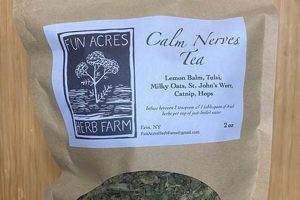
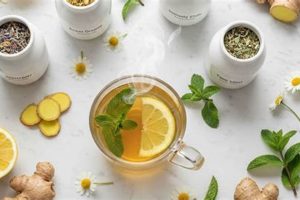
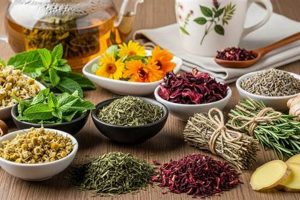
Beverages crafted from the infusion or decoction of herbs, spices, flowers, fruits, or other plant material in hot water represent a diverse category of drinks often consumed for their flavor and potential health benefits. These preparations differ from true teas, which are derived solely from the Camellia sinensis plant. An example would be a beverage prepared by steeping chamomile flowers in hot water.
The significance of these plant-based infusions lies in their wide range of purported therapeutic properties and their historical usage across various cultures. Throughout history, people have utilized these infusions for relaxation, digestive support, immune system enhancement, and as remedies for minor ailments. Their natural composition often makes them a preferred alternative to artificially flavored or sweetened beverages. The absence of caffeine in many varieties contributes to their popularity as a calming drink, particularly in the evening.
The following sections will delve deeper into specific aspects, including the common ingredients used, preparation methods, potential benefits, and considerations for incorporating these infusions into a healthy lifestyle.
Considerations for Incorporating Plant-Based Infusions
Effective utilization of plant-based infusions necessitates informed decision-making. The following points provide guidance on maximizing their potential benefits while mitigating potential risks.
Tip 1: Ingredient Sourcing: Prioritize infusions derived from reputable sources. This ensures quality control and minimizes the risk of contamination or adulteration with undesirable substances. Investigate the supplier’s certifications and quality assurance practices.
Tip 2: Allergen Awareness: Exercise caution regarding potential allergens. Individuals with known plant allergies should carefully review the ingredient list before consumption. Cross-reactivity between different plant species is possible, necessitating vigilant monitoring for adverse reactions.
Tip 3: Medication Interactions: Be mindful of potential interactions with prescription medications. Certain plant compounds can interfere with drug metabolism or efficacy. Consulting a healthcare professional or pharmacist is advisable, especially when taking prescription drugs.
Tip 4: Brewing Techniques: Adhere to recommended brewing instructions. Steeping time and water temperature can significantly impact the extraction of active compounds and the overall flavor profile. Over-steeping may result in a bitter or unpleasant taste.
Tip 5: Storage Conditions: Proper storage is crucial for maintaining freshness and potency. Keep infusions in airtight containers away from direct sunlight, heat, and moisture. Degradation of volatile compounds can occur under improper storage conditions.
Tip 6: Moderation in Consumption: Practice moderation in consumption. While generally considered safe, excessive intake may lead to undesirable effects. Individual tolerance levels vary, and it’s prudent to monitor your body’s response.
Tip 7: Identify the Purpose: Before consuming an herbal tea, one should identify the intended benefit sought. Different herbs have different purposes, and consuming them with an identifiable purpose will ensure efficacy and prevent unwanted effects.
In summary, judicious selection, preparation, and consumption are essential for maximizing the benefits and minimizing the risks associated with plant-based infusions. Informed decision-making is paramount.
The subsequent section will provide a comprehensive overview of specific varieties of plant-based infusions and their associated properties.
1. Plant-derived infusions

Plant-derived infusions constitute the foundational element of what defines the spectrum of beverages categorized as herbal teas. The causal relationship is direct: the presence of compounds extracted from plants other than Camellia sinensis is the defining characteristic that distinguishes them from true teas. Without this, a beverage cannot accurately be classified within this category. Chamomile, peppermint, and rooibos, for example, yield plant-derived infusions imparting distinct flavors and potential therapeutic effects that underpin the diversity of offerings.
The importance of plant-derived infusions resides in their ability to provide caffeine-free alternatives to traditional tea and coffee, offering varied flavor profiles and purported health benefits unique to the specific plant source. These infusions leverage the chemical constituents inherent in leaves, flowers, roots, or bark, extracted through hot water. The practical application of this understanding allows consumers to select beverages tailored to their specific preferences or perceived wellness needs, informed by the source material.
Ultimately, the understanding that plant-derived infusions are the bedrock of these non-traditional teas is crucial for both producers and consumers. While challenges may arise from sourcing quality ingredients and ensuring accurate labeling, this knowledge ensures informed choices. These decisions reflect an understanding of the fundamental relationship and supports the broader theme of promoting wellness through informed dietary choices.
2. Caffeine-free alternatives
The designation “caffeine-free alternatives” is intrinsically linked to the definition of these plant-based infusions. Whereas true teas ( Camellia sinensis) inherently contain caffeine, these non-traditional infusions are characterized by the absence of this stimulant. This distinction is not merely incidental; it is a defining characteristic that shapes their utility and consumer appeal. The causal relationship is such that the exclusion of Camellia sinensis as an ingredient directly results in a beverage devoid of caffeine.
The importance of this caffeine-free nature is multifaceted. For individuals sensitive to stimulants, seeking to limit caffeine intake for health reasons, or preferring beverages suitable for evening consumption, these plant-based infusions offer a viable alternative. Chamomile, peppermint, and rooibos are common examples that inherently lack caffeine, making them attractive choices for those avoiding the stimulant effects associated with traditional teas and coffee. Practical applications stem from this understanding: manufacturers can market these beverages specifically towards a health-conscious demographic, and consumers can confidently choose them for relaxation or improved sleep hygiene.
In summary, the caffeine-free attribute is not merely a byproduct but a fundamental characteristic. Addressing challenges like ensuring accurate labeling to prevent consumer confusion and leveraging this benefit to cater to diverse consumer needs are crucial. This characteristic reinforces the broader theme of offering beverage choices that accommodate individual health and lifestyle preferences.
3. Varied Flavor Profiles

The attribute of varied flavor profiles is integral to understanding non-traditional plant-based infusions. These beverages are not defined by a single, uniform taste, as is the case with Camellia sinensis teas. The wide array of plant sources contributes to a diverse spectrum of flavors, influencing their consumption and perceived benefits.
- Source Diversity
The primary driver of the varied flavor profiles resides in the diversity of botanical sources. Each plant species possesses a unique chemical composition, yielding distinct aromatic compounds and taste characteristics. For example, peppermint offers a cooling, menthol flavor, while chamomile presents a floral, slightly sweet taste. The choice of plant material directly dictates the final flavor experience.
- Preparation Method
The method of preparation, including steeping time, water temperature, and the use of specific plant parts (leaves, flowers, roots), significantly influences the extraction of flavor compounds. Over-steeping can lead to bitterness, while insufficient steeping may result in a weak or underdeveloped flavor. Different techniques are necessary to highlight the optimal flavor notes in different plants.
- Blending and Combination
The practice of blending different plant materials creates complex flavor profiles. Combining complementary flavors can enhance the overall taste experience and introduce nuanced notes. For instance, blending lavender with chamomile may create a calming and aromatic infusion with floral and herbal undertones. Blending presents an avenue for crafting unique and personalized beverages.
- Perception and Subjectivity
Flavor perception is inherently subjective and influenced by individual factors such as taste preferences, cultural background, and personal experiences. What one individual perceives as a pleasant, refreshing flavor may be considered bland or unappealing by another. The subjective nature of taste underscores the importance of experimentation and personal exploration in discovering preferred plant-based infusions.
These facets, combined, demonstrate that the expansive flavor profiles are central to the appeal and versatility of these beverages. These characteristics also contribute to the ongoing interest and exploration within the broader context of plant-based infusions.
4. Potential health benefits

The purported health benefits associated with plant-based infusions are a significant factor driving their popularity. While not substitutes for conventional medical treatments, these infusions are often consumed for their potential to support overall well-being. Substantiation of these benefits requires critical evaluation, considering that evidence ranges from traditional usage to preliminary scientific research.
- Antioxidant Properties
Many plant-based infusions contain antioxidants, compounds that protect cells from damage caused by free radicals. Examples include rooibos, rich in flavonoids, and hibiscus, containing anthocyanins. Ingesting these infusions potentially mitigates oxidative stress, which is implicated in various chronic diseases. However, antioxidant activity in vitro does not necessarily translate to the same effects in vivo, necessitating further research.
- Digestive Support
Certain plant-based infusions are traditionally used to alleviate digestive discomfort. Peppermint is recognized for its ability to relax gastrointestinal muscles, potentially reducing bloating and indigestion. Ginger is often used to alleviate nausea. The mechanisms underlying these effects may involve anti-inflammatory properties or modulation of gut motility. Rigorous clinical trials are needed to confirm these benefits.
- Stress Reduction and Relaxation
Plant-based infusions such as chamomile and lavender are often consumed for their calming effects. These infusions may interact with neurotransmitter systems, promoting relaxation and reducing anxiety. While anecdotal evidence supports these claims, controlled studies are necessary to establish efficacy and identify specific active compounds.
- Immune System Support
Some plant-based infusions are believed to bolster the immune system. Elderberry, for example, contains compounds with antiviral properties and may reduce the duration of cold symptoms. Echinacea is another example of herbal teas. However, scientific evidence regarding the effectiveness of plant-based infusions for immune support is mixed, and more research is needed to determine optimal dosages and formulations.
In summary, the potential health benefits of plant-based infusions are diverse and multifaceted. While anecdotal evidence and traditional usage are prevalent, rigorous scientific investigation is essential to validate these claims and elucidate the underlying mechanisms. Consumers should approach these infusions as complementary to, not replacements for, conventional healthcare practices.
5. Traditional preparations
The connection between traditional preparations and the definition of plant-based infusions is fundamental. These preparations represent the historical and cultural context through which these beverages have been understood and utilized. The preparation methods, passed down through generations, directly influence the extraction of bioactive compounds and, consequently, the potential therapeutic effects associated with these infusions. Without considering these traditional methods, a comprehensive understanding of plant-based infusions is incomplete.
The importance of traditional preparations lies in their optimization of the infusion process. Different plants require specific techniques to effectively release their beneficial components. For example, the traditional preparation of ginger involves simmering the root for an extended period (decoction) to extract its potent compounds, whereas delicate flowers like chamomile are steeped gently to preserve their volatile oils. Traditional knowledge recognizes that the appropriate technique maximizes the extraction of desirable compounds while minimizing the release of undesirable ones, such as bitter tannins. The practical significance of this understanding manifests in the selection of appropriate methods, whether infusion (steeping) or decoction (simmering), based on the plant material used.
In summary, traditional preparations are not merely historical artifacts but integral components influencing the efficacy and sensory qualities of plant-based infusions. Challenges in adapting traditional methods to modern commercial production involve maintaining authenticity and quality control. However, acknowledging and respecting these traditional practices enhances the understanding and responsible consumption of plant-based infusions. This reinforces the broader theme of preserving cultural heritage and promoting informed wellness practices.
6. Alternative to true teas
The concept of plant-based infusions as an alternative to true teas stems from the fundamental distinction in their botanical origins. True teas are exclusively derived from the Camellia sinensis plant, whereas these infusions utilize a diverse range of other plant materials. This difference leads to variations in chemical composition, flavor profiles, and stimulant content, positioning plant-based infusions as a distinct category of beverages with specific applications and benefits.
- Caffeine Content Variance
True teas inherently contain caffeine, a stimulant with effects on the central nervous system. Plant-based infusions, conversely, typically lack caffeine, offering a suitable alternative for individuals sensitive to stimulants or seeking beverages for relaxation. This caffeine-free characteristic is a primary driver for the adoption of plant-based infusions as a substitute for caffeinated teas.
- Flavor Profile Differentiation
The flavor profiles of true teas are largely determined by the processing methods and the specific variety of Camellia sinensis. Plant-based infusions, leveraging a wide array of botanical sources, offer a more diverse spectrum of flavors ranging from floral and fruity to herbal and spicy. This flavor differentiation allows individuals to select beverages that align with their preferences and dietary needs.
- Perceived Health Benefits Divergence
Both true teas and plant-based infusions are associated with potential health benefits. True teas are often lauded for their antioxidant content and cardiovascular benefits, whereas specific plant-based infusions are linked to benefits like digestive support (peppermint), stress reduction (chamomile), and immune system enhancement (elderberry). The perceived health benefits, varying by type, contribute to their selection as alternatives tailored to specific wellness goals.
- Cultural and Ritualistic Substitution
In certain cultures or contexts, plant-based infusions serve as substitutes for true teas in traditional rituals or social gatherings. The choice may stem from practical considerations, such as the availability of specific ingredients or the desire to offer a caffeine-free option. This substitution reflects the adaptability and cultural integration of plant-based infusions.
In conclusion, the role of plant-based infusions as alternatives to true teas is multifaceted, driven by differences in caffeine content, flavor profiles, perceived health benefits, and cultural considerations. This substitutive function underscores the versatility and adaptability of plant-based infusions as a distinct and valued category of beverages. Examples of tea substitutes includes Rooibos “tea”. which is native to South Africa and has become a popular alternative to traditional black tea, especially among those seeking a caffeine-free option.
7. Infusion vs. Decoction

The distinction between infusion and decoction represents a critical aspect of preparing plant-based beverages. These two methods define how plant material is processed to extract desired compounds, directly influencing the flavor, potency, and potential therapeutic properties of the final product.
- Definition and Process Differentiation
Infusion involves steeping plant material in hot water. This method is typically used for delicate plant parts, such as leaves and flowers, to extract volatile oils and other heat-sensitive compounds. Decoction, conversely, involves simmering plant material, usually tougher parts like roots, bark, or seeds, in water for a prolonged period. This process extracts more robust compounds that require higher temperatures and longer extraction times. The choice of method depends on the plant part and the intended chemical constituents.
- Impact on Chemical Extraction
Infusion primarily extracts volatile oils, flavonoids, and other water-soluble compounds that contribute to the aroma and flavor of the beverage. Decoction extracts more complex compounds, such as alkaloids, tannins, and polysaccharides, which may have different therapeutic effects. The chemical profile of the final beverage varies significantly based on the extraction method used.
- Sensory Characteristics
Infusions generally yield lighter-bodied beverages with delicate flavors and aromas. Decoctions, on the other hand, tend to produce richer, more robust beverages with more intense flavors, potentially including bitter or astringent notes. The sensory experience is directly affected by the extraction method and the specific compounds released.
- Application in Plant-Based Infusion Preparation
Understanding the appropriate application of infusion versus decoction is essential for preparing plant-based infusions effectively. For example, chamomile and peppermint are typically prepared via infusion to preserve their delicate flavors and volatile oils. Conversely, ginger and cinnamon may benefit from decoction to extract their more robust compounds. Proper method selection ensures optimal extraction and preservation of desired qualities in the final beverage.
These facets highlight the importance of selecting the appropriate extraction method, whether infusion or decoction, to achieve the desired flavor profile, chemical composition, and potential therapeutic effects of plant-based beverages. A thorough understanding of these processes is critical for both producers and consumers seeking to maximize the benefits of plant-derived compounds.
Frequently Asked Questions About Herbal Teas
The following section addresses common inquiries regarding plant-based infusions, providing concise and informative responses based on current understanding.
Question 1: What distinguishes plant-based infusions from true teas?
True teas originate exclusively from the Camellia sinensis plant. Plant-based infusions encompass beverages prepared from the infusion or decoction of other plant materials, such as herbs, spices, flowers, and fruits.
Question 2: Do all plant-based infusions lack caffeine?
While most plant-based infusions are naturally caffeine-free, some may contain trace amounts depending on the specific ingredients. Yerba Mate, while often categorized similarly, does contain caffeine.
Question 3: How should plant-based infusions be stored to maintain freshness?
Plant-based infusions should be stored in airtight containers away from direct sunlight, heat, and moisture to prevent degradation of volatile compounds and maintain flavor potency.
Question 4: Can plant-based infusions interact with medications?
Yes, certain plant-based infusions can interact with prescription medications. It is advisable to consult a healthcare professional or pharmacist if taking prescription drugs regularly.
Question 5: What is the difference between infusion and decoction preparation methods?
Infusion involves steeping delicate plant parts in hot water, while decoction involves simmering tougher plant parts for a prolonged period to extract more robust compounds.
Question 6: Are the health benefits of plant-based infusions scientifically proven?
While traditional use suggests various benefits, scientific evidence varies. Rigorous clinical trials are necessary to validate claims and understand the underlying mechanisms.
In summary, understanding the key distinctions, proper storage, potential interactions, and preparation methods is essential for informed consumption of plant-based infusions.
The subsequent section will explore specific varieties of plant-based infusions and their characteristics.
Conclusion
This exploration has elucidated the multifaceted nature of plant-based infusions. These beverages, distinct from true teas, are defined by their diverse botanical origins, caffeine-free composition, varied flavor profiles, and potential, though not always fully substantiated, health benefits. Traditional preparation methods, differentiating between infusion and decoction, play a critical role in optimizing the extraction of bioactive compounds. The consumption of plant-based infusions necessitates informed decision-making, considering ingredient sourcing, allergen awareness, potential medication interactions, and appropriate brewing techniques.
The significance of plant-based infusions extends beyond mere beverage consumption; it encompasses a historical and cultural connection to plant-based remedies and a growing interest in natural approaches to wellness. Further research is warranted to fully elucidate the efficacy and safety of specific plant-based infusions. Consumers are encouraged to approach these beverages with discernment, integrating them into a balanced lifestyle and consulting with healthcare professionals when necessary. The continued exploration and responsible utilization of plant-based infusions hold the potential to contribute to both individual well-being and a broader understanding of the plant kingdom’s therapeutic potential.