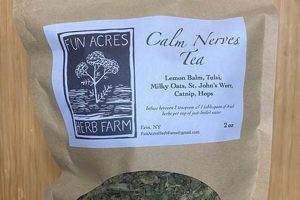
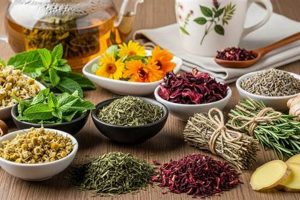
Beverages crafted from various herbs, roots, and spices have been traditionally utilized for their potential to alleviate discomfort. These infusions, often consumed warm, represent a natural approach to managing different types of pain, ranging from headaches to muscle soreness. For example, a brew made from chamomile flowers is frequently used to ease tension headaches, while ginger root tea can provide relief from inflammatory pain.
The value of these herbal drinks lies in their inherent properties, often attributed to specific compounds found within the plants. Beyond simple hydration, these beverages can contribute to overall well-being. Historically, many cultures have incorporated such infusions into their medicinal practices, recognizing their potential in addressing a variety of ailments and promoting relaxation. The therapeutic effects are a result of the natural chemical properties of the herbs used, resulting in pain relief.
The subsequent sections will delve into specific types of these beverages, outlining their active ingredients, mechanisms of action, and potential benefits for different pain conditions. Furthermore, considerations regarding preparation, dosage, and potential interactions with other medications will be addressed to ensure responsible consumption.
Guidance on Pain Alleviating Herbal Infusions
The following guidance offers insight into the responsible and effective utilization of herbal beverages for pain management. These tips are designed to provide informational value and should not be considered medical advice. Consultation with a healthcare professional is advised before incorporating new herbal remedies into a pain management strategy.
Tip 1: Herb Selection Based on Pain Type. Different herbs possess varying properties. Chamomile is often associated with relaxation and may be suitable for tension headaches. Ginger is known for its anti-inflammatory effects, potentially beneficial for muscle soreness or arthritis. Identify the source and type of pain to guide herb selection.
Tip 2: Adherence to Dosage Guidelines. Excessive consumption of herbal infusions may lead to adverse effects. Follow recommended dosage guidelines provided by reputable sources, such as herbalists or product manufacturers. Start with lower doses and gradually increase as needed, observing the body’s response.
Tip 3: Consider Potential Drug Interactions. Certain herbs can interact with prescription medications. Individuals taking blood thinners, antidepressants, or other pharmaceuticals should consult with a healthcare professional to assess potential risks and ensure compatibility.
Tip 4: Prioritize High-Quality Herbs. The potency and effectiveness of herbal infusions depend on the quality of the ingredients. Opt for certified organic or sustainably sourced herbs from reputable suppliers to minimize exposure to pesticides and contaminants.
Tip 5: Appropriate Brewing Techniques. The method of brewing can influence the extraction of active compounds. Follow recommended steeping times and water temperatures for each herb. Over-steeping may result in a bitter taste, while under-steeping may reduce potency.
Tip 6: Incorporate as Part of a Holistic Approach. Herbal beverages are often more effective when combined with other pain management strategies, such as physical therapy, exercise, and stress reduction techniques. Consider these infusions as a complementary element within a comprehensive plan.
Tip 7: Monitor for Allergic Reactions. Allergic reactions to herbs are possible. Be vigilant for signs of an allergic reaction, such as skin rashes, itching, swelling, or difficulty breathing. Discontinue use immediately if any adverse reactions occur.
By adhering to these recommendations, individuals can maximize the potential benefits and minimize the risks associated with herbal beverages for pain alleviation. Prudent utilization requires careful consideration of individual circumstances and a proactive approach to safety.
The subsequent section provides a summary of frequently asked questions regarding the application of herbal infusions for pain relief.
1. Herb Selection

The selection of specific herbs directly influences the potential of herbal teas to provide pain relief. The therapeutic efficacy of these beverages is contingent upon the inherent properties of the chosen plant material. A mismatch between the type of pain experienced and the properties of the herb may lead to suboptimal or nonexistent results.
- Targeted Bioactive Compounds
Each herb contains a unique profile of bioactive compounds, such as flavonoids, terpenes, and alkaloids. These compounds interact with various physiological systems, potentially modulating pain pathways. For example, chamomile contains apigenin, which binds to benzodiazepine receptors in the brain, promoting relaxation and potentially reducing tension-related pain. Conversely, ginger contains gingerol, a potent anti-inflammatory compound, which may alleviate pain associated with inflammation.
- Mechanism of Action
The mechanisms by which herbs alleviate pain are varied and complex. Some herbs, like peppermint, may exert their effects through topical application, stimulating cold receptors and producing a temporary numbing sensation. Other herbs, such as turmeric, may act systemically, inhibiting inflammatory cascades and reducing the production of pain-inducing chemicals. A thorough understanding of these mechanisms is crucial for selecting herbs that target the specific underlying causes of pain.
- Specificity for Pain Types
Different types of pain require different approaches. Nociceptive pain, resulting from tissue damage, may respond well to anti-inflammatory herbs like willow bark, which contains salicin, a precursor to aspirin. Neuropathic pain, arising from nerve damage, may be better managed with herbs that possess nerve-calming properties, such as St. John’s Wort, although its use requires careful consideration due to potential drug interactions.
- Individual Variability
Individual responses to herbal teas can vary significantly due to factors such as genetics, metabolism, and overall health. What works effectively for one person may not provide the same relief for another. It is essential to consider individual circumstances and to monitor the body’s response when experimenting with different herbs for pain management.
The effectiveness of herbal teas as a pain management tool hinges on a judicious selection of herbs tailored to the individual’s specific pain type and physiological profile. Empirical evidence and traditional knowledge provide valuable guidance, but a critical and informed approach is necessary to ensure optimal outcomes.
2. Dosage Control

Dosage control is a critical aspect of utilizing herbal teas for pain relief. The effectiveness and safety of these remedies are directly influenced by the quantity consumed. Exceeding recommended dosages can lead to adverse effects, while insufficient quantities may fail to produce the desired therapeutic outcome.
- Concentration of Active Compounds
Herbal teas derive their therapeutic effects from the concentration of active compounds extracted from the plant material. Higher concentrations do not necessarily equate to greater pain relief. Overconsumption can saturate the body’s ability to process these compounds, leading to potential toxicity. Conversely, inadequate amounts may not reach the therapeutic threshold required to alleviate pain effectively. Factors such as brewing time, water temperature, and the quality of the herbs influence the final concentration of active constituents.
- Individual Physiological Factors
Individual physiological characteristics play a significant role in determining the appropriate dosage. Body weight, age, metabolism, and pre-existing health conditions can alter how the body processes and responds to herbal compounds. Individuals with impaired liver or kidney function may experience reduced clearance rates, increasing the risk of adverse effects even at moderate dosages. Children and the elderly typically require lower doses due to their increased sensitivity.
- Potential for Drug Interactions
Herbal compounds can interact with pharmaceutical medications, either enhancing or inhibiting their effects. For example, certain herbs may potentiate the effects of blood-thinning medications, increasing the risk of bleeding. Others may interfere with the metabolism of drugs, altering their concentration in the bloodstream. Precise dosage control is essential to minimize the risk of such interactions, particularly in individuals taking multiple medications. Consultation with a healthcare professional is advisable to assess potential drug-herb interactions.
- Variability in Herbal Potency
The potency of herbal teas can vary significantly depending on factors such as growing conditions, harvesting practices, and storage methods. Herbs grown in nutrient-rich soil or harvested at peak maturity may contain higher concentrations of active compounds compared to those of lower quality. Improper storage can lead to degradation of these compounds, reducing the overall potency of the tea. Therefore, consistent dosage control is crucial to account for potential variations in herbal potency.
The integration of herbal teas into a pain management regimen necessitates a judicious approach to dosage control. An understanding of the factors influencing herbal potency, individual physiological responses, and potential drug interactions is essential to ensure both safety and efficacy. Empiricism and caution are essential when administering herbal teas to mitigate the risk of unintended consequences.
3. Preparation Method

The preparation method significantly influences the therapeutic potential of pain-relieving herbal teas. The extraction of bioactive compounds, critical for analgesic effects, is directly affected by factors such as water temperature, steeping time, and the physical state of the herbs. Inappropriate preparation can result in reduced efficacy or the release of undesirable compounds.
- Water Temperature and Compound Solubility
Water temperature plays a crucial role in the solubility of active constituents. Certain compounds are more effectively extracted at specific temperatures. For instance, volatile oils, common in herbs like peppermint and chamomile, are readily released at lower temperatures (around 80C), while higher temperatures (near boiling) may be required to extract bitter compounds or polysaccharides from roots like ginger and turmeric. Utilizing incorrect temperatures can result in incomplete extraction and diminished pain-relieving effects.
- Steeping Time and Compound Release
Steeping time dictates the duration of contact between the herbs and the water, directly impacting the amount of active compounds released. Insufficient steeping may not allow for complete extraction, while excessive steeping can lead to the release of tannins, resulting in a bitter taste and potential gastrointestinal discomfort. The optimal steeping time varies depending on the herb; delicate flowers generally require shorter times (3-5 minutes), while tougher roots and barks benefit from longer infusions (10-15 minutes).
- Herb Particle Size and Surface Area
The particle size of the herbs affects the surface area available for extraction. Finely ground herbs offer a larger surface area, facilitating faster and more complete release of active compounds. However, finely ground herbs can also lead to a cloudier tea and may require filtration to remove sediment. Coarsely chopped or whole herbs provide a slower, more controlled release of compounds, potentially resulting in a smoother, less bitter tea. The choice of particle size should align with the desired extraction rate and aesthetic preferences.
- Vessel Material and Chemical Interactions
The material of the brewing vessel can, though typically to a minor degree, influence the chemical interactions during tea preparation. Certain metals, such as aluminum, can react with acidic compounds in some herbs, potentially altering the tea’s flavor and chemical composition. Glass, ceramic, or stainless steel vessels are generally preferred for their inertness, minimizing the risk of unwanted chemical reactions and ensuring the integrity of the herbal tea.
In summary, the preparation method is not merely a procedural step but a critical determinant of the therapeutic outcome of pain-relieving herbal teas. Precise control over water temperature, steeping time, herb particle size, and vessel material is essential to optimize the extraction of beneficial compounds and minimize the risk of adverse effects, thereby maximizing the potential for effective pain management.
4. Interaction Risks

The concurrent consumption of herbal teas intended for pain relief with pharmaceutical medications presents potential interaction risks. These risks arise from the inherent chemical constituents within the herbs, which can influence the absorption, metabolism, and excretion of drugs. A lack of awareness regarding these interactions can lead to diminished therapeutic efficacy of prescribed medications or, conversely, potentiate their effects, leading to adverse reactions. For example, St. John’s Wort, sometimes used in herbal teas for its purported mood-enhancing and pain-relieving properties, is a known inducer of cytochrome P450 enzymes. This induction can accelerate the metabolism of numerous drugs, including certain anticoagulants, oral contraceptives, and antidepressants, potentially reducing their effectiveness and increasing the risk of treatment failure. Conversely, chamomile, often consumed for its calming effects, may potentiate the sedative effects of benzodiazepines or other central nervous system depressants, increasing the risk of excessive drowsiness and impaired cognitive function.
Furthermore, individuals taking anticoagulant or antiplatelet medications, such as warfarin or aspirin, should exercise caution when consuming herbal teas containing ingredients with anticoagulant properties, such as ginger, garlic, or turmeric. These herbs can enhance the anti-clotting effects of these medications, increasing the risk of bleeding complications. The variability in the concentration of active constituents within herbal products also contributes to the complexity of interaction risks. Unlike pharmaceutical medications, herbal preparations are not subject to stringent standardization requirements, leading to inconsistencies in potency. This variability can make it difficult to predict the magnitude of potential interactions and to adjust dosages accordingly. Therefore, individuals considering the use of herbal teas for pain relief, particularly those taking prescription medications, should consult with a healthcare professional to assess potential risks and to ensure that the combination is safe and appropriate.
In conclusion, the potential for interactions between herbal teas and pharmaceutical medications represents a significant consideration in the context of pain management. An understanding of the pharmacological properties of common herbal ingredients and their potential effects on drug metabolism is crucial for minimizing these risks. Open communication with healthcare providers, coupled with informed decision-making, is essential to ensure the safe and effective integration of herbal teas into a comprehensive pain management strategy. The lack of standardization in herbal products and the variability in individual responses underscore the importance of a cautious and individualized approach.
5. Quality Assurance

Quality assurance is a critical element in ensuring the safety, efficacy, and consistency of pain-relieving herbal teas. The inherent variability in plant materials and processing methods necessitates rigorous quality control measures to safeguard consumer health and maintain product integrity. Without robust quality assurance protocols, the potential benefits of these teas may be compromised, and consumers may be exposed to unnecessary risks.
- Source Verification and Authentication
The origin and species of the herbs used in the teas must be rigorously verified and authenticated. Adulteration with inferior or potentially harmful plant materials can undermine the therapeutic value and pose safety concerns. For example, substituting chamomile with look-alike species lacking the same calming properties would not only render the tea ineffective but could also introduce allergens or toxins. DNA barcoding and microscopic analysis are techniques used to authenticate plant species.
- Purity and Contamination Control
Herbal teas must be free from contaminants such as heavy metals, pesticides, and microbial pathogens. Contamination can occur during cultivation, harvesting, or processing. Stringent testing protocols, including inductively coupled plasma mass spectrometry (ICP-MS) for heavy metals and gas chromatography-mass spectrometry (GC-MS) for pesticides, are essential to ensure that these teas meet established safety standards. Microbial testing, including assays for bacteria, yeast, and mold, is crucial to prevent the transmission of foodborne illnesses.
- Standardization of Bioactive Compounds
To ensure consistent efficacy, manufacturers should strive to standardize the levels of key bioactive compounds in their herbal teas. This involves quantifying the concentrations of compounds known to contribute to pain relief, such as gingerol in ginger tea or apigenin in chamomile tea. High-performance liquid chromatography (HPLC) is a common technique used to quantify these compounds. Standardized extracts allow for more predictable and reliable therapeutic effects.
- Good Manufacturing Practices (GMP) Compliance
Adherence to GMP guidelines is essential for ensuring the quality and safety of herbal teas. GMP encompasses all aspects of production, from sourcing raw materials to packaging and labeling. These guidelines mandate proper documentation, sanitation, equipment maintenance, and personnel training. Compliance with GMP helps to minimize the risk of errors, contamination, and variability in product quality.
The implementation of comprehensive quality assurance protocols is paramount for ensuring that pain-relieving herbal teas consistently deliver their intended benefits and pose minimal risks to consumers. Source verification, contamination control, standardization of bioactive compounds, and GMP compliance collectively contribute to the production of safe, effective, and reliable herbal remedies.
Frequently Asked Questions
This section addresses common inquiries concerning the use of herbal teas for pain alleviation. Information provided is for educational purposes and should not substitute for professional medical advice.
Question 1: Are pain relieving herbal teas a suitable replacement for conventional pain medication?
Herbal teas may provide supplementary support for pain management, but should not be regarded as a primary replacement for prescribed medications without consulting a healthcare professional. The efficacy of herbal teas can vary, and they may not provide sufficient relief for acute or severe pain conditions.
Question 2: What potential side effects are associated with consuming pain relieving herbal teas?
Side effects vary depending on the specific herbs used. Some individuals may experience allergic reactions, gastrointestinal discomfort, or interactions with existing medications. It is crucial to research potential side effects and contraindications before consuming any herbal tea.
Question 3: How quickly can pain relief be expected after consuming these herbal teas?
The onset of pain relief can vary significantly based on individual physiology, the type and severity of pain, and the specific herbs used. Some individuals may experience noticeable relief within 30 minutes, while others may require consistent consumption over several days to experience substantial benefits. The effects of pain relief are gradual effects.
Question 4: Can pain relieving herbal teas be safely consumed during pregnancy or breastfeeding?
Certain herbs are contraindicated during pregnancy or breastfeeding due to potential risks to the fetus or infant. Consulting with a healthcare provider or qualified herbalist is essential to determine the safety of specific herbal teas in these circumstances. Safety of both parties should be prioritized.
Question 5: How should pain relieving herbal teas be stored to maintain their potency?
Herbal teas should be stored in airtight containers, away from direct sunlight, heat, and moisture. Proper storage helps to preserve the volatile oils and other active compounds responsible for their therapeutic effects. Maintaining correct dosage is the result.
Question 6: Are there any specific types of pain for which herbal teas are not recommended?
Herbal teas may not be suitable for all types of pain. For instance, severe, acute pain or pain associated with serious medical conditions may require more intensive medical intervention. Consulting with a healthcare provider is essential to determine the most appropriate course of treatment.
In summary, while pain relieving herbal teas can offer a complementary approach to pain management, careful consideration of potential risks, interactions, and individual circumstances is essential. Always prioritize professional medical advice for any health concerns.
The subsequent section will delve into the future trends and research directions in the field of herbal pain management.
Conclusion
The preceding exploration has illuminated various facets of pain relieving herbal teas, underscoring their potential as adjuncts in pain management strategies. The efficacy of these beverages is contingent upon judicious herb selection, precise dosage control, appropriate preparation methods, a thorough understanding of interaction risks, and a commitment to rigorous quality assurance. While not a substitute for conventional medical interventions in cases of severe or acute pain, these herbal infusions offer a natural avenue for those seeking complementary relief.
Continued research into the mechanisms of action and the optimization of preparation and standardization methods is warranted to further refine the application of these teas. As understanding deepens, the responsible and informed integration of pain relieving herbal teas into comprehensive pain management plans can offer a valuable option for individuals seeking to alleviate discomfort and improve their overall quality of life. Individuals are encouraged to consult with healthcare professionals to determine the suitability of these teas within their personal health context.