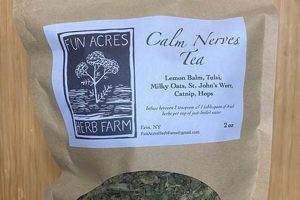
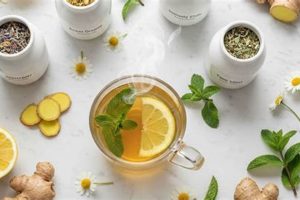
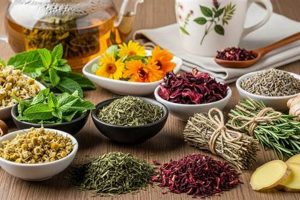
A cultivated space dedicated to growing a variety of plants specifically for the purpose of making infusions. These plants encompass herbs, flowers, and other botanicals valued for their medicinal or culinary properties. For instance, a thoughtfully designed plot might include chamomile, mint, lemon balm, and lavender, each contributing unique flavors and potential health benefits to the resulting beverage.
The practice of cultivating such areas provides several advantages. It allows direct control over the quality and freshness of ingredients, ensuring optimal flavor and potency. Historically, these gardens have served as sources of natural remedies and flavorful beverages, playing a significant role in traditional medicine and household economies. The creation of such a space promotes sustainable practices, reduces reliance on commercially produced tea, and fosters a deeper connection with nature.
Therefore, understanding the principles of plant selection, garden design, and harvesting techniques is essential to maximizing the potential of cultivating these plants. The following sections will delve into specific considerations for establishing and maintaining an effective space for creating customized herbal infusions, focusing on soil requirements, pest control, and optimal harvesting times.
Essential Considerations for a Productive Botanical Beverage Plot
Maximizing the yield and quality from a plot designed for the production of botanical beverages requires careful planning and consistent maintenance. The following are key recommendations for establishing and managing a successful area dedicated to such plants.
Tip 1: Soil Analysis is Crucial: Conduct a thorough soil test to determine pH levels and nutrient deficiencies prior to planting. Amend the soil with appropriate organic matter to create a well-draining and nutrient-rich environment conducive to the selected plant varieties.
Tip 2: Strategic Plant Selection Based on Climate: Choose plants that are well-suited to the local climate and growing conditions. Consider factors such as sunlight exposure, temperature fluctuations, and rainfall patterns to ensure optimal growth and prevent plant stress.
Tip 3: Implement Effective Pest and Disease Management Strategies: Employ preventative measures, such as crop rotation and companion planting, to minimize the risk of pests and diseases. Utilize organic pest control methods whenever possible to avoid harming beneficial insects and pollinators.
Tip 4: Regular Pruning Promotes Vigorous Growth: Prune plants regularly to encourage branching and increase foliage production. Remove dead or diseased growth promptly to prevent the spread of pathogens.
Tip 5: Water Management is Key: Implement a consistent watering schedule that meets the specific needs of each plant variety. Avoid overwatering, which can lead to root rot, and underwatering, which can stunt growth.
Tip 6: Proper Harvesting Techniques Ensure Quality: Harvest leaves and flowers at the optimal time for peak flavor and potency. Dry harvested material properly in a well-ventilated area to prevent mold growth and preserve essential oils.
Tip 7: Consider Sunlight Needs: Group plants based on their sunlight requirements (full sun, partial shade, full shade) to maximize growth potential. This ensures each plant receives adequate light for photosynthesis without being scorched or deprived.
By adhering to these principles, a dedicated space can flourish, yielding a bountiful harvest of flavorful and healthful botanicals for crafting exceptional beverages.
With a solid foundation in these techniques, the article can now address more advanced topics, such as specific plant profiles and recipe development.
1. Botanical Variety Selection

Botanical variety selection is a foundational element in the establishment of a successful area for cultivating plants intended for infusions. The choices made at this stage directly influence the potential flavors, aromas, and purported health benefits that the finished product will offer. The selection process should consider the intended use of the final beverage, regional climate, soil conditions, and available space. For instance, cultivating plants such as peppermint and spearmint offers a refreshing, menthol-rich infusion, while chamomile provides a calming, floral profile. Improper selection can lead to reduced yields, poor plant health, and a limited range of infusion possibilities.
The influence of botanical variety selection extends beyond simple taste preferences. It dictates the management practices required, including watering schedules, fertilization needs, and pest control strategies. Some plants, like lavender, require well-drained soil and full sun, whereas others, such as lemon balm, thrive in partial shade and moist conditions. A mismatched plant combination can result in resource competition and overall garden decline. Knowledge of the botanical characteristics, growth habits, and environmental requirements is thus paramount to creating a balanced and productive space. For example, growing rosemary alongside cabbage can naturally deter cabbage moths, exemplifying beneficial plant combinations.
In conclusion, careful botanical variety selection forms the bedrock of a thriving area for herbal infusions. It is not merely a matter of personal preference but a crucial step in ensuring plant health, optimizing yields, and achieving the desired flavor profiles and health benefits. A well-informed selection process leads to a balanced and sustainable space, while neglecting these considerations can result in suboptimal results. The importance of botanical variety selection cannot be overstated when planning and developing an effective and enjoyable place for cultivating the base ingredients for flavorful and healthy beverages.
2. Soil Composition Management

Soil composition management is a critical determinant of success in cultivating botanicals for infusions. The health, vigor, and ultimate yield of these plants are intrinsically linked to the physical, chemical, and biological properties of the soil in which they grow. Strategic management of these properties is essential for creating a sustainable and productive growing environment.
- Nutrient Availability and Plant Health
The availability of essential nutrients, such as nitrogen, phosphorus, and potassium, directly impacts plant growth and the production of secondary metabolites responsible for flavor and medicinal properties. Deficiencies can lead to stunted growth, reduced yields, and diminished quality. For example, a lack of nitrogen can result in pale foliage and reduced leaf production in mint varieties. Conversely, excessive nutrient levels can lead to imbalances and increased susceptibility to disease.
- pH Level and Nutrient Uptake
Soil pH, a measure of acidity or alkalinity, significantly influences nutrient availability and uptake by plants. Many plants thrive within a specific pH range, typically between 6.0 and 7.0. Extreme pH levels can lock out essential nutrients, even if they are present in the soil. For instance, iron chlorosis, characterized by yellowing leaves, can occur in alkaline soils due to iron unavailability. Amending the soil with lime or sulfur can adjust pH levels to optimize nutrient uptake.
- Soil Structure and Drainage
The physical structure of the soil, including its texture and porosity, affects water infiltration, aeration, and root development. Well-draining soil prevents waterlogging and root rot, while adequate pore space allows for oxygen exchange essential for root respiration. Compacted soils restrict root growth and increase the risk of anaerobic conditions. Amending the soil with organic matter, such as compost or aged manure, can improve soil structure and drainage.
- Organic Matter Content and Biological Activity
Organic matter is a vital component of healthy soil, providing nutrients, improving soil structure, and supporting beneficial microbial activity. Organic matter serves as a food source for soil organisms, including bacteria, fungi, and earthworms, which contribute to nutrient cycling and disease suppression. Incorporating compost, cover crops, or green manure can increase soil organic matter content and enhance overall soil health.
In summation, effective management of soil composition is fundamental to the cultivation of high-quality botanicals for creating herbal infusions. Careful consideration of nutrient availability, pH levels, soil structure, and organic matter content enables the creation of a flourishing botanical beverage plot. Neglecting these factors can compromise plant health, reduce yields, and ultimately detract from the desired qualities of the final product.
3. Watering System Design

Effective irrigation is crucial for optimizing the yield and quality of plants cultivated within a dedicated area for herbal infusions. The design of a watering system directly influences plant health, nutrient uptake, and the overall sustainability of such botanical spaces.
- Drip Irrigation Efficiency
Drip irrigation delivers water directly to the root zone, minimizing water loss through evaporation and runoff. This method promotes efficient water use, particularly beneficial in arid climates or areas with limited water resources. The precise application reduces weed growth and the risk of foliar diseases, crucial for maintaining the health of plants intended for consumption.
- Sprinkler System Suitability
Sprinkler systems, while offering broader coverage, can be less efficient due to evaporative losses. These systems are suitable for larger spaces with uniform plant distribution. However, they may increase the risk of fungal diseases on susceptible plants. Careful consideration of nozzle types and irrigation timing is essential to minimize water waste and disease incidence.
- Water Quality Considerations
The quality of irrigation water directly impacts plant health and soil composition. High salinity or alkalinity can lead to nutrient imbalances and soil degradation. Regular water testing is recommended to identify potential issues and implement appropriate remediation strategies, such as filtration or pH adjustment. Utilizing rainwater harvesting systems can provide a sustainable source of high-quality irrigation water.
- Automated Control Systems
Automated irrigation controllers enable precise water management based on plant needs and environmental conditions. These systems utilize sensors to monitor soil moisture, temperature, and rainfall, adjusting irrigation schedules accordingly. Automation reduces water waste, optimizes plant growth, and minimizes the need for manual intervention.
The design of a watering system for a botanical area dedicated to herbal infusions directly impacts plant health, water conservation, and overall productivity. A well-designed system optimizes water delivery, minimizes waste, and promotes the growth of healthy, flavorful botanicals suitable for crafting exceptional beverages.
4. Pest Mitigation Strategies
The successful cultivation of a space dedicated to plants intended for infusions relies heavily on effective pest mitigation. These strategies aim to minimize damage caused by insects, diseases, and other organisms that can compromise plant health and reduce yields. Without such strategies, plants may suffer from stunted growth, reduced leaf production, or even death, directly impacting the quantity and quality of harvested materials. For instance, aphid infestations can weaken mint plants, leading to reduced oil production and a less flavorful final product. Similarly, fungal diseases like powdery mildew can render chamomile flowers unusable.
Implementation of pest mitigation techniques requires a holistic approach, integrating preventive measures with targeted interventions. Preventive measures may include selecting disease-resistant plant varieties, maintaining healthy soil conditions, and promoting beneficial insect populations. Companion planting, where specific plants are strategically placed near each other, can naturally deter pests. For example, planting marigolds near basil can repel nematodes. When interventions are necessary, organic and biological control methods are preferred to minimize environmental impact and ensure the safety of the final product. Introduction of ladybugs to control aphids or the use of Bacillus thuringiensis (Bt) for caterpillar control are examples of these methods.
The consistent application of appropriate pest mitigation strategies is therefore essential for ensuring the long-term sustainability and productivity of a plant space dedicated to infusions. By prioritizing preventive measures and employing targeted interventions when necessary, cultivators can minimize pest damage, maintain plant health, and ultimately maximize the quality and yield of their harvests. Neglecting pest management can lead to significant losses and compromise the potential of an otherwise well-designed cultivation space.
5. Harvesting Timing Precision

Harvesting timing precision is a crucial element in maximizing the quality and potency of botanicals grown in areas dedicated to herbal infusions. The specific time of harvest directly impacts the concentration of essential oils, volatile compounds, and other active constituents within the plant material. For example, chamomile flowers harvested early in the morning, after the dew has evaporated, tend to exhibit higher levels of chamazulene, a compound known for its anti-inflammatory properties. Conversely, harvesting at midday, under intense sunlight, can degrade these delicate compounds, resulting in an inferior product. The impact of timing extends to various plant parts, including leaves, flowers, roots, and seeds, each possessing an optimal harvest window for peak efficacy.
Accurate harvesting timing is further influenced by environmental factors and plant development stages. Monitoring weather conditions, such as temperature and rainfall, is essential, as these can affect the production and storage of plant constituents. Similarly, observing the plant’s life cycle, including bud formation, flowering, and seed maturation, provides valuable cues for determining the ideal harvest time. For instance, mint leaves harvested just before flowering often contain the highest concentrations of menthol. An understanding of these factors enables cultivators to strategically time their harvests to align with periods of peak potency. Ignoring these nuances can lead to suboptimal results, reducing the therapeutic value and flavor profile of the resulting infusions.
In summary, harvesting timing precision is not merely a procedural step, but a critical factor in determining the overall success of a space dedicated to growing plants for herbal infusions. A meticulous approach to timing, informed by knowledge of plant physiology and environmental influences, enables cultivators to maximize the desired qualities of their harvests. While challenges exist in predicting optimal harvest windows, the benefits of precise timing far outweigh the complexities involved, leading to superior quality herbal teas and related products.
Frequently Asked Questions About Herbal Tea Gardens
The following section addresses common inquiries regarding the establishment, maintenance, and utilization of areas dedicated to plants used in herbal infusions.
Question 1: What is the ideal size for a plot dedicated to botanical beverages?
The optimal size varies depending on individual needs and available space. A small plot of 4×4 feet can provide a sufficient yield for personal consumption, while larger areas of 10×10 feet or more are suitable for supplying larger families or small-scale commercial operations. Consider the growth habits of the selected plants and their space requirements when determining the appropriate size.
Question 2: Which plants are most suitable for inclusion in a space dedicated to botanical beverages?
Suitable plant selections depend on climate, soil conditions, and personal preferences. Popular choices include mint, chamomile, lemon balm, lavender, rosemary, and echinacea. Research the specific growing requirements of each plant variety to ensure compatibility within the intended space. Regional variations in hardiness zones should also be considered to ensure plant survival.
Question 3: What are the key considerations for soil preparation within botanical plots?
Essential considerations include soil pH, drainage, and nutrient content. Conduct a soil test to determine existing conditions and amend accordingly with organic matter, such as compost or aged manure. Ensure the soil is well-draining to prevent root rot, a common issue with many plants. Maintaining a balanced pH level, typically between 6.0 and 7.0, optimizes nutrient availability.
Question 4: How can pests and diseases be effectively managed within these spaces?
Effective pest and disease management involves a combination of preventative measures and targeted interventions. Promote beneficial insect populations, select disease-resistant plant varieties, and practice crop rotation. When necessary, utilize organic pest control methods, such as insecticidal soap or neem oil. Regularly inspect plants for signs of pests or diseases and address issues promptly.
Question 5: What is the best method for drying harvested botanicals?
Proper drying is crucial for preserving the flavor and potency of harvested botanicals. Spread the plant material in a thin layer on a screen or tray in a cool, dark, and well-ventilated area. Avoid direct sunlight, which can degrade essential oils. Drying time varies depending on the plant type and environmental conditions, but typically takes several days to several weeks. Properly dried herbs should be brittle and easily crumbled.
Question 6: How should botanicals be stored to maintain their quality?
Store dried botanicals in airtight containers in a cool, dark, and dry location. Exposure to light, heat, and moisture can degrade the plant material and reduce its flavor and potency. Glass jars or metal tins are suitable storage options. Label containers with the date of harvest to track freshness. Properly stored botanicals can retain their quality for up to one year.
These FAQs provide a foundational understanding for navigating the key aspects of establishing and managing a thriving space for creating herbal infusions. Addressing these common inquiries helps promote success and sustainability in plant cultivation.
The subsequent section will delve into specific plant profiles, offering detailed information on individual plant characteristics and cultivation techniques.
Conclusion
The preceding exploration has detailed the essential considerations for establishing and maintaining a thriving space dedicated to plants used in herbal infusions, encompassing botanical selection, soil management, watering systems, pest mitigation, and harvesting techniques. Successful cultivation hinges on a comprehensive understanding of these interconnected elements and their impact on plant health and product quality.
The diligent application of these principles facilitates the creation of a sustainable and productive resource. The information presented serves as a foundation for informed decision-making, empowering individuals to cultivate their own sources of high-quality herbal ingredients. Further research and experimentation will undoubtedly yield additional insights and refinements, contributing to the continued advancement of the practice.