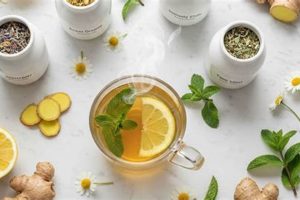
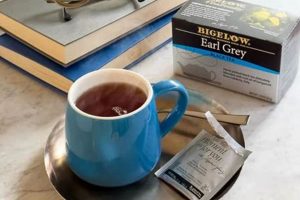
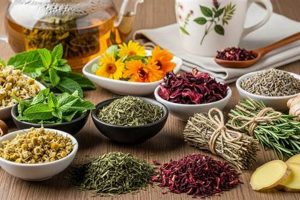
The selection of appropriate botanical infusions during gestation requires careful consideration. Certain plant-derived beverages may offer potential benefits, while others pose risks to both maternal and fetal health. Thorough research and consultation with healthcare professionals are essential to ensure the safety and suitability of any herbal tea consumed during this period. A common example includes ginger tea, often used to alleviate nausea associated with early pregnancy.
The judicious use of specific botanical beverages throughout gestation can contribute to overall well-being and potentially address common discomforts. Historically, various cultures have employed herbal remedies for pregnancy-related symptoms. The documented efficacy of some herbs supports their use, while a lack of substantial evidence necessitates caution. A critical aspect is understanding the potential interactions of herbal components with existing medications or pre-existing conditions, highlighting the importance of informed decision-making.
The subsequent sections will delve into specific types of botanical infusions generally considered safe for consumption during gestation, detailing their purported benefits and any potential risks. This exploration will include a review of scientific literature and traditional uses, providing a comprehensive overview to inform responsible consumption. This information will further assist individuals to make educated decisions when selecting beverages to support a healthy and comfortable pregnancy.
Guidance on Selecting Botanical Infusions During Gestation
The following recommendations are intended to provide informational guidance on the consumption of herbal teas during pregnancy. Consultation with a qualified healthcare provider is imperative before incorporating any new herbal tea into one’s diet during this period.
Tip 1: Prioritize Ingredient Transparency: Scrutinize the product label for a comprehensive list of ingredients. Opt for teas with clearly identified components to minimize the risk of consuming potentially harmful substances.
Tip 2: Exercise Caution with Unfamiliar Herbs: Limit consumption to well-established and researched herbal teas with a documented history of safe use during pregnancy. Avoid teas containing herbs with ambiguous safety profiles.
Tip 3: Adhere to Recommended Dosage Guidelines: Consume herbal teas in moderation and strictly adhere to the manufacturer’s recommended serving size. Excessive consumption may increase the risk of adverse effects.
Tip 4: Be Aware of Potential Interactions: Inform healthcare providers of all herbal teas being consumed, as interactions with medications or pre-existing conditions may occur. This is especially critical for individuals with underlying health issues.
Tip 5: Choose Single-Ingredient Teas When Possible: Select teas containing only one or a few recognized herbs, as complex blends can be difficult to assess for safety and potential interactions.
Tip 6: Ensure Product Quality and Sourcing: Purchase herbal teas from reputable brands that adhere to stringent quality control measures and provide information regarding the sourcing of their ingredients. Contamination with pesticides or heavy metals represents a potential risk.
Tip 7: Monitor for Allergic Reactions: Discontinue use immediately and seek medical attention if any signs of an allergic reaction, such as skin rash, itching, or difficulty breathing, occur after consuming an herbal tea.
These recommendations emphasize the importance of informed decision-making and caution when selecting botanical beverages for consumption during gestation, ultimately supporting maternal and fetal well-being.
The following sections will explore specific botanical infusions and their relative safety profiles during pregnancy.
1. Safety

The paramount consideration when evaluating botanical beverages during gestation is the safety profile of the constituent herbs. Maternal and fetal well-being necessitates a cautious approach, requiring thorough investigation into potential risks associated with specific plant-derived compounds.
- Teratogenic Potential
Certain herbal constituents possess teratogenic properties, capable of causing developmental abnormalities in the fetus. Thorough research into the potential teratogenic effects of each herb is essential. For example, some herbs traditionally used to induce menstruation are strictly contraindicated due to their potential to disrupt embryonic development.
- Uterine Contractions
Certain botanical compounds can stimulate uterine contractions, potentially leading to premature labor or miscarriage. Herbs such as blue cohosh should be avoided due to their oxytocic effects. Assessing the potential impact on uterine activity is crucial for ensuring a safe pregnancy.
- Allergenic Reactions
Maternal allergic reactions to herbal constituents pose a risk to both the mother and the fetus. Individuals with known allergies should exercise extreme caution and carefully review ingredient lists. Anaphylaxis, though rare, represents a severe potential consequence. For example, individuals with ragweed allergies may exhibit cross-reactivity to chamomile.
- Contamination Risks
Herbal products are susceptible to contamination with heavy metals, pesticides, or other adulterants. Sourcing herbal teas from reputable suppliers that adhere to stringent quality control measures is essential to minimize these risks. Independent third-party testing can provide additional assurance of product purity.
The multifaceted nature of safety necessitates a comprehensive assessment of teratogenic potential, impact on uterine activity, allergenic risks, and potential for contamination. Prioritizing these factors is crucial in identifying botanical beverages that can be safely consumed during gestation, ultimately promoting a healthy pregnancy outcome.
2. Efficacy

The efficacy of any botanical beverage considered for consumption during gestation directly influences its suitability. A tea, regardless of perceived safety, lacks value if it fails to deliver the intended therapeutic benefit. Establishing efficacy requires a rigorous assessment of scientific evidence, traditional usage, and documented clinical outcomes. A lack of demonstrated efficacy renders the beverage questionable for use during pregnancy, as the potential risks may outweigh unsubstantiated benefits. For instance, while some herbal teas are traditionally used to alleviate morning sickness, only those with documented evidence of reducing nausea and vomiting should be recommended.
Assessing the efficacy of botanicals during pregnancy necessitates discerning anecdotal claims from scientifically validated effects. Rigorous clinical trials, ideally double-blind placebo-controlled studies, provide the strongest evidence of efficacy. When such evidence is limited, traditional usage supported by historical documentation and pharmacological rationales may provide a degree of confidence. A pragmatic approach involves considering the strength of evidence relative to the potential risks. For example, a tea with minimal potential harm but limited evidence of efficacy might be considered for mild symptoms, while a tea with greater potential risks requires robust evidence of efficacy before consideration. Therefore, a full evaluation of its benefits should happen first.
In conclusion, efficacy serves as a critical determinant when evaluating the suitability of herbal beverages during pregnancy. A tea’s demonstrated ability to deliver the intended therapeutic effect, supported by scientific evidence or robust traditional usage, justifies its consideration. Conversely, a lack of substantiated efficacy raises concerns, as the potential risks may outweigh the unsubstantiated benefits. A balanced assessment, integrating scientific rigor with traditional wisdom, guides informed decisions regarding the use of botanical infusions during gestation.
3. Ingredients

The constituent elements of botanical beverages intended for consumption during gestation form the bedrock of both their potential therapeutic benefits and inherent risks. A direct causal relationship exists between the specific ingredients present in an herbal tea and its suitability for use during pregnancy. The presence of certain compounds can elicit physiological effects that are detrimental to the developing fetus or the mother, while others may offer relief from common pregnancy-related discomforts. For example, an infusion containing high concentrations of senna would be contraindicated due to its potent laxative effects, which could lead to dehydration and electrolyte imbalances. Conversely, an infusion primarily composed of ginger root might provide relief from nausea without posing significant risks.
The selection process for appropriate botanical infusions requires meticulous scrutiny of ingredient lists. An understanding of the pharmacological properties of each component is crucial. This extends beyond simply identifying the plant species; it also necessitates awareness of the plant part used (e.g., leaf, root, flower), the concentration of active constituents, and the potential for interactions between different ingredients in a blend. As an illustration, a tea containing both chamomile and lavender may offer enhanced calming effects due to the synergistic activity of their respective volatile oils. However, such a blend should only be considered after confirming the safety profiles of both chamomile and lavender during pregnancy. A common practice includes seeking products with transparent labeling.
In summary, the ingredients represent the most critical determinant of whether an herbal tea qualifies as a safe and beneficial choice during gestation. Their presence or absence dictates the physiological effects of the beverage. Comprehending the potential benefits and risks associated with each ingredient and its concentration is fundamental to safeguarding maternal and fetal health. Thus, informed decision-making, guided by thorough research and consultation with healthcare professionals, is paramount when selecting botanical infusions to support a healthy pregnancy. The origin of ingredients should be taken into consideration as well.
4. Dosage

The quantity of botanical beverage consumed during gestation directly influences both maternal and fetal outcomes. The determination of appropriate dosage represents a critical factor in distinguishing a potentially beneficial herbal tea from one posing significant risks. Adherence to established guidelines, coupled with professional medical advice, is paramount.
- Concentration of Active Constituents
The concentration of active compounds within an herbal tea varies depending on factors such as plant species, growing conditions, and preparation methods. Exceeding recommended dosages can lead to adverse effects, particularly during pregnancy when the fetus is highly susceptible to toxins. For example, a tea containing high concentrations of volatile oils, such as peppermint, could induce uterine contractions if consumed in excessive amounts.
- Individual Physiological Variability
Maternal physiological characteristics, including weight, metabolic rate, and pre-existing health conditions, impact the body’s response to herbal constituents. Dosage recommendations should account for this variability. A standardized dosage might be safe for one individual but prove harmful to another with impaired liver or kidney function, thereby influencing the safe metabolism and excretion of herbal compounds.
- Frequency and Duration of Consumption
The cumulative effect of repeated exposure to herbal constituents must be considered. Daily consumption of even seemingly benign herbal teas can lead to accumulation of potentially harmful compounds in the maternal system and subsequent transfer to the fetus. Prolonged exposure to certain phytoestrogens, for example, could disrupt fetal hormonal development.
- Potential Interactions with Medications
Herbal constituents can interact with pharmaceutical medications, altering their efficacy or increasing the risk of adverse side effects. Accurate dosage control is essential to minimize these interactions. For instance, St. John’s Wort, while not generally recommended during pregnancy, can significantly reduce the effectiveness of certain antidepressants and birth control pills if co-administered.
Understanding the interplay between constituent concentration, individual physiology, consumption patterns, and potential drug interactions underscores the significance of accurate dosage when selecting herbal teas during gestation. The decision regarding what constitutes the “best herbal tea for pregnancy” must, therefore, incorporate a comprehensive assessment of appropriate dosage levels to ensure maternal and fetal safety.
5. Quality

The assessment of botanical beverages during gestation necessitates rigorous evaluation of product quality, given its direct bearing on both maternal and fetal health. Quality transcends mere labeling or branding; it encompasses the entirety of the production process, from sourcing raw materials to final product packaging. Compromised quality introduces potential risks that can negate any perceived benefits associated with herbal tea consumption during pregnancy.
- Sourcing and Cultivation Practices
The origin and cultivation methods of the herbs used in tea directly impact their quality. Organically grown herbs, free from pesticides and herbicides, offer a safer alternative to conventionally farmed ingredients. Ethical sourcing, ensuring fair labor practices and environmental sustainability, further contributes to overall product quality. The location in which herbs are sourced may affect their compounds’ concentrations.
- Manufacturing Processes
Proper harvesting, drying, and processing techniques are crucial for preserving the integrity of herbal constituents. Improper handling can lead to degradation of active compounds or contamination with mold or bacteria. Manufacturing facilities should adhere to Good Manufacturing Practices (GMP) to ensure consistent quality and safety standards. Certificates such as ISO 22000 are important for tea businesses.
- Purity and Contaminant Testing
Herbal teas should undergo rigorous testing for contaminants, including heavy metals, pesticides, and microbial pathogens. Third-party certification, such as that provided by the United States Pharmacopeia (USP) or NSF International, verifies that products meet established purity standards. Transparency in testing procedures and readily available Certificates of Analysis (COAs) demonstrate a commitment to quality.
- Packaging and Storage
Appropriate packaging is essential to protect herbal teas from light, moisture, and oxygen, which can degrade their quality. Storage conditions, both at the manufacturing facility and in the consumer’s home, also influence product integrity. Airtight containers and cool, dark storage environments help preserve the potency and freshness of herbal constituents.
The multifaceted nature of quality underscores its pivotal role in determining the suitability of botanical beverages for consumption during gestation. Selection of herbal teas from reputable brands that prioritize sourcing, manufacturing, testing, and packaging safeguards maternal and fetal well-being. Consequently, the highest quality ingredients are essential for creating the “best herbal tea for pregnancy”.
6. Interactions

The potential for interactions between herbal constituents and physiological processes, pre-existing conditions, or concurrently administered medications represents a critical consideration when evaluating the suitability of botanical beverages during gestation. The complexity of these interactions necessitates a thorough understanding of pharmacological properties and potential consequences.
- Herb-Drug Interactions
Concomitant use of herbal teas and pharmaceutical medications can result in altered drug efficacy or increased risk of adverse effects. Certain herbal constituents may inhibit or induce metabolic enzymes responsible for drug clearance, leading to either subtherapeutic drug levels or exaggerated drug toxicity. For instance, while not generally recommended during pregnancy, St. John’s Wort can reduce the effectiveness of certain antidepressants and oral contraceptives. Prior to consuming any herbal infusion, a review of potential herb-drug interactions with a healthcare provider is essential.
- Herb-Condition Interactions
Pre-existing medical conditions can be exacerbated or influenced by the pharmacological actions of herbal compounds. Individuals with hypertension, for example, should avoid herbal teas containing constituents with sympathomimetic effects, such as caffeine or ephedrine, as these may further elevate blood pressure. Similarly, individuals with bleeding disorders should exercise caution with herbs possessing anticoagulant properties, such as ginger or ginkgo. An assessment of potential herb-condition interactions is crucial for individuals with underlying health issues.
- Herb-Nutrient Interactions
Certain herbal constituents can interfere with the absorption or metabolism of essential nutrients. For instance, tannins present in some herbal teas can bind to iron, impairing its absorption and potentially contributing to iron deficiency anemia, which is already a common concern during pregnancy. Careful consideration of potential herb-nutrient interactions is necessary to maintain adequate nutritional status.
- Synergistic or Antagonistic Effects
The combination of multiple herbs within a single tea blend can result in synergistic or antagonistic effects, complicating the prediction of overall pharmacological activity. Synergistic interactions may enhance the therapeutic benefits of individual herbs, while antagonistic interactions may diminish or negate their effects. A comprehensive understanding of potential interactions among herbal constituents is necessary when considering complex tea blends. Consultation with an herbalist or healthcare provider experienced in botanical medicine is recommended.
The potential for interactions underscores the importance of individualized assessment and professional guidance when selecting botanical beverages during gestation. A thorough evaluation of potential herb-drug, herb-condition, and herb-nutrient interactions, as well as consideration of synergistic or antagonistic effects, is essential for mitigating risks and optimizing maternal and fetal well-being. These considerations are crucial when choosing what is considered the “best herbal tea for pregnancy” for a particular person.
7. Benefits

The perceived advantages of specific botanical infusions during gestation frequently drive their selection. However, a rigorous assessment of benefits must accompany an equally thorough evaluation of potential risks to ensure informed decision-making.
- Nausea Alleviation
Certain herbal teas, notably those containing ginger, may offer relief from nausea and vomiting, common symptoms during early gestation. Ginger’s antiemetic properties, attributed to its gingerol compounds, have been documented in scientific literature. However, moderation is essential, as excessive ginger consumption may possess anticoagulant effects. For example, morning sickness may be diminished by regular but moderate consumption of ginger-infused tea.
- Stress Reduction and Sleep Enhancement
Botanical infusions containing chamomile or lemon balm are traditionally employed to promote relaxation and improve sleep quality. These herbs possess mild sedative properties that may alleviate anxiety and insomnia often experienced during pregnancy. Chamomile’s apigenin content interacts with brain receptors, potentially reducing anxiety. However, individuals with ragweed allergies should exercise caution due to potential cross-reactivity.
- Digestive Support
Peppermint tea, consumed in moderation, can aid digestion and alleviate bloating and gas, common gastrointestinal complaints during gestation. Peppermint’s menthol content relaxes smooth muscles in the digestive tract, facilitating the passage of gas and reducing discomfort. However, individuals with gastroesophageal reflux disease (GERD) should exercise caution, as peppermint may relax the lower esophageal sphincter, potentially exacerbating symptoms.
- Uterine Preparation (Late Pregnancy)
Red raspberry leaf tea is often consumed in the final weeks of pregnancy, purported to strengthen the uterine muscles and prepare the uterus for labor. While anecdotal evidence suggests benefits, scientific evidence remains limited. Red raspberry leaf contains fragarine, a compound that may tone uterine muscles. However, consultation with a healthcare provider is imperative before consuming red raspberry leaf tea, particularly for individuals with a history of preterm labor or uterine complications.
The perceived benefits of herbal teas during pregnancy must be weighed against potential risks, including allergic reactions, herb-drug interactions, and insufficient scientific evidence. While certain botanical infusions may offer relief from common pregnancy-related discomforts, responsible consumption requires informed decision-making, guided by healthcare professional advice. Claims of “best herbal tea for pregnancy” require careful scrutiny to ensure both maternal and fetal well-being.
Frequently Asked Questions
The subsequent section addresses common inquiries regarding the consumption of botanical beverages during pregnancy. The information provided aims to clarify misconceptions and promote informed decision-making, and does not serve as a substitute for professional medical advice.
Question 1: Are all herbal teas safe for consumption during gestation?
No. Certain herbal constituents pose risks to both maternal and fetal health. Thorough research and consultation with healthcare professionals are essential to ascertain the safety of individual herbs.
Question 2: Can botanical beverages replace prenatal vitamins?
No. Herbal teas should not be considered a substitute for prenatal vitamins. Prenatal vitamins provide essential nutrients crucial for fetal development that may not be adequately supplied by herbal infusions.
Question 3: How can one verify the quality and purity of herbal tea products?
Select herbal teas from reputable brands that adhere to stringent quality control measures and provide information regarding sourcing and testing practices. Third-party certification, such as that provided by USP or NSF International, offers additional assurance of product quality.
Question 4: What constitutes a safe dosage of herbal tea during pregnancy?
Dosage recommendations vary depending on the specific herb and individual physiological factors. Adhere strictly to the manufacturer’s recommended serving size and consult with a healthcare provider to determine an appropriate dosage level.
Question 5: What are the potential risks associated with consuming herbal teas containing caffeine?
Excessive caffeine intake during pregnancy has been linked to adverse outcomes, including low birth weight and preterm labor. Limit consumption of caffeinated herbal teas and consult with a healthcare provider regarding safe caffeine intake levels.
Question 6: Is it advisable to consume herbal teas during all trimesters of pregnancy?
The suitability of specific herbal teas may vary depending on the trimester of pregnancy. Certain herbs, while potentially beneficial in later stages of gestation, may pose risks during the first trimester. Consult with a healthcare provider regarding trimester-specific recommendations.
In summary, the selection of botanical infusions during pregnancy requires careful consideration of safety, quality, dosage, and trimester-specific factors. Informed decision-making, guided by professional medical advice, is paramount for ensuring maternal and fetal well-being.
The subsequent section provides a comprehensive list of specific herbal teas and their relative safety profiles during gestation.
Concluding Remarks
The preceding exploration of “best herbal tea for pregnancy” underscores the critical need for informed and cautious decision-making. The selection of appropriate botanical infusions necessitates a comprehensive understanding of safety profiles, efficacy, ingredients, dosage considerations, quality assurance measures, potential interactions, and maternal-fetal benefits. A lack of rigorous assessment in any of these areas compromises the safety and well-being of both mother and child.
Ultimately, the responsibility for selecting safe and beneficial botanical beverages during gestation rests with the individual, guided by sound medical advice. The information presented herein serves as a foundation for informed decision-making; however, it is not a substitute for professional medical counsel. Continued research and open communication between individuals and healthcare providers are essential to ensuring positive pregnancy outcomes. The pursuit of optimal maternal and fetal health demands vigilance and a commitment to evidence-based practices.