The propensity of various beverages to discolor dental enamel is a common concern. Certain compounds found in drinks, notably tannins and acids, are known contributors to staining. These substances can alter the surface properties of teeth, making them more susceptible to pigment adhesion from colored foods and beverages.
Maintaining the aesthetic appearance of teeth is a valued aspect of personal care. Historically, methods for whitening and stain removal have been practiced across cultures. Addressing potential discoloration is important not only for cosmetic reasons but also for maintaining confidence and promoting overall well-being.
The following sections will explore factors influencing dental staining, examine the composition of commonly consumed herbal infusions, and discuss preventative measures to minimize the risk of tooth discoloration associated with beverage consumption.
Mitigating Potential Discoloration from Herbal Infusions
This section outlines practical strategies to minimize the risk of tooth discoloration when consuming herbal infusions.
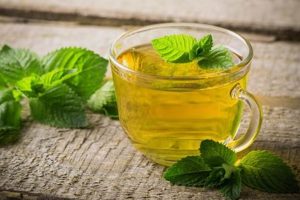
Tip 1: Select Light-Colored Infusions: Opt for herbal teas with lighter hues. Clearer or pale yellow infusions generally contain fewer staining compounds compared to deeply colored varieties.
Tip 2: Moderate Consumption Frequency: Reduce the frequency of herbal tea consumption throughout the day. Limiting exposure minimizes the cumulative effect of staining agents on enamel.
Tip 3: Rinse with Water Post-Consumption: Immediately after drinking an herbal infusion, rinse the mouth thoroughly with water. This helps to dislodge pigments and neutralize acids present in the beverage.
Tip 4: Utilize a Straw: When practical, use a straw to direct the liquid towards the back of the mouth. This minimizes contact between the infusion and the front teeth, reducing the potential for staining.
Tip 5: Maintain Excellent Oral Hygiene: Brush teeth at least twice daily and floss regularly. This removes surface stains and strengthens enamel, making it less susceptible to discoloration.
Tip 6: Consider Professional Dental Cleanings: Schedule regular dental check-ups and professional cleanings. These treatments remove accumulated plaque and surface stains, promoting overall oral health and aesthetics.
Tip 7: Avoid Swishing: Refrain from swishing the infusion around in the mouth before swallowing. Prolonged contact with teeth increases the risk of pigment deposition.
Implementing these strategies can effectively minimize the risk of discoloration, allowing for the enjoyment of herbal infusions without compromising dental aesthetics.
The concluding section will summarize the information presented and offer final recommendations regarding herbal tea consumption and dental health.
1. Tannin Content

Tannins, a group of naturally occurring polyphenols found in many plants, are a significant factor in the potential for dental staining from herbal infusions. These compounds possess the ability to bind to proteins, including those present in dental enamel, leading to the formation of a visible layer on the tooth surface. This layer, when repeatedly exposed to colored substances, can become progressively darker and more difficult to remove through routine oral hygiene practices. Darker herbal infusions such as black tea, though not strictly ‘herbal’, provide a clear illustration: their high tannin content directly contributes to noticeable staining over time if preventative measures are not taken.
The degree to which tannins contribute to dental staining is influenced by several variables. Concentration within the specific infusion is a primary determinant; higher concentrations correlate with increased staining potential. Individual tooth enamel composition also plays a role; teeth with microscopic surface irregularities may be more prone to tannin adherence. Furthermore, the pH of the infusion can affect tannin solubility and binding affinity to enamel. For example, acidic infusions may enhance tannin binding, exacerbating the staining effect.
In summary, the presence and concentration of tannins in herbal infusions are directly linked to the potential for dental discoloration. Understanding this connection is crucial for individuals concerned about maintaining tooth whiteness. Employing strategies such as selecting low-tannin infusions, rinsing with water after consumption, and practicing diligent oral hygiene can effectively mitigate the staining effects of tannins, allowing for the enjoyment of these beverages without compromising dental aesthetics.
2. Acidity Levels

The acidity level of a beverage significantly influences its potential to contribute to dental staining. Herbal infusions, like other acidic drinks, can erode the enamel, the protective outer layer of teeth. This erosion roughens the enamel surface, increasing its porosity and making it more susceptible to the adherence of staining compounds from the infusion itself, as well as from other foods and drinks consumed. The lower the pH of an herbal tea, the greater its erosive potential, thereby increasing the risk of discoloration. For example, infusions containing citric acid, a common flavoring agent, can exhibit heightened acidity, accelerating enamel erosion and stain absorption.
The impact of acidity is not solely determined by the pH of the herbal infusion itself. Saliva, a natural buffer in the oral cavity, plays a crucial role in neutralizing acids and remineralizing enamel. However, frequent consumption of acidic beverages can overwhelm the buffering capacity of saliva, leading to a net loss of minerals from the enamel. This demineralization process weakens the enamel, making it more vulnerable to staining agents. Furthermore, certain medical conditions or medications can reduce saliva production, exacerbating the effects of acidic beverages on dental enamel. Teas containing fruit components or artificial flavorings tend to have higher acidity levels, thus, it is crucial to take oral care after consuming these beverages.
In summary, the acidity of herbal infusions plays a pivotal role in the staining process by compromising the integrity of the enamel. While not all herbal teas are highly acidic, understanding the pH levels of different varieties and taking appropriate preventative measures, such as rinsing with water after consumption and maintaining good oral hygiene, is essential for minimizing the risk of dental discoloration. These strategies help to preserve enamel integrity and mitigate the staining effects associated with acidic herbal beverages.
3. Enamel Porosity
Enamel porosity, the presence of microscopic pores and irregularities on the tooth surface, directly influences susceptibility to dental staining. This characteristic of enamel determines the ease with which staining agents from beverages, including herbal infusions, can penetrate and become embedded within the tooth structure.
- Inherent Enamel Structure
The natural composition of enamel varies between individuals. Some possess denser, less porous enamel, while others have a more porous structure from birth. This inherent difference affects the degree to which pigments from herbal teas can penetrate and stain the teeth. For example, individuals with a family history of easily stained teeth may have inherited more porous enamel.
- Enamel Demineralization
Exposure to acids, whether from dietary sources or bacterial metabolism, can lead to enamel demineralization. This process weakens the enamel and increases its porosity, creating more entry points for staining compounds. Consuming acidic herbal teas frequently contributes to demineralization, making teeth more vulnerable to staining agents present in the tea itself or in other foods and beverages. For instance, regular consumption of lemon-infused herbal tea without proper oral hygiene can progressively increase enamel porosity and subsequent staining.
- Age-Related Changes
Over time, enamel undergoes natural wear and tear, resulting in increased surface roughness and porosity. As individuals age, the outer layer of enamel thins, exposing the underlying dentin, which is naturally more yellow. This combination of increased porosity and exposure of dentin contributes to greater susceptibility to staining from dietary sources, including herbal teas. Older adults, therefore, may notice more pronounced staining from herbal tea consumption compared to younger individuals.
- Effect of Whitening Treatments
While whitening treatments can effectively remove surface stains, some methods can temporarily increase enamel porosity. Bleaching agents, for example, open up the enamel pores to remove deeply embedded stains. During this period, the teeth are more vulnerable to re-staining from colored beverages. Individuals who recently underwent teeth whitening should exercise caution with herbal tea consumption and diligently follow post-treatment instructions to minimize the risk of re-staining.
In conclusion, enamel porosity is a critical factor determining the extent to which herbal infusions contribute to dental staining. Understanding the inherent structure of enamel, the impact of acid exposure, age-related changes, and the effects of whitening treatments is essential for adopting effective preventative strategies. Individuals can minimize the risk of discoloration by selecting less acidic herbal teas, practicing excellent oral hygiene, and consulting with dental professionals regarding appropriate whitening options.
4. Frequency of Consumption

The regularity with which an individual consumes herbal tea directly correlates to the potential for noticeable dental staining. Increased frequency of exposure elevates the risk of pigments adhering to and accumulating on tooth enamel, leading to visible discoloration over time.
- Cumulative Exposure
Each instance of herbal tea consumption deposits a small amount of staining compounds on the teeth. While a single cup may have a negligible effect, repeated exposure throughout the day or week results in a cumulative buildup. This gradual accumulation can lead to a persistent, noticeable discoloration that is difficult to remove with standard brushing. For example, an individual who drinks three cups of herbal tea daily is at a significantly higher risk of staining compared to someone who consumes it only once a week.
- Enamel Saturation
Prolonged and frequent exposure to staining agents can saturate the enamel, making it more receptive to additional discoloration. As the enamel pores fill with pigments, the teeth become increasingly resistant to whitening treatments and more susceptible to further staining. An analogy is a sponge; once saturated, it absorbs less liquid. Similarly, teeth that are frequently exposed to staining agents reach a saturation point where discoloration becomes more pronounced and persistent.
- Reduced Salivary Clearance
Saliva plays a crucial role in clearing the mouth of food particles and neutralizing acids. However, constantly sipping on herbal tea throughout the day can reduce the effectiveness of salivary clearance. Frequent exposure overwhelms the saliva’s ability to wash away staining compounds, allowing them to remain in contact with the teeth for extended periods. This is particularly relevant for individuals who habitually sip on herbal tea over several hours, as opposed to consuming it in a single sitting.
- Compromised Oral Hygiene Effectiveness
Frequent tea consumption, without corresponding increases in oral hygiene practices, can diminish the effectiveness of brushing and flossing. The constant deposition of staining compounds necessitates more diligent and frequent oral hygiene to counteract the staining effects. Individuals who drink herbal tea multiple times a day but maintain only twice-daily brushing may find that their efforts are insufficient to prevent noticeable discoloration.
In conclusion, the frequency with which herbal tea is consumed is a primary determinant of its potential to cause dental staining. The cumulative effect of exposure, enamel saturation, reduced salivary clearance, and compromised oral hygiene effectiveness all contribute to the increased risk of discoloration associated with frequent consumption. Mitigating strategies, such as reducing the frequency of intake, rinsing with water after consumption, and maintaining rigorous oral hygiene practices, are essential for minimizing the staining effects of herbal tea.
5. Oral Hygiene Practices

The adherence to consistent and effective oral hygiene practices is paramount in mitigating potential dental staining associated with herbal tea consumption. While components within herbal infusions, such as tannins and acids, possess staining properties, the extent to which they visibly discolor teeth is significantly influenced by an individual’s oral hygiene routine. Inadequate plaque removal allows staining compounds to adhere more readily to the enamel surface, accelerating discoloration. Conversely, diligent brushing and flossing remove surface stains and prevent their accumulation.
The effectiveness of oral hygiene practices extends beyond simple stain removal. Regular brushing with fluoride toothpaste strengthens enamel, making it less susceptible to acid erosion caused by certain herbal teas. Flossing removes plaque and debris from interdental spaces, preventing staining in these hard-to-reach areas. Furthermore, the use of mouthwash, particularly those containing antiseptic ingredients, can reduce bacterial load in the mouth, promoting a healthier oral environment less conducive to stain formation. An example is the increased staining observed in individuals with gingivitis, where inflammation and plaque buildup exacerbate the effects of staining compounds.
Effective oral hygiene practices function as a protective barrier against dental staining caused by herbal tea. While certain infusions may inherently possess staining potential, a commitment to diligent brushing, flossing, and rinsing significantly reduces the visible impact on dental aesthetics. This understanding underscores the importance of prioritizing oral hygiene as a proactive measure for maintaining tooth whiteness, particularly for individuals who regularly consume herbal teas.
Frequently Asked Questions
This section addresses common inquiries regarding the potential for herbal infusions to cause dental discoloration.
Question 1: Does all herbal tea cause staining?
Not all herbal infusions possess the same staining potential. The degree of discoloration depends on factors such as tannin content, acidity levels, and individual oral hygiene practices. Lighter-colored infusions generally present a lower risk compared to darker varieties.
Question 2: Is dental staining from herbal tea permanent?
In many cases, staining is superficial and can be removed through professional dental cleanings or diligent at-home oral hygiene practices. However, prolonged exposure without proper care can lead to more persistent staining that requires professional intervention.
Question 3: Can whitening toothpaste counteract staining from herbal tea?
Whitening toothpaste can help remove surface stains and maintain tooth brightness. However, they may not be effective against deeply embedded stains. Consult with a dental professional for appropriate whitening options.
Question 4: Does adding milk or lemon to herbal tea affect its staining potential?
Adding milk may slightly reduce staining by binding to tannins. However, lemon can increase acidity, potentially eroding enamel and increasing susceptibility to staining. The overall impact depends on the specific herbal tea and the amount of additives used.
Question 5: How soon after drinking herbal tea should teeth be brushed?
It is generally recommended to wait at least 30 minutes after consuming acidic beverages, including some herbal teas, before brushing. This allows saliva to remineralize the enamel, preventing damage from the abrasive action of brushing.
Question 6: Are there specific herbal teas that are less likely to stain teeth?
Herbal infusions with lighter colors and lower tannin content, such as chamomile or ginger tea, generally pose a lower risk of staining. Opting for these varieties may be a suitable choice for individuals concerned about dental discoloration.
Adhering to preventative measures, such as limiting consumption frequency and maintaining excellent oral hygiene, is crucial for minimizing the risk of dental staining associated with herbal tea.
The concluding section will provide a summary of key findings and recommendations.
Conclusion
This exploration of “can herbal tea stain teeth” has illuminated several critical factors influencing dental discoloration. Tannin content, acidity levels, enamel porosity, frequency of consumption, and individual oral hygiene practices all contribute to the potential for visible staining. Specific preventative measures, including selecting lighter-colored infusions, rinsing with water after consumption, and maintaining diligent oral hygiene, can effectively mitigate this risk.
Understanding the interplay of these factors empowers individuals to make informed choices regarding their consumption habits and oral care routines. Prioritizing preventative strategies remains essential for maintaining dental aesthetics and preserving long-term oral health in the face of potential staining agents found in commonly consumed beverages.