Infusions crafted from dried fruits, flowers, spices, or herbs constitute a beverage category valued for its diverse flavors and potential wellness attributes. These beverages differ from traditional teas derived from Camellia sinensis (tea plant) and often boast a caffeine-free profile. Examples include chamomile, peppermint, ginger, and rooibos, each offering a unique sensory experience.
The consumption of these plant-based infusions has a long-standing history in various cultures, often intertwined with traditional medicine practices. Interest in these beverages stems from their potential contribution to overall well-being, with claims ranging from aiding digestion and promoting relaxation to supporting immune function. It is important to note that while many possess beneficial properties, the scientific evidence supporting all purported benefits varies.
The following sections will delve into the specific properties of several popular varieties, discuss potential benefits supported by research, and examine considerations for safe and effective incorporation into a balanced lifestyle.
Guidance on Selection and Consumption
The following recommendations aim to provide clarity regarding the selection, preparation, and responsible consumption of plant-based infusions valued for their contribution to wellness. Adherence to these guidelines can help optimize potential benefits and minimize potential risks.
Tip 1: Source Reputable Products: Prioritize brands that conduct third-party testing for contaminants such as heavy metals, pesticides, and mold. Certificates of analysis should be readily available upon request.
Tip 2: Understand Ingredient Profiles: Carefully examine ingredient lists to identify potential allergens or contraindications with existing medications. Consult with a healthcare professional if unsure.
Tip 3: Adhere to Recommended Steeping Times: Over-steeping can result in a bitter flavor and potentially release unwanted compounds. Follow the manufacturer’s instructions or research appropriate steeping times for specific herbs.
Tip 4: Consider Water Temperature: Different herbs require different water temperatures to extract optimal flavor and benefits. Generally, delicate flowers require lower temperatures than roots and barks.
Tip 5: Monitor for Allergic Reactions: Introduce new varieties gradually and monitor for any signs of allergic reactions, such as skin rashes, itching, or difficulty breathing. Discontinue use immediately if adverse reactions occur.
Tip 6: Be Mindful of Potential Interactions: Certain herbs can interact with prescription medications. Consult with a healthcare provider or pharmacist to assess potential drug interactions, especially if taking blood thinners, antidepressants, or medications for heart conditions.
Tip 7: Practice Moderation: While generally safe, excessive consumption of certain varieties, like licorice root, can lead to adverse effects. Moderate consumption is generally recommended.
Following these guidelines allows for a more informed and responsible approach to incorporating plant-based infusions into a wellness routine, enhancing the potential benefits while mitigating potential risks.
The subsequent discussion will explore specific examples of infusions and their respective applications.
1. Caffeine-Free

The absence of caffeine is a distinguishing characteristic for most herbal infusions, setting them apart from traditional teas (black, green, white, oolong) and coffee. This inherent property provides a viable alternative for individuals seeking to limit or eliminate caffeine intake due to medical conditions, pregnancy, anxiety, or personal preference. The distinction is causally related to the ingredients; herbal infusions utilize various plant parts (flowers, leaves, roots, spices) other than the Camellia sinensis plant, which is the source of caffeine in traditional teas. For example, a person sensitive to stimulants might opt for chamomile before bedtime to promote relaxation, directly benefiting from its caffeine-free nature.
The importance of the caffeine-free aspect extends beyond individual preferences. It contributes significantly to the perception and categorization of these infusions as conducive to wellness. By avoiding the stimulant effects of caffeine, they are often viewed as a gentler option, suitable for consumption throughout the day without disrupting sleep patterns or exacerbating anxiety symptoms. The practical significance lies in enabling wider consumption across diverse populations, including those with pre-existing health concerns or specific lifestyle choices. For instance, pregnant women are frequently advised to limit caffeine, making certain herbal infusions a suitable beverage choice.
In summary, the caffeine-free attribute of herbal infusions is fundamental to their appeal and perceived health benefits. This feature offers a direct solution to caffeine avoidance, enabling a broad range of individuals to enjoy warm beverages without the associated stimulant effects. While not all benefits are universally applicable, the inherent absence of caffeine presents a demonstrable advantage for many consumers seeking alternatives to traditional caffeinated options.
2. Antioxidant Properties

Plant-based infusions often possess antioxidant properties attributable to the presence of various bioactive compounds, including polyphenols, flavonoids, and other phytochemicals. These compounds counteract oxidative stress by neutralizing free radicals, unstable molecules that can damage cells and contribute to chronic diseases. The concentration and type of antioxidants present vary significantly depending on the specific herb or blend used. For instance, rooibos is known for its aspalathin and nothofagin content, while hibiscus is rich in anthocyanins. The presence of these antioxidants is frequently cited as a contributing factor to the perceived health benefits associated with these infusions. This direct impact on free radical neutralization and the consequential mitigating effect on oxidative stress, constitute a foundational importance in evaluating their value.
The practical significance of antioxidant content in these beverages lies in the potential for mitigating long-term health risks. Chronic oxidative stress is implicated in the development of conditions such as cardiovascular disease, neurodegenerative disorders, and certain types of cancer. Regular consumption of antioxidant-rich infusions may, therefore, contribute to overall health by supporting the body’s natural defense mechanisms. This is illustrated in studies examining the potential cardioprotective effects of hibiscus infusions or the neuroprotective properties attributed to certain flavonoids found in specific varieties. However, it is important to acknowledge that the bioavailability and efficacy of these antioxidants can be influenced by factors such as preparation methods, individual metabolism, and overall dietary context.
In conclusion, the antioxidant properties of plant-based infusions represent a potentially significant aspect of their contribution to wellness. While the specific benefits and mechanisms of action require continued investigation, the presence of these compounds provides a rationale for their inclusion in a balanced diet and healthy lifestyle. The observed impact on mitigating oxidative stress warrants further exploration and consideration within the broader context of preventative health strategies, with acknowledgement of the variability in effect based on sourcing, preparation, and individual physiology.
3. Specific Herbal Benefits

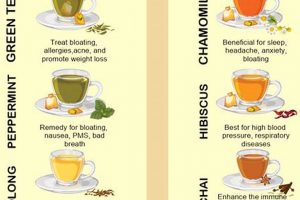
The term “healthy herbal tea,” implies a direct correlation to the specific benefits conferred by the individual herbs used in the infusion. These benefits are not inherent to a generic “herbal tea” category but rather derive from the documented properties of each plant component. The selection of specific herbs, therefore, dictates the potential health outcomes associated with the beverage. For example, an infusion containing chamomile is often consumed for its calming effects, attributed to compounds like apigenin, which may bind to certain brain receptors. Conversely, an infusion featuring ginger is primarily used for its anti-inflammatory properties and potential to alleviate nausea, stemming from gingerol and shogaol compounds. The direct cause and effect between the herb and the purported benefit constitute the essence of the “healthy” claim. The term represents a purposeful blend, and the expectation of benefit is a driving factor in selection and consumption.
Understanding the specific herbal benefits is crucial for several reasons. First, it enables consumers to make informed choices based on their individual needs and health goals. Instead of simply opting for a “healthy herbal tea” without discrimination, consumers can seek out infusions containing herbs known to address specific concerns, such as sleep disturbances, digestive issues, or immune support. Second, awareness of specific benefits allows for a more critical evaluation of product claims. While marketing materials may emphasize general wellness benefits, a deeper understanding of the active compounds and their documented effects facilitates a more discerning approach to assessing the veracity of those claims. The practical application includes the mitigation of potentially misleading statements from the seller.
In conclusion, the connection between “specific herbal benefits” and the concept of “healthy herbal tea” is fundamental and inextricably linked. The perceived health value is entirely contingent upon the documented properties of the individual herbs included in the infusion. The absence of demonstrable benefits undermines the claim of “healthy.” The challenges involve the complexity of plant chemistry, the variability in active compound concentrations, and the potential for exaggerated or unsubstantiated health claims. Responsible consumption necessitates a diligent inquiry into the specific herbs used, their documented benefits, and the scientific evidence supporting those claims.
4. Preparation Methods

The realization of potential health benefits from plant-based infusions is inextricably linked to the employed preparation methods. Infusion preparation dictates the extent to which bioactive compounds are extracted from the plant material, directly influencing the concentration and availability of beneficial substances within the final beverage. Improper preparation can result in under-extraction, leading to a diluted infusion with minimal therapeutic effect, or over-extraction, yielding a bitter taste and the potential release of undesirable compounds. Cause and effect are clearly demonstrated when comparing a properly steeped chamomile flower releasing calming apigenin versus an incorrectly prepared infusion yielding negligible effect.
Specific preparation variables, including water temperature, steeping time, and the use of appropriate vessels, are critical for optimizing the extraction process. For instance, delicate floral infusions, such as lavender or chamomile, require lower water temperatures (around 170-180F) to prevent the degradation of volatile oils and ensure a palatable flavor profile. Conversely, root-based infusions, like ginger or turmeric, often require longer steeping times and higher water temperatures (around 200-212F) to effectively release their bioactive compounds. Real-life examples illustrating this include a poorly prepared ginger infusion failing to alleviate nausea symptoms due to insufficient gingerol extraction, or an over-steeped green infusion resulting in an unpleasantly bitter beverage. This understanding influences the quality and health contributions of these infusions.
In conclusion, appropriate preparation methods are not merely a matter of culinary preference but rather a critical determinant of the potential health benefits derived from plant-based infusions. The relationship between preparation and efficacy necessitates careful attention to detail, adherence to recommended guidelines, and an understanding of the specific requirements of each herb or blend. The challenges involve varying preparation protocols and the impact that a correct protocol has on quality and safety. This consideration is crucial for maximizing the therapeutic value of these beverages and ensuring a positive and effective consumption experience.
5. Quality Sourcing

The integrity of any “healthy herbal tea” is fundamentally dependent upon the quality of its source materials. Factors influencing source quality extend beyond mere geographic origin, encompassing cultivation practices, processing techniques, and storage conditions. Without a rigorous approach to sourcing, the potential for contamination, adulteration, or degradation of beneficial compounds significantly increases, undermining any purported health benefits.
- Organic Certification and Sustainable Practices
The presence of organic certification ensures that herbs are cultivated without synthetic pesticides, herbicides, or fertilizers, minimizing potential exposure to harmful chemicals. Sustainable harvesting practices, furthermore, protect the environment and ensure the long-term availability of plant resources. For example, wild-harvested herbs, if not managed sustainably, can lead to over-collection and ecosystem disruption, ultimately impacting the quality and availability of the resource for future use. This directly supports quality from start to finish.
- Geographic Origin and Terroir
The geographic origin and specific growing conditions (terroir) can significantly influence the chemical composition and potency of herbs. Factors such as soil composition, climate, and altitude contribute to variations in the concentration of bioactive compounds. For instance, chamomile grown in certain regions may exhibit higher levels of apigenin, the compound associated with its calming effects, compared to chamomile grown elsewhere. In essence, location and environment dictates quality.
- Processing and Handling Techniques
The methods employed for harvesting, drying, and processing herbs can profoundly impact their quality. Improper drying techniques, such as excessive heat or humidity, can lead to the degradation of volatile oils and other heat-sensitive compounds. Inadequate storage conditions, such as exposure to light or moisture, can promote oxidation and the growth of mold or bacteria. It is a process that must be diligently watched and kept in mind to ensure the ingredients integrity.
- Testing and Authentication
Rigorous testing and authentication procedures are essential for verifying the identity and purity of herbs. This includes microscopic analysis to confirm species identification, as well as chemical analysis to detect adulteration with other plant materials or the presence of contaminants such as heavy metals, pesticides, or microbial pathogens. Third-party certification programs provide an additional layer of assurance, verifying that products meet established quality standards. Authentication processes are paramount to quality assurance.
The multifaceted nature of quality sourcing underscores its critical role in ensuring the efficacy and safety of “healthy herbal tea.” A focus on sustainable and ethical sourcing practices, coupled with rigorous testing and authentication, is essential for delivering a product that consistently meets consumer expectations and delivers the purported health benefits. Compromising on quality at any stage of the sourcing process ultimately undermines the integrity of the final product and potentially jeopardizes consumer health. The integration of sourcing is important in herbal tea quality.
6. Potential Interactions
The concept of “healthy herbal tea” cannot be fully realized without acknowledging the potential for interactions with pharmaceutical medications, other herbal supplements, and even certain foods. These interactions arise from the bioactive compounds present in herbs, which can influence drug metabolism, absorption, or excretion pathways. Failure to consider these interactions can lead to reduced drug efficacy, increased side effects, or even adverse reactions. The purported “healthy” aspect is directly negated by the inadvertent introduction of harmful effects due to unforeseen interactions. For instance, St. John’s Wort, a common ingredient in some infusions, is known to induce cytochrome P450 enzymes, accelerating the metabolism of numerous drugs, including oral contraceptives and antidepressants, potentially rendering them less effective. Similarly, ginger, while often consumed for its anti-inflammatory properties, can have anticoagulant effects and should be used with caution by individuals taking blood-thinning medications like warfarin. The practical significance of considering these interactions is, therefore, paramount for patient safety.
The importance of understanding potential interactions extends to situations involving other herbal supplements. Combining multiple herbs with similar pharmacological actions can lead to synergistic effects, increasing the risk of adverse events. For example, combining valerian root and chamomile, both known for their sedative properties, may potentiate their effects, leading to excessive drowsiness or impaired cognitive function. Furthermore, some herbs can interact with specific foods. For instance, grapefruit juice is known to inhibit certain drug-metabolizing enzymes, potentially increasing the levels of various medications in the bloodstream, including some statins and antihistamines. While less common, certain herbal constituents may also interact with dietary minerals, affecting their absorption or utilization.
In conclusion, awareness of potential interactions is an indispensable component of any assessment of the safety and efficacy of “healthy herbal tea.” Consumers, particularly those taking prescription medications or other supplements, should consult with a healthcare professional or qualified herbalist to assess potential risks and ensure that the use of herbal infusions is appropriate for their individual health status. The challenges involve the complexity of herb-drug interactions, the limited availability of comprehensive interaction data, and the potential for self-medication without adequate professional guidance. However, proactive inquiry and responsible consumption can significantly mitigate these risks and promote the safe and effective use of plant-based infusions.
7. Moderation
The designation “healthy herbal tea” necessitates a commitment to moderation in consumption. While plant-based infusions are often perceived as benign, excessive intake can lead to adverse effects, even with seemingly gentle herbs. The inherent presence of bioactive compounds, responsible for the purported benefits, can exert unintended consequences when consumed in immoderate quantities. The cause stems from the accumulation of these compounds in the body, potentially disrupting physiological processes or overwhelming detoxification pathways. For example, consistent overconsumption of licorice root infusion can lead to pseudoaldosteronism, characterized by hypertension, edema, and electrolyte imbalances, directly contradicting the intent of promoting health. The assumption of safety is directly challenged when the individual consumes in excess, underscoring the necessity of a balanced approach.
The importance of moderation as a component of a “healthy” regimen is practically significant for several reasons. It highlights the principle that the dose makes the poison, even with naturally derived substances. It prevents the development of tolerance, where the body becomes less responsive to the beneficial effects of the herb, necessitating increasingly higher doses to achieve the same results. Furthermore, it minimizes the risk of masking underlying health issues. Over-reliance on herbal infusions to manage symptoms, without addressing the root cause, can delay proper diagnosis and treatment. A real-life scenario involves an individual continuously consuming chamomile for insomnia, without investigating underlying sleep apnea or anxiety disorders. This prevents a deeper understanding and proper treatment of the underlying causes and effects.
In conclusion, moderation is not merely a suggestion but a fundamental principle underpinning the responsible and effective use of “healthy herbal tea”. The commitment to appropriate dosages mitigates the potential for adverse effects, prevents the development of tolerance, and encourages a holistic approach to health, rather than solely relying on herbal remedies. The challenge lies in promoting this message amidst the prevalent perception of herbal infusions as inherently safe, requiring a nuanced approach that emphasizes both the benefits and the potential risks associated with excessive consumption. The application of informed dosage contributes to a healthy herbal tea experience.
Frequently Asked Questions About Healthy Herbal Tea
The following section addresses common inquiries and misconceptions surrounding the selection, preparation, and consumption of herbal infusions perceived as health-promoting. Accurate information is crucial for informed decision-making and responsible utilization.
Question 1: Are all herbal teas inherently healthy?
No. The designation “healthy” is contingent upon the specific herbs used, their quality, and the individual’s health status. Some herbs may be contraindicated for certain medical conditions or interact with medications. Generic labeling of “herbal tea” does not guarantee health benefits.
Question 2: How can the quality of herbal tea be assessed?
Quality is determined by sourcing practices, cultivation methods, and processing techniques. Look for organic certifications, reputable brands with transparent sourcing information, and products that have undergone third-party testing for contaminants.
Question 3: Is it safe to consume herbal tea daily?
While many herbal infusions are safe for daily consumption in moderation, it is essential to consider individual sensitivities and potential interactions. Consistent overconsumption, even of seemingly benign herbs, can lead to adverse effects. Rotating between different types is advisable.
Question 4: Does steeping time affect the health benefits of herbal tea?
Yes. Optimal steeping time varies depending on the herb. Under-steeping may result in insufficient extraction of beneficial compounds, while over-steeping can lead to a bitter taste or the release of undesirable substances. Adhere to recommended guidelines.
Question 5: Can herbal tea replace conventional medicine?
No. Herbal infusions can complement conventional medicine but should not be used as a substitute for prescribed treatments. It is imperative to consult a healthcare professional for any health concerns and to discuss potential interactions with medications.
Question 6: Are there any herbs to avoid during pregnancy or breastfeeding?
Yes. Certain herbs are contraindicated during pregnancy or breastfeeding due to potential risks to the fetus or infant. It is crucial to consult with a healthcare provider or qualified herbalist before consuming any herbal infusions during these periods.
In summary, discerning consumers recognize that the “healthy” label must be substantiated by careful consideration of ingredients, sourcing, preparation, and individual health conditions. Responsible consumption entails seeking reliable information and consulting with healthcare professionals when necessary.
The succeeding section will explore specific herbal combinations and their potential synergistic benefits.
healthy herbal tea
This exploration has illuminated the multifaceted nature of infusions touted as health-promoting. Critical analysis reveals that the term is not a monolithic guarantee of wellness, but rather a contingent designation dependent upon specific herbal constituents, responsible sourcing, appropriate preparation, and individual physiological considerations. Factors such as potential interactions with medications and the necessity of moderation further underscore the complexities involved in maximizing benefits while mitigating risks.
Therefore, individuals seeking to incorporate “healthy herbal tea” into their wellness practices must adopt a discerning and informed approach. Reliance on unsubstantiated claims or generalized assumptions should be replaced with a commitment to diligent research, careful product selection, and, when appropriate, consultation with qualified healthcare professionals. The pursuit of wellness is an individualized journey, and the responsible utilization of plant-based infusions requires a commitment to knowledge, discernment, and mindful consumption.