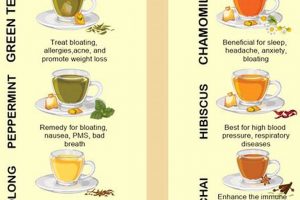
Consumption of botanical infusions during gestation presents a complex intersection of potential benefits and risks. This practice involves steeping various plant parts in hot water to create a beverage intended for consumption, often pursued as a natural alternative to caffeinated drinks or to alleviate common pregnancy discomforts. The selection of specific herbs is critical, as some compounds may pose adverse effects on both the pregnant individual and the developing fetus.
Historically, plant-based remedies have held significance across diverse cultures, with many utilizing traditional knowledge to address pregnancy-related ailments. Modern research seeks to validate or refute these traditional uses, investigating the pharmacological properties of different botanicals and their potential impact on gestation. The purported advantages may include relief from nausea, improved sleep quality, and reduced anxiety; however, these claims must be evaluated against the backdrop of scientific evidence and safety considerations.
The following discussion will explore aspects of safety, research findings, and common botanical ingredients found in preparations consumed by expectant mothers, with the intention of offering a balanced perspective on this practice.
Guidance on Botanical Infusions During Gestation
The consumption of botanical infusions during pregnancy warrants careful consideration. The following points provide essential guidance for individuals contemplating this practice.
Tip 1: Consult a Healthcare Provider: Prior to introducing any botanical infusion into the diet, consultation with an obstetrician or qualified healthcare professional is paramount. This ensures that the chosen herbs are appropriate for the individual’s specific medical history and gestational stage.
Tip 2: Research Herbal Safety: Thorough investigation into the safety profile of any herb is crucial. Reliable sources, such as peer-reviewed scientific journals and reputable botanical databases, should be consulted to ascertain potential risks during pregnancy.
Tip 3: Exercise Moderation: Even with herbs deemed generally safe, moderation is advised. Excessive consumption of any single botanical may lead to unintended consequences. Adhere to recommended serving sizes and frequency.
Tip 4: Avoid Certain Herbs: Certain botanicals are contraindicated during pregnancy due to their potential to stimulate uterine contractions or exhibit other adverse effects. Herbs such as pennyroyal, blue cohosh, and black cohosh should be strictly avoided.
Tip 5: Be Mindful of Interactions: Potential interactions between herbal infusions and prescribed medications must be considered. Consult with a pharmacist or healthcare provider to identify any potential risks associated with combining botanicals and pharmaceuticals.
Tip 6: Source Reputable Products: Opt for botanical products from reputable manufacturers that adhere to quality control standards. This minimizes the risk of contamination or misidentification of plant species.
Tip 7: Monitor for Adverse Reactions: Closely monitor for any adverse reactions following the consumption of a botanical infusion. Discontinue use immediately and seek medical attention if any concerning symptoms arise.
Adherence to these guidelines can mitigate potential risks and promote informed decision-making regarding botanical infusions during pregnancy.
The subsequent sections will delve into specific categories of herbal preparations and their respective safety profiles.
1. Safety

The safety profile of botanical infusions consumed during pregnancy is a critical determinant of their suitability. The consumption of certain herbs can exert pharmacological effects that may adversely impact the developing fetus or the pregnant individual. These effects can range from mild gastrointestinal distress to more severe consequences, such as uterine contractions, miscarriage, or teratogenic effects. Therefore, a comprehensive understanding of the potential risks associated with specific herbs is essential before any consumption occurs during pregnancy. For example, some herbal teas marketed for relaxation may contain ingredients that can lower blood pressure, which, while beneficial in some contexts, could be detrimental to pregnant individuals already prone to hypotension.
A crucial aspect of ensuring safety involves careful selection of herbal ingredients. Many commercially available herbal tea blends may not explicitly state all ingredients or provide adequate information regarding their safety during pregnancy. Furthermore, the concentration of active compounds in herbal preparations can vary significantly, leading to unpredictable effects. Some herbal teas may also contain contaminants, such as heavy metals or pesticides, which pose additional risks. The origin and processing of herbs play a pivotal role in their safety. Herbs sourced from regions with lax regulatory oversight or processed using substandard methods may present a higher risk of contamination or misidentification, as evidenced by instances of herbal products being adulterated with pharmaceuticals or toxic plant species.
In summary, safety constitutes a paramount consideration when evaluating the suitability of botanical infusions during pregnancy. Informed decision-making requires a thorough understanding of potential risks, careful selection of ingredients, and adherence to appropriate preparation and consumption guidelines. A proactive approach, emphasizing consultation with healthcare professionals and reliance on credible information sources, is vital for minimizing the potential for adverse outcomes and safeguarding maternal and fetal well-being.
2. Dosage

Dosage is a critical factor when considering botanical infusions during gestation. The physiological changes associated with pregnancy can alter the absorption, distribution, metabolism, and excretion of various substances, including the active compounds present in herbal teas. Consequently, standard dosage recommendations for the general population may not be appropriate for pregnant individuals. Inadequate dosage may render the herbal infusion ineffective, while excessive dosage can lead to adverse effects on both the mother and the developing fetus. For example, while a cup of chamomile tea may be considered safe for relaxation, consuming multiple cups daily could lead to excessive exposure to certain compounds, potentially causing drowsiness or, in rare cases, allergic reactions.
Determining the appropriate dosage of herbal infusions during pregnancy necessitates careful consideration of several variables, including the specific herb, the concentration of active constituents, the individual’s gestational age, and any pre-existing medical conditions. The inherent variability in herbal preparations further complicates dosage determination. Different batches of the same herbal tea may contain varying levels of active compounds, influenced by factors such as growing conditions, harvesting methods, and processing techniques. Therefore, relying solely on standardized dosage guidelines may not be sufficient to ensure safety and efficacy. A lack of precise dosage control can have a direct impact on pregnancy outcomes. For example, teas containing senna, often used as a laxative, can stimulate uterine contractions if consumed in excessive quantities, potentially leading to premature labor.
In conclusion, the connection between dosage and herbal infusions during pregnancy underscores the importance of personalized and cautious approaches. The optimal dosage is not a fixed value but rather a dynamic parameter that must be adjusted based on individual factors and the specific characteristics of the herbal preparation. Seeking guidance from healthcare professionals trained in both obstetrics and herbal medicine is crucial for ensuring the safe and effective use of botanical infusions during pregnancy.
3. Ingredients

The composition of botanical infusions intended for consumption during pregnancy is a matter of significant concern. The potential effects of individual components on both maternal and fetal health necessitate a meticulous understanding of the specific ingredients present in these preparations.
- Specific Herbal Components
The botanical composition of the infusion determines its pharmacological activity. Certain herbs, such as chamomile and ginger, are frequently cited as being generally safe during pregnancy when consumed in moderation. Conversely, other herbs, including pennyroyal and blue cohosh, are known to possess emmenagogue or abortifacient properties, rendering them strictly contraindicated. The presence of even trace amounts of contraindicated herbs can pose a significant risk.
- Potential Contaminants
Beyond the intentional herbal ingredients, the presence of contaminants can present an additional layer of risk. Heavy metals, pesticides, and microbial pathogens can contaminate herbal products at various stages of cultivation, harvesting, and processing. These contaminants may exert toxic effects on the developing fetus, potentially leading to developmental abnormalities or pregnancy complications. Rigorous quality control measures are essential to mitigate the risk of contamination.
- Additives and Fillers
Commercially available herbal tea blends may contain additives and fillers beyond the primary herbal ingredients. These additives can include artificial flavorings, preservatives, and bulking agents. While some additives may be considered generally safe for consumption, their potential effects on pregnant individuals and the developing fetus are often poorly understood. The presence of undisclosed additives can complicate the assessment of overall safety.
- Concentration and Standardization
The concentration of active compounds within an herbal tea can vary significantly depending on factors such as the quality of the raw materials, the extraction method, and the storage conditions. A lack of standardization in herbal preparations can lead to inconsistent dosages and unpredictable effects. Pregnant individuals should seek out herbal products that have undergone rigorous standardization to ensure consistent potency and safety.
The careful consideration of all ingredients, both intentional and unintentional, is paramount when evaluating the safety of herbal teas during pregnancy. A thorough understanding of the potential risks associated with each component is crucial for making informed decisions and safeguarding maternal and fetal well-being.
4. Interactions
The potential for interactions between botanical infusions and other substances is a critical consideration during pregnancy. The physiological changes associated with gestation can influence the absorption, distribution, metabolism, and excretion of both herbal compounds and pharmaceuticals, potentially leading to altered therapeutic effects or adverse reactions. Evaluating possible interactions is, therefore, essential for ensuring maternal and fetal safety.
- Herb-Drug Interactions
Botanical infusions can interact with prescribed or over-the-counter medications. For example, St. John’s Wort, though not typically recommended during pregnancy, can interact with certain antidepressants, oral contraceptives, and anticoagulants, potentially reducing their efficacy or increasing the risk of side effects. Ginger, commonly used for nausea, can potentiate the effects of anticoagulants, increasing bleeding risk. Awareness of such interactions is vital, as many pregnant individuals may be taking medications for pre-existing conditions or pregnancy-related complications.
- Herb-Herb Interactions
The concurrent consumption of multiple herbal products can result in interactions. The combined effects of different herbs may be synergistic, additive, or antagonistic. For instance, consuming both chamomile and valerian root, both known for their sedative properties, may lead to excessive drowsiness or impaired cognitive function. Pregnant individuals should avoid combining multiple herbal infusions without consulting a healthcare provider to assess potential interactions.
- Herb-Food Interactions
Certain foods can influence the absorption or metabolism of herbal compounds. For example, grapefruit juice is known to inhibit cytochrome P450 enzymes, which play a role in metabolizing many drugs and herbs. This can lead to increased serum concentrations of certain compounds, potentially increasing the risk of adverse effects. Pregnant individuals should be mindful of potential food-herb interactions and avoid consuming herbal infusions with foods known to alter their metabolism.
- Impact on Medical Conditions
The use of herbal infusions can impact pre-existing medical conditions. For instance, individuals with diabetes should exercise caution when consuming herbal infusions containing hypoglycemic compounds, as this may lead to excessive blood sugar reduction. Similarly, individuals with hypertension should avoid herbal infusions containing stimulants, as this may exacerbate their condition. A thorough review of medical history and current health status is necessary to identify potential risks associated with herbal infusion use.
These potential interactions emphasize the importance of a holistic approach to healthcare during pregnancy. Open communication with healthcare providers regarding the use of herbal infusions, medications, and dietary supplements is essential for minimizing the risk of adverse outcomes and ensuring optimal maternal and fetal well-being.
5. Quality

The quality of botanical infusions intended for consumption during pregnancy is of paramount importance. Ensuring a high standard minimizes potential risks associated with contaminants, adulterants, and variations in potency, thus safeguarding maternal and fetal well-being.
- Source and Cultivation Practices
The geographical origin and cultivation practices employed significantly influence the quality of herbs. Herbs grown in polluted environments may accumulate heavy metals or pesticides. Organic cultivation methods, coupled with sourcing from reputable suppliers, mitigate the risk of contamination and ensure the integrity of the raw materials. For instance, chamomile sourced from regions with stringent environmental regulations is more likely to be free from harmful pollutants.
- Processing and Handling
The methods used for harvesting, drying, and processing herbs directly impact their quality. Improper drying techniques can lead to mold growth, while inadequate storage conditions can degrade active compounds. Proper handling and processing protocols, adhering to Good Manufacturing Practices (GMP), are crucial for preserving the integrity and efficacy of the botanical ingredients. Examples include temperature-controlled drying to prevent mold and airtight packaging to minimize degradation.
- Testing and Certification
Rigorous testing and certification processes provide assurance of product quality and safety. Third-party testing for contaminants, such as heavy metals, pesticides, and microbial pathogens, verifies compliance with established safety standards. Certifications from reputable organizations, such as the United States Pharmacopeia (USP) or NSF International, indicate adherence to quality control measures. For instance, a “USP Verified” label signifies that the product has undergone independent testing to confirm its identity, potency, and purity.
- Adulteration and Misidentification
Adulteration, the intentional substitution or addition of extraneous substances, and misidentification of plant species pose significant risks. Some unscrupulous manufacturers may adulterate herbal products with cheaper, less effective, or even harmful substances. DNA barcoding and microscopic analysis can verify the authenticity of herbal ingredients, preventing misidentification and ensuring that the product contains the intended plant species. Instances of herbal products being adulterated with pharmaceuticals highlight the importance of stringent quality control measures.
The multifaceted nature of quality in botanical infusions underscores the necessity of a comprehensive approach that encompasses sourcing, processing, testing, and certification. Prioritizing quality mitigates potential risks and promotes the safe and effective use of botanical infusions during pregnancy, contributing to positive maternal and fetal outcomes. The selection of reputable brands that prioritize transparency and adhere to rigorous quality control standards is paramount.
Frequently Asked Questions
The following addresses common inquiries regarding the consumption of botanical infusions during pregnancy. The information presented is intended for educational purposes and should not be considered a substitute for professional medical advice. Consultation with a qualified healthcare provider is essential before making any decisions regarding the use of herbal products during pregnancy.
Question 1: Is the consumption of botanical infusions inherently safe during pregnancy?
The safety of botanical infusions during pregnancy is not absolute and depends on various factors, including the specific herb, dosage, individual health conditions, and potential interactions with medications. Some herbs are contraindicated during pregnancy due to their potential to cause uterine contractions, miscarriage, or teratogenic effects. Thorough research and consultation with a healthcare provider are crucial before consuming any herbal infusion during gestation.
Question 2: Are there any botanical infusions generally considered safe for pregnant individuals?
Certain botanical infusions, such as chamomile, ginger, and red raspberry leaf, are often cited as being generally safe for pregnant individuals when consumed in moderation. However, even these herbs may not be suitable for all individuals, and caution is advised. Ginger is frequently used to alleviate nausea, while red raspberry leaf is sometimes used to prepare the uterus for labor; however, the timing and dosage of red raspberry leaf should be carefully considered and discussed with a healthcare professional.
Question 3: What are the potential risks associated with consuming botanical infusions during pregnancy?
The potential risks associated with consuming botanical infusions during pregnancy include uterine contractions, miscarriage, teratogenic effects, allergic reactions, and interactions with medications. Some herbs contain compounds that can cross the placental barrier and affect fetal development. Furthermore, herbal products may be contaminated with heavy metals, pesticides, or microbial pathogens, posing additional risks to both the mother and the developing fetus.
Question 4: How can pregnant individuals ensure the quality and safety of botanical infusions?
Pregnant individuals can ensure the quality and safety of botanical infusions by sourcing products from reputable manufacturers that adhere to Good Manufacturing Practices (GMP). It is advisable to select herbal products that have undergone third-party testing for contaminants and adulterants. Reading labels carefully to identify all ingredients and consulting with a healthcare provider or qualified herbalist can further enhance safety.
Question 5: Are there any botanical infusions that should be strictly avoided during pregnancy?
Several botanical infusions should be strictly avoided during pregnancy due to their potential to cause adverse effects. These include, but are not limited to, pennyroyal, blue cohosh, black cohosh, mugwort, and sage. These herbs have been associated with uterine contractions, miscarriage, or other complications. A comprehensive list of contraindicated herbs can be obtained from a healthcare provider or reputable herbal reference source.
Question 6: Can botanical infusions be used to treat specific pregnancy-related symptoms?
While some botanical infusions may offer relief from certain pregnancy-related symptoms, such as nausea or insomnia, their use should be approached with caution. Self-treating pregnancy symptoms with herbal remedies without consulting a healthcare provider can be risky. A healthcare provider can assess the individual’s specific needs and recommend appropriate treatments, taking into account potential risks and benefits.
In summary, informed decision-making regarding the consumption of botanical infusions during pregnancy requires careful consideration of the specific herb, dosage, individual health conditions, and potential risks. Prioritizing quality, sourcing from reputable manufacturers, and consulting with healthcare professionals are essential steps for safeguarding maternal and fetal well-being.
The subsequent section will address considerations for specific trimesters of pregnancy.
Botanical Infusions During Gestation
This article has explored the multifaceted considerations surrounding the consumption of botanical infusions during pregnancy. Key points include the importance of ingredient awareness, dosage control, and the potential for herb-drug interactions. The necessity of sourcing high-quality products from reputable manufacturers has also been emphasized, along with the critical need to consult with qualified healthcare professionals prior to introducing any botanical infusion into the diet.
The decision to consume botanical infusions during gestation should not be taken lightly. The potential impact on both maternal and fetal health necessitates a proactive and informed approach. Further research is ongoing to elucidate the effects of specific herbs on pregnancy outcomes. Until definitive data are available, a conservative approach, guided by expert medical advice, remains the most prudent course of action.