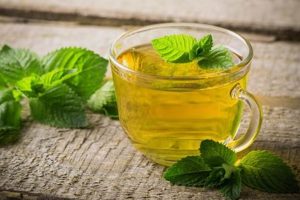
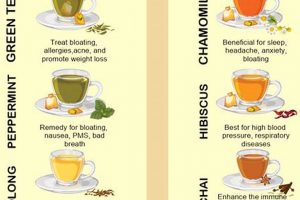
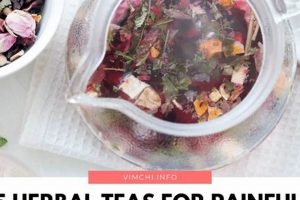
An infusion crafted from dried flowers, fruits, herbs, and spices, offered in unbagged form, provides consumers with greater control over the strength and flavor profile of their beverage. This preparation method, eschewing pre-portioned bags, allows for a customized brewing experience and often utilizes higher-quality ingredients.
The consumption of these infusions offers a variety of potential wellness advantages, ranging from relaxation and stress reduction to digestive support and immune system enhancement, dependent on the specific botanical composition. Historically, these preparations have been integral to traditional medicine systems across various cultures, valued for their therapeutic properties and natural origin.
Subsequent sections will delve into the diverse range of botanical ingredients utilized in these infusions, explore optimal brewing techniques for extracting maximum flavor and benefits, and examine storage considerations to maintain freshness and potency.
The following are essential considerations for maximizing the enjoyment and benefits of preparing herbal infusions using unbagged ingredients.
Tip 1: Ingredient Sourcing: Prioritize reputable suppliers known for quality and ethical sourcing practices. Check for certifications indicating organic or wild-harvested ingredients to ensure purity and minimize exposure to pesticides or contaminants.
Tip 2: Proper Storage: Maintain freshness by storing ingredients in airtight containers away from direct sunlight, heat, and moisture. Dark glass or opaque containers are preferable to protect against light degradation.
Tip 3: Optimal Water Temperature: Different botanicals require varying water temperatures for optimal extraction. Delicate flowers benefit from lower temperatures (around 170-180F), while heartier roots and barks can withstand higher temperatures (around 200-212F).
Tip 4: Precise Steeping Time: Over-steeping can result in bitter flavors. Adhere to recommended steeping times, typically ranging from 5 to 10 minutes, depending on the ingredients. Taste-test periodically to determine desired strength.
Tip 5: Filtration Methods: Utilize a fine-mesh strainer, tea infuser, or French press to effectively separate the liquid infusion from the solid botanical matter. Ensure the chosen method does not impart any unwanted flavors.
Tip 6: Blend Customization: Experiment with combining different ingredients to create unique flavor profiles and target specific wellness goals. Research the properties of individual herbs to ensure synergistic benefits and avoid potential interactions.
Tip 7: Dosage Awareness: Adhere to recommended dosage guidelines, particularly when using herbs with potent medicinal properties. Consult with a qualified herbalist or healthcare professional if unsure about appropriate dosages.
By adhering to these guidelines, individuals can ensure a more flavorful, beneficial, and enjoyable experience when preparing and consuming herbal infusions using unbagged ingredients.
The subsequent section will address potential safety considerations and contraindications associated with specific herbal ingredients.
1. Ingredient Quality

Ingredient quality is paramount in determining the overall experience and potential benefits derived from unbagged herbal infusions. The inherent characteristics of the botanicals directly influence the flavor profile, aroma, and concentration of beneficial compounds present in the final brew. Compromised ingredient quality can negate potential therapeutic effects and, in some instances, pose health risks.
- Purity and Contamination
The presence of contaminants, such as pesticides, heavy metals, or mold, can significantly detract from the health benefits and safety of the infusion. Organically grown or wild-harvested ingredients, sourced from reputable suppliers who conduct thorough testing, are essential to minimize exposure to harmful substances. For instance, conventionally grown peppermint may contain pesticide residues, while organic options offer a cleaner, safer alternative.
- Freshness and Potency
The age and storage conditions of the botanicals directly impact their potency. Over time, volatile oils, responsible for aroma and flavor, can degrade, diminishing the overall quality of the infusion. Properly dried and stored herbs, characterized by vibrant color and strong aroma, typically yield a more flavorful and therapeutically potent beverage. For example, dried lavender flowers stored improperly may lose their characteristic scent and effectiveness over time.
- Botanical Variety and Authenticity
Variations within botanical species can lead to differences in flavor and chemical composition. Sourcing ingredients from reliable suppliers ensures authenticity and consistency. Misidentification or adulteration of herbs can lead to unexpected flavors or, in rare cases, adverse health effects. For example, true chamomile (Matricaria chamomilla) offers distinct characteristics compared to other chamomile varieties.
- Harvesting and Processing Methods
Harvesting and processing techniques employed by suppliers influence the preservation of beneficial compounds. Gentle drying methods, such as air-drying or freeze-drying, can help retain volatile oils and prevent degradation. Improper handling or drying can lead to loss of flavor and potency. For instance, sun-drying certain herbs can degrade heat-sensitive compounds, while careful air-drying preserves them.
These facets highlight the interconnectedness between ingredient quality and the ultimate experience of preparing and consuming unbagged herbal infusions. Prioritizing high-quality, ethically sourced ingredients is crucial for maximizing the enjoyment and potential health benefits associated with this form of beverage preparation.
2. Storage Conditions
Storage conditions directly impact the quality and longevity of unbagged herbal infusions. Improper storage leads to degradation, diminishing both flavor and therapeutic properties. Botanicals are susceptible to moisture, light, heat, and air exposure, each contributing to the breakdown of essential oils and active compounds. As a result, carefully controlled storage environments are essential for maintaining the integrity of the product.
The primary cause of degradation is oxidation, accelerated by exposure to air and light. Essential oils, which contribute significantly to flavor and aroma, are particularly vulnerable. A common example is dried chamomile flowers. If stored in a clear, loosely sealed container on a sunny windowsill, the flowers will quickly lose their characteristic scent and color, resulting in a bland and less effective infusion. Conversely, storing the same chamomile in an opaque, airtight container in a cool, dark location significantly extends its shelf life and preserves its quality. Furthermore, moisture absorption promotes mold growth, rendering the entire supply unusable. A damp storage area can quickly ruin even the highest quality dried herbs, leading to spoilage and potential health risks.
Effective storage strategies include utilizing airtight containers made of dark glass or opaque plastic, kept in cool, dry locations away from direct sunlight and sources of heat. Desiccant packets can further mitigate moisture absorption. Implementing these practices safeguards the investment in quality ingredients, ensuring that the intended flavor and therapeutic benefits are realized. Understanding and actively managing storage conditions is a crucial step in maximizing the value and enjoyment of unbagged herbal infusions.
3. Brewing Temperature

Brewing temperature is a critical factor in the successful preparation of herbal infusions using unbagged ingredients. The water temperature directly impacts the extraction of desirable flavor compounds and beneficial constituents from the plant material. Inappropriate temperatures can lead to under-extraction, resulting in a weak and flavorless beverage, or over-extraction, leading to bitterness and the release of undesirable compounds.
- Extraction of Volatile Oils
Volatile oils, responsible for the characteristic aromas and flavors of many herbs, are sensitive to heat. Excessive temperatures can cause these oils to evaporate prematurely, diminishing the final product’s aromatic complexity. Delicate floral infusions, such as chamomile or lavender, benefit from lower temperatures (approximately 170-180F) to preserve these volatile compounds. For instance, over-boiling water and immediately pouring it over lavender can result in a less fragrant and potentially bitter infusion due to the rapid volatilization and degradation of its delicate oils.
- Solubility of Plant Compounds
Different plant compounds exhibit varying degrees of solubility at different temperatures. Some beneficial constituents require higher temperatures for optimal extraction. Heartier roots, barks, and seeds, such as ginger or cinnamon, often require near-boiling temperatures (around 200-212F) to release their full flavor and therapeutic potential. Using cooler water with these ingredients can result in an under-extracted infusion lacking the intended potency and flavor.
- Prevention of Bitter Compounds
Overheating certain herbs can lead to the release of bitter compounds, detracting from the overall palatability of the infusion. Certain tannins and other bitter substances become more soluble at higher temperatures. Green tea, for example, often benefits from lower brewing temperatures (around 175F) to avoid the extraction of excess tannins, which can impart a harsh, astringent flavor. Similarly, allowing certain herbs to steep for too long at high temperatures can lead to an overly bitter brew.
- Enzyme Activity and Degradation
Enzymes present in some botanicals can be activated or deactivated depending on the brewing temperature. Controlling enzyme activity is crucial in specific herbal preparations. In some cases, higher temperatures are used to denature enzymes that might otherwise lead to undesirable changes in flavor or aroma. Conversely, lower temperatures can preserve beneficial enzymes in certain medicinal preparations. Understanding the enzyme properties of specific herbs is essential for achieving the desired outcome.
Brewing temperature is a key variable to manage for optimal results with unbagged herbal infusions. Understanding the temperature sensitivities of different plant constituents is essential for maximizing flavor, aroma, and therapeutic benefits. Experimentation and careful monitoring of water temperature are encouraged to refine the process for individual preferences and the unique characteristics of each herbal blend.
4. Steeping Duration

Steeping duration, the time during which unbagged herbal material is immersed in hot water, exerts significant influence on the flavor, potency, and overall quality of the resulting infusion. This parameter dictates the extent to which soluble compounds are extracted from the plant matter, thereby shaping the final beverage’s characteristics. Variations in optimal steeping times are contingent upon the specific botanical composition and desired outcome.
- Flavor Profile Modulation
Steeping duration directly affects the flavor profile of the infusion. Shorter steeping times typically yield lighter, more delicate flavors, while longer durations result in more intense and potentially bitter tastes. For example, steeping chamomile flowers for 3 minutes may produce a sweet, floral infusion, while a 10-minute steep could extract bitter compounds, masking the desirable floral notes.
- Extraction of Active Constituents
The release of therapeutically active constituents is time-dependent. Some compounds require extended steeping to fully dissolve into the water. Roots and barks, often containing tougher cellular structures, necessitate longer steeping periods to liberate their beneficial compounds. Conversely, delicate flowers may release their active components readily, and prolonged steeping could degrade these compounds or release undesirable substances.
- Influence on Infusion Color
The color of the infusion intensifies with increased steeping duration. The pigments present within the plant material are gradually released into the water, resulting in a deeper, richer hue. This visual cue can provide an indication of the infusion’s strength and concentration; however, color alone is not a definitive measure of quality or potency.
- Impact on Astringency and Bitterness
Extended steeping can lead to the extraction of tannins and other astringent compounds, contributing to a dry, puckering sensation in the mouth and a bitter taste. These compounds, while sometimes desirable in small quantities, can overwhelm the flavor profile if over-extracted. Careful monitoring of steeping time is essential to balance the desired flavor and therapeutic effects with potential bitterness.
Precise control over steeping duration is therefore critical for maximizing the enjoyment and benefits of unbagged herbal infusions. This variable, in conjunction with water temperature and ingredient quality, defines the final characteristics of the prepared beverage and allows for a tailored and nuanced drinking experience.
5. Filtration Method

The filtration method employed in the preparation of infusions using unbagged botanical ingredients is a critical determinant of the final beverage’s clarity, texture, and overall palatability. The efficacy of the filtration process directly impacts the removal of particulate matter, influencing the sensory experience and potentially affecting the perceived quality of the herbal infusion.
- Impact on Clarity and Sedimentation
The primary function of filtration is the removal of fine particles and sediment from the infused liquid. Different filtration methods exhibit varying degrees of effectiveness in this regard. Coarse filters, such as those found in some tea infusers, may allow smaller particles to pass through, resulting in a slightly cloudy beverage with visible sediment. Finer filters, like those used in French presses or paper filters, typically produce a clearer infusion with minimal sediment. The presence of excessive sediment can detract from the drinking experience, creating a gritty or unpleasant texture.
- Influence on Flavor and Aroma
The filtration method can inadvertently impact the flavor and aroma profile of the infusion. Certain filter materials, particularly those with inherent flavors or odors, can leach into the beverage, altering its intended characteristics. For example, paper filters, if not properly pre-rinsed, can impart a papery taste to the infusion. Metallic filters, if not of high quality, may introduce a metallic tang. The ideal filtration method minimizes any extraneous flavors, allowing the inherent qualities of the botanical ingredients to shine through.
- Retention of Beneficial Compounds
While the objective of filtration is to remove undesirable particulate matter, some methods may inadvertently remove beneficial compounds along with the sediment. This is particularly relevant when using very fine filters or paper filters, which can absorb oils and other soluble constituents. The selection of a filtration method that effectively removes sediment without significantly compromising the concentration of beneficial compounds is essential for maximizing the therapeutic potential of the herbal infusion.
- Ease of Use and Maintenance
The practicality of the filtration method is a significant consideration for routine use. Some methods, such as using a simple strainer, are easy to implement and require minimal maintenance. Others, like using a French press, may require more effort in terms of assembly, operation, and cleaning. The choice of filtration method should align with the user’s lifestyle, brewing preferences, and willingness to invest time and effort in the preparation process.
The various facets of filtration methods are intertwined with the goals of preparing unbagged herbal infusions, namely to create a palatable and beneficial beverage. Selecting the optimal filtration method requires a balance between clarity, flavor preservation, retention of beneficial compounds, and ease of use, thereby contributing to a positive and rewarding experience.
6. Dosage Awareness
Dosage awareness is paramount when preparing and consuming infusions made from unbagged herbal material. The potency of these preparations is directly influenced by the quantity of botanical ingredients used, necessitating a cautious and informed approach to ensure both safety and efficacy.
- Concentration Control
Unlike commercially prepared tea bags, where the amount of herb is pre-measured, unbagged preparations necessitate precise measurements. An excess of certain herbs can lead to unintended physiological effects, while an insufficient amount may render the infusion ineffective. For instance, using double the recommended amount of valerian root, intended for sleep promotion, could result in excessive drowsiness or, paradoxically, agitation.
- Individual Sensitivity
Individual responses to herbal constituents vary significantly based on factors such as body weight, metabolism, and pre-existing health conditions. A dosage considered safe and effective for one individual may prove to be excessive for another. Chamomile, generally regarded as safe, can, in rare instances, trigger allergic reactions in sensitive individuals, particularly those with ragweed allergies. Starting with a lower concentration and gradually increasing it allows for assessment of individual tolerance.
- Herb-Drug Interactions
Herbal constituents can interact with pharmaceutical medications, potentially altering their efficacy or increasing the risk of adverse effects. St. John’s Wort, commonly used for mood support, is known to interfere with the metabolism of several prescription drugs, including antidepressants and oral contraceptives. Prior consultation with a healthcare professional is essential to identify potential interactions and adjust dosages accordingly.
- Cumulative Effects
The consistent consumption of herbal infusions over extended periods can lead to cumulative effects, particularly with herbs that have potent pharmacological properties. Licorice root, often used for adrenal support, can elevate blood pressure with prolonged use. Awareness of these potential cumulative effects is crucial for responsible long-term consumption and necessitates periodic reassessment of dosage requirements.
The preceding facets underscore the importance of responsible and informed consumption of herbal preparations using unbagged materials. Dosage awareness is not merely a suggestion but a fundamental principle to ensure both the benefits and safety of these botanical infusions.
Frequently Asked Questions About Unbagged Herbal Infusions
The following section addresses common inquiries and misconceptions surrounding the preparation and consumption of infusions made from unbagged botanical ingredients.
Question 1: Is there a discernible difference in quality between unbagged preparations and commercially bagged herbal infusions?
Unbagged herbal infusions often utilize higher-quality, whole-leaf ingredients, resulting in a more flavorful and potent beverage compared to the often-fragmented or powdered herbs found in commercially prepared tea bags. However, quality can vary significantly across brands and suppliers, necessitating careful evaluation regardless of preparation method.
Question 2: How does one determine the appropriate quantity of unbagged ingredients to use per cup?
General guidelines suggest 1-2 teaspoons of dried herb per 8 ounces of water, but optimal quantity is contingent upon the specific herb, desired strength, and individual taste preferences. Experimentation is encouraged, beginning with smaller amounts and adjusting upwards until the desired flavor and potency are achieved.
Question 3: What is the recommended water temperature for brewing unbagged herbal infusions?
Water temperature varies depending on the botanical ingredients. Delicate flowers and leaves generally benefit from lower temperatures (170-180F), while heartier roots and barks require higher temperatures (200-212F) for optimal extraction. Utilizing a thermometer to ensure accurate temperature control is advisable.
Question 4: What is the expected shelf life of dried herbs intended for infusion?
Properly stored dried herbs can maintain their quality for approximately 12-18 months. To maximize shelf life, store ingredients in airtight containers, away from direct sunlight, heat, and moisture. Discard any herbs that exhibit signs of mold, discoloration, or a significant loss of aroma.
Question 5: Are there any potential health risks associated with consuming unbagged herbal infusions?
Certain herbs can interact with medications, exacerbate existing health conditions, or cause allergic reactions. Thoroughly research the properties of each herb before consumption, and consult with a healthcare professional if any concerns arise. Pregnant or breastfeeding individuals should exercise particular caution.
Question 6: Can unbagged ingredients be reused for subsequent infusions?
While some flavor and beneficial compounds may remain after the initial infusion, the subsequent extraction will be significantly weaker. Reusing ingredients is generally discouraged, as the resulting beverage will lack the desired potency and flavor complexity.
In summary, informed preparation and consumption practices are essential for maximizing the benefits and minimizing the risks associated with infusions prepared from unbagged botanical ingredients.
The subsequent section will provide a comprehensive overview of the various equipment and tools commonly used in the preparation of unbagged herbal infusions.
Herbal Tea Loose Leaf
This exploration has illuminated the nuances of herbal tea loose leaf preparation, emphasizing the importance of ingredient quality, storage protocols, brewing precision, and safety considerations. A discerning approach to each of these factors ensures the realization of both the intended flavor profile and potential therapeutic benefits inherent in these botanical infusions.
Continued diligence in sourcing, preparing, and consuming herbal tea loose leaf remains paramount. By prioritizing informed choices and adhering to established best practices, individuals can optimize their experience and mitigate potential risks, thereby maximizing the value derived from this traditional and increasingly relevant form of beverage consumption.