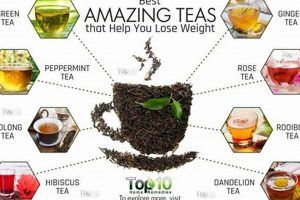
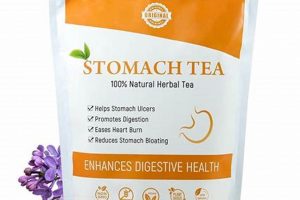
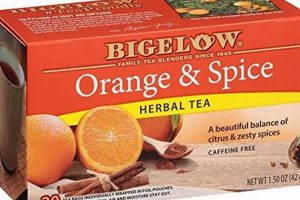
A curated collection of various herbal infusions, presented as a unified offering, allows individuals to explore a diverse range of flavors and potential wellness attributes. This assortment typically includes individually packaged portions of different herbal blends, enabling consumers to sample and discover their preferences before committing to larger quantities of a specific variety. As an example, a collection might feature chamomile, peppermint, rooibos, and lavender infusions.
The value of such a collection lies in its provision of an accessible introduction to the world of herbal beverages. The variety provides exposure to different botanical profiles and their associated benefits. Historically, herbal remedies have been used across cultures for medicinal and restorative purposes. This type of product provides a contemporary method for accessing and experiencing that tradition, offering options for relaxation, digestive support, or enhanced sleep.
The following sections will delve into the composition of common herbal blends, the sourcing and quality considerations relevant to these collections, and guidance on selecting the right assortment based on individual needs and preferences.
Guidance on Evaluating Herbal Infusion Collections
Careful consideration should be given to several factors when choosing a curated selection of herbal infusions, ensuring a satisfying and beneficial experience.
Tip 1: Ingredient Transparency: Prioritize collections that provide a complete list of ingredients for each blend. This allows for informed decisions based on potential allergies or sensitivities to specific herbs.
Tip 2: Origin and Sourcing: Look for details about the origin of the herbs. Ethical sourcing and sustainable harvesting practices contribute to both product quality and environmental responsibility.
Tip 3: Certification and Quality Assurance: Seek out collections that have undergone third-party testing or certification. This can indicate adherence to quality standards and absence of contaminants.
Tip 4: Flavor Profiles: Consider the range of flavor profiles offered within the collection. A balanced assortment will cater to different preferences, from floral and sweet to earthy and spicy.
Tip 5: Intended Use: Determine the primary purpose for consuming herbal infusions. Certain blends are formulated to promote relaxation, while others may aid digestion or boost energy levels. Choose a collection that aligns with specific wellness goals.
Tip 6: Packaging Integrity: Examine the packaging to ensure that the herbs are adequately protected from light, moisture, and air. This helps to preserve freshness and potency.
Tip 7: Read Reviews: Consult consumer reviews to gain insights into the actual flavor, aroma, and overall quality of the blends included in the collection.
By carefully evaluating these factors, individuals can make informed decisions when selecting an assortment of herbal infusions. This proactive approach enhances the likelihood of a positive and rewarding experience.
The subsequent sections will explore the optimal methods for brewing and storing these infusions, further maximizing their flavor and preserving their beneficial properties.
1. Variety

Variety, in the context of curated herbal infusion collections, is a fundamental attribute that directly influences consumer appeal and the overall value proposition. The breadth and diversity of herbal blends within an assortment determine its capacity to cater to a range of palates, preferences, and wellness objectives.
- Herbal Composition Diversity
This facet refers to the range of distinct herbal ingredients used within the collection. A selection exhibiting substantial diversity will incorporate herbs from different botanical families, each contributing unique chemical compounds and sensory attributes. For example, a diverse collection might include floral chamomile, minty peppermint, earthy rooibos, and spicy ginger. This diversity provides a broader spectrum of potential health benefits and flavor experiences.
- Flavor Profile Variation
Flavor profile variation pertains to the array of taste experiences offered within the collection. This includes considerations such as sweetness, bitterness, acidity, and spiciness. A well-rounded assortment will provide a balance of these profiles, appealing to a wider audience. A collection that only offers variations of one flavor type, such as floral infusions, limits its market appeal and potential for discovery among consumers.
- Functional Benefit Spectrum
The functional benefit spectrum relates to the potential health benefits associated with the herbal blends. Different herbs are traditionally associated with distinct therapeutic properties, such as promoting relaxation, aiding digestion, or supporting immune function. A collection that includes blends targeting a range of these benefits broadens its appeal to consumers seeking specific wellness outcomes. An example would be including blends designed to support sleep, ease digestive discomfort, and boost energy.
- Geographical Origin Representation
Geographical origin representation entails showcasing herbs sourced from diverse regions across the globe. Different geographical regions can yield unique varieties of the same herb, characterized by nuanced differences in flavor, aroma, and chemical composition. A collection that highlights these differences provides an educational and sensory experience, allowing consumers to explore the impact of terroir on herbal infusions. Example: A selection might include Chinese green tea and Japanese sencha.
In essence, the level of variety present in a herbal infusion collection dictates its ability to engage a diverse consumer base, provide opportunities for sensory exploration, and cater to a range of wellness needs. A thoughtfully curated assortment maximizes these benefits, transforming the collection from a mere commodity into a vehicle for discovery and well-being.
2. Sourcing

Sourcing, within the context of curated herbal infusion collections, holds substantial significance as it directly impacts product quality, ethical considerations, and environmental sustainability. Traceability and origin transparency are paramount in evaluating the value proposition of such assortments.
- Geographical Origin and Terroir
The geographical origin of herbs significantly influences their chemical composition and sensory attributes. Factors such as soil composition, climate, and altitude (terroir) contribute to unique flavor profiles and potential health benefits. For example, chamomile sourced from Egypt may exhibit different characteristics than chamomile cultivated in Germany. Transparency regarding geographical origin allows consumers to make informed decisions based on desired flavor profiles and perceived efficacy.
- Ethical Labor Practices
Sourcing practices are inextricably linked to ethical considerations concerning labor standards within the supply chain. Responsible sourcing ensures fair wages, safe working conditions, and the absence of exploitative labor practices on farms and processing facilities. Certifications such as Fair Trade provide assurance that products meet specific ethical standards, allowing consumers to support responsible businesses. The presence or absence of such certifications directly affects the perceived value and ethical appeal of the herbal infusion collection.
- Sustainability and Environmental Impact
Sustainable sourcing minimizes the environmental impact associated with herb cultivation and harvesting. This includes practices such as organic farming, water conservation, and the avoidance of harmful pesticides and herbicides. Sustainable sourcing promotes biodiversity and protects ecosystems, ensuring the long-term viability of herbal resources. Consumers increasingly prioritize environmentally responsible products, making sustainability a key differentiator in the herbal infusion market.
- Traceability and Transparency
Traceability refers to the ability to track herbs from their point of origin to the final product. Transparent sourcing practices provide consumers with detailed information about the supply chain, including the farmers, processors, and distributors involved. This level of transparency builds trust and allows consumers to verify the authenticity and quality of the herbs. Traceability is often facilitated through certification programs, labeling initiatives, and digital technologies such as blockchain.
In summary, the sourcing of herbs for inclusion in infusion collections encompasses a complex interplay of geographical, ethical, and environmental factors. Transparent and responsible sourcing practices enhance product value, promote sustainability, and foster consumer trust. Collections that prioritize these considerations distinguish themselves in a competitive market, appealing to discerning consumers who seek both quality and ethical assurance.
3. Quality

Quality is a paramount determinant of value within herbal infusion collections. It encompasses multiple facets, influencing the sensory experience, potential health benefits, and overall consumer satisfaction. The inherent attributes of the herbs, processing methodologies, and packaging materials collectively contribute to the final quality assessment. Substandard quality can manifest as diminished flavor profiles, reduced therapeutic efficacy, and potential contamination risks, thereby undermining the purpose of offering a curated selection.
Consider, for instance, two chamomile assortments. One, sourced from reputable organic farms and meticulously processed to preserve volatile oils, yields a fragrant and soothing infusion known for its calming properties. The other, utilizing lower-grade chamomile processed without adequate quality controls, produces a bland and potentially dusty beverage with minimal therapeutic impact. The selection with superior quality provides the expected flavor and benefits, enhancing user experience and supporting the intended purpose. Instances of mold contamination or insect infestation within improperly stored or processed collections exemplify the tangible risks of neglecting quality assurance.
In summary, prioritizing quality within herbal infusion collections is not merely an aesthetic consideration but a functional imperative. High-quality collections deliver authentic flavor experiences, maximize potential health benefits, and mitigate potential health hazards. Thorough sourcing protocols, stringent processing standards, and appropriate packaging measures are essential components of ensuring quality and upholding the integrity of the offering. The financial cost of compromised quality, in terms of reputational damage and loss of consumer confidence, far outweighs the investment in robust quality control measures.
4. Flavors

The flavor profiles within a curated herbal infusion collection are paramount to its overall appeal and perceived value. Flavors directly influence consumer choice and subsequent satisfaction. An assortment lacking diverse and palatable flavors will likely fail to engage consumers, irrespective of the purported health benefits. The cause-and-effect relationship is straightforward: appealing flavors drive initial trial and continued consumption. A real-world example involves a collection featuring predominantly bitter or earthy infusions; consumers accustomed to sweeter or brighter flavors may find it unappealing, leading to product rejection. Conversely, a sampler that includes a spectrum of flavors, such as floral, citrus, and spicy notes, offers a more inclusive and engaging experience. The practical significance is that flavor diversity significantly impacts the commercial viability of the collection.
The careful selection and balancing of flavor profiles are essential for maximizing consumer interest and encouraging repeat purchases. Beyond the initial sensory appeal, flavors play a crucial role in shaping the perceived efficacy of herbal infusions. For example, a soothing chamomile infusion with a delicate floral flavor may be associated with relaxation and stress relief, enhancing the perceived benefits. Similarly, a spicy ginger infusion may be linked to digestive support and warmth. The interaction between flavor and perceived benefit creates a holistic experience that reinforces consumer satisfaction. Practical application includes using flavor to enhance perceived health benefits.
In conclusion, the flavor component of a curated herbal infusion collection is not merely an aesthetic consideration but a critical determinant of success. A lack of flavor diversity reduces potential customer satisfaction. Collections that prioritize a wide range of pleasing and balanced flavor profiles are more likely to attract and retain customers. While challenges may arise in catering to diverse palates, the practical significance of understanding and implementing effective flavor strategies is undeniable. The overall flavor experience is a key factor that must be considered.
5. Benefits

The association between benefits and a curated herbal infusion collection is central to its appeal and market value. The perceived or actual advantages derived from consuming these infusions directly influence consumer purchase decisions and the overall effectiveness of the offering as a wellness product.
- Exploration of Diverse Wellness Properties
A carefully selected collection of herbal infusions offers consumers the opportunity to explore a range of potential wellness benefits associated with different herbs. Each blend may target distinct aspects of health, such as relaxation, digestive support, immune function, or sleep enhancement. This exploration allows individuals to identify herbs that align with their specific needs and preferences. For instance, one blend may contain chamomile and lavender, traditionally used for promoting relaxation, while another may feature ginger and peppermint, known for their digestive properties.
- Convenience and Accessibility of Multiple Options
A pre-packaged assortment provides a convenient and accessible means for consumers to sample various herbal infusions without committing to full-sized packages of each. This eliminates the need to purchase multiple individual products, reducing both cost and storage requirements. The accessibility of multiple options encourages experimentation and allows individuals to discover new favorites or blends that provide specific benefits during different times of day or seasons. A concrete example is a seasonal collection designed for the colder months, featuring warming spices and immune-boosting herbs.
- Potential for Synergistic Effects
Certain herbal infusions may exhibit synergistic effects when consumed together or in combination with other lifestyle factors. The curated collection provides the opportunity to explore these potential synergies and identify combinations that provide enhanced benefits. For example, consuming a blend of adaptogenic herbs in the morning may complement a calming blend consumed in the evening, promoting overall balance and well-being. The potential for synergistic effects is a key driver of value for consumers seeking comprehensive wellness solutions.
- Introduction to Herbalism and Self-Care Practices
A curated collection serves as an accessible introduction to the world of herbalism and self-care practices. It provides a gateway for individuals to learn about the properties of different herbs and their potential applications in promoting health and well-being. This educational aspect empowers consumers to take a more active role in their own health management and to incorporate herbal infusions into their daily routines as part of a holistic self-care approach. For instance, a collection that includes informative cards detailing the benefits of each blend can further enhance the educational experience.
The benefits associated with a thoughtfully curated herbal infusion collection extend beyond the individual properties of each blend. The convenience, accessibility, and educational opportunities provided by the collection contribute to its overall value as a tool for exploring herbalism and supporting personal wellness goals. The selection provides multiple choices of herbal blends for different needs.
6. Packaging

Packaging is a critical element in the presentation and preservation of a curated herbal infusion collection. Its function extends beyond mere containment, directly impacting product quality, shelf life, and consumer perception.
- Material Integrity and Protection
The selection of packaging materials dictates the level of protection afforded to the herbal infusions from environmental factors such as light, moisture, and oxygen. Improper material selection can lead to degradation of flavor compounds, loss of potency, and increased risk of spoilage. For instance, transparent packaging exposes the herbs to light, potentially oxidizing volatile oils and diminishing their beneficial properties. Vacuum-sealed or nitrogen-flushed packaging provides a barrier against oxygen, preserving freshness and extending shelf life. The use of food-grade materials is also crucial to prevent contamination and ensure consumer safety.
- Portion Control and Convenience
The design of the packaging influences the convenience and ease of use for the consumer. Individual sachets or tea bags offer pre-portioned servings, simplifying the brewing process and eliminating the need for measuring. Resealable pouches or containers maintain the freshness of loose-leaf infusions after opening. Clear labeling with brewing instructions and ingredient information enhances the user experience. The effectiveness of portion control directly impacts the consistency of each serving and the overall satisfaction of the consumer.
- Branding and Visual Appeal
Packaging serves as a primary vehicle for branding and communicating the identity of the herbal infusion collection. The design, color scheme, and typography contribute to the overall aesthetic appeal and influence consumer perception of quality and value. Informative labeling highlights key ingredients, certifications, and potential health benefits. Sustainable packaging options, such as compostable or recyclable materials, resonate with environmentally conscious consumers. The visual elements of the packaging should align with the target audience and effectively convey the brand’s message.
- Information Disclosure and Regulatory Compliance
Packaging is the primary means of conveying essential information to consumers, including ingredients, brewing instructions, storage recommendations, and allergen warnings. Accurate and legible labeling is crucial for regulatory compliance and consumer safety. Nutritional information, if applicable, must be presented in accordance with labeling regulations. Certifications, such as organic or Fair Trade, should be clearly displayed on the packaging. The completeness and accuracy of the information provided build trust and empower consumers to make informed choices.
In conclusion, the packaging of a curated herbal infusion collection plays a multifaceted role, safeguarding product quality, enhancing convenience, and communicating brand identity. Thoughtful packaging design is essential for maximizing consumer satisfaction and ensuring the long-term success of the offering. A collection can succeed or fail because of the details and material of packaging.
Frequently Asked Questions
The following addresses common inquiries regarding curated herbal infusion collections.
Question 1: What constitutes a typical herbal tea sampler?
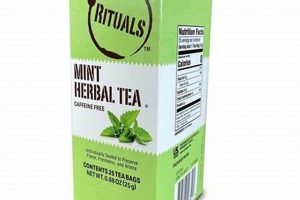
A typical sampler comprises a selection of individually packaged herbal infusions, each distinct in flavor profile and purported health benefits. The assortment often includes common varieties such as chamomile, peppermint, rooibos, and more specialized blends featuring ingredients like lavender, ginger, or hibiscus.
Question 2: How should one evaluate the quality of an herbal tea sampler?
Quality assessment involves examining the ingredient list for transparency and the presence of potential allergens. The origin and sourcing of the herbs, ethical labor practices, sustainability certifications, and packaging integrity are also key indicators of quality.
Question 3: What is the optimal method for storing an herbal tea sampler to preserve freshness?
To maintain optimal freshness, the sampler should be stored in a cool, dry, and dark location, away from direct sunlight and strong odors. Air-tight containers or resealable pouches are recommended to minimize exposure to moisture and oxygen.
Question 4: Are there potential side effects associated with consuming herbal tea infusions?
While generally considered safe, certain herbal infusions may interact with medications or exacerbate existing health conditions. Individuals with allergies or sensitivities to specific plants should carefully review the ingredient list before consumption. Consulting with a healthcare professional is advisable before incorporating new herbal infusions into one’s diet.
Question 5: What is the shelf life of a typical herbal tea sampler?
The shelf life of an herbal infusion sampler depends on the specific ingredients and packaging. However, most samplers retain optimal flavor and potency for approximately 12 to 18 months from the date of production, provided they are stored properly.
Question 6: How does the sourcing of herbs affect the quality of an herbal tea sampler?
The geographical origin, ethical labor practices, and sustainability of the sourcing directly influence the quality and value of the sampler. Herbs sourced from reputable regions using sustainable methods are more likely to exhibit superior flavor profiles and beneficial properties.
In summary, a comprehensive evaluation of an herbal infusion collection necessitates careful consideration of its composition, sourcing, storage, and potential health implications. Informed consumer choices contribute to a more satisfying and beneficial experience.
The subsequent section will explore common misconceptions associated with herbal infusions, providing clarity on their uses and limitations.
Conclusion
This exposition has elucidated the multifaceted nature of the curated herbal infusion collection, demonstrating its complexity beyond a simple beverage assortment. The discourse encompassed sourcing, quality, flavor diversity, potential benefits, and packaging considerations, highlighting their interconnected roles in determining overall value. A thorough understanding of these factors is essential for both consumers and vendors operating within this market.
The continued exploration and refinement of practices related to herbal infusion collections will undoubtedly shape their future trajectory. Consumers are encouraged to exercise discernment in their selections, prioritizing transparency and ethical sourcing. Vendors are urged to uphold rigorous quality standards and prioritize consumer education. The collective commitment to these principles will foster a more sustainable and beneficial market for herbal infusions.