



The duration that a brewed herbal infusion remains palatable and safe for consumption varies. Several factors contribute to its longevity, including storage conditions, the specific herbs used, and whether or not additives like milk or sweeteners are present. Generally, refrigeration can extend its usability beyond a few hours. Prepared infusions left at room temperature are susceptible to bacterial growth and degradation, impacting their flavor profile and potentially posing a health risk.
Understanding the shelf life of these beverages is important for both flavor preservation and ensuring food safety. Historically, herbal preparations were consumed soon after brewing due to a lack of effective preservation methods. Knowing how to properly store and assess the quality of these infusions allows individuals to enjoy their intended benefits, which range from relaxation to digestive support, without unnecessary risks. Using fresh, high-quality herbs also contributes to a better-tasting and longer-lasting product.
The subsequent sections will delve into the specific factors that influence an herbal infusion’s lifespan, offering practical guidelines for storage, signs of spoilage to look for, and recommendations for maximizing the quality and safety of these beverages.
Maximizing Freshness
Optimizing the enjoyment and safety of herbal infusions requires attention to proper handling and storage. The following guidelines outline best practices to extend the viable period of the brewed beverage.
Tip 1: Refrigerate Promptly: Immediately transfer any remaining brewed infusion to the refrigerator. This significantly slows bacterial growth and flavor degradation.
Tip 2: Use Airtight Containers: Store the infusion in a sealed container to minimize exposure to air and other contaminants. Glass or food-grade plastic containers are suitable options.
Tip 3: Limit Sweeteners and Additives: Avoid adding milk, honey, or other sweeteners until just before consumption. These additives can accelerate spoilage.
Tip 4: Focus on Freshness of Ingredients: When brewing, prioritize using high-quality, recently sourced herbs. Older herbs lose their potency and flavor and may introduce unwanted compounds.
Tip 5: Brew Only What is Needed: Preparing smaller batches reduces the likelihood of having leftovers that may spoil before they can be consumed. This minimizes waste and ensures optimal freshness.
Tip 6: Trust Your Senses: Before drinking, carefully examine the infusion for any signs of spoilage, such as an unusual odor, discoloration, or the presence of mold.
Tip 7: Note the Brewing Date: Labeling the container with the date of brewing will help track the duration of storage and prevent accidental consumption of expired infusions.
Adhering to these recommendations enhances the overall quality and safety of herbal infusions, allowing individuals to fully experience their intended properties.
The concluding section will summarize the key points discussed and offer a final perspective on enjoying herbal infusions responsibly.
1. Refrigeration extends usability

Refrigeration plays a pivotal role in extending the usability of brewed herbal infusions. Lowering the temperature significantly retards the growth of microorganisms that contribute to spoilage, thereby prolonging the period during which the beverage remains palatable and safe for consumption.
- Microbial Growth Inhibition
Refrigeration temperatures inhibit the proliferation of bacteria, yeasts, and molds that can rapidly degrade the quality of brewed herbal infusions. At room temperature, these microorganisms multiply exponentially, leading to spoilage within hours. Refrigeration slows this process, extending usability for several days.
- Slowing Chemical Reactions
Many chemical reactions that contribute to the degradation of flavor and aroma compounds in herbal infusions are temperature-dependent. Refrigeration reduces the rate of these reactions, preserving the desired characteristics of the beverage for a longer duration. For example, oxidation processes that can lead to stale flavors are significantly slowed.
- Preservation of Volatile Compounds
The volatile compounds responsible for the characteristic scents and flavors of many herbal infusions can dissipate rapidly at room temperature. Refrigeration helps to retain these compounds, contributing to a more aromatic and flavorful beverage even after a period of storage. This is particularly important for infusions made with herbs containing delicate essential oils.
- Delaying Enzymatic Activity
Enzymes present in herbal materials can continue to function even after brewing, leading to changes in the composition and flavor of the infusion. Refrigeration reduces the activity of these enzymes, preventing undesirable alterations and extending the shelf life of the beverage.
In summary, refrigeration acts as a crucial preservation method for brewed herbal infusions, extending their usability by inhibiting microbial growth, slowing chemical reactions, preserving volatile compounds, and delaying enzymatic activity. Adherence to prompt and consistent refrigeration practices significantly contributes to maintaining the quality and safety of these beverages.
2. Herbal type influences duration

The specific herbs utilized in an infusion directly impact its stability and the period for which it remains suitable for consumption. Variations in chemical composition, inherent antimicrobial properties, and susceptibility to degradation contribute to differential longevity among various herbal preparations.
- Essential Oil Content
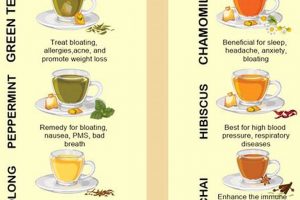
Herbs with higher concentrations of essential oils, such as peppermint or chamomile, may exhibit greater resistance to microbial growth and degradation. These oils often possess inherent antimicrobial properties, inhibiting the proliferation of bacteria and fungi that can lead to spoilage. Consequently, infusions made with these herbs may maintain their quality for a longer duration compared to those with lower essential oil content. However, the volatile nature of these oils also means that flavor can degrade more quickly if not properly stored.
- Polyphenol Concentration
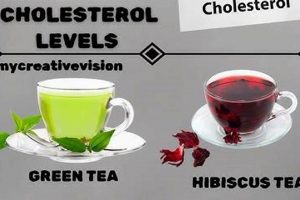
Herbs rich in polyphenols, such as green tea or hibiscus, exhibit antioxidant properties that can help protect against oxidation and degradation. Polyphenols can scavenge free radicals, preventing the breakdown of other compounds in the infusion and thereby extending its shelf life. These infusions may also exhibit color changes over time due to polyphenol oxidation, which, while aesthetically noticeable, does not necessarily indicate spoilage.
- Moisture Content of Herbs
The initial moisture content of the dried herbs used to prepare the infusion can also influence its longevity. Herbs with higher moisture content are more susceptible to microbial growth and may lead to faster spoilage of the infusion. Properly dried and stored herbs are crucial for maximizing the shelf life of the resulting beverage.
- Presence of Mucilage
Certain herbs, such as marshmallow root or slippery elm, contain mucilage, a viscous substance that can promote bacterial growth. Infusions prepared with these herbs tend to spoil more quickly due to the favorable environment created for microbial proliferation. Special attention to refrigeration and prompt consumption is necessary when preparing infusions containing mucilaginous herbs.
In summary, the inherent properties of the herbs used in an infusion, including their essential oil content, polyphenol concentration, moisture content, and presence of mucilage, directly influence its stability and the duration for which it remains suitable for consumption. Consideration of these factors is important when assessing the longevity of a specific herbal tea and implementing appropriate storage practices.
3. Additives accelerate spoilage

The addition of substances such as sugars, dairy products, and fruit juices to herbal infusions introduces components that significantly accelerate spoilage, thereby reducing the period for which the beverage remains suitable for consumption. This effect stems from the provision of readily available nutrients that foster microbial growth, altering the infusion’s chemical stability and sensory attributes.
Sugars, including honey and syrups, serve as a direct food source for bacteria and yeasts. The presence of these carbohydrates facilitates rapid proliferation, leading to fermentation and the production of undesirable byproducts that compromise the infusion’s flavor and aroma. Dairy products introduce proteins and fats, which also support microbial activity and can result in souring or curdling. Fruit juices, while adding flavor, contain sugars and acids that promote both microbial growth and enzymatic reactions, further hastening degradation. For example, an herbal infusion stored plain might remain palatable for 48 hours under refrigeration. Introduction of milk, however, might reduce this period to 24 hours or less. Similarly, added sugar facilitates the growth of molds and yeasts, easily discernible on the surface of an infusion, marking it unsuitable for consumption.
Consequently, understanding the role of additives in accelerating spoilage is essential for maximizing the usability and safety of herbal infusions. To mitigate this effect, it is advisable to add such components immediately prior to consumption rather than introducing them during the brewing or storage process. This minimizes the time available for microbial proliferation and preserves the infusion’s quality for a more extended period. Moreover, it is imperative to store any residual infusion with additives under refrigeration and carefully examine it for signs of spoilage before subsequent consumption.
4. Storage affects freshness

The duration for which an herbal infusion remains palatable and safe is directly contingent upon storage methods. The environment in which a brewed infusion is maintained dictates the rate of degradation processes, influencing its flavor profile, aroma, and susceptibility to microbial contamination. Inadequate storage conditions accelerate these processes, shortening the period for which the infusion is considered suitable for consumption. Conversely, appropriate storage techniques preserve freshness, thereby extending its usability. The connection between storage practices and the overall lifespan of herbal tea is, therefore, one of cause and effect.
Consider, for example, two identical batches of chamomile tea. One batch is left at room temperature in an open container, exposed to light and air. The other is promptly refrigerated in a sealed, opaque vessel. The former will exhibit signs of spoilage, such as a sour taste and a musty odor, within a matter of hours due to bacterial proliferation and oxidation of volatile compounds. The latter, protected from these degrading factors, may remain palatable for several days. This example illustrates the practical significance of proper storage: it directly translates to an extended period of enjoyment and minimizes the risk of consuming a compromised product. Furthermore, understanding the impact of storage is critical for preventing unnecessary waste and maximizing the economic value of herbal tea preparation.
In conclusion, storage significantly affects the freshness of herbal infusions, directly impacting the period during which they remain suitable for consumption. The challenge lies in consistently implementing storage practices that minimize exposure to factors promoting degradation, such as heat, light, air, and microbial contaminants. Proper refrigeration and airtight containers are essential components of a strategy aimed at preserving the quality and extending the usable life of prepared herbal teas.
5. Spoilage signs indicate expiration

The relationship between detectable spoilage and the consumable period of herbal infusions is a definitive indicator of its suitability for consumption. The presence of specific sensory cues denotes that degradation processes have progressed beyond an acceptable threshold, rendering the infusion unsafe or unpalatable, thereby signaling the expiration of its usability. The observation of these spoilage signs effectively establishes the boundary of “how long is herbal tea good for.” The specific temporal value shifts depending on factors discussed previously, but these observable markers offer direct insight into safety. The absence of such signs, conversely, implies that the infusion remains within its acceptable lifespan.
Examples of spoilage signs include a noticeable sour or off odor, an unusual or altered taste, the formation of visible mold or sediment, and a change in color or clarity. For instance, if a previously clear chamomile infusion develops a cloudy appearance and a distinct sour smell after a few days of refrigeration, these are clear indications that the beverage has expired, regardless of any preconceived notions about “how long is herbal tea good for.” Similarly, the presence of mold growth on the surface of any herbal infusion definitively signals spoilage and unsuitability for consumption. Ignoring these observable indications presents a potential risk to health, as spoiled infusions can harbor harmful microorganisms.
Recognizing and heeding spoilage signs is, therefore, a critical component of responsible herbal tea consumption. While guidelines for storage and average lifespan provide helpful benchmarks, sensory evaluation serves as the ultimate determinant of safety. Individuals should consistently examine their herbal infusions for any indication of degradation prior to consumption, ensuring adherence to the implicit temporal boundary defined by the absence of spoilage. This practice minimizes the risk of consuming compromised beverages and ensures a safe and enjoyable experience.
Frequently Asked Questions
This section addresses common inquiries regarding the storage and shelf life of herbal infusions, providing clarity on factors influencing their usability and safety.
Question 1: How long does a brewed herbal infusion typically remain safe for consumption when refrigerated?
Refrigerated herbal infusions generally maintain palatability and safety for approximately 24-48 hours. However, this duration is contingent upon the specific herbs used, the presence of additives, and storage conditions. Careful sensory evaluation is recommended prior to consumption, regardless of the elapsed time.
Question 2: What are the primary signs of spoilage in an herbal infusion?
Indications of spoilage encompass a sour or off odor, an altered or unpleasant taste, the presence of visible mold or sediment, and a change in the color or clarity of the liquid. The appearance of any of these signs necessitates discarding the infusion.
Question 3: Does the type of herb used in an infusion affect its shelf life?
Yes. Herbs with inherent antimicrobial properties, such as peppermint or chamomile, may exhibit longer usability compared to those with higher moisture content or those prone to mucilage formation. The biochemical composition of the herbs directly influences the rate of degradation.
Question 4: How do additives, such as milk or honey, impact the shelf life of an herbal infusion?
Additives generally decrease the shelf life of herbal infusions. These substances provide nutrients that promote microbial growth, leading to accelerated spoilage. It is advisable to add milk, honey, or other sweeteners immediately before consumption rather than during storage.
Question 5: Is it safe to consume an herbal infusion that has been left at room temperature overnight?
Consumption of an herbal infusion left at room temperature for an extended period, such as overnight, is not recommended. The elevated temperature fosters rapid bacterial growth, increasing the risk of foodborne illness. Discard such infusions to avoid potential health risks.
Question 6: Can freezing herbal infusions extend their shelf life?
Freezing can extend the shelf life of herbal infusions; however, it may also affect the flavor and texture upon thawing. While freezing may inhibit microbial growth, it does not necessarily prevent the degradation of certain flavor compounds. Consider freezing in small portions for optimal use.
In summary, while general guidelines exist regarding herbal infusion longevity, careful sensory evaluation and adherence to proper storage practices are paramount in ensuring both safety and palatability.
The subsequent section provides concluding remarks on the responsible enjoyment of herbal infusions.
Determining Herbal Infusion Usability
The exploration of “how long is herbal tea good for” reveals a complex interplay of factors governing its consumable lifespan. Storage conditions, the specific herbs employed, and the presence of additives demonstrably influence the rate of degradation. While general guidelines offer a framework, consistent sensory assessment remains paramount in discerning an infusion’s suitability for consumption. The duration represents a variable, subject to environmental and compositional influences, rather than a fixed parameter.
Prudent practices dictate meticulous attention to storage protocols and careful examination for any indication of spoilage prior to ingestion. The responsibility for ensuring the safety and quality of herbal infusions rests ultimately with the consumer, demanding informed decision-making and a discerning approach to preparation and storage. The judicious application of this knowledge promotes both a safe and enjoyable experience.
![The BEST Herbal Chai Tea Recipe [Easy Guide + Tips] | The Ultimate Herbal Remedies Guide: Natural Healing for a Healthier Life](https://umangherbals.com/wp-content/uploads/2026/04/th-137-300x200.jpg "The BEST Herbal Chai Tea Recipe [Easy Guide + Tips] The Ultimate Herbal Remedies Guide: Natural Healing for a Healthier Life")