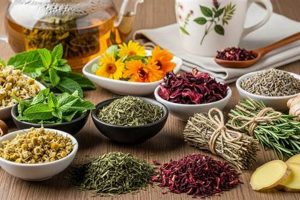
Infusions crafted from select herbs, spices, and botanicals, often characterized by superior quality ingredients and meticulous processing, represent a specialized segment of the beverage market. These specialized blends offer a diverse array of flavors and potential wellness properties. An example includes blends using organically cultivated chamomile flowers or rare, ethically sourced tulsi leaves.
The consumption of these botanical infusions has gained prominence due to a growing consumer interest in natural health solutions and flavorful alternatives to traditional caffeinated beverages. Historical records suggest that various cultures have utilized herbal remedies and infusions for centuries, recognizing their potential therapeutic effects and culinary applications. This heritage contributes to the continued popularity and perceived value of such products.
The subsequent discussion will delve into the sourcing and processing techniques employed in creating such infusions, explore the purported health benefits associated with specific ingredients, and examine the factors influencing consumer preferences within this discerning market.
Optimizing the Experience with High-Quality Herbal Infusions
The following guidelines are designed to maximize the enjoyment and potential benefits derived from consumption of carefully curated botanical blends.
Tip 1: Prioritize Ingredient Transparency: Scrutinize product labels for detailed information regarding the origin and processing methods of constituent herbs. Certified organic or fair-trade certifications often indicate a commitment to sustainable and ethical sourcing practices.
Tip 2: Adhere to Optimal Brewing Parameters: Consult packaging instructions for recommended water temperature and steeping duration. Over-extraction can result in a bitter taste, while insufficient steeping may yield a weak and underdeveloped flavor profile. For example, delicate floral infusions benefit from lower temperatures and shorter steeping times.
Tip 3: Utilize Filtered Water: The quality of the water significantly impacts the final taste of the infusion. Filtered water, free from chlorine and other impurities, allows the subtle nuances of the herbal blend to shine through.
Tip 4: Employ Appropriate Brewing Vessels: Opt for non-reactive materials such as glass, ceramic, or stainless steel infusers to prevent unwanted flavor alterations. Avoid plastic or aluminum vessels, which may leach undesirable compounds into the beverage.
Tip 5: Store Properly to Preserve Freshness: Protect the integrity of the blend by storing it in an airtight container away from direct sunlight, heat, and moisture. Proper storage extends shelf life and preserves the volatile aromatic compounds responsible for the tea’s characteristic scent and flavor.
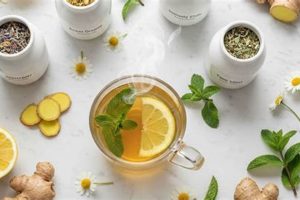
Tip 6: Experiment with Flavor Pairings: Enhance the sensory experience by exploring complementary flavor combinations. For instance, a calming chamomile infusion may be complemented by a touch of raw honey or a slice of lemon.
Tip 7: Consider Specific Health Goals: Select blends formulated with ingredients known to support specific wellness objectives. Research the purported benefits of individual herbs to make informed choices aligned with individual needs and preferences.
By adhering to these recommendations, consumers can elevate their experience and fully appreciate the complex flavors and potential health advantages associated with specialized botanical infusions.
The subsequent sections will explore the market landscape, regulatory considerations, and future trends shaping this burgeoning industry.
1. Superior Ingredients

The quality of raw materials is paramount in defining a botanical infusion as “premium.” The inherent characteristics of the herbs, spices, and botanicals directly influence the flavor profile, aromatic intensity, and potential therapeutic benefits of the final product. Compromising on ingredient quality invariably diminishes the overall experience and perceived value.
- Cultivation Practices and Origin
The method and location of cultivation profoundly affect the chemical composition of the plants. Organically grown herbs, free from synthetic pesticides and fertilizers, are often preferred for their purer flavor and reduced risk of contamination. Specific geographic regions may be known for producing particular herbs with unique characteristics due to soil composition, climate, and altitude. For example, Darjeeling tea is prized for the unique climate conditions that cultivate its flavor.
- Harvesting and Processing Methods
The timing and technique of harvesting influence the concentration of desirable compounds within the plant material. Hand-picking certain flowers or leaves at their peak maturity ensures optimal flavor and potency. Gentle drying and processing methods, such as air-drying in controlled environments, preserve delicate volatile oils and prevent degradation of essential components. Poor processing can introduce undesirable flavors or reduce the bioavailability of beneficial compounds.
- Purity and Absence of Contaminants
A premium designation necessitates rigorous quality control measures to ensure the absence of contaminants such as heavy metals, pesticides, molds, and bacteria. Comprehensive testing and certification are essential to guarantee product safety and adherence to regulatory standards. Contaminated ingredients not only pose a health risk but also compromise the taste and aroma of the infusion.
- Variety and Selectivity
The specific variety or cultivar of an herb can significantly impact its flavor and therapeutic properties. Discriminating producers often select specific varieties known for their superior taste, aroma, or concentration of bioactive compounds. Furthermore, selective harvesting focuses on utilizing only the highest-quality portions of the plant, such as the most aromatic flower petals or the youngest leaves.
In conclusion, the selection of ingredients is fundamental to realizing the full potential of a botanical infusion. Adherence to rigorous standards regarding cultivation, harvesting, processing, purity, and variety ensures a final product that embodies exceptional quality and delivers a truly premium experience. Each of these elements directly contributes to the sensory qualities and potential health benefits associated with high-value botanical beverages.
2. Careful Processing

Careful processing is integral to transforming raw botanical ingredients into high-value infusions. The methods employed after harvesting directly influence the flavor, aroma, potency, and overall quality of the final product. Suboptimal processing techniques can degrade delicate compounds, introduce contaminants, and ultimately diminish the sensory and therapeutic attributes of the infusion.
- Controlled Drying Techniques
The drying process is critical for preserving the integrity of harvested herbs. Slow, controlled drying methods, such as air-drying in shaded environments, minimize the loss of volatile oils and prevent enzymatic degradation. Rapid or excessive heat can scorch the herbs, resulting in a bitter or burnt flavor and reducing the concentration of beneficial compounds. Freeze-drying, although more expensive, offers superior preservation of flavor and aroma by removing moisture at low temperatures. Accurate control in the drying environment is very important in order to ensure the high quality of drying process and to achieve its goal.
- Precise Milling and Blending
The particle size of the herbs influences the rate of extraction during brewing. Uniform milling ensures consistent flavor release and prevents the formation of fine particles that can cloud the infusion. Careful blending of different herbs requires a deep understanding of their individual characteristics and synergistic interactions. Skilled blenders can create complex flavor profiles and optimize the overall therapeutic effect of the infusion. Proper blending can ensure uniform composition to provide consistent flavor and benefits from batch to batch.
- Gentle Extraction and Concentration (if applicable)
Some premium infusions incorporate concentrated herbal extracts to enhance potency or modify flavor profiles. Gentle extraction methods, such as maceration or cold infusion, minimize the degradation of sensitive compounds. The use of harsh solvents or excessive heat during extraction can compromise the purity and quality of the extract. Concentration techniques, such as vacuum evaporation, are preferred for preserving the delicate flavor and aroma of the original herbs. Care should be taken to handle herbs and extracts in a low-oxygen environment to maintain the integrity of the flavors and benefits.
- Stringent Quality Control Measures
Throughout the processing chain, rigorous quality control measures are essential to ensure product safety and consistency. These measures include regular testing for contaminants, adherence to Good Manufacturing Practices (GMP), and sensory evaluations to assess flavor, aroma, and appearance. Traceability systems allow producers to track each batch of tea back to its origin, ensuring accountability and transparency. All of the process from ingredient selection to production of herbal teas needs to be recorded to ensure the quality of herbal teas.
In summary, careful processing is not merely a perfunctory step, but rather a crucial determinant of the quality and value of a botanical infusion. By employing meticulous techniques and adhering to stringent quality control measures, producers can transform raw herbs into exceptional products that deliver a truly premium experience. These efforts distinguish infusions from mass-produced alternatives and justify the higher price point associated with carefully crafted botanical beverages.
3. Flavor Complexity

Flavor complexity, a defining attribute of premium herbal infusions, arises from the intricate interplay of aromatic compounds, taste elements, and textural nuances. This complexity distinguishes high-quality infusions from simpler, more commonplace beverages, reflecting a sophisticated balance of sensory experiences.
- Multiple Botanical Components
The inclusion of diverse botanical ingredients contributes significantly to flavor layering. A single infusion may incorporate floral notes from chamomile, spicy undertones from ginger, and earthy base notes from rooibos. This layering creates a multi-dimensional flavor profile that evolves on the palate over time. Such compositions require careful blending to ensure harmonious interaction among the various elements. For example, a complex blend might pair the sweetness of licorice root with the sharpness of peppermint and the subtly bitter notes of dandelion root.
- Impact of Terroir and Varietal Differences
Similar to fine wines, the terroir, or environmental conditions in which herbs are grown, can significantly influence their flavor profiles. The soil composition, climate, and altitude contribute to the unique characteristics of each plant. Furthermore, different varietals of the same herb can exhibit distinct flavor nuances. Premium herbal tea producers often seek out herbs from specific regions or cultivate particular varietals to achieve desired flavor complexities. Lavender grown in Provence, France, for example, is often considered superior in its aromatic intensity compared to lavender from other regions.
- Development Through Processing Techniques
The processing methods employed after harvesting can further enhance flavor complexity. Controlled fermentation, roasting, or aging can alter the chemical composition of the herbs, creating new flavor compounds and modifying existing ones. For instance, roasted dandelion root develops a richer, more caramel-like flavor compared to its unroasted counterpart. The careful application of these techniques requires expertise and precision to achieve the desired flavor outcome without compromising quality. Traditional Chinese herbal tea processing, for example, often involves intricate steps like withering, rolling, and oxidation to manipulate flavor development.
- Balance and Harmony of Flavors
True flavor complexity is not merely the presence of numerous flavors, but rather their harmonious integration. A premium herbal tea exhibits a balanced profile, where no single flavor overpowers the others. The different elements complement each other, creating a cohesive and enjoyable sensory experience. Achieving this balance requires a skilled blender who understands the interactions between different herbs and can adjust the proportions accordingly. For example, the addition of a small amount of sweet orange peel can balance the bitterness of certain herbs and create a more rounded flavor profile.
These facets of flavor complexity, stemming from diverse ingredients, regional variations, processing intricacies, and the quest for harmonious balance, are vital indicators of the quality. These qualities ultimately result in a sophisticated and deeply satisfying experience that defines the essence of premium herbal infusions.
4. Aromatic Profile

The aromatic profile constitutes a critical sensory attribute that significantly influences the perceived quality and consumer appreciation of infusions. The volatile organic compounds released from the herbs, spices, and botanicals contribute to the distinctive olfactory experience that defines a premium botanical beverage.
- Volatile Organic Compounds (VOCs)
VOCs, such as terpenes, esters, and aldehydes, are responsible for the diverse range of aromas exhibited by botanicals. The specific composition and concentration of these compounds vary depending on the plant species, growing conditions, and processing methods. For example, chamomile releases bisabolol and chamazulene, known for their calming and floral aromas, while peppermint contains menthol, which provides a refreshing and cooling scent. A high-quality botanical infusion exhibits a complex and nuanced aromatic profile resulting from the interplay of multiple VOCs. The VOC’s composition in infusions are important attributes to consider.
- Impact of Harvesting and Drying
The timing of harvest and the drying techniques employed significantly affect the retention and transformation of VOCs. Harvesting herbs at their peak aromatic maturity maximizes the concentration of desired compounds. Slow, controlled drying methods, such as air-drying or freeze-drying, minimize the loss of volatile oils and prevent the degradation of delicate aromas. Improper drying techniques, such as exposure to high heat or direct sunlight, can result in the evaporation or oxidation of VOCs, diminishing the aromatic intensity and altering the overall profile. VOC’s must be preserved during harvesting and drying.
- Influence of Brewing Parameters
The brewing process profoundly influences the release and perception of aromatic compounds. Water temperature, steeping time, and brewing vessel material all impact the extraction of VOCs from the herbs. Higher water temperatures generally increase the rate of extraction but can also lead to the release of undesirable bitter compounds. Optimal steeping times vary depending on the specific herbs and desired aromatic intensity. Certain materials, such as plastic or aluminum, can interact with VOCs, altering the aroma of the infusion. Different parameters yield different results.
- Sensory Evaluation and Consumer Perception
Sensory evaluation plays a crucial role in assessing the quality of an aromatic profile. Trained sensory panels can identify and quantify the different aromatic notes present in an infusion, providing valuable information for quality control and product development. Consumer preferences for specific aromatic profiles vary depending on cultural background, personal experiences, and desired emotional associations. A premium botanical beverage typically exhibits a well-balanced and harmonious aromatic profile that appeals to a broad range of consumers. Consumer’s perception is important factor.
These elements collectively underscore the critical role of the aromatic profile in defining the sensory experience and perceived value of premium herbal infusions. The meticulous management of VOCs throughout the entire production chain, from cultivation to brewing, is essential for creating beverages that delight the senses and meet the expectations of discerning consumers.
5. Wellness Benefits

The association between select botanical infusions and purported wellness benefits constitutes a significant driver of consumer demand within the premium herbal tea market. This connection hinges on the presence of bioactive compounds within specific herbs, believed to exert physiological effects on the human body. The premium designation, in this context, implies not only superior flavor and aroma but also a heightened concentration or bioavailability of these potentially beneficial constituents. For example, a high-quality chamomile infusion, crafted from carefully selected flower heads, may contain a higher concentration of apigenin, a flavonoid associated with calming and sleep-promoting properties, compared to mass-produced alternatives. Similarly, a blend incorporating organically grown ginger may exhibit a greater abundance of gingerol, a compound known for its anti-inflammatory and digestive support capabilities.
The realization of these potential wellness benefits is contingent upon several factors, including the quality and sourcing of ingredients, the processing methods employed, and the individual’s physiological response. Furthermore, while traditional medicine systems often ascribe therapeutic properties to various herbs, rigorous scientific validation of these claims remains an ongoing endeavor. Despite these caveats, the perception of potential health advantages continues to fuel the popularity of premium botanical beverages. Consumers often seek out specific infusions for their purported ability to support relaxation, promote digestive health, boost immunity, or provide antioxidant protection. For instance, infusions containing adaptogenic herbs, such as ashwagandha or rhodiola, are increasingly consumed to help the body cope with stress and enhance overall well-being. The practical significance of understanding this connection lies in enabling consumers to make informed choices aligned with their individual health goals and preferences.
In summary, the link between wellness benefits and premium herbal tea rests on the premise that high-quality botanical ingredients, carefully processed, can deliver enhanced concentrations of bioactive compounds with potential physiological effects. While scientific substantiation of all purported benefits requires further investigation, the consumer perception of health advantages remains a potent force shaping the market for these specialized beverages. Challenges remain in standardizing quality control and providing transparent, evidence-based information to consumers. Future developments may involve enhanced analytical techniques for quantifying bioactive compounds and rigorous clinical trials to validate the efficacy of specific herbal formulations, thus fostering greater trust and informed decision-making within this sector.
6. Ethical Sourcing

Ethical sourcing is increasingly integral to the perception and valuation of botanical infusions, particularly within the premium market segment. Consumers are demonstrating heightened awareness of the social and environmental impact associated with the production and distribution of these beverages, thereby elevating the importance of responsible sourcing practices.
- Fair Labor Practices
Ensuring fair wages, safe working conditions, and the absence of child labor within tea plantations and harvesting operations represents a fundamental aspect of ethical sourcing. Verification through independent audits and certifications, such as Fair Trade, provides assurance that producers adhere to internationally recognized labor standards. Compliance with such standards safeguards the well-being of workers and contributes to the sustainability of tea-growing communities.
- Environmental Sustainability
The adoption of sustainable agricultural practices, including organic farming, reduced pesticide use, and water conservation, minimizes the environmental footprint associated with botanical cultivation. Protecting biodiversity and preventing deforestation are crucial for maintaining the ecological integrity of tea-producing regions. Sustainable land management practices also contribute to the long-term viability of tea production, ensuring a stable supply of high-quality raw materials.
- Community Empowerment
Ethical sourcing extends beyond fair labor practices and environmental stewardship to encompass community empowerment initiatives. Supporting local communities through infrastructure development, education programs, and healthcare access fosters economic resilience and improves the quality of life for tea-growing families. Direct trade relationships, bypassing intermediaries, can enable producers to receive a greater share of the revenue generated from their products, promoting economic independence and sustainable development.
- Transparency and Traceability
Transparency throughout the supply chain is essential for verifying ethical sourcing claims. Traceability systems, utilizing technologies such as blockchain, allow consumers to track the origin of their tea and verify adherence to ethical and environmental standards. Open communication and collaboration between producers, suppliers, and consumers foster trust and accountability, promoting responsible sourcing practices across the industry.
The convergence of fair labor practices, environmental sustainability, community empowerment, and supply chain transparency defines the essence of ethical sourcing within the premium botanical infusion market. These principles not only align with evolving consumer values but also contribute to the long-term viability and integrity of the industry. As consumer awareness continues to grow, ethical sourcing will likely become an increasingly critical differentiator, shaping purchasing decisions and driving demand for responsibly produced botanical beverages.
Frequently Asked Questions About Premium Herbal Tea
This section addresses common inquiries regarding high-quality botanical infusions, clarifying key aspects and dispelling potential misconceptions.
Question 1: What distinguishes a “premium” herbal infusion from a standard herbal tea?
The designation “premium” indicates the use of superior-quality ingredients, meticulous processing techniques, and rigorous quality control measures. Factors such as ingredient origin, cultivation practices, harvesting methods, and purity standards contribute to the elevated status.
Question 2: Are the purported health benefits of botanical infusions scientifically validated?
While traditional medicine systems often ascribe therapeutic properties to various herbs, scientific validation of these claims is an ongoing process. Some studies support the potential health benefits of specific ingredients, while others require further investigation. Consult with a healthcare professional for personalized advice.
Question 3: How should premium herbal infusions be stored to maintain freshness?
Proper storage is crucial for preserving flavor and aroma. Botanical infusions should be stored in airtight containers, away from direct sunlight, heat, and moisture. Refrigeration is generally not recommended, as it can introduce moisture and alter the flavor profile.
Question 4: What factors influence the flavor profile of a botanical infusion?
The flavor profile is influenced by a multitude of factors, including the specific herbs used, their origin and growing conditions, processing methods, and brewing parameters. Skilled blenders carefully combine different ingredients to achieve a balanced and harmonious flavor experience.
Question 5: What is the significance of ethical sourcing in the context of botanical infusions?
Ethical sourcing encompasses fair labor practices, environmental sustainability, and community empowerment. Consumers are increasingly seeking products that are produced responsibly, minimizing their social and environmental impact. Certifications such as Fair Trade provide assurance of ethical sourcing practices.
Question 6: How does water quality impact the taste of a botanical infusion?
Water quality significantly influences the taste of an infusion. Filtered water, free from chlorine and other impurities, allows the subtle nuances of the herbal blend to be fully appreciated. Hard water can also negatively affect flavor and extraction.
In summary, premium herbal infusions are defined by superior quality, careful processing, and responsible sourcing. Understanding these aspects enables consumers to make informed choices and fully appreciate the unique qualities of these specialized beverages.
The subsequent sections will examine the market dynamics and consumer trends shaping the future of the premium herbal tea industry.
Conclusion
This exploration has illuminated the multifaceted nature of “premium herbal tea,” emphasizing the convergence of superior ingredients, meticulous processing, intricate flavor profiles, and ethical sourcing practices. The discussion has highlighted the critical role of each element in defining the sensory experience, potential wellness benefits, and overall value proposition of this specialized beverage category.
The continued growth and evolution of the market depend on sustained commitment to quality, transparency, and responsible practices. Stakeholders must prioritize ingredient integrity, rigorous quality control, and verifiable ethical standards to ensure the long-term viability and consumer trust associated with “premium herbal tea.” Further research into the bioactive compounds and potential therapeutic effects of various herbal formulations will also contribute to greater consumer understanding and informed decision-making.