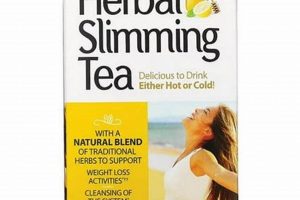
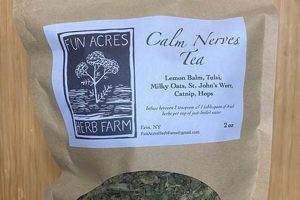
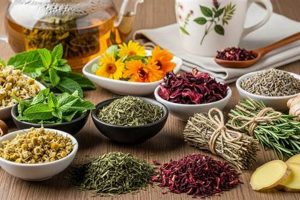
Infusions prepared from various herbs, often marketed for their purported ability to aid the body’s natural elimination processes, represent a growing segment of the beverage market. These products frequently contain ingredients like dandelion, ginger, and milk thistle, chosen for their traditional use in supporting liver and kidney function. A common example involves a blend of burdock root and red clover blossoms, consumed as a warm beverage, aiming to promote skin clarity and overall well-being.
The appeal of these herbal preparations lies in their association with holistic wellness and the perceived support they offer to inherent bodily systems. Historically, many cultures have employed specific plants to encourage healthy digestive function and the removal of metabolic byproducts. The current emphasis on mindful consumption and natural remedies has further fueled the demand. Benefits are often linked to antioxidant properties and the potential to support natural processes.
Subsequent sections will delve into the specific herbal components commonly found in these beverages, examine the scientific evidence supporting their effects, and address crucial considerations regarding appropriate usage and potential interactions with medications.
Guidance on the Consumption of Herbal Blends
The following points offer instruction regarding the informed and responsible selection and consumption of plant-based infusions marketed for their potential influence on physiological function.
Tip 1: Research Ingredients. Thoroughly investigate the herbs included in a product. Understand their traditional uses, potential effects, and any documented contraindications.
Tip 2: Consult a Healthcare Professional. Prior to incorporating novel herbal products, particularly during pregnancy, lactation, or when managing pre-existing health conditions, seek advice from a qualified medical practitioner.
Tip 3: Start Slowly. Begin with a small serving size to assess individual tolerance and monitor for any adverse reactions.
Tip 4: Observe Hydration. While some ingredients may possess diuretic properties, maintain adequate water intake throughout the day.
Tip 5: Be Aware of Interactions. Certain herbs can interfere with the efficacy of prescription medications. Meticulously review potential interactions with a pharmacist or physician.
Tip 6: Purchase Reputable Brands. Select products from manufacturers known for their adherence to quality control standards and transparent sourcing practices.
Tip 7: Adhere to Recommended Dosage. Exceeding the suggested serving size does not necessarily amplify benefits and may increase the risk of undesirable side effects.
Tip 8: Recognize Limitations. Plant-based preparations should be considered supplementary to a balanced diet and healthy lifestyle, rather than a singular solution.
Responsible and informed consumption is paramount when considering incorporating specialized herbal preparations into a routine. By prioritizing research, professional consultation, and measured integration, individuals can better evaluate the potential suitability and efficacy.
The subsequent discussion will provide detailed information on potential risks associated with the misuse of such herbal preparations.
1. Herb Identification

Herb identification constitutes a critical juncture in the production and consumption of plant-based infusions. Accurate identification directly influences both efficacy and safety, particularly when products are marketed for specific physiological effects.
- Taxonomic Verification
Botanical nomenclature provides a standardized framework for identifying plant species. Correct identification, often relying on morphological characteristics and, increasingly, DNA barcoding, prevents substitution with related but pharmacologically distinct or potentially harmful species. For example, mistaking foxglove (Digitalis purpurea) for comfrey (Symphytum officinale) could introduce cardiac glycosides, leading to severe health consequences.
- Chemotypic Variation
Within a single species, variations in environmental factors and genetic lineages can result in distinct chemotypes, which exhibit different concentrations of bioactive compounds. Identification at the chemotype level allows for predicting the pharmacological activity and potential toxicity of an herbal preparation. For instance, peppermint (Mentha piperita) can contain varying ratios of menthol and menthone, influencing its suitability for different purposes.
- Adulteration Detection
Economic incentives can drive the adulteration of herbal products with cheaper or more readily available plant materials. Microscopic analysis, chemical fingerprinting, and DNA testing are utilized to detect the presence of undeclared ingredients. Contamination with heavy metals, pesticides, or mycotoxins represents a further risk detectable through analytical testing.
- Impact on Therapeutic Outcomes
The intended therapeutic effect of plant-based infusions depends on the presence and concentration of specific bioactive compounds. Accurate herb identification, coupled with quantification of key constituents, is vital for achieving predictable and reproducible therapeutic outcomes. Lack of precise identification jeopardizes intended health benefits and introduces unpredictable physiological impacts.
The intricacies of herb identification extend beyond basic species recognition. Accurate taxonomic classification, awareness of chemotypic variation, diligent adulteration detection, and careful quantification of bioactive compounds are crucial for ensuring the safety, efficacy, and ultimately, the value of plant-based preparations.
2. Physiological Effects

The purported benefits of herbal infusions often center on their intended influence on physiological processes. This includes the assertion that certain botanical compounds can modulate detoxification pathways, thereby promoting the elimination of metabolic waste products. The ingestion of these infusions is believed to initiate a cascade of biological responses, theoretically affecting liver function, kidney filtration, and intestinal motility. An example might involve a tea containing dandelion root, traditionally used to stimulate bile production, which in turn facilitates the breakdown and excretion of fats and related toxins via the digestive system. However, the direct cause-and-effect relationship between such preparations and demonstrable alterations in human physiology is often subject to debate within the scientific community. The understanding of these effects is critical to establish if the preparations have a therapeutic value or just a placebo effect.
Considerable variability exists in individual responses to these preparations. Factors such as genetics, pre-existing health conditions, concurrent medications, and lifestyle choices can significantly modulate the physiological impact of herbal infusions. Some individuals may experience mild diuretic effects, while others may report changes in bowel regularity. However, rigorous clinical trials are often lacking to substantiate these anecdotal observations. Furthermore, the synergistic or antagonistic interactions among the various compounds present in complex herbal mixtures introduce additional complexities to the assessment of their overall physiological effects. These factors underscore the necessity for caution and informed decision-making when considering the utilization of these beverages.
In summary, the potential influence of herbal infusions on physiological processes requires careful evaluation. While traditional use and anecdotal reports suggest certain benefits, robust scientific evidence is often limited. The individual variability in response and the potential for complex interactions necessitate a cautious approach. Further research is essential to fully elucidate the physiological mechanisms involved and to establish clear guidelines for safe and effective utilization. This understanding is crucial to differentiating between genuine therapeutic effects and unsubstantiated claims, ensuring responsible and informed consumption practices.
3. Preparation Methods

The process by which plant material is prepared for infusion significantly influences the extraction of bioactive compounds and, consequently, the potential physiological effects of beverages marketed as “detoxifying herbal teas.” Variances in technique can alter the concentration and composition of the final product, impacting its intended or unintended consequences.
- Water Temperature and Steeping Time
Water temperature affects the solubility of different constituents. Higher temperatures may extract a broader range of compounds, including potentially irritating or bitter components, while lower temperatures may result in incomplete extraction. Similarly, steeping time determines the extent to which these compounds are released. Prolonged steeping can lead to higher concentrations of both beneficial and potentially harmful substances. The optimal temperature and duration are herb-specific and require careful consideration.
- Herb Particle Size
The degree of comminution of the plant material influences the surface area available for extraction. Finely ground herbs generally yield a faster and more complete extraction compared to coarsely cut or whole herbs. However, excessively fine powders can result in a cloudy infusion with increased sediment, potentially altering the sensory experience and contributing to the ingestion of unwanted particulate matter. Controlling the particle size is crucial for consistency and predictability.
- Water Quality
The mineral content and pH of the water used for infusion can affect the solubility and stability of certain herbal constituents. Hard water, with high mineral concentrations, may interact with specific compounds, reducing their bioavailability or altering their chemical structure. Similarly, acidic or alkaline water can influence the rate of extraction and the overall composition of the infusion. Using filtered or purified water can provide a more consistent and predictable extraction process.
- Container Material
The material of the container used for steeping can influence the interaction between the plant material and the solvent. Certain materials may absorb or leach compounds, altering the composition of the infusion. Reactive metals can catalyze degradation reactions or introduce unwanted contaminants. Inert materials, such as glass or food-grade stainless steel, are generally preferred to minimize such interactions and ensure the integrity of the final product.
These factors, when carefully controlled, can optimize the extraction of beneficial compounds from plant materials used in “detoxifying herbal teas.” Understanding and standardizing these preparation methods can contribute to greater consistency, safety, and predictability in the consumption of these beverages.
4. Potential Interactions

The ingestion of “detoxifying herbal teas” necessitates a thorough consideration of potential interactions, both with pharmaceutical agents and other herbal remedies. These interactions arise from the bioactive compounds present in the herbal constituents, which can influence drug metabolism, absorption, and excretion. For instance, St. John’s Wort, frequently found in certain formulations, is a known inducer of cytochrome P450 enzymes, potentially accelerating the metabolism and reducing the efficacy of numerous medications, including oral contraceptives and immunosuppressants. Similarly, grapefruit juice, a common ingredient or accompaniment, inhibits CYP3A4, leading to increased drug concentrations and a heightened risk of adverse effects.
The impact of potential interactions extends beyond pharmaceuticals to include interactions with other herbal supplements. Combining multiple herbal remedies, each with its own set of bioactive compounds, can result in synergistic or antagonistic effects that are difficult to predict. For example, co-administration of valerian root, a common sleep aid, with kava, another anxiolytic herb, could potentiate sedative effects, leading to excessive drowsiness or impaired cognitive function. The absence of standardized dosing and quality control in the herbal supplement industry further exacerbates the risk of unpredictable interactions. Therefore, detailed knowledge of the components in these teas and any other ingested compounds are paramount.
In summary, the potential for interactions represents a significant concern associated with “detoxifying herbal teas.” These interactions can compromise the efficacy of prescription medications, potentiate adverse effects, and introduce unpredictable consequences. Individuals considering the use of such products are advised to disclose all medications and supplements to their healthcare providers. Vigilance and informed decision-making are vital in minimizing the risk of untoward interactions and ensuring the safe use of these herbal preparations. The following section addresses the regulatory landscape governing these products and the implications for consumer safety.
5. Regulation Standards

Regulation standards governing the production and sale of “detoxifying herbal teas” are of paramount importance, dictating the quality, safety, and labeling accuracy of these products. Their absence or inadequate enforcement introduces significant risks for consumers.
- Quality Control and Manufacturing Practices
Stringent manufacturing practices are necessary to ensure the purity and consistency of herbal tea products. These standards address issues such as raw material sourcing, facility hygiene, and contamination prevention. For example, the implementation of Good Manufacturing Practices (GMP) guidelines can minimize the risk of adulteration with heavy metals, pesticides, or undeclared ingredients. A failure to adhere to these standards could result in products containing harmful substances, undermining consumer safety.
- Labeling Accuracy and Ingredient Disclosure
Accurate labeling is crucial for informing consumers about the ingredients and potential allergens present in herbal tea formulations. Clear and complete disclosure of all ingredients, including botanical names and quantities, allows individuals to make informed choices based on their specific health needs and sensitivities. Misleading or incomplete labeling can lead to adverse reactions or interactions with medications, posing a serious health risk. Inaccurate marketing claims, not supported by scientific evidence, could lead to unrealistic expectations and deceptive practices.
- Health Claims and Substantiation
The regulation of health claims is essential to prevent misleading or unsubstantiated assertions about the benefits of “detoxifying herbal teas.” Claims regarding detoxification, weight loss, or disease prevention should be supported by rigorous scientific evidence. Regulatory agencies, such as the Food and Drug Administration (FDA), oversee the use of health claims on product labels and marketing materials. Failure to provide adequate substantiation can result in legal action and consumer deception.
- Adverse Event Reporting and Monitoring
A robust system for adverse event reporting and monitoring is necessary to detect and address potential safety concerns associated with herbal tea consumption. Healthcare professionals and consumers should have access to a mechanism for reporting adverse reactions or suspected side effects. This information can be used to identify emerging safety signals and inform regulatory actions, such as product recalls or label revisions. The absence of a comprehensive monitoring system can delay the detection of potential health risks and jeopardize consumer well-being.
The regulation standards for “detoxifying herbal teas” encompass a broad range of critical elements, from manufacturing practices to labeling accuracy and health claim substantiation. Effective enforcement of these standards is essential to protect consumer safety, prevent deception, and promote informed decision-making in the marketplace.
Frequently Asked Questions
This section addresses common inquiries regarding the use of herbal infusions marketed for their perceived ability to support the body’s natural elimination processes.
Question 1: Are these beverages a substitute for professional medical treatment?
No. “Detoxifying” herbal infusions should not be considered a replacement for conventional medical care. Individuals with underlying health conditions should consult with a qualified healthcare professional prior to use.
Question 2: How quickly should one expect to see results?
The purported effects of these preparations vary depending on individual physiology, lifestyle, and the specific herbal blend. There is limited scientific evidence to support rapid or dramatic results. It is recommended to consider the herbal supplement for the long term benefits in a healthy lifestyle.
Question 3: Are there potential side effects?
Yes. Certain herbs can cause adverse reactions, particularly in individuals with sensitivities or allergies. Common side effects may include gastrointestinal upset, headaches, or allergic skin reactions. In certain cases, some products or ingredients can have serious negative effects.
Question 4: Are all brands equally reputable and safe?
No. The quality and safety of herbal tea products can vary significantly. Consumers should select brands that adhere to rigorous quality control standards and provide transparent ingredient information.
Question 5: Can these preparations interact with prescription medications?
Yes. Certain herbs can interfere with the metabolism or efficacy of various medications. It is imperative to consult with a healthcare provider or pharmacist to assess potential interactions.
Question 6: Is there a “detoxifying” tea that is universally safe for everyone?
No. Individual responses to herbal preparations can vary widely. A product considered safe for one person may cause adverse effects in another. Caution and informed decision-making are crucial.
In summary, understanding the limitations and potential risks associated with these herbal preparations is paramount. Consult with a healthcare professional and prioritize quality, transparency, and responsible consumption.
The following section will offer concluding remarks and final considerations.
Conclusion
This examination of “detoxifying herbal teas” has revealed a complex landscape of potential benefits and inherent risks. The quality of raw materials, preparation methods, regulatory oversight, and individual physiological responses all contribute to the overall impact. While traditional use suggests a role in supporting natural bodily processes, rigorous scientific validation often lags behind marketing claims. Careful ingredient scrutiny, awareness of potential interactions, and a discerning approach to product selection are essential for responsible consumption.
The ongoing discourse surrounding these herbal preparations necessitates continued scientific investigation and heightened consumer awareness. Future research should focus on elucidating specific mechanisms of action, establishing standardized dosing guidelines, and implementing robust quality control measures. Informed choices, guided by evidence-based information, remain crucial for navigating the market and mitigating potential harms.