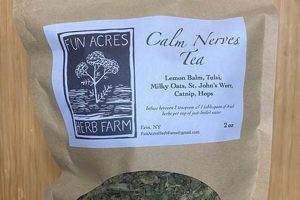
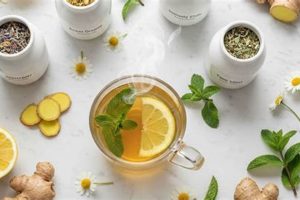
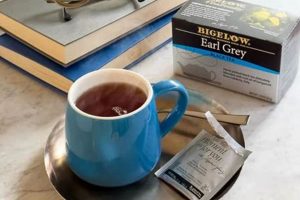
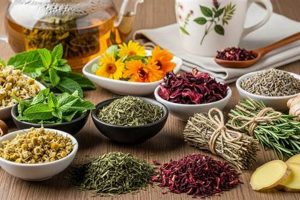
Beverages crafted from botanical infusions contrast sharply with those derived from the Camellia sinensis plant. The former encompasses a wide array of plant-based drinks created by steeping herbs, spices, flowers, or other plant material in hot water. Chamomile, peppermint, and rooibos are common examples. The latter originates solely from the tea plant and undergoes varying degrees of oxidation during processing, leading to its characteristic dark color and robust flavor profile.
Consumption of botanical infusions offers diverse potential health benefits, often linked to the specific plants used. These can range from aiding relaxation and promoting sleep to providing antioxidant support. Black tea, on the other hand, provides caffeine for alertness and contains theaflavins and thearubigins, antioxidants formed during oxidation. Both categories have rich histories across various cultures and traditions, serving social and medicinal purposes for centuries.
The subsequent sections delve into a detailed comparison of these two beverage types, exploring their chemical composition, potential health impacts, caffeine content, flavor profiles, and traditional uses, providing a comprehensive understanding of their distinct characteristics.
Guidance on Selection and Consumption
The following guidelines offer practical advice for navigating the choices between plant-based infusions and oxidized tea varieties, facilitating informed decisions based on individual needs and preferences.
Tip 1: Understand Caffeine Content. Plant-based infusions are typically caffeine-free, making them suitable for consumption at any time of day. Black tea, conversely, contains caffeine, which may impact sleep patterns or exacerbate anxiety in sensitive individuals. Check labels or brewing instructions for caffeine information.
Tip 2: Consider Individual Health Conditions. Certain plant-based ingredients may interact with medications or exacerbate existing health conditions. For example, chamomile might interact with blood thinners. Black tea, due to its tannins, can interfere with iron absorption. Consult with a healthcare professional if concerns arise.
Tip 3: Explore Flavor Profiles. Plant-based infusions offer a wide range of flavors, from the floral notes of lavender to the spicy warmth of ginger. Black tea provides a spectrum from the malty Assam to the delicate Darjeeling. Experiment to identify preferred tastes.
Tip 4: Mind the Brewing Time and Temperature. Proper steeping is crucial for optimal flavor and extraction of beneficial compounds. Plant-based infusions generally require longer steeping times and lower water temperatures than black tea to prevent bitterness or degradation of delicate flavors.
Tip 5: Evaluate Additives. Be mindful of added sugars, artificial flavorings, or preservatives, particularly in commercially prepared products. Opt for pure, unadulterated versions to maximize potential health benefits and avoid unnecessary additives.
Tip 6: Store Properly. To preserve freshness and flavor, store both botanical blends and black tea in airtight containers away from direct sunlight, heat, and moisture. Properly stored, they can maintain their quality for several months.
Tip 7: Moderate Consumption. While generally safe, excessive consumption of either category can potentially lead to adverse effects. Moderation allows individuals to benefit from their properties without overexposure to specific compounds.
By adhering to these suggestions, individuals can make well-informed choices, tailor consumption to personal needs, and maximize the enjoyment and potential benefits associated with either beverages.
The subsequent sections will explore these aspects further, providing insights for informed consumption.
1. Caffeine content

Caffeine content represents a primary differentiator between beverages derived from herbal infusions and black tea. This difference impacts the physiological effects and suitability of each type for various consumers and times of consumption.
- Presence vs. Absence
Botanical infusions, by definition, are caffeine-free. They consist of steeping plant materials other than Camellia sinensis. Black tea, processed from the leaves of the tea plant, contains caffeine, a stimulant that affects the central nervous system. This fundamental distinction determines their suitability for individuals seeking stimulant or non-stimulant beverages.
- Varying Levels in Black Tea
The caffeine level in black tea is not uniform. Factors such as tea variety, leaf grade (e.g., whole leaf vs. broken leaf), brewing time, and water temperature influence the final caffeine concentration. Stronger brews and certain varieties can have higher levels, demanding careful consideration for caffeine-sensitive individuals.
- Physiological Effects
Caffeine in black tea can promote alertness, enhance focus, and provide a mild energy boost. However, it can also lead to anxiety, insomnia, and increased heart rate in susceptible individuals. The absence of caffeine in herbal infusions offers a relaxing alternative without these potential side effects.
- Consumption Timing and Preferences
Botanical infusions are frequently consumed in the evening due to their relaxing properties and lack of stimulants. Black tea is often favored in the morning or afternoon for its invigorating effects. These consumption patterns align with the caffeine content and its influence on the body’s circadian rhythm.
The disparate caffeine profiles of plant-based infusions and oxidized tea preparations dictate their respective roles in daily routines and dietary choices. The presence or absence of this stimulant serves as a key consideration for consumers aiming to manage energy levels, sleep patterns, or potential caffeine sensitivity.
2. Botanical Source

The botanical origin is a fundamental factor differentiating beverages derived from herbal infusions and black tea. This divergence dictates the chemical composition, flavor profile, and potential health effects of each beverage type, thereby significantly influencing consumer choices.
- Diverse Origins of Infusions
Herbal infusions encompass an expansive array of plant materials, including leaves, flowers, roots, seeds, and barks from various botanical species. Chamomile (Matricaria chamomilla), peppermint (Mentha piperita), and rooibos (Aspalathus linearis) are representative examples, each imparting distinct characteristics. The geographical origin and cultivation practices of these plants further contribute to the diversity of flavor and chemical constituents.
- Single Species Origin of Black Tea
Black tea originates exclusively from the leaves of the Camellia sinensis plant. While different cultivars of the tea plant exist, influencing taste nuances, the fundamental source remains consistent. This contrasts sharply with the multifarious origins of botanical infusions, leading to predictable chemical properties that are directly related to its origin.
- Impact on Chemical Composition
The varied botanical sources of infusions translate to a broad spectrum of chemical compounds, including volatile oils, flavonoids, and other phytonutrients. These compounds contribute to the unique flavor profiles and potential therapeutic properties associated with individual herbal infusions. Black tea, while also containing beneficial compounds like theaflavins and thearubigins (formed during oxidation), exhibits a narrower range of chemical constituents compared to the vast diversity found in herbal infusions.
- Flavor and Aroma Profiles
The flavor and aroma profiles are directly influenced by the botanical origins. Infusions showcase an immense spectrum of flavors from floral and sweet to earthy and spicy, depending on the plant used. Black tea has bolder flavor often describe as malty, smoky or astringent.
The botanical source serves as a primary determinant in differentiating plant-based infusions and Camellia sinensis preparations. The vast diversity of plant materials used in infusions contrasts with the singular origin of black tea, resulting in distinct chemical compositions, flavor profiles, and potential health benefits. Understanding the botanical origins provides a foundation for informed choices tailored to individual preferences and needs.
3. Oxidation level

Oxidation level is a critical distinction between herbal infusions and black tea. In the context of Camellia sinensis-derived beverages, oxidation refers to a chemical reaction involving enzymes within the tea leaves and atmospheric oxygen. This process alters the leaves’ chemical composition, resulting in changes in color, flavor, and aroma. Black tea undergoes full oxidation, resulting in its characteristic dark color and robust flavor. Herbal infusions, conversely, are not oxidized, as they are derived from plants other than Camellia sinensis and do not possess the necessary enzymatic machinery for this process. This fundamental difference is the cause behind the wide disparities in flavor and chemical profile between the two beverage categories.
The degree of oxidation directly impacts the types and concentrations of polyphenols present in tea. During oxidation, simpler catechins in the tea leaves are converted into more complex compounds such as theaflavins and thearubigins, which contribute to the characteristic color and astringency of black tea. Herbal infusions, since they are not oxidized, retain their original polyphenol composition, often resulting in milder, less astringent flavors and potentially different health benefits based on their unique phytochemical makeup. For example, green tea undergoes minimal oxidation resulting in high levels of catechins, while oolong tea has a partial oxidation, giving it characteristics that sit between green and black tea.
In summary, oxidation level serves as a key differentiating factor, significantly impacting the sensory qualities and chemical profiles of black tea versus herbal infusions. The absence of oxidation in herbal infusions preserves the original characteristics of the source plants, while the controlled oxidation of black tea leads to the development of distinct flavor compounds and color changes. Understanding the oxidation process is essential for categorizing and appreciating the diverse range of beverages available, and for making informed choices based on desired flavor characteristics and potential health effects.
4. Flavor profile
The flavor profile stands as a defining characteristic distinguishing botanical infusions from black tea. This distinction arises from fundamental differences in botanical origin and processing techniques. Botanical infusions derive their flavors from a diverse range of plants, each contributing unique aromatic compounds. Black tea, originating from the Camellia sinensis plant, acquires its characteristic flavor through oxidation. Therefore, the flavor profile serves as a critical component in categorizing and appreciating the nuances of each beverage type.
The practical significance of understanding the flavor profile lies in its direct impact on consumer preferences and applications. For example, chamomile, with its gentle floral notes, is often favored for relaxation, while peppermint’s refreshing character makes it suitable for digestive support. Black teas offer a spectrum from the malty Assam to the delicate Darjeeling, catering to varied palates and pairing well with different foods. The ability to discern and appreciate these flavor differences allows consumers to select beverages that align with specific needs or culinary pairings. The herbal flavor depends on its origin. Consider, for example, rooibos tea; it has a sweet and nutty flavor that sets it apart from peppermint.
In summary, the flavor profile is an essential element in differentiating botanical infusions and black tea. It reflects the botanical source and processing techniques, directly influencing consumer choices and practical applications. The ability to understand and appreciate these diverse flavor profiles enables individuals to select beverages that align with specific preferences and needs, thereby highlighting the central role that taste plays in beverage selection.
5. Health effects

The health effects associated with beverages derived from herbal infusions and black tea represent a crucial point of differentiation. These effects stem from variations in chemical composition, particularly the presence or absence of caffeine, the types of antioxidants, and the specific phytonutrients inherent to each plant source. The significance of understanding these health effects lies in the potential to make informed dietary choices that align with individual wellness goals. For example, a person seeking to reduce caffeine intake might opt for chamomile tea due to its relaxing, caffeine-free properties, while someone looking for a mental boost may choose black tea, which provides caffeine for alertness and focus.
Specific examples underscore the practical importance of this understanding. Regular consumption of certain herbal infusions, such as ginger tea, has been associated with reduced nausea and improved digestion. Black tea, rich in theaflavins and thearubigins, may contribute to cardiovascular health through antioxidant activity. However, excessive black tea consumption may inhibit iron absorption due to its tannin content. The varied chemical profiles of infusions and black teas produce a wide spectrum of possible health outcomes. It is important to acknowledge that health claims are often based on preliminary research and individual responses may vary. Always consult a healthcare professional.
In summary, the health effects linked to botanical infusions and oxidized black tea differ substantially, reflecting disparities in chemical composition and antioxidant properties. Recognizing these distinctions allows consumers to tailor beverage choices to their specific health needs and preferences. While promising, the documented benefits require rigorous scientific validation, and individual responses may vary. Responsible consumption, coupled with informed decision-making, is paramount for maximizing potential benefits and minimizing potential risks.
6. Preparation method

The preparation method profoundly influences the final characteristics of both herbal infusions and black tea, acting as a critical determinant of flavor, aroma, and the extraction of bioactive compounds. The specific steps involved in preparing each beverage type dictate the consumer experience and, potentially, the magnitude of health benefits derived. Deviations from recommended preparation guidelines can significantly alter the perceived quality and potential efficacy of the final product.
Herbal infusions, given their diverse botanical origins, often necessitate varying preparation parameters. Delicate floral infusions, such as chamomile, typically require lower water temperatures (around 80C or 176F) and shorter steeping times (3-5 minutes) to prevent bitterness and preserve volatile aromatic compounds. Conversely, root-based infusions, like ginger, may benefit from slightly higher temperatures and longer steeping times (5-10 minutes) to fully extract their active constituents. Black tea, owing to its oxidized nature, generally tolerates higher water temperatures (around 90-95C or 194-203F) and shorter steeping times (3-5 minutes) to achieve optimal flavor without excessive astringency. Over-steeping black tea can release an undesirable level of tannins, resulting in a bitter taste. In real-world examples, using water that is too hot for delicate herbal teas like green tea can scald the leaves, which impacts the flavor.
In summary, the preparation method serves as a vital link in translating the inherent potential of herbal infusions and black tea into tangible sensory experiences and health benefits. Understanding and adhering to appropriate preparation guidelines is essential for maximizing the enjoyment and efficacy of these beverages. Failing to do so can lead to suboptimal results, diminishing both the sensory appeal and the potential therapeutic value. These methods may vary based on regional or personal preferences. The preparation method helps to showcase that the differences extend beyond ingredients to the process of enjoying these beverages.
7. Traditional uses

The traditional uses of botanical infusions and black tea offer a valuable lens through which to understand their cultural significance and historical application. These uses reveal insights into the perceived benefits and accepted roles of each beverage type across different societies and time periods. Examining these traditions elucidates the diverse ways humans have interacted with and utilized these plant-derived drinks.
- Herbal Infusions as Folk Remedies
Across numerous cultures, infusions have long served as readily available folk remedies for a variety of ailments. Chamomile has been used to promote relaxation and aid sleep, peppermint to alleviate digestive discomfort, and ginger to combat nausea. These uses often predate modern medicine and reflect an intimate understanding of the medicinal properties of local plants. Their efficacy, while sometimes supported by modern science, is primarily rooted in centuries of empirical observation and traditional knowledge. They’re particularly common when standardized medicine is difficult to reach.
- Black Tea in Social Rituals
In many East Asian cultures, black tea holds a central position in social rituals and ceremonies. The Japanese tea ceremony, for example, elevates tea preparation and consumption to an art form, emphasizing mindfulness and respect. Similarly, in various Middle Eastern and European countries, tea drinking is a social event, fostering conversation and community. These rituals demonstrate the cultural importance of black tea beyond its simple function as a beverage.
- Black Tea as a Trade Commodity
Historically, black tea played a significant role in global trade and colonial expansion. The British East India Company, for instance, controlled the tea trade for centuries, importing vast quantities of tea from China and India. This trade had profound economic and political consequences, shaping global power dynamics and influencing cultural exchange. Tea was not just a beverage; it was a valuable commodity driving international relations.
- Infusions in Spiritual Practices
Certain herbal infusions hold significance in spiritual or religious practices. For example, yerba mate, a South American infusion, is often consumed in communal settings and associated with camaraderie and shared experiences. Similarly, certain plants used in traditional indigenous ceremonies are prepared as infusions to facilitate spiritual connection and healing. In these contexts, infusions serve as more than just beverages; they are integral to cultural identity and spiritual beliefs.
In conclusion, the traditional uses of herbal infusions and black tea highlight the diverse ways these beverages have been integrated into human societies. From folk remedies to social rituals, trade commodities to spiritual practices, these uses underscore the multifaceted roles that plant-derived drinks have played throughout history and continue to play in various cultures around the world. This historical context enriches our understanding of these beverages beyond their simple function as sources of hydration or flavor.
Frequently Asked Questions
The following addresses common inquiries regarding botanical infusions and black tea, providing clarity on their distinct characteristics and properties.
Question 1: Does herbal tea contain caffeine?
Generally, no. Beverages categorized as herbal infusions are derived from plants other than Camellia sinensis and are inherently caffeine-free. However, it is imperative to verify the ingredient list, as some commercial blends may incorporate tea leaves or other caffeinated additives. Mislabeling has been known to occur, so verifying the ingredients is crucial.
Question 2: Is black tea healthier than herbal tea?
The relative health benefits are dependent on individual needs and the specific botanical ingredients involved. Black tea offers antioxidants and a caffeine-induced stimulant effect. Infusions provide varied benefits based on the plant used, ranging from relaxation to digestive support. There is no universal answer and requires a review of individual health priorities.
Question 3: Can herbal tea interact with medications?
Yes, certain herbal ingredients can interact with prescription or over-the-counter medications. For example, St. John’s Wort is known to interact with several drugs. It is critical to consult a healthcare professional or pharmacist if taking medications and considering regular consumption of herbal infusions to identify potential interactions.
Question 4: How should black tea be properly brewed?
Optimal brewing typically involves using fresh, filtered water heated to approximately 90-95C (194-203F). The tea leaves should steep for 3-5 minutes, depending on the desired strength and tea type. Over-steeping can result in bitterness. Tea to water ratio is also an important consideration.
Question 5: What is the shelf life of herbal tea and black tea?
Both typically maintain quality for approximately 12-18 months when stored properly in airtight containers away from light, heat, and moisture. The flavor and aroma may gradually diminish over time, but the beverages generally remain safe for consumption. Checking the expiration date for commercial products can provide guidance.
Question 6: Can black tea and herbal tea be consumed daily?
Moderate daily consumption is generally considered safe for both beverages. However, excessive intake of black tea may lead to caffeine-related side effects or iron absorption interference. Certain infusions may have contraindications for specific individuals. Moderation and attention to individual tolerance are advisable.
In summary, understanding the distinctions between botanical infusions and oxidized tea preparations is critical for making informed choices. Considerations include caffeine content, potential interactions, and proper preparation techniques.
The subsequent sections will delve into a comparative analysis of the environmental impact and sustainability considerations associated with the production and consumption of these beverage categories.
Herbal vs Black Tea
This exploration has illuminated the fundamental differences between botanical infusions and black tea. The botanical source, caffeine content, oxidation level, flavor profile, health effects, preparation methods, and traditional uses all contribute to distinct characteristics. These variations necessitate a careful consideration of individual preferences, health conditions, and desired outcomes when selecting between the two.
Continued research into the specific health benefits of various herbs and tea compounds is warranted. Informed decisions, based on credible scientific evidence and individual needs, remain paramount. The choice between botanical infusions and black tea is a personal one, grounded in an understanding of their unique properties and potential impacts on well-being. The beverage landscape remains a diverse and evolving field, meriting ongoing investigation and critical evaluation.