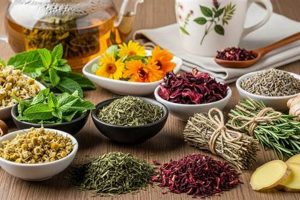
A chilled beverage crafted from infused herbs, often enjoyed as a refreshing alternative to traditional iced tea. It features a diverse range of plant-based ingredients, such as chamomile, mint, or hibiscus, rather than Camellia sinensis (the tea plant). A pitcher prepared with dried lavender and chilled overnight exemplifies this type of drink.
This beverage offers potential health advantages dependent upon the specific herbs utilized. Certain formulations may provide calming effects, antioxidant properties, or digestive support. Historically, herbal infusions served as medicinal remedies, and their contemporary consumption as a cold drink reflects both a focus on wellness and a desire for flavorful hydration.
The following sections will delve into the varieties of this drinkable delight, preparation methods, potential health considerations, and guidance on selecting the ideal composition for individual preferences and intended purposes.
Iced Tea Herbal
Consider these guidelines for preparing and consuming an optimal herbal iced tea experience.
Tip 1: Select High-Quality Herbs. The flavor and potential benefits are directly tied to the quality of the ingredients. Opt for organically grown, dried herbs from reputable sources to avoid pesticides and ensure freshness.
Tip 2: Employ the Correct Infusion Method. Different herbs require varying infusion times and temperatures. Delicate herbs like chamomile should be steeped at lower temperatures for shorter durations to prevent bitterness, while heartier herbs like peppermint can withstand higher heat and longer steep times.
Tip 3: Avoid Over-Steeping. Over-steeping can result in a bitter or astringent taste. Adhere to recommended steeping times, typically ranging from 5 to 15 minutes, depending on the herb.
Tip 4: Strain Thoroughly. Use a fine-mesh strainer or cheesecloth to remove all herb particles from the infusion. This ensures a smooth and palatable beverage.
Tip 5: Sweeten Judiciously. If desired, sweeten the infusion with natural alternatives such as honey, agave nectar, or stevia. Add sweeteners sparingly to avoid masking the natural flavors of the herbs.
Tip 6: Cool Completely Before Icing. Allow the infused tea to cool to room temperature before adding ice. This prevents dilution and maintains the intended flavor concentration.
Tip 7: Store Properly. Store brewed herbal iced tea in an airtight container in the refrigerator for up to 3 days. This helps to prevent bacterial growth and maintain freshness.
By adhering to these recommendations, one can fully appreciate the nuances and potential benefits of this refreshing beverage, crafting an enjoyable and healthful experience.
The subsequent sections will further explore the various herbal combinations and their respective properties, providing a comprehensive understanding of the diverse world of herbal iced tea.
1. Ingredients

The composition of a beverage impacts the overall sensory experience and potential physiological effects. In the context of iced tea herbal, the selected components dictate the resulting flavor profile, aromatic qualities, and any associated health benefits. For instance, the inclusion of hibiscus flowers imparts a tart, cranberry-like flavor and a vibrant red hue, while also contributing antioxidant compounds. Conversely, the addition of lavender buds introduces a floral aroma and a potentially calming effect. The choice of herbs directly shapes the nature of the final product.
The selection and quality of these components profoundly affect the beverage’s ultimate utility. Consider a comparison: commercially available herbal tea bags may contain fragmented herbs of uncertain origin, potentially yielding a less potent or flavorful brew. In contrast, using whole, organically grown herbs allows for a more complete extraction of essential oils and bioactive compounds, resulting in a more aromatic and potentially efficacious drink. An example is the use of fresh mint leaves from a garden, as opposed to dried, pre-packaged mint, leading to a noticeably fresher and more vibrant taste in the finished iced tea.
Understanding the significance of ingredients is crucial for optimizing the herbal iced tea experience. Prudent selection fosters a beverage tailored to specific taste preferences and wellness goals. Recognizing the impact of ingredient quality empowers informed choices, ensuring a more enjoyable and potentially beneficial consumption experience. Ignoring this aspect can lead to disappointment or the forfeiture of potential health advantages.
2. Preparation

The manner in which an herbal iced tea is prepared critically influences its final characteristics, encompassing flavor intensity, aroma, and the extraction of beneficial compounds. Precise methodology is thus essential for achieving a desired outcome.
- Steeping Time and Temperature
The duration and heat of the infusion process significantly impact the extraction of flavors and active constituents from the herbs. Over-steeping can lead to bitterness, while insufficient steeping results in a weak, underdeveloped flavor. Lower temperatures are generally recommended for delicate herbs, such as chamomile, to prevent the degradation of volatile oils. Conversely, robust herbs like ginger may require higher temperatures for optimal extraction. For example, steeping green tea for too long or at too high a temperature can cause a metallic taste.
- Water Quality
The water used for infusion directly affects the taste and clarity of the finished beverage. Impurities in tap water, such as chlorine or mineral deposits, can negatively impact the flavor profile. Filtered or spring water is generally preferred to ensure a clean, pure taste. A comparison can be made to using distilled water, which, while pure, lacks the minerals that can contribute subtle complexities to the flavor of certain herbs.
- Herb Quantity and Quality
The ratio of herbs to water, as well as the freshness and grade of the herbs themselves, are crucial determinants of flavor concentration and efficacy. Using too few herbs will yield a weak infusion, while excessive quantities can result in an overpowering or unbalanced flavor. Freshly dried, whole herbs typically provide a more potent and nuanced flavor than pre-packaged tea bags containing fragmented herbs. For instance, using freshly harvested mint leaves versus dried, commercially available mint will produce a more vibrant and aromatic iced tea.
- Cooling and Storage Methods
The cooling process and subsequent storage conditions can significantly impact the beverage’s quality. Allowing the hot infusion to cool gradually before adding ice prevents dilution and maintains flavor intensity. Proper storage in an airtight container in the refrigerator minimizes oxidation and bacterial growth, extending the shelf life and preserving the beverage’s taste and aroma. Compare this to leaving freshly made tea at room temperature which encourages rapid microbial growth and degradation of volatile compounds, decreasing drink quality.
The preparation phase is not merely a procedural step, but an integral factor shaping the sensory and functional attributes of the resulting herbal iced tea. Adherence to proper techniques, encompassing steeping parameters, water quality, herb selection, and storage practices, ensures an optimal beverage that delivers the intended flavors and potential benefits.
3. Flavor Profiles

The distinctive appeal of iced tea herbal rests significantly on its diverse flavor profiles, a direct consequence of the varied botanical ingredients employed in its preparation. The choice of herbs dictates the sensory experience, influencing the aroma, taste, and overall palatability of the beverage. For instance, a blend featuring chamomile and lavender will exhibit floral and subtly sweet notes, promoting relaxation. Conversely, a composition of peppermint and lemon balm yields a refreshing, minty flavor with a hint of citrus, offering an invigorating effect. The intentional selection of herbs, therefore, allows for the creation of a wide spectrum of flavor experiences, catering to individual preferences and desired functional outcomes.
The impact of flavor profiles extends beyond mere sensory enjoyment. The perceived taste can influence consumer behavior, affecting the likelihood of repeat consumption and brand loyalty. Moreover, the flavor profiles can serve as indicators of the beverage’s potential health benefits. For example, the presence of hibiscus, characterized by its tart and fruity flavor, suggests a high concentration of antioxidants. Similarly, the earthy notes of rooibos indicate a rich source of minerals and polyphenols. Therefore, understanding the flavor profiles of herbal iced teas allows consumers to make informed choices based on both taste preferences and perceived health advantages. This knowledge promotes a more discerning approach to beverage selection, moving beyond simple refreshment to a more holistic consideration of health and wellness.
In summary, the flavor profiles constitute a pivotal element of the iced tea herbal experience, shaping both sensory pleasure and perceived health benefits. The conscious manipulation of herbal ingredients allows for the creation of diverse and nuanced flavor profiles, catering to a broad range of consumer preferences. Recognizing the interplay between flavor and function empowers consumers to make informed choices, maximizing enjoyment while aligning beverage selection with individual wellness goals. This understanding underscores the importance of flavor as a driving force in the continued popularity and diversification of the iced tea herbal market.
4. Health Benefits
The consumption of herbal iced tea, as an alternative to caffeinated and artificially sweetened beverages, presents a range of potential health benefits contingent upon the specific herbs utilized in its preparation. These benefits stem from the inherent properties of the botanical ingredients, offering a diverse array of physiological effects.
- Antioxidant Properties
Certain herbs, such as hibiscus and rooibos, are rich in antioxidants, compounds that neutralize free radicals and mitigate oxidative stress within the body. The regular consumption of these antioxidant-rich beverages may contribute to the prevention of chronic diseases associated with oxidative damage. For example, studies suggest that hibiscus tea can contribute to lowering blood pressure and cholesterol levels.
- Hydration and Electrolyte Balance
As a primarily water-based beverage, herbal iced tea contributes to overall hydration, which is crucial for maintaining bodily functions. The addition of certain herbs, such as ginger or mint, can also aid in digestion and reduce bloating, further supporting fluid balance. Adequate hydration is essential for cardiovascular health, kidney function, and cognitive performance.
- Stress Reduction and Relaxation
Herbs like chamomile and lavender possess well-documented calming properties. The consumption of iced tea prepared with these herbs can promote relaxation and reduce anxiety, potentially improving sleep quality. These effects are attributed to the presence of compounds that interact with neurotransmitter systems in the brain, promoting a sense of calm and well-being. For instance, chamomile is often used as a natural remedy for insomnia.
- Digestive Support
Several herbs, including peppermint, ginger, and fennel, have demonstrated efficacy in alleviating digestive discomfort. Iced tea prepared with these ingredients can soothe the digestive tract, reduce bloating, and relieve nausea. These herbs contain compounds that promote smooth muscle relaxation and reduce inflammation in the gastrointestinal system. Peppermint tea, for example, is frequently used to ease symptoms of irritable bowel syndrome (IBS).
The potential health benefits of herbal iced tea are varied and dependent upon the specific herbal composition. It is crucial to consider individual health conditions and potential interactions with medications before incorporating herbal iced tea into one’s diet. The responsible and informed consumption of herbal iced tea can contribute to overall well-being, offering a refreshing and healthful alternative to conventional beverages. Further investigation into the specific properties of individual herbs is recommended to fully appreciate the potential advantages of this beverage option.
5. Serving Variations
The manner in which herbal iced tea is presented and consumed significantly influences the overall sensory experience and perceived benefits. Serving variations encompass a range of factors that extend beyond the basic preparation of the beverage, impacting its aesthetic appeal, flavor nuances, and functional characteristics.
- Garnish and Presentation
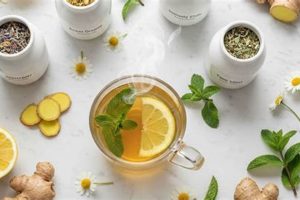
The visual presentation of herbal iced tea can enhance its appeal. Garnishes, such as fresh fruit slices (lemon, orange, berries), sprigs of herbs (mint, lavender), or edible flowers, contribute to the aesthetic experience. The use of visually appealing glassware, such as mason jars or stemmed glasses, further enhances the presentation. The impact on consumer perception is significant, as a visually appealing beverage is more likely to be perceived as high-quality and enjoyable. For example, a simple addition of a lemon slice and a sprig of mint can elevate the perceived value and freshness of a basic herbal iced tea.
- Sweetness and Flavor Enhancements
Adjustments to sweetness and flavor profiles can tailor the beverage to individual preferences. Natural sweeteners, such as honey, agave nectar, or stevia, can be used to enhance sweetness without the use of refined sugars. The addition of fruit purees, spices (cinnamon, ginger), or citrus zests can introduce complementary flavors. The selection of enhancements directly impacts the overall taste and perceived healthfulness of the tea. Using natural sweeteners and avoiding artificial additives aligns with a health-conscious approach to beverage consumption.
- Temperature and Icing Methods
The temperature and method of icing impact the beverage’s refreshment and flavor intensity. Serving the tea over crushed ice, as opposed to cubed ice, can increase the surface area for cooling and enhance the release of aromatic compounds. The use of frozen fruit or herb ice cubes can add flavor and prevent dilution. Maintaining an appropriate serving temperature is crucial for preserving the beverage’s intended flavor profile. Over-iced tea can become diluted and flavorless, while under-iced tea may lack sufficient refreshment.
- Pairing with Food
The thoughtful pairing of herbal iced tea with complementary foods can elevate the overall dining experience. Certain herbal blends may complement specific cuisines or dishes. For example, a mint-infused iced tea pairs well with Middle Eastern cuisine, while a chamomile-lavender blend complements light desserts. Considering the flavor profiles of both the beverage and the food enhances the sensory experience and promotes a more harmonious culinary combination. The impact of food pairings extends beyond mere taste, influencing the perception of satiety and overall satisfaction with the meal.
These serving variations demonstrate the versatility of iced tea herbal, allowing for customization and enhancement to suit individual preferences and occasions. By carefully considering the aesthetic, flavor, and functional aspects of presentation, one can elevate the experience beyond a simple beverage to a more refined and enjoyable sensory experience.
6. Storage Guidelines

The longevity and quality of iced tea herbal are intrinsically linked to adherence to proper storage guidelines. Improper storage introduces variables that degrade the beverage, diminishing its flavor, aroma, and potential health benefits. The cause-and-effect relationship is straightforward: inadequate storage practices directly result in a compromised product. For instance, leaving brewed herbal tea at room temperature encourages bacterial growth, leading to spoilage and potential health risks. Conversely, correct storage methods preserve the integrity of the infusion.
Refrigeration in airtight containers constitutes a critical aspect of these guidelines. Airtight sealing minimizes exposure to oxygen, which contributes to oxidation and flavor degradation. Refrigeration slows the rate of bacterial proliferation, extending the shelf life to approximately three days. An example of the practical significance is evident in comparing two batches of the same herbal iced tea. One batch, stored properly in a sealed container within a refrigerator, retains its clarity and flavor profile over several days. The other batch, left exposed at room temperature, becomes cloudy and develops an off-flavor within hours. The visual and olfactory differences highlight the efficacy of appropriate storage protocols.
In summary, the implementation of precise storage guidelines is paramount for maintaining the quality and safety of herbal iced tea. Failure to adhere to these practices inevitably leads to a diminished sensory experience and potential health hazards. By prioritizing airtight storage and refrigeration, consumers can ensure the beverage remains a refreshing and beneficial choice. While variations in herbal composition may influence shelf life to a degree, the fundamental principles of proper storage remain constant across diverse formulations.
Frequently Asked Questions
The following addresses common inquiries regarding this beverage, offering clarification and guidance on various aspects of its preparation, consumption, and potential effects.
Question 1: What distinguishes iced tea herbal from traditional iced tea?
Traditional iced tea is brewed from the leaves of the Camellia sinensis plant, while iced tea herbal utilizes infusions of herbs, flowers, or fruits, excluding tea leaves. The beverage is caffeine-free, unless ingredients containing caffeine are added, and often provides a broader range of flavor profiles and potential health benefits dependent on the specific herbal composition.
Question 2: Are there specific herbs that should be avoided when preparing this iced beverage?
Certain herbs can interact with medications or exacerbate pre-existing health conditions. Pregnant or breastfeeding individuals should exercise caution and consult with a healthcare professional before consuming herbal infusions. Known allergens should also be avoided. Researching potential contraindications associated with specific herbs is advisable.
Question 3: How long does properly stored iced tea herbal remain safe for consumption?
When stored in an airtight container in the refrigerator, the prepared beverage generally remains safe for consumption for up to three days. However, visual or olfactory signs of spoilage, such as cloudiness or an off-odor, indicate that the beverage should be discarded. The specific shelf life can vary depending on the ingredients used.
Question 4: Can natural sweeteners, such as honey or agave, alter the purported health benefits?
The addition of any sweetener, even natural varieties, increases the caloric content and can impact blood sugar levels. While natural sweeteners are often considered healthier alternatives to refined sugars, moderation is advised. The focus should remain on the inherent qualities of the herbs themselves, rather than relying on sweeteners to provide health benefits.
Question 5: Is it necessary to use filtered water when preparing herbal iced tea?
Filtered water is recommended, as it removes impurities and chlorine, which can negatively impact the flavor of the infusion. Tap water may be used if it is of good quality and free from strong odors. The choice of water can significantly influence the overall taste and aroma of the finished product.
Question 6: Does the steeping time affect the flavor and potential benefits?
The duration of steeping is crucial, as it determines the intensity of flavor and the extraction of beneficial compounds. Over-steeping can result in a bitter taste, while under-steeping may produce a weak and flavorless beverage. Adhering to recommended steeping times for each herb is essential for optimal results. Individual taste preferences may necessitate slight adjustments.
In summary, preparing and consuming iced tea herbal requires consideration of ingredient selection, potential health interactions, proper storage, and appropriate preparation techniques. Informed decisions contribute to a more enjoyable and potentially beneficial experience.
The subsequent section will provide practical recipes and blend suggestions for creating diverse and flavorful iced tea herbal variations.
Conclusion
The preceding exploration of iced tea herbal illuminates its multifaceted nature, encompassing ingredients, preparation techniques, flavor profiles, potential health benefits, serving variations, and storage guidelines. Each facet significantly contributes to the overall quality and enjoyment of the beverage. Understanding these nuances allows for informed decision-making, promoting a more tailored and potentially beneficial consumption experience.
The informed and responsible creation and consumption of iced tea herbal extend beyond mere refreshment; it is an active engagement with wellness. Continued exploration and refinement of herbal blends will undoubtedly reveal further potential benefits and innovative applications. The conscious selection and preparation of this beverage represents a proactive approach to health and a renewed appreciation for the botanical world’s capabilities.