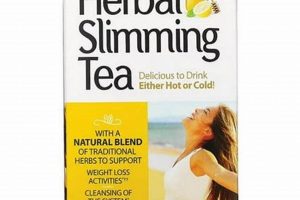
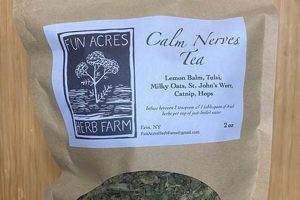
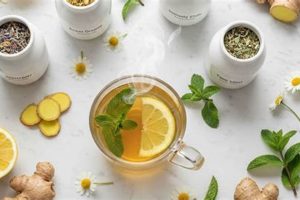
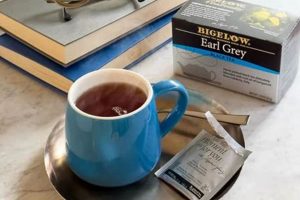
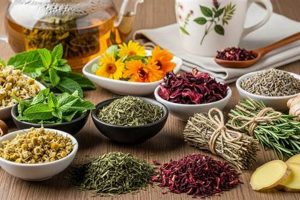
These are convenient, pre-portioned sachets containing dried herbs, flowers, spices, or other plant-based ingredients intended for infusion in hot water. These preparations offer a simple method for creating a beverage with a range of flavors and potential wellness properties. For example, a chamomile-filled version might be used before sleep, or a ginger-based option when experiencing digestive discomfort.
The significance of these prepared infusions stems from their accessibility, ease of use, and the long-standing tradition of utilizing plants for their perceived health advantages. Historically, herbal remedies have been central to various cultures worldwide. Modern iterations provide a readily available means to incorporate these botanical elements into daily routines. Potential benefits range from promoting relaxation to aiding digestion, although efficacy varies depending on the specific ingredients and individual factors.
The following discussion explores the diverse range of botanical ingredients found in these sachets, the preparation methods that maximize their flavor and benefits, and considerations for selecting high-quality products. It will also address potential interactions and precautions relevant to the consumption of specific herbal blends.
Tips for Optimal Use
Maximizing the benefits and enjoyment derived from prepared herbal infusions necessitates careful consideration of several factors. The following tips offer guidance on proper selection, preparation, and consumption.
Tip 1: Prioritize Ingredient Quality: Scrutinize the ingredient list for specific herbs and their source. Opt for products listing clearly identified, high-quality botanicals. Organic certification can minimize exposure to pesticides.
Tip 2: Adhere to Brewing Instructions: Observe the recommended steeping time and water temperature indicated on the packaging. Over-steeping can result in bitterness, while insufficient steeping may not fully extract the beneficial compounds.
Tip 3: Cover During Infusion: Covering the cup or pot during the steeping process helps to retain volatile oils, preserving flavor and aroma.
Tip 4: Consider Water Quality: The quality of the water significantly impacts the taste of the infusion. Filtered water is generally recommended to avoid chlorine or other contaminants that can interfere with the flavor profile.
Tip 5: Be Mindful of Potential Interactions: Certain herbs can interact with medications or pre-existing health conditions. Consult with a healthcare professional before regular consumption, particularly when taking prescription drugs.
Tip 6: Store Properly: To maintain freshness and potency, store unopened infusions in a cool, dry, and dark place. Once opened, transfer the contents to an airtight container.
Tip 7: Explore Blends Carefully: Pay attention to the ingredients in blended infusions, as combinations can create synergistic or antagonistic effects. Research individual components before consumption.
Applying these guidelines promotes a more informed and rewarding experience, allowing for a more comprehensive appreciation of the potential benefits associated with these preparations. Diligent attention to detail enhances both the flavor and potential wellness advantages.
The subsequent section will delve into the potential therapeutic applications of various herbal ingredients commonly found in pre-packaged infusions.
1. Botanical Sourcing

Botanical sourcing represents a critical juncture in the production and ultimate quality of prepared herbal infusions. The geographical origin, cultivation practices, and harvesting methods employed directly impact the chemical composition, flavor profile, and potential therapeutic value of the herbs contained within these products.
- Geographic Origin and Terroir
The environmental conditions of a specific region, including soil composition, climate, and altitude, influence the phytochemical makeup of the plants grown there. For instance, chamomile cultivated in different regions may exhibit variations in its concentration of bisabolol and other active compounds. This impacts the final product.
- Cultivation Practices
Organic and biodynamic farming methods prioritize soil health and avoid synthetic pesticides and fertilizers. Such practices potentially lead to herbs with a reduced risk of contamination and a more robust nutrient profile. Conversely, conventional farming methods may involve the use of chemicals that can alter the plant’s natural characteristics and introduce residual compounds into the final product.
- Harvesting and Processing Techniques
The timing of harvest and the subsequent processing methods can significantly affect the potency and preservation of beneficial compounds. Harvesting herbs at their peak maturity and employing gentle drying techniques, such as air-drying in shaded areas, minimizes the degradation of volatile oils and other heat-sensitive constituents.
- Authentication and Traceability
Establishing robust authentication and traceability systems ensures the identity and purity of the herbs used in these products. DNA barcoding and other analytical techniques can verify the authenticity of plant materials, preventing adulteration and ensuring that the labeled species are indeed present.
These sourcing considerations directly influence the perceived value and effectiveness of prepared herbal infusions. Consumers should prioritize brands that transparently disclose their sourcing practices, demonstrating a commitment to quality and authenticity. This detailed information ensures the selection of superior infusions, maximizing both the flavor and potential health benefits.
2. Preparation Method

The preparation method is a critical determinant of the quality and efficacy of infusions derived from prepared herbal sachets. The following factors directly influence the extraction of beneficial compounds, the flavor profile, and the overall sensory experience. Careful adherence to recommended preparation guidelines optimizes the intended benefits.
- Water Temperature
Water temperature significantly affects the extraction of bioactive compounds. Overly hot water may degrade delicate volatile oils and contribute to a bitter taste, particularly with herbs like green tea or mint. Conversely, water that is too cool may result in incomplete extraction, yielding a weak and less potent infusion. The optimal temperature generally falls between 170-212F (77-100C), depending on the specific herb blend. For example, delicate floral infusions like chamomile benefit from lower temperatures, while robust root-based infusions may require higher temperatures for adequate extraction.
- Steeping Time
The duration of steeping directly impacts the concentration of extracted compounds and the resulting flavor intensity. Short steeping times may not allow for sufficient release of beneficial constituents, while prolonged steeping can lead to the release of tannins and other compounds that contribute to bitterness. Recommended steeping times typically range from 3 to 7 minutes, depending on the herb and the desired strength of the infusion. For example, rooibos can tolerate longer steeping times due to its low tannin content, while green tea benefits from shorter steeping to prevent bitterness.
- Water Quality
The quality of the water used to prepare the infusion plays a crucial role in the final taste and aroma. Water containing chlorine, minerals, or other contaminants can interfere with the flavor of the herbs and potentially mask their natural nuances. Filtered water is generally recommended to ensure a clean and neutral base for the infusion, allowing the inherent flavors of the herbs to shine through. The pH of the water can also influence the extraction process, with slightly acidic water often enhancing the release of certain compounds.
- Container and Covering
The type of container used for steeping and whether it is covered during the process can impact the retention of volatile aromatic compounds. Using a covered teapot or mug helps to trap the aromatic oils that would otherwise dissipate into the air, resulting in a more fragrant and flavorful infusion. Furthermore, the material of the container, such as glass, ceramic, or stainless steel, can influence the taste due to potential interactions with the herbs. Inert materials like glass and ceramic are generally preferred to avoid off-flavors.
These preparation techniques, when applied thoughtfully, amplify the potential benefits of prepared herbal infusions. A meticulous approach to water temperature, steeping time, water quality, and container selection promotes a richer, more nuanced sensory experience. These factors should be considered integrally when examining the overall value and efficacy of these convenient herbal delivery systems.
3. Ingredient Quality

The quality of ingredients represents a foundational determinant of the value and potential efficacy associated with prepared herbal infusions. The selection of subpar botanicals undermines the benefits, irrespective of proper preparation methods. For instance, infusions prepared with herbs containing pesticide residues or possessing diminished concentrations of active compounds due to improper storage practices provide limited therapeutic value. Conversely, infusions containing certified organic herbs, sourced from reputable growers and stored under optimal conditions, present a higher likelihood of delivering the intended benefits.
The direct relationship between ingredient quality and the resultant infusion extends beyond mere efficacy; it also impacts safety and sensory experience. Inferior ingredients, potentially adulterated with foreign substances or containing allergenic contaminants, pose a significant risk to consumer health. The substitution of senna for chamomile, for instance, could lead to unintended laxative effects, while the presence of mold or bacteria can cause adverse reactions. Furthermore, ingredient quality dictates the flavor profile. Fresh, properly dried herbs yield a more nuanced and robust taste, whereas stale or improperly processed botanicals produce a muted or unpleasant flavor, diminishing the overall satisfaction.
Understanding the nexus between ingredient quality and pre-packaged herbal infusions enables informed consumer choices. By prioritizing brands that transparently disclose sourcing practices, adhere to rigorous quality control measures, and employ independent third-party testing, individuals can mitigate risks and optimize the potential health benefits. Ultimately, the inherent value of these products hinges on the commitment of manufacturers to procuring and utilizing superior ingredients. The emphasis is on informed and safety consumption practices.
4. Flavor Profiles
The diversity of flavor profiles available in prepared herbal infusions constitutes a primary driver of consumer choice. These profiles arise from the inherent characteristics of the constituent herbs, the blending techniques employed, and the preparation methods used. The resultant sensory experience is a key factor in determining the overall satisfaction and perceived value of these products.
- Single-Herb Dominance
Many infusions feature a single, dominant herb, allowing its unique flavor profile to take center stage. Chamomile, for example, is known for its gentle, floral sweetness and slightly apple-like notes. Peppermint offers a refreshing, cool, and intensely minty flavor. These single-herb infusions provide a straightforward and readily identifiable taste experience, appealing to consumers seeking specific flavors or perceived benefits associated with particular herbs. For instance, a consumer experiencing digestive discomfort might select a peppermint infusion for its purported soothing properties.
- Herbal Blends: Synergy and Complexity
The blending of multiple herbs creates more complex and nuanced flavor profiles. These blends aim to achieve a harmonious balance of tastes, often combining herbs with complementary or contrasting characteristics. A blend of lavender and chamomile, for example, combines floral notes with a calming effect. These complex blends offer a more sophisticated sensory experience. These flavor profiles can target specific conditions such as sleep or immunity.
- Impact of Processing on Flavor
The drying and processing methods employed can significantly alter the flavor of herbs. Sun-drying may impart a slightly sweeter or more mellow flavor compared to oven-drying, which can result in a more intense or roasted taste. Similarly, the particle size of the herbs used can affect the rate of extraction and the resulting flavor intensity. Coarsely ground herbs may produce a slower, more subtle flavor release, while finely ground herbs provide a quicker, more intense infusion.
- External Additives
Some infusions incorporate ingredients like honey or fruit pieces to sweeten or flavor the product. However, the inclusion of these substances can impact the purity of the product. These inclusions influence the overall experience. Consumers seeking a completely natural infusion may prefer those without external additives. The balance between herbal flavors and external additions is an important consideration.
The flavor profiles of prepared herbal infusions are diverse and multifaceted, influenced by a range of factors from the selection of individual herbs to the blending techniques employed and the processing methods used. Understanding these factors empowers consumers to make informed choices, selecting products that align with their individual taste preferences and desired sensory experiences.
5. Potential Benefits

The consumption of infusions derived from prepared herbal sachets is frequently associated with a range of perceived health advantages. These potential benefits are contingent on the specific botanical ingredients, their concentrations, and individual physiological factors. While anecdotal evidence and traditional medicine often support these claims, scientific validation is crucial to discerning substantiated benefits from unsubstantiated assertions. These preparations offer possibilities related to health and wellbeing.
- Stress Reduction and Relaxation
Certain herbs, such as chamomile and lavender, contain compounds that interact with the nervous system, potentially promoting relaxation and reducing anxiety. The consumption of infusions containing these herbs may induce a calming effect, contributing to improved sleep quality and reduced stress levels. The anxiolytic properties of specific herbal infusions have been demonstrated in some clinical studies, although further research is warranted to fully elucidate the mechanisms and optimize dosages. These herbs may ease physical manifestations of stress.
- Digestive Support
Infusions containing herbs like ginger, peppermint, and fennel have been traditionally used to alleviate digestive discomfort, including bloating, gas, and indigestion. These herbs may exert their effects by stimulating digestive enzymes, promoting gut motility, and reducing inflammation in the gastrointestinal tract. Consumption of these infusions following meals may aid in digestion and alleviate symptoms of common digestive ailments. However, individuals with specific gastrointestinal conditions should consult with a healthcare professional before using herbal infusions for digestive support. They provide an option for alleviating GI upset.
- Immune System Modulation
Certain herbs, such as echinacea and elderberry, contain compounds that may modulate the immune system, potentially enhancing its ability to fight off infections. These herbs have been used historically to support immune function during periods of increased susceptibility to illness. The consumption of infusions containing these herbs may help to shorten the duration and severity of colds and flu. However, the effects of these herbs on immune function can vary depending on individual factors and the specific preparation used. They may function for immune support.
- Antioxidant Activity
Many herbs are rich in antioxidants, which are compounds that help to protect cells from damage caused by free radicals. Free radicals are unstable molecules that can contribute to the development of chronic diseases, such as heart disease and cancer. The consumption of infusions containing antioxidant-rich herbs, such as green tea and rooibos, may help to reduce oxidative stress and protect against cellular damage. The antioxidant content of herbal infusions can vary depending on the specific herbs used and the preparation method. This benefit may contribute to overall wellbeing.
The potential benefits associated with prepared herbal infusions are varied and dependent on numerous factors. While some benefits are supported by scientific evidence, others are based primarily on traditional use and anecdotal reports. Responsible and informed consumption necessitates a critical evaluation of the available evidence and consultation with a healthcare professional, particularly for individuals with pre-existing health conditions or those taking prescription medications. The efficacy of these preparations is not universally guaranteed, and individual responses may vary. Additional research is needed to fully elucidate the mechanisms of action and confirm the therapeutic potential of various herbal infusions.
6. Associated Risks

The consumption of infusions derived from prepared herbal sachets, while often perceived as benign, carries potential risks necessitating careful consideration. These risks encompass a range of factors, including allergic reactions, interactions with medications, contamination issues, and the potential for misidentification of herbal ingredients. Prudence dictates a cautious approach to their use, particularly for vulnerable populations.
- Allergic Reactions
Certain individuals may exhibit allergic sensitivities to specific herbs. Reactions can range from mild skin irritation to severe anaphylaxis. Common allergenic herbs include chamomile, echinacea, and ragweed (often a contaminant). Prior sensitization to related plants can increase the likelihood of allergic responses. Reading ingredient labels thoroughly and initiating use with small quantities is advisable to monitor for adverse reactions. Individuals with known allergies should exercise heightened caution.
- Medication Interactions
Some herbs possess bioactive compounds that can interact with prescription and over-the-counter medications. For instance, St. John’s Wort can interfere with the metabolism of numerous drugs, including antidepressants and blood thinners. Similarly, certain herbs may potentiate the effects of sedatives or blood pressure medications. Individuals taking any form of medication should consult a healthcare professional before consuming herbal infusions to assess potential interactions and mitigate adverse effects.
- Contamination and Adulteration
The quality and purity of herbal ingredients can be compromised by contamination with pesticides, heavy metals, or microbial pathogens during cultivation, harvesting, or processing. Furthermore, adulteration, the deliberate or unintentional substitution of authentic herbs with inferior or unrelated plant materials, poses a significant risk. Reputable manufacturers employ rigorous quality control measures, including third-party testing, to mitigate contamination and ensure the authenticity of their products. Choosing certified organic products can reduce pesticide exposure.
- Specific Population Vulnerabilities
Certain populations, including pregnant and breastfeeding women, infants, and individuals with pre-existing medical conditions, require heightened caution when consuming herbal infusions. Some herbs, such as pennyroyal and blue cohosh, are known to be unsafe during pregnancy due to their potential to induce uterine contractions. Infants and young children may be more susceptible to the adverse effects of certain herbs due to their immature metabolic systems. Consultation with a healthcare professional is essential for these vulnerable groups to assess the safety and appropriateness of herbal infusions.
These associated risks underscore the importance of informed decision-making and responsible consumption. The perception of herbal infusions as uniformly safe is erroneous; potential adverse effects warrant careful consideration. A proactive approach to mitigating these risks, including thorough ingredient label review, healthcare professional consultation, and adherence to recommended usage guidelines, is essential to ensure safe and beneficial use of prepared herbal infusions.
7. Storage Conditions
The efficacy and palatability of prepared herbal infusions are inextricably linked to the conditions under which the pre-packaged sachets are stored. Improper storage precipitates degradation of volatile oils, oxidation of active compounds, and potential proliferation of mold or bacteria, thereby diminishing both the therapeutic benefits and sensory qualities. The hygroscopic nature of many dried herbs renders them particularly susceptible to moisture absorption, leading to caking, clumping, and accelerated spoilage. Exposure to light, heat, and oxygen further accelerates degradation, resulting in a loss of aroma, flavor, and potency. For example, chamomile flowers stored in a clear glass jar on a sunny windowsill will rapidly lose their delicate aroma and develop a musty odor, rendering them less effective as a calming agent and less enjoyable as a beverage. Conversely, those stored in an opaque, airtight container in a cool, dark location will retain their qualities for an extended period.
Appropriate storage necessitates adherence to specific guidelines. Sachets should be kept in airtight containers to minimize exposure to moisture and oxygen. Opaque or tinted packaging offers protection against light-induced degradation. Cool temperatures, ideally below 70F (21C), slow down chemical reactions that contribute to spoilage. Dry environments prevent moisture absorption and microbial growth. Practical application of these principles involves storing pre-packaged infusions in pantries away from direct sunlight, in sealed containers such as resealable bags or airtight jars. Bulk quantities should be divided into smaller portions to reduce the frequency of exposure to air. Rotation of stock ensures that older sachets are used before newer ones, minimizing the likelihood of degradation. Neglecting these measures compromises the integrity of the product.
In summary, the storage environment exerts a profound influence on the quality and effectiveness of these conveniently packaged herbal preparations. Failure to implement proper storage protocols leads to diminished sensory appeal, reduced therapeutic potential, and increased risk of spoilage. Understanding the underlying mechanisms of degradation and adhering to best-practice storage recommendations are crucial for maximizing the benefits and ensuring the longevity of these botanical products. Consumers should prioritize products packaged in protective materials and store them accordingly to maintain optimal quality and potency. The importance of these practices cannot be overstated.
Frequently Asked Questions
The following addresses prevalent inquiries regarding the selection, preparation, and consumption of herbal tea bags. These questions aim to clarify common misconceptions and provide factual information.
Question 1: Are all herbal tea bags caffeine-free?
No, not all herbal tea bags are devoid of caffeine. While many consist of caffeine-free herbs such as chamomile, peppermint, or rooibos, some blends may incorporate caffeinated ingredients such as yerba mate or guayusa. Careful review of the ingredient list is crucial to ascertain the presence or absence of caffeine.
Question 2: How does the steeping time affect the final product?
Steeping time exerts a significant influence on the flavor and potency of the resulting infusion. Insufficient steeping may result in a weak and under-extracted beverage, while excessive steeping can lead to bitterness due to the release of tannins. Adherence to the manufacturer’s recommended steeping time is advisable for optimal results.
Question 3: Can herbal tea bags interact with medications?
Yes, certain herbal ingredients can interact with various prescription and over-the-counter medications. St. John’s Wort, for example, is known to interfere with the metabolism of many drugs. Consultation with a healthcare professional is recommended prior to consuming herbal tea bags, especially for individuals taking medications.
Question 4: Are organic herbal tea bags inherently superior?
Organic certification indicates that the herbs were grown without synthetic pesticides, herbicides, or fertilizers. While organic cultivation practices may reduce exposure to these chemicals, they do not necessarily guarantee superior flavor or efficacy. Other factors, such as the quality of the soil and harvesting techniques, also play a role.
Question 5: How should herbal tea bags be stored to maintain freshness?
To preserve freshness and potency, herbal tea bags should be stored in airtight containers, away from direct sunlight, heat, and moisture. Exposure to these elements can accelerate the degradation of volatile oils and reduce the overall quality of the product. Proper storage ensures optimal flavor and therapeutic benefits.
Question 6: Can herbal tea bags replace conventional medical treatment?
Herbal tea bags should not be considered a substitute for conventional medical treatment. While some herbal ingredients may possess therapeutic properties, they are not intended to diagnose, treat, cure, or prevent any disease. Individuals experiencing health concerns should seek the advice of a qualified healthcare professional.
In summary, while offering potential benefits, responsible use of herbal tea bags mandates awareness of caffeine content, steeping variables, potential drug interactions, storage protocols, and the crucial understanding that they do not replace medical care. Informed consumption optimizes both safety and satisfaction.
The discussion now transitions to a summary of essential points regarding herbal tea bags.
Conclusion
The foregoing analysis has explored various facets of herbal tea bags, encompassing botanical sourcing, preparation techniques, ingredient quality, flavor profiles, potential benefits, associated risks, and storage considerations. The composition reveals a nuanced product, warranting informed selection and utilization. The perceived health advantages are contingent upon numerous variables, while the potential for adverse effects necessitates caution. Understanding these aspects is paramount for responsible consumption.
In conclusion, the ongoing research and development in the field of phytochemistry may offer further insights into the efficacy and safety of specific herbal infusions. Continued vigilance regarding product quality, coupled with informed consumption practices, remains essential to maximizing benefits and mitigating risks. Future consumers and manufacturers should be proactive for better implementation.