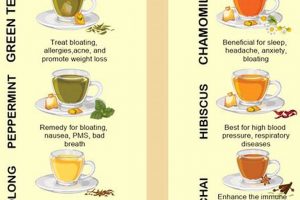
Herbal infusions, derived from plants other than Camellia sinensis, encompass a diverse range of beverages prepared by steeping flowers, leaves, seeds, or roots in hot water. These concoctions, often consumed for their purported health-promoting properties, differ significantly from true teas like black, green, or white tea.
The consumption of plant-based infusions boasts a lengthy history, with various cultures attributing therapeutic benefits to specific botanical ingredients. These benefits potentially include antioxidant activity, anti-inflammatory effects, and support for relaxation. The specific advantages are contingent upon the particular plants utilized in the preparation and their inherent bioactive compounds.
The subsequent discussion will delve into the composition, potential health implications, and considerations surrounding the consumption of different botanical infusions, providing a more detailed exploration of their role in health and wellness.
Considerations for Consumption
Prudent consumption of botanical infusions necessitates awareness of several factors. Individual responses may vary, and certain preparations could interact with medications or exacerbate pre-existing health conditions. Consultation with a healthcare professional is advisable prior to incorporating significant amounts of herbal infusions into one’s dietary regimen.
Tip 1: Research Specific Ingredients: Prior to consumption, investigate the properties and potential side effects associated with each plant included in the infusion. Some herbs, while generally safe, may be contraindicated for individuals with specific allergies or medical conditions. For example, chamomile is often used for relaxation but may trigger allergic reactions in those sensitive to ragweed.
Tip 2: Source Reputable Products: Opt for herbal infusions from reputable manufacturers who adhere to quality control standards. This minimizes the risk of contamination with pesticides, heavy metals, or adulteration with undeclared ingredients. Look for certifications from independent testing organizations.
Tip 3: Be Mindful of Dosage: Adhere to recommended brewing instructions and consumption guidelines. Excessive intake of certain herbal infusions can lead to adverse effects. For instance, overconsumption of senna-based infusions, often marketed for laxative purposes, can result in dehydration and electrolyte imbalances.
Tip 4: Consider Potential Interactions: Be aware of potential interactions between herbal infusions and prescription medications. Certain herbs can interfere with the absorption, metabolism, or excretion of drugs, potentially altering their efficacy or increasing the risk of side effects. St. John’s Wort, for example, is known to interact with several medications, including antidepressants and blood thinners.
Tip 5: Monitor for Allergic Reactions: Pay close attention to any signs of allergic reaction after consuming an herbal infusion. Symptoms may include skin rash, itching, swelling, difficulty breathing, or gastrointestinal distress. Discontinue use immediately and seek medical attention if necessary.
Tip 6: Exercise Caution During Pregnancy and Breastfeeding: Many herbal infusions are not adequately studied for safety during pregnancy and breastfeeding. Therefore, pregnant or breastfeeding individuals should exercise caution and consult with a healthcare professional before consuming herbal infusions. Some herbs, such as pennyroyal, are known to be abortifacient.
The responsible incorporation of plant-based infusions into a balanced lifestyle requires informed decision-making and attention to individual health status. Prioritizing safety and quality ensures the potential benefits are realized without undue risk.
The article will now transition to discussing popular types of herbal infusions and their distinct attributes.
1. Antioxidant Potential

The antioxidant potential of plant-based infusions represents a key factor in evaluating their contribution to health. Antioxidants neutralize free radicals, unstable molecules implicated in cellular damage and the development of chronic diseases. The presence and concentration of these compounds in various herbal infusions directly influence their capacity to mitigate oxidative stress within the body. For example, infusions prepared from rooibos or hibiscus often exhibit notable antioxidant activity due to their high levels of polyphenols, which scavenge free radicals and protect cellular components.
Understanding this connection is crucial, as it dictates the potential for herbal infusions to contribute to disease prevention and overall well-being. Regular consumption of infusions with significant antioxidant properties may contribute to a reduced risk of cardiovascular disease, certain cancers, and neurodegenerative disorders. However, it is important to note that antioxidant content can be affected by factors such as plant origin, harvesting methods, and brewing techniques. Therefore, individuals seeking to maximize antioxidant intake from herbal infusions should prioritize high-quality products prepared using appropriate methods.
In summary, the antioxidant potential of herbal infusions is a significant determinant of their health-promoting properties. While not all herbal preparations are equally rich in antioxidants, those that are may offer valuable protection against oxidative stress and contribute to long-term health. Further research is warranted to fully elucidate the specific mechanisms and long-term effects of antioxidant consumption from herbal infusions.
2. Hydration Support

Fluid intake, essential for maintaining physiological functions, finds a supplementary source in plant-based infusions. These aqueous extracts, lacking the significant diuretic effects associated with caffeinated beverages, contribute to overall hydration status. Water constitutes a major component of bodily processes, influencing nutrient transport, thermoregulation, and waste elimination. The regular consumption of herbal infusions, particularly in individuals who struggle to meet daily water requirements, may serve as a palatable and flavorful means of increasing fluid consumption. The act of preparing and consuming these beverages can also encourage mindfulness and intentional hydration habits.
Certain herbal infusions, such as those prepared with hibiscus or rooibos, are particularly beneficial. Hibiscus infusions, in addition to providing hydration, contribute electrolytes lost through perspiration. Rooibos, naturally caffeine-free, avoids the diuretic effect that can negate the hydrating benefits of other beverages. Conversely, infusions containing high concentrations of diuretic herbs should be consumed with caution, balancing their potential benefits with the need to maintain adequate fluid levels. The use of herbal infusions should not supplant plain water, but rather complement it.
The role of plant-based infusions in hydration support is significant, particularly within the context of a balanced dietary approach. It’s crucial to differentiate between types of infusions, mindful of their distinct compositions and potential effects on fluid balance. By prioritizing proper infusion methods and consuming them strategically, individuals can effectively leverage herbal infusions as a valuable addition to their overall hydration strategy. This understanding helps better inform decisions about the positive potential of herbal teas and their benefit to overall health.
3. Specific Phytochemicals

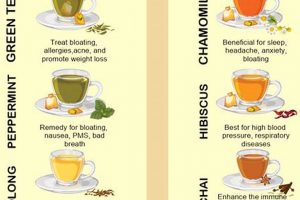
Plant-based infusions derive their potential health-modifying properties from specific phytochemicals, naturally occurring compounds found within plant tissues. The presence and concentration of these phytochemicals represent a crucial determinant of the influence infusions have on physiological processes. For example, chamomile infusions contain apigenin, a flavonoid recognized for its anxiolytic and sleep-promoting effects. Similarly, peppermint infusions contain menthol, a compound known to possess antispasmodic properties and alleviate gastrointestinal discomfort. The precise profile of phytochemicals, varying substantially among different plant species, dictates the spectrum of potential benefits associated with each type of infusion.
The efficacy of phytochemicals within infusions is contingent upon several factors, including the extraction method, plant quality, and bioavailability within the human body. Brewing temperature and steeping time significantly impact the release of phytochemicals from plant material into the aqueous medium. High-quality plant sources, cultivated and processed under optimal conditions, generally contain higher concentrations of beneficial compounds. Furthermore, the extent to which the body absorbs and utilizes these phytochemicals affects their overall impact. Some phytochemicals may exhibit limited bioavailability, requiring specific preparation techniques or co-consumption with other substances to enhance absorption. For instance, the bioavailability of curcumin, a phytochemical found in turmeric, is enhanced when consumed with piperine, a compound present in black pepper.
In summary, the health implications of plant-based infusions are intrinsically linked to the specific phytochemicals they contain. A comprehensive understanding of these compounds, including their potential effects, factors influencing their extraction and bioavailability, is essential for informed decision-making regarding the role of infusions in health maintenance and promotion. While research continues to elucidate the full range of phytochemicals and their effects, current knowledge suggests that strategic selection and preparation of plant-based infusions may offer valuable contributions to overall well-being.
4. Individual Sensitivities

The perceived health benefits of plant-based infusions are significantly modulated by individual sensitivities. What constitutes a beneficial beverage for one individual may elicit adverse reactions in another. Allergic reactions, gastrointestinal distress, and interactions with pre-existing conditions are among the potential consequences arising from individual predispositions. The presence of specific compounds within these infusions, while generally considered safe, can trigger immune responses or exacerbate underlying health issues. Chamomile, often lauded for its calming effects, may provoke allergic reactions in individuals sensitive to ragweed, chrysanthemums, or marigolds. Similarly, licorice root, a common ingredient in some formulations, can elevate blood pressure in susceptible individuals.
Therefore, a comprehensive assessment of personal health history, including known allergies, sensitivities, and medical conditions, is paramount prior to incorporating plant-based infusions into a regular dietary regimen. Careful monitoring of physiological responses following initial consumption is also advisable. The gradual introduction of new infusions allows for the identification of any adverse effects. Furthermore, consultation with a healthcare professional or qualified herbalist can provide personalized guidance, ensuring the selection of infusions that align with individual needs and minimize the risk of adverse reactions. The failure to acknowledge individual sensitivities undermines the potential health benefits of these beverages and may inadvertently compromise well-being.
In conclusion, individual sensitivities represent a critical consideration in evaluating the health implications of plant-based infusions. General claims regarding the benefits of these beverages must be tempered by an awareness of potential adverse reactions stemming from individual predispositions. Prudent consumption, guided by personalized health assessments and professional advice, is essential to maximizing the potential benefits while mitigating the risk of negative consequences. A blanket statement of the benefit of herbal tea needs to be evaluated with each person’s sensitivities in mind.
5. Preparation Methods

The means by which plant-based infusions are prepared significantly influences the extraction of bioactive compounds, thereby affecting the ultimate health implications of their consumption. Variations in water temperature, steeping time, and the use of specific brewing apparatus impact the concentration and composition of the final product, modulating its potential benefits and risks.
- Water Temperature
Water temperature directly affects the solubility and extraction of various phytochemicals. Overly hot water may degrade heat-sensitive compounds, diminishing their beneficial effects, or extract undesirable bitter substances. Conversely, water that is too cool may not adequately extract the desired compounds. Optimal temperatures vary depending on the specific plant material used. For delicate floral infusions, lower temperatures (around 170-180F) are generally recommended to preserve volatile oils and prevent bitterness, while more robust roots and barks may require higher temperatures (around 200-212F) for effective extraction.
- Steeping Time
The duration of steeping, or the amount of time the plant material is immersed in hot water, influences the concentration of extracted compounds. Insufficient steeping results in a weak infusion with limited beneficial properties, while excessive steeping can lead to an overly bitter or astringent taste due to the extraction of tannins and other less desirable compounds. Recommended steeping times vary depending on the plant and the desired strength of the infusion. Shorter steeping times (3-5 minutes) are often appropriate for leaves and flowers, while longer times (10-15 minutes) may be necessary for roots and barks to release their beneficial constituents.
- Brewing Apparatus
The type of brewing apparatus employed can indirectly influence the final product. Teapots with infusers or tea bags made from different materials may affect the rate of extraction or introduce unintended flavors. Certain materials, such as some plastics, may leach chemicals into the infusion, potentially negating health benefits or introducing harmful substances. The use of high-quality, inert materials, such as stainless steel or glass, is generally recommended to minimize potential contamination. The design of the brewing apparatus can also impact heat retention and the even distribution of water throughout the plant material, affecting extraction efficiency.
- Plant Material Preparation
The physical state of the plant materialwhether it is whole, cut, powdered, or pre-packaged in tea bagsaffects the surface area exposed to the hot water, impacting extraction efficiency. Finely ground or powdered materials tend to release their compounds more rapidly than whole leaves or roots. However, powdered materials may also result in a cloudier infusion with a potentially less palatable texture. The age and storage conditions of the plant material also play a role. Properly dried and stored herbs retain their potency longer than those exposed to light, air, or moisture. Utilizing fresh herbs, when available, offers a distinct flavor profile but requires careful attention to cleanliness and potential for bacterial contamination.
In conclusion, the preparation methods employed in brewing plant-based infusions exert a significant influence on their final composition and, consequently, their potential impact on health. Optimizing water temperature, steeping time, and the choice of brewing apparatus are crucial factors in maximizing the extraction of beneficial compounds while minimizing the risk of undesirable effects. Adherence to proper preparation techniques contributes to a more favorable assessment of “is herbal tea healthy,” transforming potential benefits into tangible realities. The final element, long term effects, also greatly influences the health benefit.
6. Long-Term Effects
The protracted consumption of plant-based infusions precipitates a spectrum of physiological responses, necessitating a thorough investigation of long-term effects to ascertain the comprehensive health implications. While acute effects, such as immediate relaxation or mild diuresis, are readily observable, the cumulative impact of chronic ingestion remains a subject of ongoing scientific inquiry. Potential benefits, such as sustained antioxidant protection or subtle modulation of inflammatory pathways, must be weighed against possible risks, including the accumulation of certain compounds or the development of unforeseen interactions with physiological processes. A comprehensive evaluation of “is herbal tea healthy” requires addressing these long-term consequences.
Consider, for example, the protracted intake of licorice root infusions. While purported to possess anti-inflammatory properties, chronic consumption can induce pseudoaldosteronism, characterized by elevated blood pressure, sodium retention, and potassium depletion. Conversely, consistent consumption of green tea, though not strictly a plant-based infusion as it derives from Camellia sinensis, has been associated with a reduced risk of cardiovascular disease and certain cancers over extended periods. These divergent outcomes underscore the imperative of discerning the specific effects associated with each type of infusion, acknowledging that long-term benefits or detriments may not manifest immediately. Research into the chronic effects of plant-based infusions often involves epidemiological studies tracking large populations over many years, and controlled clinical trials designed to assess specific physiological parameters.
In conclusion, the long-term effects of plant-based infusions represent a critical component in determining their overall impact on health. Comprehensive assessments must extend beyond immediate benefits, encompassing potential risks associated with chronic consumption. Ongoing research is essential to fully elucidate the complex interplay between these beverages and physiological processes, ensuring informed decision-making regarding their role in promoting long-term well-being. A prudent approach involves careful consideration of individual health status, responsible consumption practices, and continued vigilance for any signs of adverse effects over extended periods.
Frequently Asked Questions
The following addresses common inquiries surrounding the consumption of plant-based infusions and their relationship to well-being. The information presented aims to provide clarity based on current scientific understanding.
Question 1: Are all plant-based infusions equally beneficial?
No. The specific benefits associated with these beverages vary significantly based on the plant species used, the concentration of bioactive compounds present, and individual physiological responses. Not all preparations will offer the same advantages.
Question 2: Can plant-based infusions replace conventional medical treatments?
Plant-based infusions should not be considered a substitute for evidence-based medical interventions. These infusions may offer complementary support for health, but they are not intended to diagnose, treat, cure, or prevent any disease. Consultation with a qualified healthcare professional is essential for all health concerns.
Question 3: Are there potential risks associated with consuming plant-based infusions?
Yes. Potential risks include allergic reactions, interactions with medications, and exacerbation of pre-existing health conditions. Certain infusions may contain compounds that are contraindicated for individuals with specific sensitivities or medical histories. Moderation and informed consumption are crucial.
Question 4: How does the preparation method affect the health benefits of plant-based infusions?
The preparation method, including water temperature and steeping time, directly influences the extraction of bioactive compounds. Inadequate preparation may limit the release of beneficial substances, while excessive preparation may extract undesirable compounds. Adherence to recommended brewing guidelines is essential.
Question 5: Can plant-based infusions contribute to hydration?
Many plant-based infusions can contribute to overall hydration, provided they do not contain significant diuretic compounds. Infusions prepared with non-diuretic herbs may serve as a palatable alternative to plain water, encouraging increased fluid intake.
Question 6: Are plant-based infusions safe for pregnant or breastfeeding individuals?
Caution is advised. Many plant-based infusions lack sufficient safety data regarding their use during pregnancy and breastfeeding. Consultation with a healthcare professional is recommended before consuming these beverages during these periods.
In summary, the relationship between plant-based infusions and health is multifaceted and contingent upon numerous factors. Informed consumption, guided by an understanding of individual sensitivities, preparation methods, and potential risks, is paramount.
The subsequent section will provide practical guidelines for incorporating plant-based infusions into a balanced lifestyle.
The Assessment of Plant-Based Infusions
The preceding exploration of “is herbal tea healthy” underscores the nuanced relationship between these beverages and human well-being. The benefits associated with their consumption are contingent upon several factors, including the specific plant species utilized, individual sensitivities, preparation methods, and the duration of intake. While certain preparations offer potential advantages, such as antioxidant protection and hydration support, potential risks, including allergic reactions and interactions with medications, necessitate careful consideration.
The responsible incorporation of plant-based infusions into a balanced lifestyle requires informed decision-making and adherence to evidence-based guidelines. Continued research is essential to further elucidate the complex interplay between these beverages and physiological processes, ensuring a comprehensive understanding of their long-term impact on health. A cautious and discerning approach remains paramount in maximizing the potential benefits while mitigating the risk of adverse consequences, ultimately guiding individuals toward informed choices that promote overall well-being. This exploration highlights the need for further understanding of herbal teas and their benefits for one’s health.